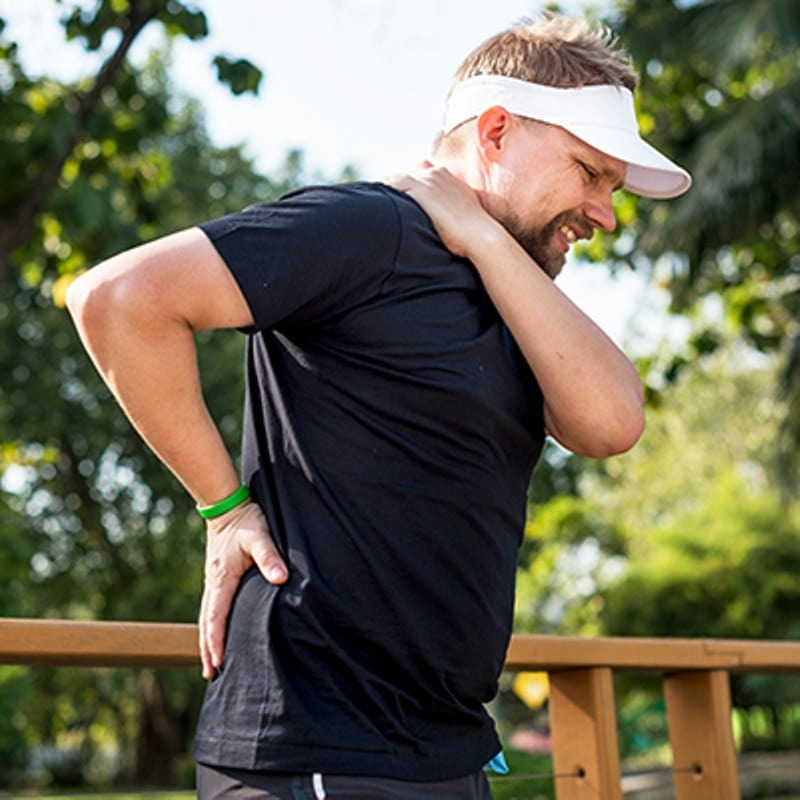

If you're experiencing sports-related back pain, you may already realize how it can affect both your athletic performance and your everyday activities. As a local chiropractor, I want to share some insights into effective treatments that can help you manage and relieve this discomfort naturally. Many people aren't aware of the benefits of chiropractic care and other holistic approaches, which can be tailored specifically to your needs.
Chiropractic care focuses on restoring proper alignment and function to your spine, which can significantly alleviate pain and improve mobility. Alongside adjustments, I often recommend complementary techniques such as targeted exercises, stretching, and lifestyle modifications to support your recovery.
Rest and recovery are essential, but they should be combined with proactive measures to ensure long-term relief. Curious about the best treatments and how they can specifically benefit you? Let's explore these effective strategies together, so you can get back to doing what you love without the burden of back pain.
Rest and Recovery
As a local chiropractor, I want to emphasize the importance of proper rest and recovery when dealing with sports-related back pain.
It's vital to listen to your body and recognize its signals; ignoring these can lead to further injury and extended discomfort. So, let's take a moment to evaluate your situation.
Rest doesn't simply mean lying down; it involves allowing your back a break from activities that may exacerbate the pain. You may need to adjust your routine, steering clear of high-impact exercises until your back has had a chance to heal.
During this recovery phase, it's crucial to pay attention to how your body reacts to different movements. If you notice certain activities trigger pain, it's important to stop and modify your approach.
Gentle stretching and low-impact exercises, such as walking or swimming, can be beneficial. These activities promote circulation and maintain flexibility and strength without placing unnecessary strain on your back.
Quality sleep is another key component of healing. A good night's rest supports your body's natural repair processes.
Make sure your sleeping environment is conducive to rest—consider investing in a supportive mattress and pillow to help maintain proper spinal alignment.
Nutrition also plays a pivotal role in recovery. A balanced diet filled with anti-inflammatory foods can aid in healing, while staying well-hydrated is essential.
Dehydration can lead to muscle tension and discomfort, hindering your recovery efforts.
As your chiropractor, I encourage you to embrace these practices to support your journey to health and wellness.
Ice and Heat Therapy
As a local chiropractor, I want to share with you the benefits of ice and heat therapy when it comes to managing sports-related back pain. Many of my patients find that these natural methods can significantly enhance their recovery process.
Using ice is particularly effective for reducing inflammation and numbing pain, which is crucial right after an injury or during a flare-up.
On the other hand, applying heat can promote blood flow and help relax tight muscles, making it beneficial for chronic pain or stiffness.
Understanding when to use ice and when to use heat can be a vital part of your healing journey.
I encourage you to incorporate these therapies into your routine, alongside chiropractic care, to help you feel your best and return to the activities you love.
Benefits of Ice Application
As a local chiropractor, I often recommend ice therapy to my patients dealing with sports-related back injuries, especially within the first 48 hours after the injury occurs.
Using ice can be incredibly effective in providing relief and supporting your body's natural healing process. Here's what you should know about the benefits of applying ice:
- Decreased swelling: Ice helps constrict blood vessels, which can significantly limit the fluid buildup around the injury site, thereby reducing swelling.
- Numbness: The cold sensation from the ice acts as a natural analgesic, dulling pain and providing you with immediate comfort.
- Reduced muscle spasms: Ice therapy can help relax tight muscles, making it easier for you to move without discomfort.
- Faster recovery: By managing inflammation and alleviating pain, ice therapy may help you return to your favorite sports and activities sooner than expected.
- Improved mobility: With reduced pain levels, you'll likely find it much easier to regain your flexibility and strength.
When applying ice, I recommend wrapping ice packs in a towel and placing them on the affected area for about 15-20 minutes at a time.
Be sure to take breaks in between applications. It's essential to avoid placing ice directly on your skin to prevent frostbite.
Incorporating ice therapy into your recovery routine can greatly enhance your healing process, allowing you to get back to the activities you love more quickly.
If you have further questions about how chiropractic care and natural healing can help you, don't hesitate to reach out!
Advantages of Heat Therapy
As a local chiropractor, I want to share the numerous benefits of heat therapy for those of you recovering from sports-related back pain, especially once the initial inflammation has decreased.
One of the most significant advantages of using heat is its ability to relax and soothe tight muscles. When heat is applied to your back, it increases blood circulation, which delivers vital nutrients and oxygen to the affected area, aiding in the healing process.
Moreover, heat therapy can significantly improve your range of motion. By loosening stiff muscles and connective tissues, you'll find it easier to move around and get back to your favorite activities. Whether you're stretching or engaging in gentle exercises, the warmth can make these movements much more comfortable.
Another benefit of heat is its potential to alleviate pain. It can block pain signals that are sent to your brain, providing you with the relief you need to focus on your recovery journey.
The best part is that implementing heat therapy is simple and convenient. You can use a heating pad, wrap a warm towel around your back, or indulge in a hot bath—whatever feels most soothing for you.
Incorporating heat therapy into your recovery plan can be an effective way to support your healing process, and I encourage you to consider it as part of your path to wellness.
When to Use Each
As a local chiropractor, I want to help you understand how to effectively manage sports-related back pain with the right use of ice and heat therapy. Knowing when to apply each method can significantly enhance your recovery process and improve your overall well-being.
When to use ice therapy:
- If you've recently sustained a back injury or are experiencing acute pain, ice can be your best friend.
- Look for signs of swelling or inflammation; ice is excellent for reducing both.
- If you're seeking temporary relief from pain, applying ice can numb the affected area.
- After engaging in strenuous activities, if you feel soreness creeping in, ice therapy can help soothe that discomfort.
- If muscle spasms are part of your experience, ice can provide relief and help calm those tight muscles.
When to use heat therapy:
- For chronic or tension-related back pain, heat can be a soothing solution.
- If you're looking to relax tight muscles and improve blood flow, heat is the way to go.
- Consider using heat before physical activity to warm up your muscles and enhance flexibility.
- If you wake up with stiffness or feel tight after resting, applying heat can ease that discomfort.
- Heat therapy is also beneficial for soothing pain associated with conditions like arthritis, promoting relaxation and comfort.
By understanding how to use these therapies effectively, you can take an active role in your healing journey.
If you have any questions or need personalized guidance, feel free to reach out to our office. Your health is our priority!
Physical Therapy
Managing sports-related back pain can be a daunting challenge, but chiropractic care offers a natural and holistic approach to recovery. When you visit a chiropractor, we begin with a thorough assessment of your specific condition to craft a personalized treatment plan that suits your individual needs. This plan typically includes a mix of spinal adjustments, soft tissue therapies, and targeted exercises designed to relieve pain, enhance function, and restore mobility.
During your chiropractic sessions, you'll participate in a variety of activities focused on strengthening the muscles that support your spine and improving your flexibility. We may also utilize gentle techniques such as spinal manipulation to realign your vertebrae and alleviate pressure on nerves, which can significantly help reduce inflammation and pain, particularly in the early stages of your healing journey.
It's crucial to adhere to your recommended treatment schedule, as regular visits can dramatically influence your recovery timeline. In addition to hands-on care, we provide education on proper body mechanics and posture, empowering you to prevent future injuries.
We also offer practical advice on modifying your daily activities to help you avoid aggravating your back pain, ensuring a more resilient and pain-free lifestyle. Remember, chiropractic care is about promoting your overall wellness and helping your body heal naturally!
Stretching and Strengthening
As a local chiropractor, I want to emphasize the importance of incorporating stretching and strengthening exercises into your routine for effectively managing sports-related back pain.
These exercises play a crucial role in improving your flexibility, enhancing muscle strength, and providing vital support to your spine, ultimately reducing the risk of injury. By focusing on key muscle groups, you can alleviate current pain and prevent future issues from arising.
Here are some exercises I recommend integrating into your regimen:
- Hamstring Stretch: This stretch helps to loosen tight muscles in the back of your thighs, which can subsequently reduce strain on your lower back.
- Cat-Cow Stretch: This dynamic movement promotes spinal flexibility and can relieve tension in your back.
- Plank: A fantastic exercise that strengthens your core muscles, offering better support for your spine during physical activities.
- Bridge Exercise: This exercise engages your glutes and lower back, enhancing your stability and overall strength.
- Child's Pose: A gentle stretch that relaxes the spine and alleviates tension, promoting a sense of calm.
Incorporating these exercises into your routine regularly can significantly enhance your mobility and resilience.
I recommend starting slowly and focusing on proper form to avoid further injury. As you become more comfortable, gradually increase the intensity and duration of your workouts.
It's essential to listen to your body; if something doesn't feel right, don't hesitate to adjust your routine or consult a healthcare professional.
By prioritizing stretching and strengthening exercises, you'll be better prepared to meet the physical demands of your sport while maintaining a healthy, pain-free back.
My goal is to help you understand that natural healing through movement and care can lead to long-lasting relief and improved overall wellness.
Chiropractic Adjustments
As a local chiropractor, I want to share how chiropractic adjustments can be a valuable part of your recovery from sports-related back pain, especially after you've built a solid foundation with stretching and strengthening exercises.
Chiropractic care is all about diagnosing and treating musculoskeletal disorders, with a special focus on the spine. When you visit me, I'll conduct a thorough assessment to pinpoint the root cause of your discomfort.
During your appointment, I'll perform specific adjustments designed to realign your spine and joints. These adjustments can significantly enhance your range of motion, alleviate pain, and promote faster healing. Many patients experience immediate relief following an adjustment, as it helps relieve pressure on nerves and improves blood circulation in the affected areas.
In addition to the adjustments, I also provide guidance on proper posture and body mechanics. I can teach you techniques that will help you avoid future injuries while participating in sports. This proactive approach not only addresses your current back pain but also equips you with the tools to build resilience against future issues.
You may also discover that chiropractic adjustments work hand in hand with your stretching and strengthening routines. When your spine is properly aligned, your exercises become more effective, leading to better overall results.
Plus, a well-aligned spine can enhance your athletic performance, allowing you to engage in your favorite sports with greater efficiency and a reduced risk of injury.
I'm here to help you understand how chiropractic care can naturally support your journey to recovery and overall wellness.
Massage Therapy
As a local chiropractor, I want to share how massage therapy can play a vital role in alleviating sports-related back pain and enhancing your recovery journey. This hands-on approach not only helps relieve muscle tension but also promotes blood circulation, which is crucial for the healing process.
Whether you're experiencing ongoing discomfort or acute pain, integrating massage therapy into your routine can yield remarkable benefits.
During a massage session, you may experience several positive outcomes:
- Reduced Muscle Tension: Our skilled therapists can pinpoint and address specific knots and tight areas, effectively loosening them and relieving discomfort.
- Improved Flexibility: Regular massage can enhance your range of motion, making it easier for you to resume your favorite activities without restriction.
- Enhanced Circulation: The pressure applied during massage therapy stimulates better blood flow, which can accelerate the healing of injured tissues.
- Stress Relief: Beyond physical benefits, massage therapy also aids in reducing mental stress, helping you focus on your recovery without distractions.
- Customized Techniques: Each session can be tailored to meet your individual needs, whether you're seeking deep tissue work or gentle relaxation techniques.
By incorporating massage therapy into your overall wellness plan, you can create a holistic approach to managing your sports-related back pain.
I encourage you to consult with a qualified therapist who understands the specific demands of your sport, and don't hesitate to explore various methods to discover what works best for you.
Making massage therapy a part of your recovery strategy is an important step toward feeling better and getting back to the activities you love.
Together, we can work towards restoring your health and enhancing your performance.
Over-the-Counter Pain Relief
As a local chiropractor, I understand that sports-related back pain can be a challenging issue to manage. Many individuals often turn to over-the-counter pain relief options for quick relief.
It's important to be aware of the common choices available to you, how to use them safely, and when it may be necessary to seek professional help. While these medications can offer temporary alleviation of discomfort, I encourage you to consider the benefits of chiropractic care and natural healing methods as long-term solutions.
By addressing the root cause of your pain, we can work together to promote healing and restore function.
Let's take a closer look at safe pain relief practices and how chiropractic adjustments, along with lifestyle changes, can help you manage your sports-related back pain more effectively.
Your journey to recovery may involve a combination of approaches, and I'm here to guide you every step of the way.
Common OTC Options
As a local chiropractor, I often see athletes struggling with sports-related back pain, and I want to share some valuable insights about common over-the-counter (OTC) options that can help you find relief.
While chiropractic care focuses on natural healing and alignment, there are times when these OTC medications can be beneficial in managing discomfort and getting you back to your game more quickly.
Here are some popular choices you might consider:
- Ibuprofen: This nonsteroidal anti-inflammatory drug (NSAID) can help reduce inflammation and alleviate pain. It's often used for acute injuries and can be effective for sports-related discomfort.
- Acetaminophen: If you're looking for relief from mild to moderate pain and can't take NSAIDs due to sensitivities or other health concerns, acetaminophen is a good alternative.
- Naproxen: Similar to ibuprofen, this NSAID offers longer-lasting pain relief, making it a suitable choice for ongoing issues that might arise from repetitive activities in sports.
- Topical analgesics: Creams or gels containing ingredients like menthol or capsaicin can be applied directly to the painful area. They provide targeted relief and can be a great complement to chiropractic adjustments.
- Heat patches: These are a fantastic option for soothing tight muscles and increasing blood flow in the affected area. Applying heat can help relax the muscles and facilitate the healing process.
Before you decide on an OTC medication, it's essential to evaluate your specific symptoms and consider any other medications you're currently taking.
While these options can be effective for managing pain, I always encourage my patients to listen to their bodies. If you experience any adverse reactions, it's important to stop using the medication and consult with a healthcare professional.
Remember, while OTC options can provide temporary relief, addressing the underlying issues through chiropractic care can lead to long-term wellness and injury prevention.
If you're interested in exploring natural healing methods, I'm here to help guide you on your journey to recovery.
Dosage and Safety Tips
As a local chiropractor, I want to emphasize the importance of understanding the proper dosage and safety tips when it comes to over-the-counter pain relief, especially for managing sports-related back pain.
While medications like ibuprofen and naproxen can provide temporary relief, it's crucial to follow the recommended dosages indicated on the packaging. Typically, ibuprofen is taken every 6 to 8 hours, and naproxen every 8 to 12 hours. However, exceeding the maximum daily limit can lead to serious health issues, which is something we want to avoid.
Reflecting on your personal health history is also an important step. If you have pre-existing conditions such as kidney problems, gastrointestinal issues, or if you're pregnant, it's wise to consult with a healthcare professional before taking any medication.
Additionally, I recommend taking these medications with food to help reduce the risk of stomach irritation.
If you're considering combining different pain relievers, please be cautious. Mixing NSAIDs with acetaminophen shouldn't be done without professional guidance. Staying hydrated is essential, and I advise avoiding alcohol while using these medications, as it can increase the risks of stomach bleeding and liver damage.
While over-the-counter pain relief can be beneficial, I encourage you to listen to your body and prioritize your overall safety and well-being.
Chiropractic care and natural healing options can also be effective alternatives for managing pain, and I'm here to help you explore those avenues for long-term relief.
When to Seek Help
As a local chiropractor, I want to emphasize the importance of understanding when to seek professional help for your sports-related back pain. While over-the-counter pain relief options like ibuprofen or acetaminophen may provide temporary relief, they aren't a sustainable solution for ongoing discomfort.
If you find that these medications are no longer effective, it may be time to consider chiropractic care as a natural and holistic approach to healing.
Here are some signs that indicate it's wise to consult with a chiropractor:
- Your back pain lingers for several days without showing any signs of improvement.
- You experience unusual sensations, such as numbness or tingling in your legs or feet.
- Your pain intensifies with physical activity and doesn't diminish with rest.
- You notice any swelling, redness, or bruising around the affected area.
- You struggle to maintain a straight posture or find it difficult to move comfortably.
It's crucial not to ignore these warning signs, as they could lead to more serious complications if left unaddressed.
A chiropractor can perform a thorough assessment to identify the root cause of your pain and develop a personalized treatment plan tailored to your needs. This may include spinal adjustments, therapeutic exercises, and lifestyle recommendations to promote long-lasting recovery and well-being.
Remember, your back is an essential part of your overall health, and seeking help from a chiropractor could be the key to getting you back to doing what you love.
Don't hesitate to reach out—natural healing is within your reach!
Prescription Medications
As a local chiropractor, I often see patients struggling with sports-related back pain, and I want to share how prescription medications can sometimes be part of the recovery process. However, I also want to emphasize the importance of understanding natural healing methods that can complement or even replace pharmaceutical interventions.
When you're dealing with discomfort from an injury or strain, it's essential to address the root cause of your pain. While prescription medications can reduce inflammation and alleviate pain, they often don't address the underlying issues contributing to your discomfort.
Nonsteroidal anti-inflammatory drugs (NSAIDs), like ibuprofen or naproxen, may provide temporary relief by reducing swelling. However, relying solely on these medications can mask the pain without helping your body heal properly. It's crucial to consider how chiropractic care can work alongside these medications to promote healing and restore your body's function.
In cases of severe pain, doctors may prescribe stronger pain relievers, such as opioids, but these come with a risk of dependency. As a chiropractor, I encourage patients to explore natural alternatives, such as physical therapy, massage, and chiropractic adjustments, which can help relieve pain in a more sustainable way.
Muscle relaxants may also be prescribed for muscle spasms associated with back pain. While they can provide short-term relief, they don't address the muscular imbalances or misalignments that could be causing the spasms. Chiropractic adjustments can help realign the spine and improve muscle function, offering a longer-lasting solution.
In some instances, corticosteroids might be injected to reduce inflammation quickly. While this can provide relief, I believe it's essential to combine such treatments with chiropractic care to ensure your body heals effectively and prevents future injuries.
Before starting any prescription medication, I encourage you to consult with your healthcare provider and explore how chiropractic care can play a vital role in your recovery.
By focusing on natural healing methods and addressing the underlying issues, you can manage your pain effectively and get back to your favorite activities with renewed strength and vitality.
Acupuncture
As a local chiropractor, I want to share with you the benefits of incorporating acupuncture into your sports injury recovery, particularly for managing back pain.
While many people are familiar with chiropractic adjustments, acupuncture offers a complementary approach that can enhance your overall healing process.
Acupuncture is an ancient practice that involves the insertion of thin needles into specific points on the body. This technique is designed to stimulate the flow of energy, promoting both physical and emotional healing. It can be particularly effective when traditional treatments alone don't provide the relief you seek.
Here are some benefits you may experience from acupuncture:
- Pain Reduction: Many athletes and individuals suffering from back pain find that their discomfort significantly decreases after just a few acupuncture sessions.
- Increased Flexibility: By loosening tight muscles, acupuncture can improve your range of motion, which is essential for maintaining an active lifestyle.
- Stress Relief: The calming effects of acupuncture can alleviate the mental stress that often accompanies chronic pain, helping you feel more at ease.
- Faster Recovery: Improved blood circulation through acupuncture can accelerate the healing process for sports-related injuries, allowing you to get back to your activities sooner.
- Customized Care: Acupuncturists take the time to assess your unique condition, tailoring their treatment approach to meet your specific needs and concerns.
While everyone's experience with acupuncture can differ, many patients find it to be a valuable addition to their pain management strategy.
If you're considering an alternative or complementary approach to alleviating your back pain, I encourage you to explore the potential of acupuncture.
Just be sure to consult with a qualified practitioner who's experience with sports-related injuries to ensure you receive the best care possible.
With the right support, you can take significant steps towards feeling better and returning to the activities you love.
Ergonomic Adjustments
As a local chiropractor, I want to share with you how making ergonomic adjustments in your workspace can significantly alleviate sports-related back pain.
Many patients may not realize that the way we set up our environment plays a crucial role in our overall comfort and health. By incorporating the right equipment and adopting proper posture, you can greatly reduce the strain on your back.
Let's take a closer look at these adjustments: ensuring that your chair supports your lower back, positioning your computer screen at eye level, and keeping your feet flat on the ground can all contribute to better spinal alignment.
These small changes can enhance not only your comfort but also your performance, whether you're at work or engaging in your favorite sports.
As your chiropractor, I'm here to guide you through these adjustments and help you understand the importance of maintaining a healthy spine for optimal performance and well-being.
Together, we can create a healthier workspace tailored to your needs.
Ideal Workspace Setup
As a local chiropractor, I want to emphasize the importance of creating an ideal workspace setup to help prevent sports-related back pain, particularly for those who spend long hours at a desk.
An ergonomic workspace not only supports proper posture but also reduces strain on your back, which is vital for your overall health. Here are some essential elements to consider when setting up your workspace:
- Chair: Opt for a chair that offers lumbar support, which is designed to maintain the natural curve of your spine. This will encourage a neutral spine position and help alleviate back pain.
- Desk Height: It's important to adjust your desk to ensure that your elbows are at a 90-degree angle when you're typing. This adjustment can help prevent unnecessary strain on your shoulders and neck.
- Monitor Position: Your monitor should be positioned at eye level, approximately an arm's length away from you. This setup helps to avoid straining your neck, which can lead to discomfort and tension.
- Foot Support: Make sure your feet are flat on the floor or resting comfortably on a footrest. This promotes proper alignment of your spine and can reduce the risk of developing back issues.
- Keyboard and Mouse: Place your keyboard and mouse close together to minimize reaching. Keeping your wrists straight while typing and navigating can help prevent strain and discomfort.
By paying attention to these ergonomic principles, you can create a workspace that not only enhances your productivity but also supports your spinal health.
If you have any questions or need further assistance in optimizing your setup, feel free to reach out. Your well-being is our priority!
Proper Equipment Use
As a local chiropractor, I want to emphasize the importance of not only setting up an ergonomic workspace but also properly using your equipment to prevent sports-related back pain.
First and foremost, ensure that your chair and desk height are adjusted to allow for comfortable working positions. For those using a computer, it's crucial to position your monitor at eye level. This simple adjustment helps reduce neck strain and encourages a neutral spine alignment while you work.
When it comes to physical activities, it's vital to be mindful of how you use your equipment. For instance, when lifting weights or participating in sports, always remember to bend at the knees instead of the waist. This small change can significantly reduce the strain on your back and prevent injuries.
Additionally, if you're using sports gear such as a backpack or a tennis racket, make sure it fits your body properly. Equipment that doesn't fit well can create imbalances and lead to discomfort.
I also encourage you to take regular breaks. Even with the best ergonomic setup, prolonged sitting or standing can lead to fatigue and discomfort.
Make it a habit to get up, stretch, and move around to keep your muscles engaged and your spine healthy. By properly using your equipment and being mindful of your body mechanics, you can greatly reduce your risk of back pain and enhance your performance in both sports and everyday activities.
Correct Posture Practices
As a local chiropractor, I want to share with you the importance of maintaining correct posture to prevent sports-related back pain and enhance your overall performance. Many people are unaware of how proper alignment can significantly impact their health.
When you align your body correctly, you distribute your weight evenly, reduce strain on your muscles, and improve your range of motion. Here are some essential posture practices I encourage you to evaluate:
- Keep your back straight: It's crucial to engage your core muscles and maintain a neutral spine to support your upper body effectively. This simple adjustment can do wonders for your back health.
- Align your shoulders: Relaxing your shoulders and avoiding a hunched posture can help prevent tension in your neck and upper back. This is something I often see in patients, and correcting it can lead to immediate relief.
- Bend at the knees: When lifting or bending down, remember to squat instead of bending at your waist. This technique is vital for protecting your lower back from injury.
- Distribute weight evenly: If you're standing for long periods, try shifting your weight between both feet. This practice can help avoid overloading one side of your back, which is a common cause of discomfort.
- Use ergonomic tools: Investing in supportive chairs or cushions, especially during long periods of sitting, is key to maintaining proper alignment. This small change can make a significant difference in your daily comfort and posture.
By being mindful of these posture practices, you can start to see improvements in your overall well-being.
If you have any questions or need personalized guidance, don't hesitate to reach out for a consultation. Your health is worth it!
Conclusion
As a local chiropractor dedicated to your well-being, I want to share some insights on managing sports-related back pain that can help you regain your active lifestyle. It's essential to approach your recovery with a comprehensive strategy tailored to your individual needs.
First and foremost, allow your body the necessary time to rest and recover. While you may be eager to get back to your favorite activities, rest is crucial for healing. Complement this with ice and heat therapy—ice can reduce inflammation, while heat can soothe your muscles, providing immediate relief.
Incorporating physical therapy and chiropractic adjustments into your recovery plan can significantly enhance your stability and overall wellness. These treatments are designed to realign your spine and improve mobility, helping you function better in your daily life and sports activities.
Don't forget about the importance of your workspace! Making ergonomic changes can greatly promote better posture, reducing the strain on your back throughout the day.
If you find that your pain persists despite these efforts, it's important to seek professional help. As your chiropractor, I am here to guide you through natural healing methods that can alleviate your pain and help you return to the activities you love—pain-free. Remember, with the right approach, you can achieve a healthier, more active lifestyle.