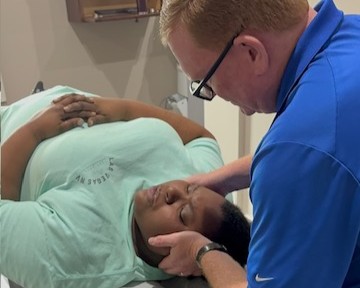
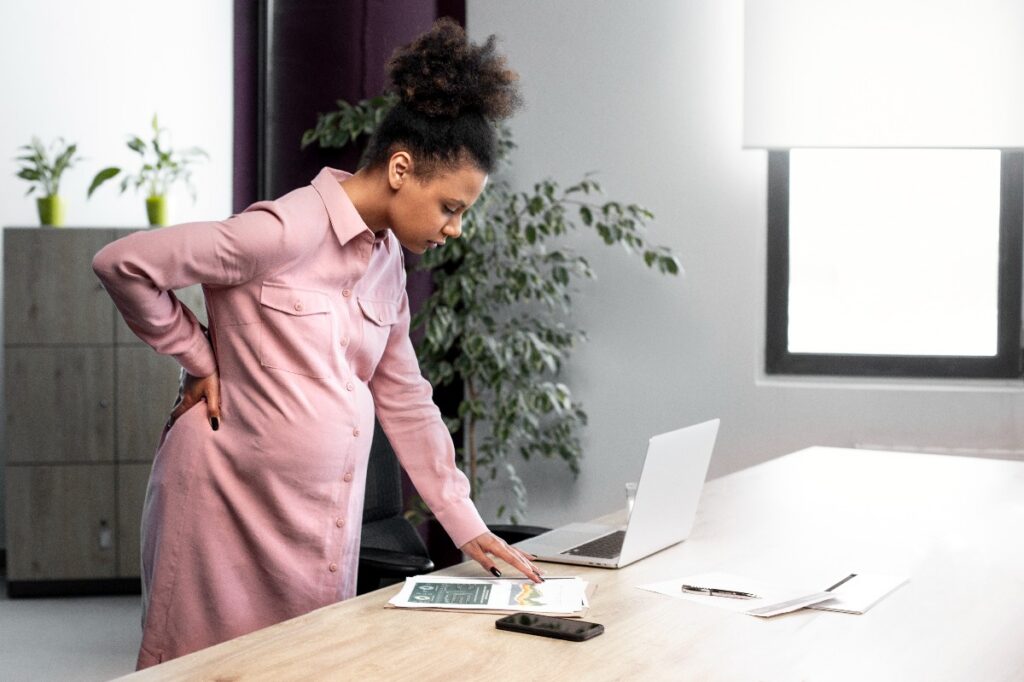
As a local chiropractor, I understand that many expectant mothers experience prenatal back pain, and I want you to know that you're not alone. Fortunately, there are effective strategies to help manage this discomfort naturally. First, let's take a look at your posture; maintaining proper alignment can greatly reduce strain on your back. Incorporating gentle exercises designed specifically for pregnant women can also be beneficial.
Additionally, supportive pillows can provide relief, as can the appropriate maternity support belts that help stabilize your body. These simple adjustments are just the beginning. There are numerous other natural methods to alleviate discomfort and enhance your overall pregnancy experience. Are you curious about how these chiropractic approaches can transform the way you feel during this important time? Let's delve into some practical tips to help ease that nagging pain and promote your well-being.
Practice Good Posture
As a chiropractor, I understand how challenging it can be to maintain good posture, especially as your belly grows during pregnancy. It's natural to want to slouch, but embracing proper posture is crucial for alleviating prenatal back pain and supporting your overall well-being.
As your body changes, your center of gravity shifts, which can put additional strain on your back. By focusing on good posture, you can help distribute weight more evenly, leading to reduced discomfort.
Let's start with standing. Stand tall with your feet shoulder-width apart and engage your core muscles to support your lower back while keeping your pelvis in a neutral position. Picture a string gently pulling you upward from the crown of your head, which will help elongate your spine.
When it comes to sitting, choose a chair that provides adequate support for your lower back. Ensure your feet are flat on the floor and avoid crossing your legs, as this can lead to imbalances and additional strain.
During walking, keep your shoulders relaxed and your head held high. This not only aids in balance but also minimizes unnecessary pressure on your spine. If you find yourself standing for extended periods, remember to shift your weight from one foot to the other to relieve some of the load on your back.
It's also essential to be mindful of how you lift objects. Always bend at your knees instead of your waist, keeping your back straight and the object close to your body. This technique significantly reduces strain on your back and helps maintain proper posture.
By incorporating these habits into your daily routine, you can find relief from prenatal back pain and enhance your comfort throughout your pregnancy.
As your chiropractor, I'm here to support you on this journey toward better posture and overall health.
Engage in Gentle Exercise
As a local chiropractor, I want to share how engaging in gentle exercise can significantly alleviate your prenatal back pain and enhance your overall well-being.
Activities such as walking, swimming, and prenatal yoga aren't only safe for you and your baby but also beneficial in maintaining your physical health during pregnancy.
These gentle movements can help keep your spine aligned and support your body as it adapts to the changes of pregnancy.
Remember, it's important to listen to your body and consult with your healthcare provider, including your chiropractor, before starting any new exercise routine.
We're here to guide you in making safe choices that promote your health and comfort.
Benefits of Light Activity
As a local chiropractor, I want to emphasize the incredible benefits of gentle exercise during pregnancy, especially for addressing back pain and enhancing your overall well-being. Engaging in light activities can significantly improve blood circulation, which is vital for delivering essential nutrients to your muscles and tissues. This increased circulation can help alleviate discomfort and promote healing.
Furthermore, gentle exercise is a fantastic way to strengthen your core muscles. A strong core provides crucial support for your growing belly, which in turn can greatly reduce the strain on your back. This makes daily activities more manageable and comfortable for you.
You'll also find that maintaining flexibility through gentle exercise allows your body to adapt more easily to the changes it's experiencing throughout your pregnancy.
Light activity isn't just about physical benefits; it also plays a significant role in enhancing your mood. When you exercise, your body releases endorphins, which help reduce stress and anxiety—feelings that can be particularly heightened during pregnancy due to hormonal changes.
Plus, staying active can improve your sleep quality, which is often disrupted by physical discomfort and emotional stress.
Lastly, by incorporating gentle exercise into your routine, you're preparing your body for labor and delivery. It helps build stamina and endurance, making the experience smoother.
Embracing light activity is a simple yet effective approach to managing pregnancy-related back pain and enhancing your overall experience. As your chiropractor, I encourage you to consider these benefits and make gentle exercise a part of your pregnancy wellness plan.
Recommended Gentle Exercises
As a local chiropractor, I want to share how incorporating gentle exercises into your daily routine can significantly help manage back pain during pregnancy. These exercises aren't only safe but can also strengthen your core, enhance flexibility, and alleviate tension in your back.
One of the simplest and most effective activities is walking. It's a low-impact exercise that you can do almost anywhere and can be easily adjusted to suit your comfort level. Aim for about 20-30 minutes each day, modifying your pace as necessary.
Prenatal yoga is another fantastic option. Focus on poses that facilitate stretching and relaxation, such as the cat-cow stretch or child's pose. These positions can help ease discomfort and improve your posture, which is essential during this time.
Swimming is also highly beneficial; the buoyancy of the water supports your body and minimizes strain on your back. When swimming, opt for gentle strokes to ensure that you're not overexerting yourself.
Additionally, I recommend pelvic tilts, which are straightforward yet effective in relieving spinal pressure. To perform this, get onto all fours, arch your back, and then round it while engaging your abdominal muscles. Repeat this motion slowly to help relieve tension.
Don't forget to include gentle stretches for your hamstrings and hip flexors, as tightness in these areas can contribute to back pain. Always listen to your body—if an exercise doesn't feel right, it's important to modify it or stop altogether.
Staying active with these gentle exercises can significantly enhance your comfort and overall well-being throughout your pregnancy. If you have any questions or need guidance on specific exercises, don't hesitate to reach out to your chiropractor for personalized advice and support.
Safety Tips for Exercise
As a local chiropractor, I want to emphasize the importance of safety when it comes to exercising during pregnancy. It's crucial to prioritize your well-being and that of your baby. Before embarking on any exercise routine, I highly recommend consulting with your healthcare provider. They can assess your individual situation and guide you on what exercises are safe for you.
Listening to your body is key; if something doesn't feel right, it's essential to stop. Opt for low-impact activities such as walking, swimming, or prenatal yoga. These types of exercises are gentle on your body while helping to strengthen your muscles.
Remember to always warm up before you start and cool down afterward to help your body adjust to the changes. Staying hydrated is vital, and don't hesitate to take breaks when you need them. Wearing supportive footwear is important too, as it can help reduce the risk of injury during your workouts.
Additionally, practicing good posture while exercising can alleviate some of the back pain that many expectant mothers experience. It's important to avoid exercises that involve lying flat on your back after the first trimester, as this position can restrict blood flow.
I also encourage you to consider joining a prenatal exercise class. These classes not only provide professional guidance but also allow you to connect with other expectant mothers, creating a supportive community.
Use Supportive Pillows
As a local chiropractor, I want to share how supportive pillows can play a vital role in alleviating prenatal back pain. During pregnancy, your body undergoes numerous changes, and the right pillows can provide the much-needed support to help ease discomfort.
I recommend considering a body pillow or a specially designed pregnancy pillow. These types of pillows are designed to help align your spine and reduce the strain on your back while you sleep or rest.
When you lie down, try placing a pillow between your knees. This simple adjustment can relieve pressure on your hips and lower back, making a noticeable difference in your comfort. If you find yourself sleeping on your back, it's essential to shift to side sleeping, especially as your pregnancy progresses.
Using a pillow under your belly can provide extra support, helping to maintain proper spinal alignment and creating a more restful sleeping position.
Additionally, incorporating small pillows or cushions during the day can provide extra support. For instance, placing a cushion behind your lower back while sitting can help maintain good posture and alleviate discomfort.
If you spend a lot of time sitting, consider using a wedge-shaped pillow or a lumbar support cushion that's specifically designed for pregnancy. These tools can help keep you comfortable and supported throughout the day.
Also, don't overlook the importance of your mattress. An unsuitable mattress—whether too soft or too firm—can exacerbate your back pain. A medium-firm mattress typically offers a balanced level of support and comfort.
By integrating supportive pillows into your daily routine, you can create a more comfortable environment that promotes better sleep and helps reduce prenatal back pain.
Apply Heat or Cold
As a local chiropractor, I want to help you understand how simple techniques like applying heat or cold can be beneficial in relieving your prenatal back pain. Both methods are effective, but each serves a different purpose in managing discomfort.
Applying heat is a fantastic way to relax tight muscles and enhance blood circulation in your body. You can easily do this at home with a heating pad, a hot water bottle, or even a warm towel. It's essential, however, to ensure that the heat is gentle and soothing rather than overwhelming; you want that comforting warmth without the risk of burns.
I recommend using heat for about 15 to 20 minutes at a time, especially before bedtime. This not only helps alleviate pain but can also set the stage for a more restful night's sleep.
On the flip side, cold therapy is excellent for numbing sharp pains and reducing inflammation. Using an ice pack wrapped in a cloth or even a bag of frozen peas can provide immediate relief. Apply it to the affected area for about 10 to 15 minutes.
Cold therapy works particularly well after any physical activities that may worsen your back pain. Just remember to give your skin a break between applications to prevent frostbite.
Some of my patients find that alternating between heat and cold yields the best results. It's important to listen to your body and observe what feels right for you.
You don't have to endure discomfort during your pregnancy; incorporating these simple methods into your routine can significantly enhance your overall well-being. If you're curious about how chiropractic care can further support your journey, feel free to reach out for more information.
Opt for Maternity Support Belts
As a chiropractor, I understand that many expectant mothers experience prenatal back pain due to the significant physical changes that occur during pregnancy. One effective way to alleviate this discomfort is by wearing a maternity support belt. These specially designed belts provide essential support to your growing belly, helping to distribute weight more evenly and reduce the strain on your back.
Choosing the right maternity support belt is crucial. I recommend looking for one with adjustable features, allowing you to customize the fit as your body changes throughout your pregnancy. A proper fit ensures that the belt stays securely in place while providing the ideal level of support. Additionally, many of these belts are made from breathable materials, which can enhance your comfort throughout the day.
It's beneficial to wear the belt during activities that may worsen your back pain, such as standing for extended periods or engaging in light exercise. However, it's equally important not to rely on the belt all day. It's essential to give your body time to strengthen its core muscles, as these muscles play a vital role in supporting your back.
Integrating a maternity support belt into your daily routine can significantly enhance your comfort and allow you to remain active. Many women have found that wearing one during their prenatal workouts helps them maintain their fitness levels while minimizing discomfort.
If you're struggling with back pain during your pregnancy, I encourage you to explore the option of a maternity support belt—it could be the relief you've been seeking on your journey to motherhood.
Invest in a Comfortable Mattress
As a local chiropractor, I want to emphasize the importance of investing in a comfortable mattress, especially for those experiencing prenatal back pain.
A mattress that offers the right level of firmness is crucial for supporting your body's needs and maintaining proper spinal alignment while you sleep. This alignment is key to reducing discomfort and promoting better overall health.
I also recommend considering an adjustable bed base. This feature can provide additional comfort and adaptability as your body undergoes changes during pregnancy.
By prioritizing a quality mattress and adjustable support, you can create a sleep environment that fosters healing and enhances your well-being.
Choose Firm Support Level
As a local chiropractor, I understand how essential comfort is during pregnancy, particularly when it comes to your sleep environment. A supportive mattress can significantly alleviate back pain and help you achieve the restful sleep you need.
Selecting the right firmness level is crucial; it plays a key role in maintaining proper spinal alignment and reducing pressure on your joints. Here are some important factors to consider when choosing your mattress:
- Support: A firm mattress is beneficial as it provides the necessary support for your back, keeping your spine aligned and minimizing discomfort during pregnancy.
- Pressure Relief: It's important to look for materials that contour to your body while still offering firmness. This combination helps relieve pressure points, particularly in areas like your hips and shoulders, which are often under strain during pregnancy.
- Durability: Investing in a quality mattress is essential. A durable mattress won't only support you throughout your pregnancy but will also continue to provide comfort and support long after.
- Cooling Features: Many mattresses come equipped with cooling technology, which can be particularly beneficial during pregnancy. This feature helps maintain a comfortable temperature and prevents overheating during those warm nights.
As you navigate this journey, remember that the right mattress can contribute significantly to your overall well-being and comfort.
If you have any questions or need further guidance, feel free to reach out!
Consider Adjustable Bed Base
As a chiropractor, I often emphasize the importance of not only choosing the right mattress firmness but also considering the benefits of an adjustable bed base, especially during pregnancy.
An adjustable bed can significantly enhance your comfort by allowing you to elevate your head or legs, which provides personalized support for your back and helps reduce pressure on your spine. This adaptability can be particularly valuable as your body undergoes changes and your back pain may increase.
With an adjustable bed, you can find the optimal position to alleviate discomfort, whether you prefer to sleep or rest in a reclined posture. Elevating your legs can improve circulation, while raising your upper body can assist with common pregnancy issues such as heartburn and breathing difficulties.
It's also essential to pair your adjustable base with a high-quality mattress that meets your specific needs. Look for options that offer both support and cushioning to ensure you're achieving the best combination for your body.
Investing in an adjustable bed base goes beyond just comfort; it's about enhancing your overall sleep quality. Quality sleep is crucial for maintaining energy levels and a positive mood, both of which can make your pregnancy journey much more manageable.
I encourage you to explore this option to create a sleep environment that's tailored to your unique needs during this special time.
Consider Prenatal Massage
As a local chiropractor, I often see expectant mothers seeking relief from the discomforts associated with pregnancy, such as back pain. One effective approach that I recommend is prenatal massage, a soothing practice that not only alleviates discomfort but also promotes overall well-being during this special time.
As your body adjusts to the added weight of your growing baby, it undergoes numerous changes that can lead to tension and strain, particularly in the back. A skilled prenatal massage therapist can effectively target these areas, helping you to relax and appreciate this unique journey.
Here are four emotional benefits of incorporating prenatal massage into your self-care routine:
- Reduced Stress: The tranquil atmosphere and gentle touch of a massage can help you unwind, relieving the anxiety that often accompanies pregnancy. This stress relief is crucial for both you and your baby's health.
- Improved Sleep Quality: With reduced pain and more relaxed muscles, many mothers find it easier to achieve restful sleep, which is essential for nurturing both your well-being and that of your baby.
- Enhanced Bonding: Taking time for yourself through massage can deepen your connection with your baby. By focusing on your body and its needs, you can foster a nurturing relationship even before your little one arrives.
- Increased Mobility: Prenatal massage helps to loosen tight muscles and improve circulation, making daily activities more comfortable. This can encourage you to stay active and engaged, which is beneficial for your overall health during pregnancy.
Incorporating prenatal massage into your routine can be a transformative experience. It offers both physical relief and emotional comfort as you navigate the joys and challenges of pregnancy.
If you have any questions about how chiropractic care and natural healing can support you during this time, feel free to reach out. Your health and well-being are our top priorities!
Stay Hydrated
As a local chiropractor, I want to emphasize the importance of staying hydrated, especially during pregnancy. Hydration plays a crucial role in supporting your body's increased demands and can help alleviate common discomforts, such as back pain. During pregnancy, your body experiences significant changes, and maintaining proper hydration is key to managing these shifts effectively.
Water is vital for healthy blood circulation, which is essential for delivering nutrients to your growing baby and reducing inflammation in your muscles and joints. When you're well-hydrated, you can help prevent dehydration—a condition that can lead to fatigue, dizziness, and muscle cramps—all of which may worsen back pain.
I recommend aiming for at least eight to ten glasses of water each day, but it's important to listen to your body. If you feel thirsty or notice that your urine is darker than usual, it's a sign that you need to drink more. Additionally, incorporating hydrating foods, like fruits and vegetables, can further enhance your fluid intake while providing you with essential vitamins and minerals.
Carrying a water bottle with you throughout the day can be a simple yet effective strategy. This way, you can easily monitor your water consumption and remind yourself to hydrate regularly. You might also find it helpful to set reminders on your phone if you tend to forget.
Remember, staying hydrated isn't solely about drinking plain water; it includes being mindful of your overall fluid intake. Herbal teas and clear soups can also contribute beneficially to your hydration.
Incorporate Stretching Routines
As a local chiropractor, I want to emphasize the importance of incorporating stretching routines into your daily life, especially if you're experiencing back pain during pregnancy.
Effective stretching techniques can be a natural way to improve flexibility and alleviate muscle tension, which is crucial during this transformative time.
It's essential to pay attention to both the timing and frequency of your stretches to maximize their benefits. I recommend setting aside a few minutes each day to focus on gentle stretching exercises that target the back and surrounding muscle groups.
This practice not only helps in relieving discomfort but also promotes overall well-being.
If you're unsure where to start or which stretches are safest for you during pregnancy, don't hesitate to reach out.
I'm here to guide you through safe and effective techniques that can enhance your comfort and support your body as it adapts to the changes of pregnancy.
Benefits of Stretching
As a local chiropractor, I want to share how important stretching can be for your overall health, especially during pregnancy. Many people may not realize the significant relief it can provide from prenatal back pain, along with enhancing your well-being.
By incorporating regular stretching routines into your daily life, you can experience some remarkable benefits:
- Increased Flexibility: Stretching plays a crucial role in improving your body's flexibility. This can relieve tension in the back and promote better posture as your body undergoes changes during pregnancy.
- Reduced Muscle Tension: Engaging in regular stretching can help ease tightness in your muscles. This not only diminishes discomfort but also alleviates pain in the lower back, making your pregnancy journey more comfortable.
- Improved Circulation: Stretching stimulates blood flow, which is vital for delivering essential nutrients to both you and your developing baby. This improved circulation contributes to your overall health and wellness.
- Enhanced Relaxation: Taking the time to stretch is a wonderful form of self-care. It can help you unwind, reduce stress, and promote relaxation, all of which are especially important during this transformative time.
By integrating stretching into your routine, you're not just investing in your flexibility; you're also supporting your body's natural healing processes and enhancing your pregnancy experience.
If you have any questions about how to incorporate stretching safely or how chiropractic care can support you during this time, feel free to reach out!
Effective Stretching Techniques
As a chiropractor, I often see patients struggling with prenatal back pain, and I want to share some effective stretching techniques that can help. Integrating these simple routines into your daily life can lead to significant relief and enhanced mobility.
Let's start with the cat-cow stretch, which is excellent for gently mobilizing your spine. Position yourself on your hands and knees. As you inhale, arch your back and look up, and then as you exhale, round your spine and tuck your chin. This flowing motion helps ease tension in your back.
Next, consider the seated forward bend. Sit comfortably on the floor with your legs extended in front of you. Reach toward your toes while keeping your back straight. Hold this position for a few breaths; it effectively stretches your lower back and hamstrings, promoting relaxation.
Another stretch to add to your routine is the side stretch. Stand with your feet shoulder-width apart, raise one arm overhead, and lean to the opposite side. This movement is beneficial for elongating your side muscles and relieving stiffness.
Lastly, don't overlook the pelvic tilt. Lie down on your back with your knees bent. Gently press your lower back into the floor by tilting your pelvis upward. This exercise not only strengthens your core but can also alleviate pressure on your spine.
Incorporating these stretches regularly can lead to noticeable improvements in your comfort levels. Always listen to your body, and if you experience any pain, it's important to stop the movement.
Timing and Frequency
As a local chiropractor, I want to share how you can effectively incorporate stretching into your routine to alleviate prenatal back pain and enhance your overall well-being. Understanding the right timing and frequency for your stretching can greatly maximize its benefits.
Here are some practical tips to help you establish an effective stretching routine:
1. Morning Stretch: Begin your day with gentle stretches. This will help loosen your muscles and prepare your body for the activities ahead.
Starting your day with this practice can leave you feeling energized and ready to face whatever comes your way.
2. Post-Activity Stretch: After any physical activity, take a moment to stretch. This is crucial for preventing stiffness and discomfort in your back and other muscles.
These post-activity stretches can help you feel more relaxed and comfortable in your body.
3. Nightly Wind-Down: Before you head to bed, incorporate some calming stretches. This can help release the tension that has built up throughout the day.
A soothing nighttime routine can significantly improve your sleep quality, which is vital during pregnancy.
4. Consistency is Key: Aim for short stretching sessions of about 10-15 minutes, at least 3-4 times a week.
Sticking to this routine can lead to noticeable improvements in managing pain and increasing flexibility.
By integrating these stretching practices into your daily life, you'll be taking a proactive step towards managing prenatal back pain and enhancing your overall health.
Consult a Healthcare Professional
As a local chiropractor, I want to emphasize the importance of seeking professional help for managing prenatal back pain. Experiencing discomfort during pregnancy is common, but it's crucial to consult someone who understands the unique physical changes your body is going through. A chiropractor can assess your individual situation and help identify any underlying issues contributing to your pain.
During your visit, please share details about your symptoms, such as when the pain began, how intense it is, and any activities that seem to worsen it. This information allows me to tailor treatments specifically for your needs.
One of the natural approaches I may recommend is chiropractic adjustments, which can help align your spine and reduce tension in your back muscles. I may also suggest safe exercises or stretches that can relieve discomfort and promote overall well-being.
It's essential to ensure that any physical activity is suitable for your pregnancy stage, so I provide guidance on what to do and what to avoid. Additionally, I can teach you proper body mechanics and lifting techniques to minimize strain on your back during daily activities.
If necessary, I can discuss natural pain relief options that are safe for you and your baby. It's important to follow my recommendations and avoid over-the-counter medications unless we've discussed them together.
Regular chiropractic check-ins throughout your pregnancy can help monitor and manage your back pain effectively. As your body continues to change, ongoing communication is vital to adjust your care plan as needed.
Conclusion
As a local chiropractor, I want to share some effective strategies to help alleviate prenatal back pain and improve your comfort during pregnancy. It's essential to be mindful of your posture, as good alignment can significantly reduce discomfort. Engaging in gentle exercises is also beneficial; staying active can support your body throughout this journey.
Using supportive pillows can provide additional relief, especially while resting or sleeping. Consider incorporating heat or cold therapy to soothe aching muscles, and a maternity support belt may offer extra support for your growing belly. Staying well-hydrated is crucial too, as it helps with overall wellness during pregnancy.
I encourage you to consult with your healthcare provider for personalized advice tailored to your unique needs. Remember, your well-being is vital for both you and your baby, and embracing natural healing methods can greatly enhance your comfort. You're not alone in this journey; we're here to support you every step of the way!