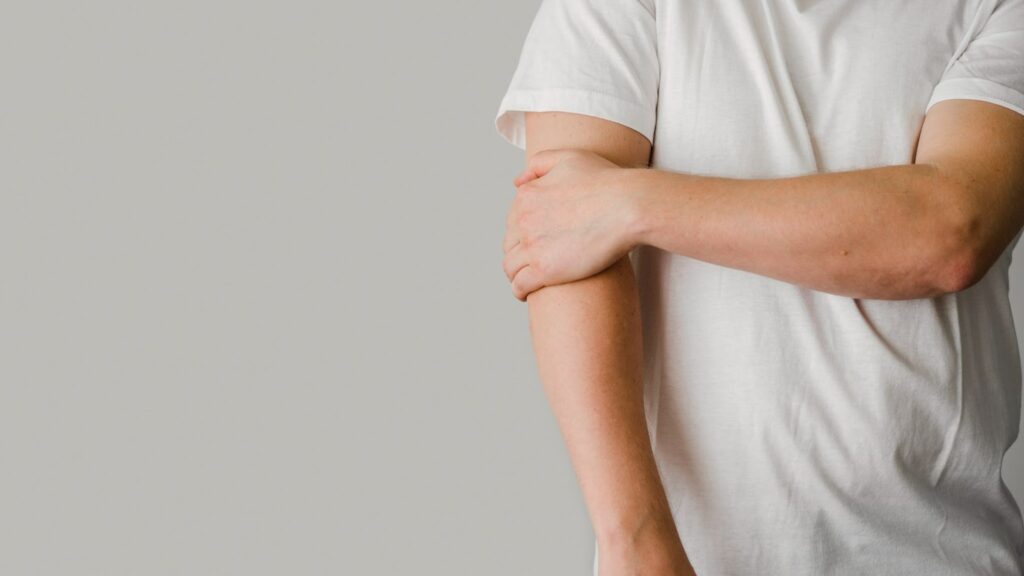

When you suffer a sports injury, it's easy to brush it off, but seeking care is essential for your long-term health and performance. Early diagnosis can mean the difference between a quick recovery and chronic issues down the line. Plus, a tailored treatment plan addresses your specific needs, enhancing your rehabilitation. You might be surprised to learn how professional guidance can prevent further damage and improve your overall athletic capabilities. What you might not realize is that the benefits extend beyond just recovery, impacting your entire approach to sports. Let's explore the key reasons you shouldn't ignore this.
Early Diagnosis of Injuries
In the fast-paced world of sports, recognizing injuries early can make all the difference in recovery and performance. Whether you're an amateur athlete or a seasoned pro, understanding your body's signals is essential. When you notice any pain, swelling, or unusual fatigue, don't brush it off. Instead, take a moment to assess the situation. Ignoring these signs can lead to prolonged recovery times and potentially more serious injuries down the line.
You should pay attention to how your body feels during and after physical activity. If something doesn't feel right, trust your instincts. Early diagnosis often leads to more effective treatment, which can help you bounce back faster. A quick visit to a healthcare professional can provide you with the necessary insights into your injury. They'll evaluate your symptoms, perform tests, and offer a clear diagnosis to guide your recovery.
Additionally, being proactive about your health can save you from future complications. When you catch an injury early, you can start appropriate treatments immediately, whether that's rest, physical therapy, or other interventions. This approach not only aids your recovery but also helps maintain your overall performance levels.
Prevention of Further Damage
When you experience a sports injury, acting quickly can considerably reduce the risk of further damage.
Early intervention not only promotes healing but also helps you avoid complications down the line.
Taking proactive steps now can save you from more serious issues later.
Early Intervention Benefits
How can early intervention transform your recovery from a sports injury? When you seek care promptly, you're not just addressing the immediate pain; you're also minimizing the risk of further damage. Ignoring symptoms or delaying treatment can lead to complications that prolong your recovery. By acting quickly, you give your body the best chance to heal effectively.
Early intervention allows healthcare professionals to assess your injury accurately and recommend a tailored treatment plan. This plan may include rest, physical therapy, or even a brace to support the affected area. Such measures help stabilize your injury and prevent it from worsening.
Additionally, addressing the injury early can provide you with valuable insights into proper techniques and conditioning, which can be vital for preventing re-injury. It's important to understand your body's limits and how to navigate your sport safely.
Avoiding Complications Later
Addressing your sports injury promptly is key to avoiding complications later on. When you delay treatment, you risk worsening the injury, which can lead to chronic pain or long-term disability. By seeking care early, you increase the chances of a full recovery and can often return to your sport faster.
Ignoring symptoms like swelling, pain, or instability may seem manageable at first, but these issues can escalate quickly. For instance, a minor sprain can develop into a more severe ligament tear if not treated properly. This not only prolongs your recovery but also complicates the healing process, making rehabilitation more difficult.
Additionally, untreated injuries can lead to compensatory movements, putting stress on other joints and muscles, which may result in new injuries. By addressing the issue head-on, you can minimize the risk of further damage and guarantee a smoother path to recovery.
Customized Treatment Plans
When it comes to recovering from sports injuries, a one-size-fits-all approach just won't cut it.
You'll benefit from an individualized assessment that targets your specific injury and needs.
With tailored rehabilitation strategies, you can get back to your game stronger and faster.
Individualized Assessment Approach
In the domain of sports injuries, a personalized assessment approach is essential for effective recovery. When you seek care, it's vital to understand that each injury is unique, just like you. An individualized assessment helps healthcare professionals develop a tailored plan that addresses your specific needs.
Here's what you can expect from this approach:
- Detailed Evaluation: You'll undergo a thorough assessment, including physical exams and possibly imaging. This helps identify the exact nature and extent of your injury.
- Personal History Review: Your medical history, activity level, and personal goals will be discussed. This information allows your provider to understand how the injury impacts your daily life and sports performance.
- Goal Setting: Together, you and your healthcare team will set realistic recovery goals. Whether you want to get back to competitive sports or just enjoy recreational activities, these goals will guide your treatment plan.
Tailored Rehabilitation Strategies
Tailored rehabilitation strategies are the cornerstone of effective recovery from sports injuries. When you sustain an injury, it's essential to have a recovery plan that fits your specific needs, goals, and lifestyle. A one-size-fits-all approach simply won't cut it.
By working with a healthcare professional, you can develop a customized treatment plan that addresses your unique situation. Your rehabilitation strategy should incorporate exercises and therapies that focus on your injury's nature and severity. This might include strength training, flexibility exercises, or balance training, all designed to restore your function and prevent future injuries.
Regular assessments will help you track your progress and make necessary adjustments to your plan. In addition to physical activities, your tailored strategy may involve education on proper techniques, nutrition guidance, and injury prevention methods. The more informed you are, the better equipped you'll be to return to your sport safely and effectively.
Ultimately, a personalized rehabilitation approach not only speeds up your recovery but also empowers you to regain confidence in your abilities. By investing in tailored strategies, you're setting yourself up for long-term success in your athletic endeavors.
Specific Injury Focus
Focusing on specific injuries allows for the development of customized treatment plans that directly target your unique needs.
When you seek care for your sports injuries, professionals can evaluate your condition and create a targeted strategy to enhance your recovery. This personalized approach not only speeds up healing but also helps prevent future injuries.
Here are three key benefits of a specific injury focus:
- Accurate Diagnosis: A thorough assessment leads to a precise understanding of your injury, ensuring you receive the right care from the start.
- Tailored Exercises: You'll get a set of exercises designed specifically for your injury type and severity, helping you regain strength and mobility effectively.
- Holistic Care: Customized plans often include nutrition and lifestyle recommendations, addressing all aspects of your well-being.
Faster Recovery Times
Many athletes seek ways to achieve faster recovery times after injuries, as quick healing not only enhances performance but also minimizes downtime. When you experience a sports injury, getting the right care is essential for speeding up your recovery process.
Professional treatment helps you understand the nature of your injury and sets you on a structured path toward healing.
First, seeking care allows for accurate diagnosis. A healthcare professional can use imaging and assessments to identify the specific issue, which means you won't waste time on ineffective remedies.
With a clear understanding of your injury, you can follow an appropriate rehabilitation plan tailored to your needs.
Next, effective treatment methods can greatly reduce recovery time. Whether it's physical therapy, medication, or injections, these interventions are designed to address the root cause of your pain and promote healing.
Engaging in a structured rehabilitation program not only helps in recovering faster but also equips you with exercises and techniques to prevent future injuries.
Moreover, timely care often means you can resume activities sooner. Ignoring an injury or self-treating can lead to complications that prolong your downtime.
Improved Athletic Performance
While recovering from an injury, you might find that proper care doesn't just speed up healing—it can also greatly enhance your athletic performance.
When you take the time to address your injuries with professional help, you're setting the stage for not only recovery but also improvement in your overall game.
Here are three ways that seeking care can boost your performance:
1. Targeted Rehabilitation: Professionals can create tailored rehabilitation plans that focus on your specific injury.
This targeted approach guarantees you strengthen the right muscles and regain full functionality, allowing you to return to your sport stronger than before.
2. Injury Prevention: By addressing existing injuries, you also learn about potential weaknesses in your body.
Professionals can guide you on exercises and techniques to prevent future injuries, keeping you in the game longer and performing at your best.
3. Enhanced Techniques: A skilled trainer or therapist can provide insights into your athletic techniques.
They can help refine your movements, ensuring that you're using your body efficiently.
This improvement in technique can lead to better performance, whether you're running faster, jumping higher, or hitting harder.
Education on Injury Management
Understanding injury management is essential for every athlete, as it often determines how quickly you can get back to your sport. When you sustain an injury, knowing how to respond can make all the difference in your recovery. Educating yourself about the right steps to take will empower you to manage your injury effectively and minimize downtime.
First, familiarize yourself with the basics of injury assessment. Recognizing symptoms like swelling, pain, and limited mobility can help you determine whether you need medical attention or if it's something you can manage at home. For minor injuries, applying the R.I.C.E. method—rest, ice, compression, and elevation—can be extremely beneficial.
Next, learn about different types of injuries and their typical recovery times. Knowing what to expect can help you set realistic goals for your return to play. This knowledge can also guide your conversations with coaches, trainers, and healthcare professionals.
Additionally, consider the importance of rehabilitation exercises. Once you've consulted with a healthcare provider, engaging in a structured rehab program can greatly enhance your recovery. These exercises not only restore strength and flexibility but also help prevent future injuries.
Finally, stay informed about injury prevention strategies. Understanding proper techniques, warm-up routines, and conditioning can go a long way in reducing your risk of injury.
Access to Specialized Care
Accessing specialized care is vital for athletes recovering from injuries, as it can greatly influence the speed and quality of your recovery.
When you seek out experts who understand the specific demands of your sport, you're putting yourself in the best position to heal effectively. Specialized care doesn't just accelerate your recovery; it also minimizes the risk of re-injury.
Here are three key benefits of accessing specialized care:
- Tailored Treatment Plans: Specialists evaluate your unique needs and create personalized recovery plans that target your specific injury. This approach guarantees that you receive the most effective rehabilitation.
- Advanced Techniques and Technologies: Sports medicine professionals often have access to the latest treatments and technologies designed to enhance recovery. From physical therapy modalities to innovative surgical techniques, these advancements can considerably improve your healing process.
- Injury Prevention Strategies: Alongside treating your current injury, specialists can teach you how to prevent future injuries. They'll help you understand your body mechanics, strength training, and flexibility exercises that are essential for long-term athletic performance.
Conclusion
In conclusion, seeking care for sports injuries is vital for your health and performance. Early diagnosis can prevent further damage and lead to faster recovery times. With customized treatment plans, you'll address your specific needs, improving your overall athletic performance. Plus, education on injury management equips you with the knowledge to prevent future issues. Access to specialized care guarantees you're on the right path to recovery. Don't wait—prioritize your health and get the care you need!