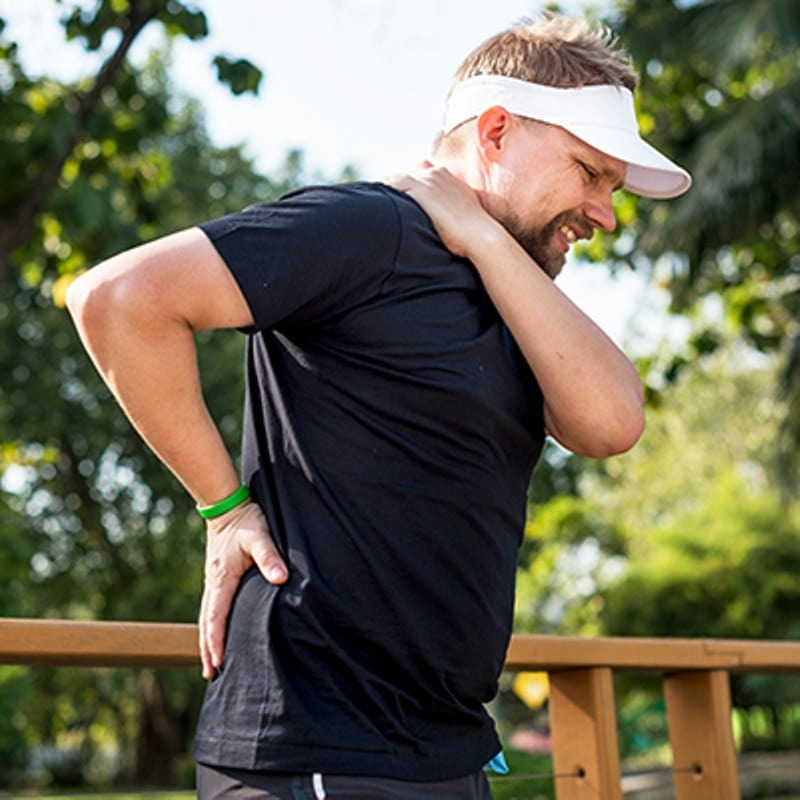

When dealing with a sports injury, it's important to recognize that recovery goes beyond just physical healing; it also involves building mental resilience. As a local chiropractor, I want to emphasize that chiropractic care can play a vital role in your journey back to peak performance. By offering natural healing techniques and holistic approaches, we can help you navigate not only the physical aspects of rehabilitation but also the emotional challenges that come with it.
Chiropractic care can assist in managing stress and anxiety related to your injury, promoting a more positive mindset as you heal. Through tailored treatments, we can address any physical discomfort while also supporting your mental well-being. Understanding how chiropractic care contributes to your overall recovery process can make a significant difference in your comeback. Let's explore how these methods can help you regain your strength and confidence.
Enhancing Mental Resilience
As a local chiropractor, I want to emphasize the importance of building mental resilience, especially for those of you recovering from sports injuries. It's common to face emotional challenges during your healing journey, and it's crucial to develop a strong mindset to help you navigate these ups and downs. Acknowledging your emotions—whether it's frustration, sadness, or anxiety—is an essential part of recovery. Remember, these feelings are normal and part of the healing process.
To enhance your mental resilience, I encourage you to set realistic goals for your recovery. Breaking your healing journey into smaller, attainable milestones can keep you motivated and give you a sense of accomplishment as you achieve each one. Celebrate these victories, no matter how minor they may seem, as they reinforce your progress and help maintain a positive outlook.
Building a supportive network is another vital component of your recovery. Surround yourself with friends, family, and teammates who uplift and encourage you. Their support can provide motivation and help you stay connected to the sport you love, reminding you that this setback doesn't define who you're as an athlete.
Incorporating visualization techniques can also be beneficial. Spend some time visualizing yourself back in action, performing at your peak. This mental rehearsal can boost your confidence and strengthen your commitment to recovery.
Additionally, I recommend practicing mindfulness and stress-reduction techniques, such as deep breathing exercises or meditation. These strategies can help you manage anxiety and maintain focus on your healing journey.
Developing Coping Strategies
As a local chiropractor, I want to emphasize the importance of developing effective coping strategies while recovering from a sports injury. It's crucial to support your emotional resilience during this time.
One way to do this is by incorporating mindfulness techniques into your daily routine. These practices can help you stay present and focused, reducing stress as you heal.
Additionally, practicing positive self-talk is vital. It can uplift your mindset and encourage a more optimistic outlook as you navigate your recovery journey.
Emotional Resilience Building
As a local chiropractor, I want to emphasize the importance of emotional resilience for athletes recovering from sports injuries. This aspect of healing is often overlooked, yet it plays a crucial role in overcoming the mental and emotional hurdles that accompany the recovery process.
Building emotional resilience involves cultivating effective coping strategies to manage setbacks and frustrations that may arise during your healing journey.
One key strategy I encourage is maintaining a positive mindset. It's important to focus on your progress, no matter how small, and to celebrate each milestone in your recovery. This shift in perspective can significantly enhance your motivation and commitment to rehabilitation.
In addition, surrounding yourself with a supportive network of friends, family, and teammates can provide valuable encouragement and understanding, making the recovery process feel less isolating.
Another vital component of resilience is learning to accept and process your emotions. It's completely normal to experience feelings of anger, sadness, or anxiety during recovery. Acknowledging these emotions, rather than suppressing them, allows you to navigate your challenges more constructively.
I often recommend journaling or speaking with a therapist to help you express and understand your emotions more effectively.
Lastly, setting realistic goals is essential for maintaining focus and a sense of purpose during your recovery. By breaking down your rehabilitation into achievable steps, you not only build confidence but also strengthen your emotional resilience as you progress.
Mindfulness Techniques Implementation
As your local chiropractor, I want to share how mindfulness techniques can significantly enhance your recovery from sports injuries. These practices offer valuable coping strategies to help manage pain and reduce stress, which are crucial elements in the healing process. By incorporating mindfulness into your routine, you can learn to stay present and alleviate the negative thoughts and feelings often associated with injuries.
One of the simplest yet most effective techniques is deep breathing. I encourage you to set aside a few minutes each day for this practice. Inhale deeply through your nose, hold your breath for a moment, and then exhale slowly through your mouth. This exercise helps to calm your nervous system and reduces anxiety, creating a more conducive environment for healing.
Another beneficial practice is the body scan. Find a comfortable position, preferably lying down, and mentally check in with each area of your body. Pay attention to any tension or discomfort, acknowledging these sensations without judgment. This practice enhances your body awareness, which is vital for recovery.
Additionally, visualization can be a powerful tool. Imagine yourself fully healed and engaged in your sport again. This positive imagery fosters hope and motivation, reinforcing your commitment to the recovery process.
Positive Self-Talk Strategies
As a local chiropractor dedicated to your well-being, I want to emphasize how positive self-talk strategies can significantly aid in your recovery from sports injuries. When you're faced with physical setbacks, the way you talk to yourself can either support your healing journey or hinder it. By consciously practicing positive self-talk, you can empower yourself with effective coping mechanisms.
Begin by recognizing any negative thoughts that may surface during your recovery. For instance, if you find yourself thinking, "I'll never return to my best performance," try to counter that with affirmations such as, "I am making progress every day." This simple shift can't only elevate your mood but also strengthen your dedication to the healing process.
Visualization is another powerful tool. I encourage you to picture yourself back in your sport, feeling strong and capable. This mental imagery can enhance your motivation and resilience, making the recovery process feel more attainable.
You might also want to create a personal mantra that resonates with you. Phrases like "I am resilient" or "Each day brings me closer to recovery" can be repeated during your healing journey.
Moreover, don't underestimate the power of a support network. Sharing your goals and positive affirmations with friends and family can amplify your self-talk, keeping you focused and encouraged throughout your recovery.
Reducing Anxiety and Stress
As a local chiropractor, I understand that recovering from a sports injury can bring about feelings of anxiety and stress, which may impede your healing process.
It's important to recognize that your mental well-being is closely tied to your physical recovery. By incorporating effective coping mechanisms and mindfulness techniques into your routine, you can better manage these emotions.
At our practice, we emphasize the importance of holistic care, which includes not just physical adjustments but also support for your mental health.
By focusing on both aspects, you can enhance your recovery and improve your overall performance.
If you're interested in learning more about how chiropractic care can help you navigate these challenges, I'm here to guide you on your journey to wellness.
Coping Mechanisms Development
Recovering from a sports injury can be a challenging experience, and it's common for athletes to feel a surge of anxiety and stress during this time. As a chiropractor, I want to emphasize the importance of developing effective coping mechanisms to manage these feelings naturally. Chiropractic care isn't just about physical adjustments; it also plays a vital role in your overall well-being and mental health during recovery.
Through our sessions, we can work together to identify the physical and emotional triggers related to your injury. Understanding how these factors impact your emotions and behavior is crucial in addressing anxiety and stress. This heightened awareness is the first step towards healing.
In addition to physical treatments, I can provide you with practical strategies to help you cope with the mental hurdles that may arise during your recovery. Techniques such as mindfulness and breathing exercises can complement your chiropractic care, allowing you to challenge negative thoughts and cultivate a more positive mindset. This mental shift can significantly alleviate feelings of helplessness and frustration.
Furthermore, I encourage you to consider participating in supportive group sessions, where you can connect with others who are facing similar challenges. Sharing experiences with fellow athletes creates a sense of community and fosters a supportive environment where we can exchange valuable coping strategies.
Ultimately, these holistic coping mechanisms—combined with chiropractic care—empower you to navigate the emotional landscape of recovery. Together, we can help you regain control and stay focused on your rehabilitation journey, ensuring a smoother transition back to your sport.
Mindfulness Techniques Implementation
As a local chiropractor, I want to share how integrating mindfulness techniques into your recovery routine can significantly help alleviate the anxiety and stress that often accompany sports injuries.
Focusing on the present moment allows you to shift your attention away from concerns about your injury and what the future may hold.
One effective approach is deep breathing exercises. I encourage you to inhale deeply through your nose, hold that breath for a few seconds, and then exhale slowly through your mouth. This simple yet powerful practice helps calm both your mind and body, creating a sense of peace that's essential for healing.
You might also find guided imagery beneficial. Take some time to visualize yourself fully healed, back in action, and performing at your best. This positive mental imagery not only lifts your spirits but also fosters a healthier mindset, which is crucial for recovery.
Another technique worth trying is progressive muscle relaxation. This involves tensing and then relaxing each muscle group in your body, starting from your toes and moving up to your head. By doing this, you can effectively release physical tension and promote overall relaxation, which aids in your healing process.
Lastly, I recommend incorporating daily meditation into your routine. Even just a few minutes each day spent sitting quietly, focusing on your breath, and allowing thoughts to come and go without judgment can enhance your mindfulness practice.
By adopting these mindfulness techniques, you'll find it much easier to manage anxiety and stress, paving the way for a smoother recovery journey.
As your chiropractor, I'm here to support you on this path to healing—both physically and mentally. Embracing these practices can help you feel more empowered and in control of your recovery.
Building Motivation and Focus
Building motivation and focus is vital for anyone recovering from injuries, especially athletes who are eager to return to their sport. As a chiropractor, I understand that this phase can be challenging, and it's common to feel discouraged. However, it's crucial to stay committed to your rehabilitation process and maintain a positive mindset. That's where chiropractic care can play an essential role in rekindling your drive.
In my practice, I often work with patients on goal-setting tailored specifically to their recovery needs. By breaking down the rehabilitation journey into smaller, achievable milestones, you can celebrate each success, which significantly boosts your motivation. I encourage my patients to visualize their goals—imagine yourself back in the game, feeling strong and confident. This mental imagery can reinforce your commitment and inspire you to persevere through tough days.
Additionally, focusing on the present moment can significantly improve your concentration. Techniques such as mindfulness, which can be introduced during your chiropractic sessions, help you stay engaged in your recovery. Instead of fixating on when you might return to your sport, concentrate on what you can control today—whether it's attending your chiropractic appointments, adhering to prescribed exercises, or following a healthy diet.
Moreover, surrounding yourself with supportive individuals can enhance your motivation. Sharing your recovery goals with teammates, friends, or family who understand the importance of your journey can provide the encouragement you need. Their support serves as a reminder that you're not alone in this process.
By incorporating these strategies, alongside regular chiropractic care, you'll build the motivation and focus necessary to navigate your recovery. This holistic approach will ultimately lead you back to the sport you love, equipped with renewed strength and determination.
Improving Communication Skills
As a chiropractor, I want to emphasize the importance of effective communication in your recovery journey from a sports injury. Clear communication with your healthcare providers, including myself, as well as your coaches and teammates, is essential to ensure that everyone is on the same page regarding your condition, needs, and recovery goals.
When you articulate your feelings and concerns, you're advocating for yourself and ensuring that you receive the right support throughout the healing process. In our sessions, I strive to create a comfortable environment where you can practice expressing your thoughts and experiences. Whether it's discussing pain levels, emotional challenges, or the progress of your recovery, being able to communicate effectively will boost your confidence in speaking up about your care and rehabilitation plans.
Moreover, fostering good communication skills helps build stronger relationships with those around you. By being open about your needs, your coaches and teammates can adjust their expectations and provide the necessary support. This collaborative approach not only enhances your recovery but also strengthens the camaraderie within your team.
In our chiropractic sessions, we also focus on developing active listening skills. By truly hearing what others are saying, you can gain a better understanding of their perspectives, which is crucial during your rehabilitation. This understanding allows us to tailor your recovery approach to better suit your individual needs and creates a more supportive healing environment.
Investing time in improving your communication skills can significantly influence your recovery. By taking an active role in your healing process, you're setting yourself up for a smoother recovery and a successful return to your sport.
Fostering a Positive Mindset
A positive mindset can significantly enhance your recovery from a sports injury, and as your local chiropractor, I want to help you understand how this approach can complement your healing journey.
When you're navigating the challenges of recovery, maintaining an optimistic outlook can greatly impact your progress. Chiropractic care plays a vital role in fostering this mindset by encouraging you to focus on what you can control and envisioning a healthier, more active future.
Here are some ways chiropractic care and support can help you cultivate a positive mindset during your recovery:
- Set realistic goals: Together, we can break down your recovery into achievable milestones. By setting and reaching these small goals, you'll build your confidence and motivation, making the healing process feel more manageable.
- Practice positive self-talk: Chiropractic care encourages holistic healing, which includes mental well-being. I can guide you in replacing negative thoughts with constructive affirmations, helping you to develop a resilient outlook as you work through your recovery.
- Visualize success: I often suggest visualization techniques that allow you to picture yourself fully recovered and performing at your best. This mental exercise not only inspires hope but also reinforces your commitment to the healing process.
By embracing a positive mindset and integrating chiropractic care into your recovery plan, you can achieve a healthier, more vibrant future.
Let's work together to ensure you're on the best path to recovery!
Supporting Emotional Well-being
As a local chiropractor, I want to emphasize the importance of addressing your emotional well-being during your recovery from a sports injury. The road to healing can be challenging, and it's completely normal to experience a variety of emotions, such as frustration and anxiety. One effective way to navigate these feelings is through therapy, which can equip you with the necessary tools to manage your emotional health.
Therapy provides a supportive environment where you can freely express your thoughts and emotions without fear of judgment. It's an opportunity to discuss your concerns about recovery, performance, and your identity as an athlete. A skilled therapist can guide you in reframing negative thoughts and developing coping strategies that can significantly enhance your outlook on recovery.
In addition to therapy, chiropractic care can also play a vital role in your emotional healing process. By focusing on your physical alignment and overall wellness, we can help reduce stress and tension in your body, which often contributes to emotional distress. Techniques such as spinal adjustments can promote relaxation and a sense of well-being, further supporting your emotional health.
Moreover, building a support system is essential during this time. Engaging with a therapist or counselor can complement the care you receive from us by providing additional emotional support. Sharing your experiences with someone who understands your journey can help lighten your emotional burden and make your recovery feel less isolating.
Incorporating both therapy and chiropractic care into your recovery plan can significantly enhance your emotional resilience. Together, we can work towards helping you emerge from your injury not just physically stronger, but mentally fortified as well.
Your journey to recovery is important, and we're here to support you every step of the way.
Conclusion
As a local chiropractor, I want to emphasize the significant role that therapy can play in your recovery from a sports injury. Integrating therapeutic techniques into your recovery plan can greatly enhance your mental resilience and overall well-being. By developing effective coping strategies and managing anxiety, you pave the way for a successful rehabilitation.
Therapy can reignite your motivation and sharpen your focus, while also improving your communication skills—essential for expressing your needs during recovery. Most importantly, it nurtures a positive mindset, which is crucial as you heal both physically and emotionally. By prioritizing your emotional health, you empower yourself to come back stronger and more prepared for any challenges that lie ahead in your athletic pursuits.
I encourage you to consider therapy as a vital resource on your journey to recovery. Together with chiropractic care, it can help you achieve a holistic approach to healing that supports not just your physical recovery, but your mental and emotional health as well.