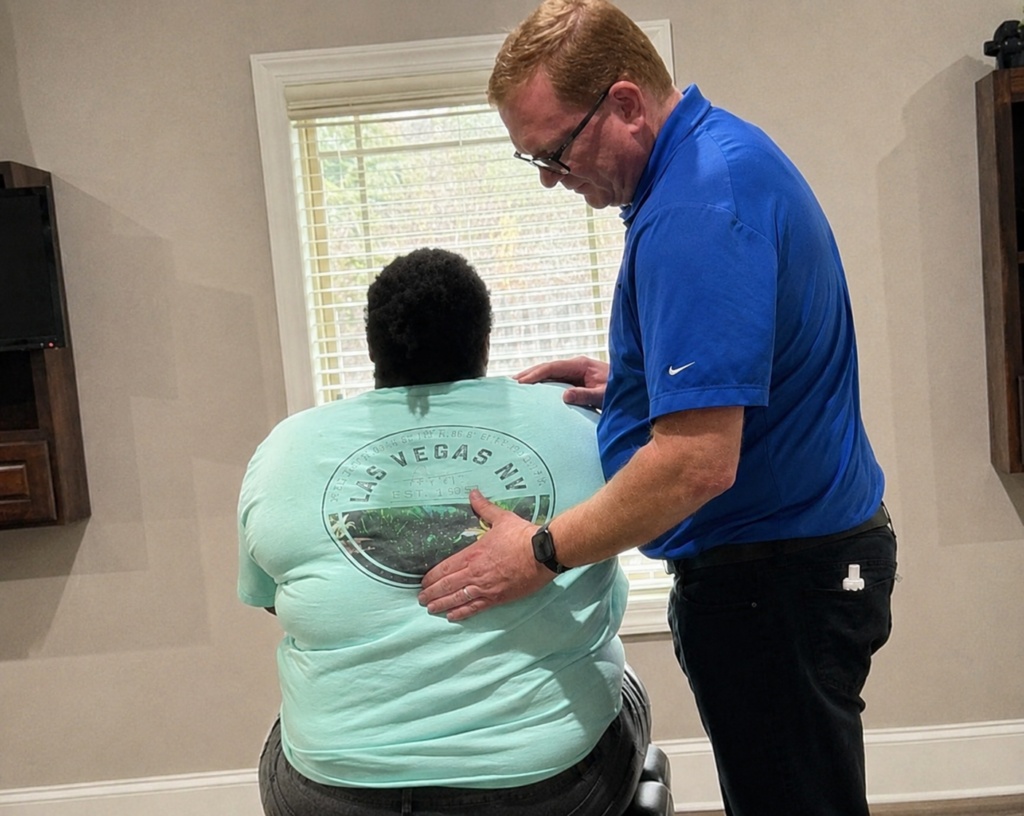

If you're looking to boost your flexibility, understanding the right techniques is essential. You'll find that incorporating both dynamic and static stretching into your routine can yield impressive results. Dynamic stretches warm up your muscles and prepare them for action, while static stretches help increase flexibility and promote relaxation afterwards. But knowing how to balance these methods and target major muscle groups effectively can make all the difference. Curious about how to seamlessly integrate these practices into your lifestyle for ideal benefits?
Understanding Flexibility
Flexibility isn't just about being able to touch your toes; it's a fundamental aspect of overall fitness and well-being. Understanding flexibility involves recognizing how your muscles, tendons, and joints work together to allow movement. When you think of flexibility, consider it as your body's ability to move through its full range of motion. This range can differ markedly from person to person and is influenced by factors like genetics, age, and activity level.
You might be surprised to learn that flexibility isn't solely about stretching. It also involves the nervous system, which helps regulate muscle tension and movement. When you stretch, you're not just elongating muscles; you're also communicating with your nervous system to improve coordination and control. This interplay is essential for enhancing performance in various physical activities.
Moreover, flexibility is critical for injury prevention. When your muscles and joints are more flexible, they're less likely to suffer strains or sprains during physical activities. It's essential to recognize that flexibility doesn't only benefit athletes; it can enhance daily movements too. Simple tasks like bending down to pick something up or reaching for an item on a shelf can become easier when you have a good level of flexibility.
To improve your understanding of flexibility, consider how it applies to your own body. Pay attention to areas where you feel tightness or discomfort. Identifying these areas can guide you in developing a routine that targets your specific needs.
Benefits of Increased Flexibility
Incorporating increased flexibility into your routine can lead to a multitude of benefits that enhance both your physical performance and daily life.
First and foremost, improved flexibility can greatly reduce your risk of injuries. When your muscles and joints are more flexible, they can handle stress better, which means less strain during activities. This is particularly beneficial if you engage in sports or high-intensity workouts, as it allows you to move more freely and efficiently.
You'll also notice that increased flexibility can enhance your overall athletic performance. Whether you're running, swimming, or practicing yoga, better range of motion helps you execute movements with greater ease and power. As a result, you might find yourself achieving personal records or mastering challenging techniques more quickly.
Beyond the physical aspects, improved flexibility can positively impact your mental well-being. Engaging in stretching and flexibility exercises can promote relaxation and reduce stress levels. You'll often find that taking time to stretch provides a mental break, allowing you to clear your mind and refocus.
Additionally, increased flexibility contributes to better posture. As you strengthen your muscles and improve your alignment, you might experience less back and neck pain, making your day-to-day activities more comfortable.
Dynamic Stretching Techniques
Dynamic stretching techniques are an effective way to warm up your muscles and increase your range of motion before physical activity. Unlike static stretches, dynamic stretches involve movement and help prepare your body for the demands of exercise. By incorporating these techniques, you'll not only enhance your flexibility but also improve your overall performance.
Start with leg swings. Stand next to a wall or support, and swing one leg forward and backward in a controlled manner. This motion warms up your hip joints and strengthens your legs. Aim for 10-15 swings on each leg.
Next, try arm circles. Extend your arms out to the sides and make small circles, gradually increasing the size. Do this for about 30 seconds, then switch directions. This exercise loosens your shoulders and prepares your upper body for activity.
Another great dynamic stretch is the walking lunge. Step forward with one leg, bending both knees to lower your hips. Push off your front foot and switch legs, repeating the motion for 10-12 lunges on each side. This not only stretches your hip flexors but also engages your core and legs.
Finally, incorporate high knees. Jog in place while lifting your knees towards your chest. This exercise elevates your heart rate and gets your blood flowing, making it an excellent warm-up.
Integrate these dynamic stretching techniques into your routine, and you'll notice a significant improvement in your flexibility and readiness for any physical activity.
Static Stretching Practices
Static stretching is an essential part of any flexibility routine that offers numerous benefits, like improved range of motion and reduced muscle tension.
To get the most out of your stretches, it's important to follow best practices and be aware of common mistakes.
Let's explore how you can enhance your static stretching for better results.
Key Static Stretching Benefits
Many people underestimate the powerful benefits of static stretching, which can greatly enhance your flexibility and overall physical performance.
First and foremost, static stretching helps improve your range of motion. By holding stretches, you encourage your muscles and joints to loosen up, making it easier for you to perform various physical activities.
Additionally, static stretching can aid in injury prevention. By regularly incorporating these stretches into your routine, you're less likely to experience strains or sprains. This is especially true for athletes or those who engage in rigorous workouts.
Another significant benefit is the relaxation effect that static stretching provides. It helps reduce muscle tension and promotes a sense of calm, which can be particularly helpful after a long day or an intense workout session.
Moreover, static stretching can improve your posture. Tight muscles can lead to poor alignment, but by stretching those areas, you can encourage better posture and alignment, which can enhance your overall appearance and reduce discomfort.
In short, integrating static stretching into your routine can bring about essential physical benefits, making you feel more agile and resilient in your daily activities.
Best Practices for Stretching
Incorporating static stretching into your routine is only half the battle; knowing how to do it effectively is just as important.
To maximize your flexibility gains, focus on these best practices:
- Hold each stretch for at least 15-30 seconds: This duration allows your muscles to relax and lengthen, enhancing overall flexibility.
- Breathe deeply and steadily: Inhale and exhale slowly during each stretch. This not only helps you relax but also allows your muscles to release tension.
- Avoid bouncing or jerking movements: Keep your movements smooth and controlled. Bouncing can lead to injury and counteract the benefits of stretching.
Common Mistakes to Avoid
When it comes to static stretching, avoiding common pitfalls can make a significant difference in your progress. One major mistake is rushing through your stretches. Take your time, and hold each position for at least 15-30 seconds to allow your muscles to relax and elongate.
Another error isn't breathing properly. Holding your breath can create tension in your body, so focus on deep, steady breaths to help you relax into each stretch.
You might also be tempted to push yourself too hard, thinking it'll yield better results. This can lead to injuries. Instead, stretch to a point of mild discomfort, but never pain.
Additionally, don't forget to warm up before static stretching. Cold muscles are less pliable, increasing your risk of strain.
Lastly, avoid neglecting specific muscle groups. Aim for a balanced stretching routine that targets all major areas, so you develop overall flexibility.
Incorporating Yoga and Pilates
Yoga and Pilates are powerful tools that can enhance your flexibility and overall body awareness. By incorporating these practices into your routine, you'll not only improve your ability to stretch but also develop a deeper connection to your body.
Both disciplines emphasize controlled movements, breathing techniques, and mindfulness, which can greatly benefit your flexibility journey.
Imagine stepping onto your mat, feeling the soft texture beneath your feet as you prepare to engage with your body. You could be:
- Flowing through sun salutations, feeling your spine lengthen and your muscles warm up with each movement.
- Shifting into a deep, calming forward bend, where you can almost hear your breath harmonizing with the rhythm of your heart.
- Strengthening your core in a Pilates bridge, lifting your hips while discovering new angles of flexibility in your lower back and hamstrings.
To get started, set aside dedicated time each week for yoga and Pilates sessions. You don't need to be an expert; even beginner classes can work wonders for your flexibility.
Focus on your breathing and listen to your body, allowing it to guide you through poses and exercises. You'll start to notice improvements in your range of motion, making everyday tasks feel easier and more enjoyable.
Incorporating yoga and Pilates into your routine doesn't have to be overwhelming. When you commit to these practices, you'll reveal new levels of flexibility and body awareness, paving the way for a healthier, more balanced life.
Tips for Consistency
Consistency is key to reaping the benefits of flexibility training. To truly enhance your flexibility, you'll need to make stretching a regular part of your routine. Start by setting specific goals—whether it's to touch your toes or perform a split—and track your progress. This way, you'll stay motivated and see how far you've come.
Next, create a schedule that fits your lifestyle. Aim for at least three to four sessions a week. It doesn't have to be long; even 15-30 minutes can make a significant difference if done consistently. Choose the time of day when you feel most energized to stretch, whether it's in the morning, during lunch, or before bed.
Incorporating variety can also help maintain your interest. Mix up your routine with different stretches, yoga poses, or Pilates exercises. Try new classes or follow online tutorials to keep things fresh and exciting.
Additionally, consider finding a stretching buddy. Working out with someone else won't only hold you accountable but also make the experience more enjoyable.
Lastly, listen to your body. It's important to push your limits, but don't ignore signs of discomfort or pain. Give yourself rest days to recover and avoid burnout.
Conclusion
Boosting your flexibility is all about incorporating the right techniques into your routine. By embracing dynamic stretches before workouts and static stretches afterward, you'll enhance your range of motion and promote relaxation. Don't forget to explore yoga and Pilates for additional benefits! Stay consistent with your practice, aiming for 3-4 sessions a week, and you'll see improvements in your flexibility and overall performance. So, get started today and enjoy the journey to a more flexible you!