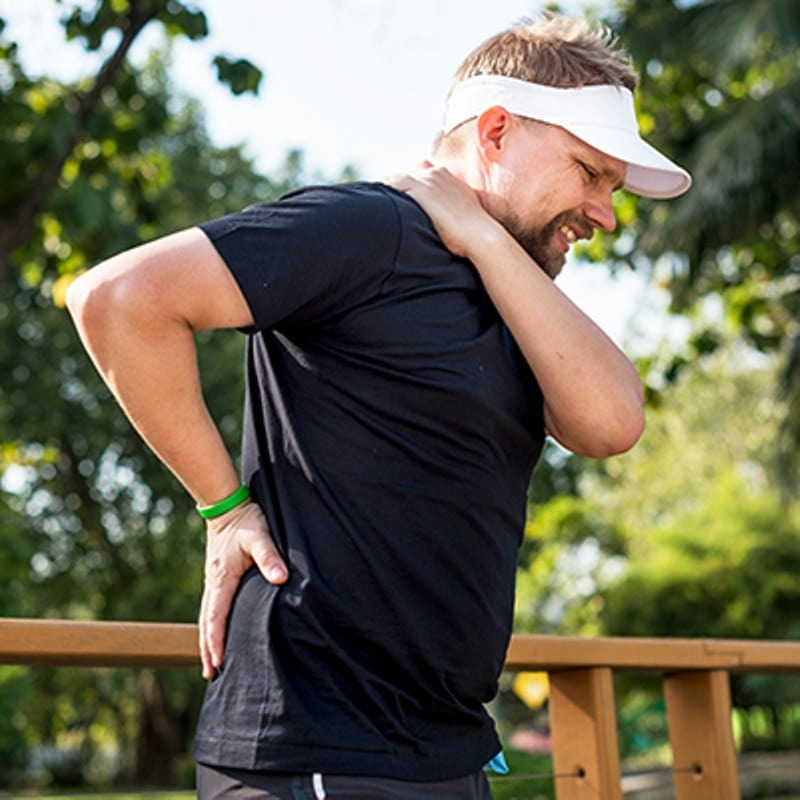

When dealing with a sports injury, you need effective treatments that provide real relief. You'll find that a blend of rest, ice therapy, and rehabilitation exercises can greatly aid recovery. But pain management often requires more than just basic care; techniques like compression and alternative therapies can play a pivotal role too. As you explore the options available, you may discover that some methods are more beneficial than others, especially when traditional approaches fall short. What if a lesser-known treatment could change your recovery game entirely?
Rest and Recovery
Rest and recovery are essential for healing from sports injuries, and they can greatly impact your overall performance. When you push your body too hard after an injury, you risk prolonging your recovery and possibly causing further damage. It's vital to listen to what your body's telling you. If you feel pain or discomfort, take a step back and allow yourself the time you need to heal.
Incorporating rest into your routine isn't just about doing nothing; it's about giving your muscles and joints the chance to repair. Prioritize sleep, as it's during this time that your body regenerates and replenishes energy. Aim for 7-9 hours of quality sleep each night. This will help enhance your recovery and keep your immune system strong.
You should also consider active recovery. Gentle activities like walking, stretching, or yoga can promote blood flow and help you maintain some level of fitness without straining your injury. These activities keep your body engaged and can speed up the healing process.
Stay hydrated and maintain a balanced diet filled with nutrients that support recovery. Foods rich in protein, vitamins, and minerals will provide your body with the building blocks it needs to heal.
Finally, don't hesitate to consult a medical professional for guidance. They can help tailor a recovery plan specific to your injury, ensuring you regain strength and avoid setbacks.
Ice Therapy
Ice therapy is a powerful tool for managing sports injuries, helping to reduce swelling and numb pain.
You'll want to learn the best application techniques to maximize its benefits.
Let's explore how you can effectively use ice therapy to accelerate your recovery.
Benefits of Ice Therapy
When dealing with sports injuries, ice therapy offers a powerful and immediate way to reduce pain and inflammation. Applying ice to your injury constricts blood vessels, which minimizes swelling and numbs the area, providing quick relief. This is particularly beneficial right after an injury occurs, as it helps prevent further damage.
Another significant benefit of ice therapy is its ability to decrease muscle spasms. By cooling the affected area, you can relax tense muscles and reduce the risk of prolonged discomfort. Additionally, ice can enhance your recovery time, allowing you to return to your favorite activities sooner.
You'll also appreciate that ice therapy is easy to implement. Whether you use ice packs, frozen vegetables, or specialized cold compresses, it's a practical solution you can do at home.
Plus, it's a cost-effective treatment option that doesn't require a prescription or medical intervention.
Ultimately, incorporating ice therapy into your recovery routine can provide substantial relief and support your healing process. Just remember to monitor your skin and avoid applying ice directly to it, ensuring you maximize the benefits while minimizing any risks.
Application Techniques Explained
To get the most out of ice therapy, you need to apply it correctly. Start by gathering your supplies: ice packs, a towel, or frozen peas in a plastic bag.
Avoid applying ice directly to your skin, as this can cause frostbite. Instead, wrap the ice pack in a towel or use a cloth barrier to protect your skin.
Position the ice pack on the injured area for about 15 to 20 minutes. Make sure to elevate the injured limb if possible, as this can enhance the treatment's effectiveness. If you feel any discomfort, remove the ice immediately to prevent skin damage.
You can repeat this process every hour, especially in the first 48 hours following the injury.
After the first 48 hours, you may want to alternate between ice and heat, depending on how your body responds.
Compression Techniques
Compression techniques play an important role in managing sports injuries, as they help reduce swelling and provide support to affected areas. When you experience an injury, applying compression can greatly assist in your recovery process. It works by increasing pressure on the injured site, helping to limit the amount of swelling and inflammation that occurs.
You can use various compression methods, such as elastic bandages, compression sleeves, or wraps. Each option offers different levels of support, so it's vital to choose one that suits your specific injury. For instance, an elastic bandage is versatile and can be adjusted according to the level of compression you need. Just remember, you don't want to wrap it too tightly, as that could restrict blood flow.
When applying compression, start from the farthest point from your heart and work your way toward it. This technique encourages proper circulation and lymphatic drainage, promoting healing. Keep the compression on for 20-30 minutes at a time, allowing breaks in between for circulation to return to normal.
Don't forget to monitor your skin for any signs of excessive pressure, like numbness or discoloration. If you notice any of these symptoms, loosen the wrap immediately.
Incorporating compression techniques into your injury management routine can lead to better outcomes and faster recovery. Always consult with a healthcare professional if you're uncertain about the best approach for your specific injury.
Elevation Methods
Elevating an injured limb can greatly aid in reducing swelling and promoting healing. When you elevate the injured area, you help decrease blood flow and fluid accumulation, which can lead to less swelling and pain. This method is particularly effective within the first 48 hours after an injury, as it minimizes inflammation and supports recovery.
To elevate your limb, find a comfortable position that allows the injured area to be raised above your heart. You can use pillows or cushions to prop it up, ensuring that you're not straining any other part of your body in the process. Ideally, you should keep the injured limb elevated for at least 20-30 minutes every hour when possible. This consistent elevation can greatly contribute to your healing process.
If your injury involves a joint or muscle, consider incorporating gentle movements while elevated to promote circulation without causing additional strain. However, be cautious not to overexert yourself, as rest is equally important during recovery.
It's also essential to monitor how your body responds. If you experience increased pain or discomfort while elevating the limb, adjust your position or duration.
Remember to combine elevation with other treatments like ice application and compression for best results. By taking these simple steps, you're giving your body the best chance to heal effectively. So, don't underestimate the power of elevation in your injury recovery plan.
Physical Therapy
When you're recovering from a sports injury, physical therapy is essential for your rehabilitation.
You'll benefit from personalized programs tailored to your specific needs, helping you regain strength and mobility.
Plus, effective pain management techniques can make your recovery process much smoother.
Personalized Rehabilitation Programs
Injuries can be unpredictable, often hindering your performance and daily activities. That's where personalized rehabilitation programs come into play. These tailored plans are designed specifically for you, taking into account your unique injury, physical condition, and personal goals.
When you work with a physical therapist, they'll assess your situation and create a program focused on your needs. This may include targeted exercises to strengthen the injured area, improve flexibility, and restore range of motion.
You'll also receive education on proper techniques to prevent future injuries and enhance your overall performance. Your therapist will monitor your progress closely, adjusting your program as needed to guarantee you're on the right path to recovery.
This ongoing feedback helps keep you motivated and engaged, making the rehabilitation process more effective.
Pain Management Techniques
Managing pain effectively is essential for anyone recovering from a sports injury, and physical therapy offers a variety of techniques to help you find relief. By working with a skilled therapist, you can explore methods tailored to your specific needs.
Here are some common pain management techniques you might encounter:
- Manual Therapy: This hands-on approach focuses on manipulating soft tissues and joints to reduce pain and improve mobility.
- Exercise Therapy: Targeted exercises strengthen muscles and enhance flexibility, helping to alleviate pain while promoting healing.
- Modalities: Techniques like heat, ice, ultrasound, and electrical stimulation can provide immediate relief and support the healing process.
These methods not only address your pain but also improve your overall function.
Your physical therapist will guide you through each technique, ensuring you're comfortable and making progress.
Remember, consistency is key; regularly attending your sessions and following your therapist's recommendations can greatly speed up your recovery.
Embrace these pain management strategies, and you'll be on your way to returning to your favorite activities sooner.
Pain Relief Medications
Pain relief medications are essential for athletes recovering from sports injuries, helping you regain mobility and comfort. When dealing with pain, you have several options, ranging from over-the-counter (OTC) medications to prescription drugs, depending on the severity of your injury.
Nonsteroidal anti-inflammatory drugs (NSAIDs) like ibuprofen and naproxen are popular choices. They work by reducing inflammation and alleviating pain, making them effective for acute injuries. You can easily find these medications at your local pharmacy, and they're generally safe when used as directed.
However, it's important to follow the recommended dosage and consult a healthcare professional if you have any underlying conditions.
Acetaminophen is another OTC option that can provide pain relief without the anti-inflammatory effects. It's often suitable for those who can't take NSAIDs due to gastrointestinal issues. However, be cautious not to exceed the maximum daily limit, as it can lead to liver damage.
For more severe pain, your doctor might prescribe stronger medications like opioids. While these can be effective in managing pain, they come with higher risks of dependency and side effects, so they should be used only under close supervision.
Ultimately, while pain relief medications can help you manage discomfort, they're most effective when combined with other treatments like physical therapy or rest.
Always consult your healthcare provider to determine the best approach for your specific sports injury and recovery plan.
Alternative Therapies
While pain relief medications are often the first line of defense for sports injuries, many athletes seek alternative therapies to complement their recovery.
These therapies can help reduce pain, promote healing, and enhance overall well-being. By integrating alternative options into your treatment plan, you can address the physical and mental aspects of your injury.
Here are three popular alternative therapies you might consider:
- Acupuncture: This ancient Chinese practice involves inserting thin needles into specific points on the body. Studies show that it can effectively reduce pain and inflammation, making it a great option for sports injuries.
- Massage Therapy: Targeted massage can relieve muscle tension and improve circulation. A skilled therapist can work on the injured area, helping to alleviate pain and promote faster recovery.
- Chiropractic Care: Chiropractors focus on aligning the spine and joints, which can enhance your body's natural healing abilities. Regular adjustments may help restore mobility and reduce discomfort.
Surgical Options
When conservative treatments fail to provide relief for sports injuries, surgical options may become necessary. You might face a situation where swelling, pain, or impaired function persists despite rest, physical therapy, and medication. In these cases, consulting with an orthopedic surgeon can help you determine if surgery is the right path for you.
Common surgical options include arthroscopy, ligament reconstruction, and joint replacement. Arthroscopy is a minimally invasive procedure where a small camera is inserted into the joint, allowing the surgeon to diagnose and treat issues like torn cartilage without a large incision.
If you have a considerable ligament tear, such as an ACL injury, ligament reconstruction may be required. This involves replacing the damaged ligament with a graft, often taken from your own body or a donor.
In more severe cases, particularly with degenerative joint conditions, joint replacement surgery may be necessary. This procedure involves removing damaged joint surfaces and replacing them with artificial components, greatly improving your mobility and quality of life.
Before proceeding with any surgical option, it's crucial to weigh the risks and benefits carefully. Discuss your goals, the expected recovery time, and any potential complications with your surgeon.
Rehabilitation Exercises
Rehabilitation exercises are essential for a successful recovery after a sports injury, helping you regain strength, flexibility, and functionality. These exercises are tailored to your specific injury and should be performed under the guidance of a healthcare professional or physical therapist.
By committing to a rehabilitation program, you can guarantee a smoother shift back to your sport.
Here are three key components of effective rehabilitation exercises:
- Strengthening: Focus on building the muscles around the injured area to provide better support and prevent future injuries. This might include resistance training or body-weight exercises designed for your specific needs.
- Flexibility: Stretching exercises improve the range of motion in your joints and muscles, which is critical for overall athletic performance. Incorporate dynamic stretches and static stretches into your routine to enhance flexibility.
- Balance and Coordination: Exercises that promote balance and coordination are essential, especially if your injury has affected your stability. Activities like single-leg stands or balance board exercises can help you regain your footing.
Consistency is key when it comes to rehabilitation. Set realistic goals for your progress and celebrate small victories along the way.
Remember, the road to recovery may not always be smooth, but with dedication to your rehabilitation exercises, you'll be well on your way to returning to the sport you love.
Don't rush the process; patience and persistence will pay off in the end.
Conclusion
Injuries can be frustrating, but by combining rest, ice therapy, compression, and elevation, you can kickstart your recovery. Don't underestimate the power of physical therapy and pain relief medications to help you regain strength and mobility. Exploring alternative therapies may also provide additional benefits. If conservative treatments aren't doing the trick, surgical options are available. Remember, staying proactive about your recovery will get you back in the game faster and stronger than ever!