
When you face a sports injury, it's essential to understand the range of treatment options available to you. From conservative methods like rest and ice to more advanced therapies, each option plays a role in your recovery. You might find that a tailored approach, involving healthcare professionals, can greatly enhance your healing process. However, the right path isn't always clear-cut, and understanding when to escalate treatment can make all the difference in your return to the field. What strategies should you consider to guarantee a safe and effective comeback?
Common Types of Sports Injuries
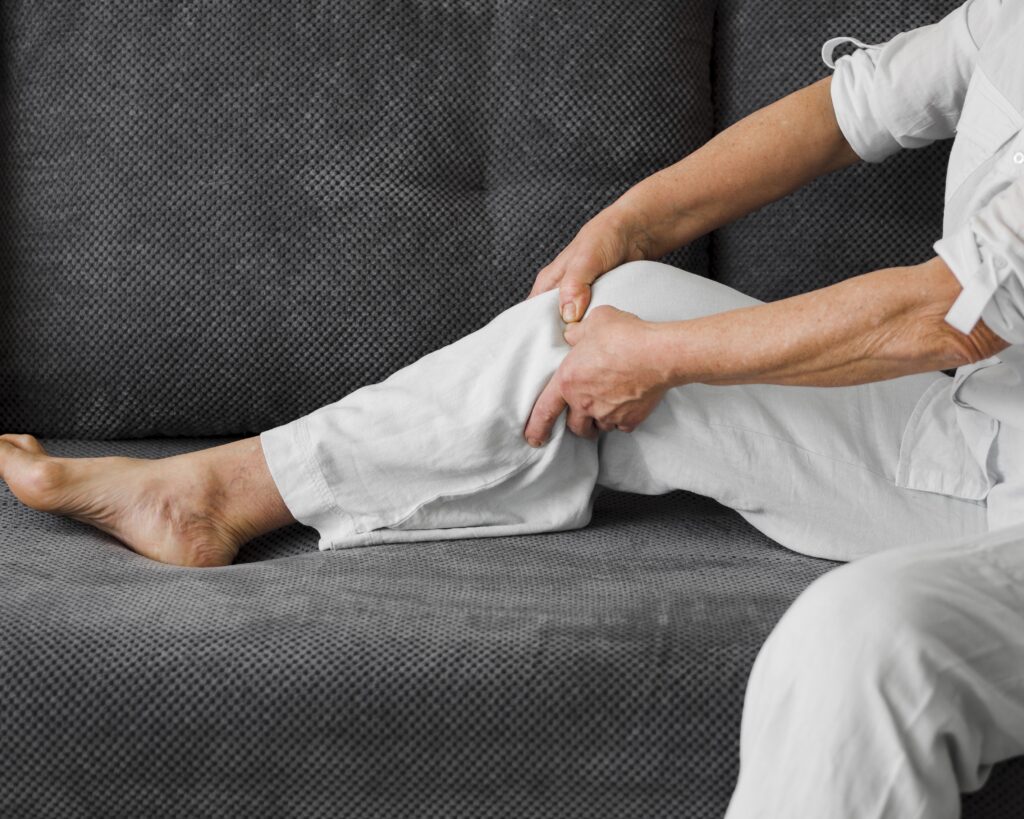
Sports injuries are a common concern for athletes of all levels, and they can vary widely in severity and type. You might experience acute injuries, which occur suddenly during activity, or chronic injuries, which develop gradually over time. Understanding the common types of sports injuries can help you prevent them and respond effectively when they occur.
One of the most frequent injuries is a sprain, particularly in the ankle or knee. This happens when ligaments are stretched or torn, often due to awkward movements or falls.
You may also encounter strains, which affect muscles or tendons. These usually result from overstretching or excessive force, leading to pain and swelling.
Fractures are another serious concern, often resulting from high-impact collisions or falls. These can range from hairline cracks to complete breaks, requiring immediate medical attention.
Dislocations, where bones are forced out of their normal positions, can be quite painful and may occur in joints like the shoulder or fingers.
Tendinitis, an inflammation of the tendons, commonly affects the elbows, knees, or shoulders. This often develops from repetitive motions, so if you're an athlete specializing in a specific sport, you might be at higher risk.
Bursitis, which is the inflammation of the fluid-filled sacs that cushion joints, can also occur due to repetitive impact or excessive pressure.
Recognizing these common injuries can empower you to take preventive measures and seek timely treatment when needed.
Initial Assessment and Diagnosis
When you experience a sports injury, your first step should be a thorough initial assessment to determine the extent of the damage. Start by evaluating your symptoms. Do you feel pain, swelling, or instability in the affected area? Take note of any bruising or limited range of motion, as these can provide essential clues about the injury's severity.
Next, consider how the injury occurred. Was it a sudden impact, or did you feel a gradual onset of pain? Understanding the mechanism of injury helps healthcare professionals pinpoint the problem accurately. If possible, try to recall the exact moment you felt the injury. This information can be critical for diagnosis.
Once you've assessed your symptoms and the circumstances surrounding the injury, it's time to seek professional help. A healthcare provider will perform a physical examination, checking for tenderness, swelling, and mobility. They might also ask you to perform specific movements to identify painful areas.
In some cases, imaging tests like X-rays or MRIs may be necessary to rule out fractures or tears. These diagnostic tools provide a clearer picture of the injury and help determine the best course of action.
Conservative Treatment Options
When you've sustained a sports injury, conservative treatment options are often your first line of defense.
You can start with rest and recovery techniques, along with ice and compression methods, to reduce pain and swelling.
Physical therapy approaches can also play an essential role in your rehabilitation, helping you regain strength and mobility.
Rest and Recovery Techniques
Resting your body after a sports injury is essential for effective recovery and long-term performance. When you experience an injury, your body needs time to heal, and pushing through the pain can lead to further damage.
Take a break from your usual training routines, and listen to your body's signals. Incorporate rest days into your schedule, allowing your muscles and joints to recover. Aim for quality sleep, as it's during this time that your body repairs itself.
If you're dealing with a specific injury, consider adjusting your daily activities to minimize strain on the affected area. Active rest can also be beneficial. Engage in low-impact activities like walking or gentle stretching to maintain circulation without overexerting yourself. This keeps your body moving while promoting healing.
You might also find it helpful to set realistic goals for your return to sports. Focus on gradual progress rather than rushing back into full activity.
Ice and Compression Methods
Applying ice and compression to an injured area can greatly reduce swelling and alleviate pain, making these methods essential in the early stages of recovery. When you experience a sports injury, your first step should be to ice the affected area for about 15 to 20 minutes every hour. This helps constrict blood vessels, reducing inflammation and numbing the area to ease pain.
Remember to wrap the ice pack in a towel to protect your skin from frostbite.
After icing, applying compression with an elastic bandage can further minimize swelling. Wrap the bandage snugly but not so tight that it restricts blood flow. You should be able to wiggle your toes or fingers comfortably. Compression not only helps reduce swelling but also provides support to the injured area.
Don't forget to elevate the injured limb above heart level whenever possible. This position assists in draining excess fluid and reduces swelling.
Physical Therapy Approaches
Physical therapy approaches play an essential role in the recovery process for sports injuries, offering conservative treatment options that can help restore mobility and strength. When you engage with a physical therapist, they'll assess your injury and develop a tailored treatment plan that suits your needs.
One key element of physical therapy is exercise rehabilitation. You'll likely perform specific exercises designed to improve strength, flexibility, and stability in the affected area. These exercises not only promote healing but also help prevent future injuries.
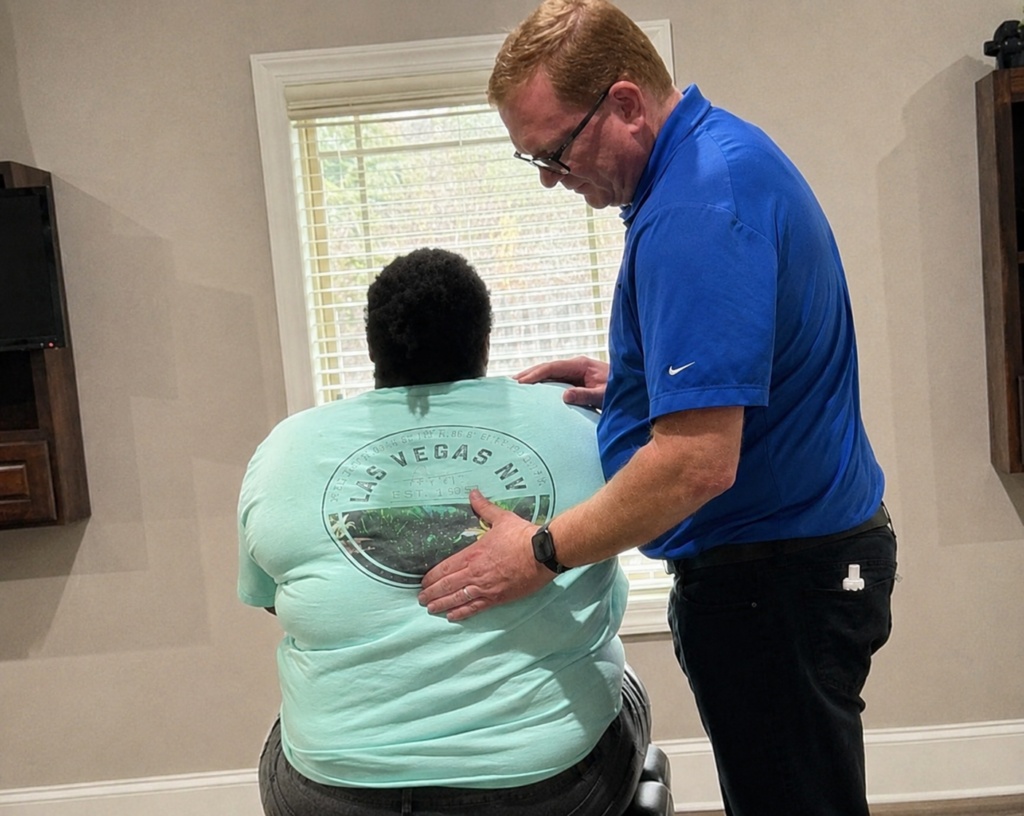
Manual therapy techniques, such as joint mobilization and soft tissue manipulation, may also be employed. These hands-on approaches can alleviate pain, enhance circulation, and improve range of motion.
Additionally, modalities like ultrasound and electrical stimulation might be integrated into your treatment. These tools can further reduce pain and inflammation, speeding up your recovery.
Your commitment to the prescribed therapy is vital. By following through with your physical therapy program, you'll increase your chances of returning to your sport stronger and more resilient than before.
Physical Therapy Techniques
When dealing with sports injuries, effective physical therapy techniques can greatly enhance recovery and restore function. These techniques aim to alleviate pain, improve mobility, and strengthen the affected area, helping you get back to your favorite activities.
Here are some common physical therapy techniques you might encounter:
- Manual Therapy: This hands-on approach involves the therapist using their hands to manipulate muscles and joints. It can help reduce stiffness and improve circulation, making it easier for you to move.
- Therapeutic Exercises: These are specific exercises designed to strengthen weak muscles, increase flexibility, and enhance overall function. Your therapist will tailor these exercises to your individual needs, ensuring a safe progression through your recovery.
- Modalities: This includes techniques like ultrasound, electrical stimulation, or ice and heat therapy. These modalities can help reduce pain and inflammation, making your rehabilitation process more comfortable.
- Functional Training: This focuses on restoring your ability to perform daily activities or specific sports-related tasks. Your therapist will guide you through movements that mimic your sport, helping you regain confidence and functional capacity.
Surgical Interventions
When conservative treatments aren't enough, surgical interventions might be necessary for your sports injury.
You'll explore various types of procedures designed to restore function, as well as the recovery and rehabilitation process that follows.
However, it's crucial to understand the potential risks and complications involved before making a decision.
Types of Surgical Procedures
Surgical interventions for sports injuries encompass a variety of procedures tailored to address specific conditions and restore functionality.
Understanding these types can help you make informed decisions about your treatment options. Here are four common surgical procedures you might encounter:
- Arthroscopy: This minimally invasive technique uses small incisions and a camera to diagnose and repair joint issues, such as torn cartilage or ligaments.
- Open Surgery: For more complex injuries, open surgery may be necessary. Surgeons make larger incisions to access the injured area directly, allowing for extensive repairs.
- Tendon Repair: If you've suffered a severe tendon injury, this procedure reattaches the tendon to the bone, often ensuring better recovery and functionality.
- Joint Replacement: In cases of severe joint damage, replacing the entire joint with a prosthetic can relieve pain and restore mobility, especially in knees and hips.
Choosing the right surgical procedure depends on your specific injury and goals.
Always consult with a qualified orthopedic specialist to discuss the best option for you.
Recovery and Rehabilitation Process
Recovering from surgery for a sports injury typically involves a structured rehabilitation process that's vital for regaining strength and mobility. Right after your surgery, your medical team will guide you on the best practices for initial recovery, which may include rest, ice, and elevation.
As you begin to heal, your doctor might recommend physical therapy to help restore function. During rehabilitation, you'll engage in exercises tailored to your specific injury. These exercises might focus on improving range of motion, strengthening muscles, and enhancing stability.
Staying committed to your rehab program is essential; it'll help prevent future injuries and guarantee a safe return to your sport. You should also communicate openly with your healthcare provider about your progress and any discomfort you experience. They can make necessary adjustments to your rehabilitation plan, making sure it stays effective.
Remember to be patient with yourself throughout this journey. Recovery can take time, but sticking with your rehabilitation process will pay off in the long run, allowing you to get back to the activities you love. Embrace the milestones along the way, and soon, you'll be back in action.
Risks and Complications Involved
Undergoing surgery for a sports injury can come with various risks and complications that you should be aware of. While these procedures can be effective, understanding the potential downsides is essential for making informed decisions.
Here are four common risks associated with surgical interventions:
- Infection: There's always a chance of developing an infection at the surgical site, which can complicate recovery and lead to further treatment.
- Nerve Damage: Surgical procedures may inadvertently cause nerve damage, resulting in numbness, tingling, or weakness in the affected area.
- Blood Clots: Surgery increases the risk of blood clots, which can lead to serious complications like deep vein thrombosis (DVT) or pulmonary embolism.
- Anesthesia Risks: Reactions to anesthesia, though rare, can occur and may cause complications during or after the surgery.
It's important to discuss these risks with your healthcare provider before proceeding.
By understanding what to expect, you can better prepare for your surgery and recovery, aiming for the best possible outcome.
Always weigh the benefits against the risks when considering surgical options for your sports injury.
Rehabilitation and Recovery Strategies
When you sustain a sports injury, effective rehabilitation and recovery strategies are vital for regaining strength and mobility. The first step in your recovery journey is to consult a healthcare professional who can assess your injury and suggest a tailored rehabilitation plan. This plan typically includes physical therapy, which focuses on restoring function and flexibility while minimizing pain.
Incorporating specific exercises into your routine will help you rebuild strength. Start with gentle movements and gradually increase the intensity as your injury heals. It's important to listen to your body; if something hurts, stop and consult your therapist. They can modify your program to guarantee you're progressing safely.
In addition to physical therapy, consider other supportive therapies like massage or acupuncture, which can relieve tension and promote healing.
Don't underestimate the significance of rest and proper nutrition either. Adequate sleep allows your body to recover, while a balanced diet provides the nutrients needed for tissue repair.
Stay consistent with your rehabilitation exercises, but also set realistic goals. Celebrate small victories to keep your motivation high. Remember, recovery isn't a race; it's about returning to your sport stronger and more resilient.
Lastly, once you're back to your routine, continue incorporating preventive measures, like strength training and flexibility exercises, to reduce the risk of re-injury. By following these strategies, you'll not only recover but also enhance your overall athletic performance.
Conclusion
In summary, exploring treatment options for sports injuries is essential for your recovery and future performance. By understanding the types of injuries and seeking proper assessment, you can choose the best conservative methods, physical therapy techniques, or even surgical interventions if needed. Remember, prioritizing your rehabilitation and following a tailored recovery plan will not only enhance your strength but also reduce the risk of future injuries. Stay proactive, and you'll get back to your game stronger than ever!