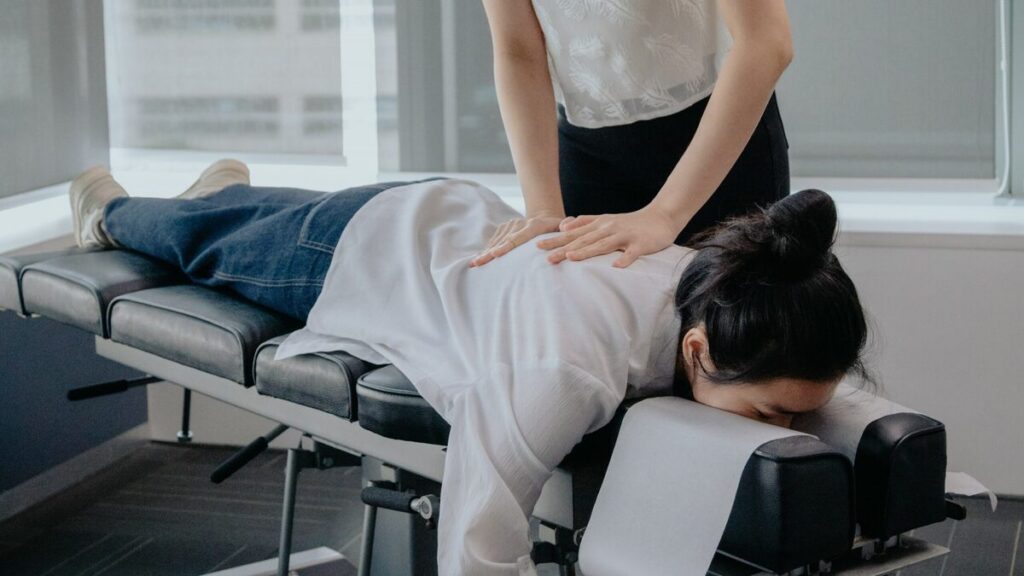

As a local chiropractor, I believe that enhancing your flexibility is crucial for your overall performance and well-being. One of the ways we can achieve this is through various adjustments that I often recommend to my patients. Incorporating dynamic stretching techniques, regular yoga practices, and routine mobility assessments can lead to remarkable improvements in your flexibility.
Dynamic stretching helps prepare your muscles for activity, while yoga promotes mindful movement and relaxation. Additionally, routine mobility assessments allow us to identify any restrictions in your body. Understanding how each of these adjustments contributes to your flexibility can be quite enlightening and beneficial for your health. If you're curious about the specific advantages each approach offers, I'm here to guide you on your journey to improved flexibility and wellness.
Dynamic Stretching Techniques
Dynamic stretching techniques are some of the most effective ways to enhance your flexibility and prepare your body before any physical activity. As a chiropractor, I often emphasize the importance of warming up your muscles and joints to support overall health and prevent injuries. These dynamic movements increase blood flow and improve your range of motion, making them a vital part of your exercise routine.
Unlike static stretching, which involves holding a position, dynamic stretching incorporates movement. This allows your body to gradually warm up and increases your flexibility in a functional way. For those who may not be familiar with these concepts, think of dynamic stretching as a way to get your body ready for the activity ahead.
I recommend starting with some simple exercises. Leg swings are a great choice; while standing on one leg, swing the opposite leg forward and backward. This not only stretches your hamstrings but also engages your hip flexors.
Another effective exercise is arm circles—extend your arms out to the side and make small circles, gradually increasing the size. This will help loosen up your shoulders and upper back.
Walking lunges are also beneficial as they combine balance, strength, and flexibility. By stepping forward into a lunge, you stretch your hip flexors and quads, effectively preparing your legs for action.
Aim for about 10-15 repetitions of each exercise to ensure your muscles are adequately warmed up. You can also design a dynamic stretching routine that focuses on the specific muscle groups you'll be using in your workout.
By incorporating these techniques into your pre-workout regimen, you not only enhance your flexibility but also significantly reduce your risk of injury and improve your overall performance.
Incorporating Yoga Practices
Incorporating yoga practices into your routine can significantly enhance your flexibility and overall well-being, which is something I often encourage my patients to explore as part of their natural healing journey. Yoga offers a holistic approach that combines breath, movement, and mindfulness, complementing chiropractic care perfectly.
When you engage in yoga, you're not only stretching your muscles but also improving your range of motion and reducing tension, which is essential for spinal health.
I recommend starting with basic poses like Downward Dog, Warrior I, and Child's Pose. These foundational postures target major muscle groups and promote flexibility in your hips, spine, and shoulders—areas that are crucial for maintaining proper alignment and function.
As you become more comfortable with these poses, you can gradually introduce more challenging ones, such as Pigeon Pose and Wheel Pose, to further deepen your stretches and promote a healthier body.
Consistency is key in both chiropractic care and yoga practice. I suggest aiming to practice yoga at least two to three times a week. Even short sessions can lead to significant improvements in your flexibility and tension relief.
Focus on your breath during these practices; it will guide your movements and help you relax into each pose. Always listen to your body and avoid pushing yourself too hard, as this can counteract the benefits.
Additionally, consider incorporating restorative yoga into your routine. These poses, held for longer durations, are excellent for releasing deep-seated tension and fostering greater flexibility.
Pairing these practices with mindfulness can also positively impact your mental health, enhancing your overall well-being and supporting the healing process we work on together in my office.
Regular Mobility Assessments
As a local chiropractor, I want to emphasize the importance of regular mobility assessments in promoting your flexibility and overall functional movement. Many people may not realize how vital these assessments are for understanding how your body moves and identifying specific areas that need improvement.
During a mobility assessment, we typically focus on key regions such as your hips, shoulders, and spine. These evaluations can include simple yet effective tests like squats, lunges, and reaching exercises. By performing these movements, we can pinpoint any restrictions or imbalances that may be affecting your performance and overall well-being.
Regular assessments not only help you stay accountable and motivated on your journey to better flexibility, but they also provide valuable feedback. As you see improvements in your range of motion, you'll likely feel inspired to continue your commitment to enhancing your body's functionality.
Furthermore, these assessments allow us to tailor your stretching and strengthening routines based on your unique needs. I encourage you to consider seeking guidance from a chiropractic professional who specializes in mobility assessments.
With our expertise, we can provide personalized insights and recommendations that cater to your specific circumstances. Remember, flexibility isn't solely about stretching; it's about ensuring your body operates at its optimal level.
Conclusion
As a local chiropractor, I want to share with you some effective ways to enhance your flexibility through natural methods. One of the best approaches involves integrating dynamic stretching techniques into your routine. This not only warms up your muscles but also prepares your body for physical activities, reducing the risk of injury.
Additionally, practicing yoga can significantly improve your flexibility. Yoga promotes a deeper connection between your mind and body while encouraging safe stretching and strengthening of your muscles. It's a holistic way to maintain flexibility and overall well-being.
Lastly, conducting regular mobility assessments is crucial. These assessments can help identify any limitations in your movement, allowing us to address them before they become a hindrance to your performance. By embracing these strategies, you can improve your functional movement and enjoy a healthier lifestyle. So, I encourage you to start incorporating these practices into your daily routine to experience the benefits of increased flexibility and enhanced physical performance!