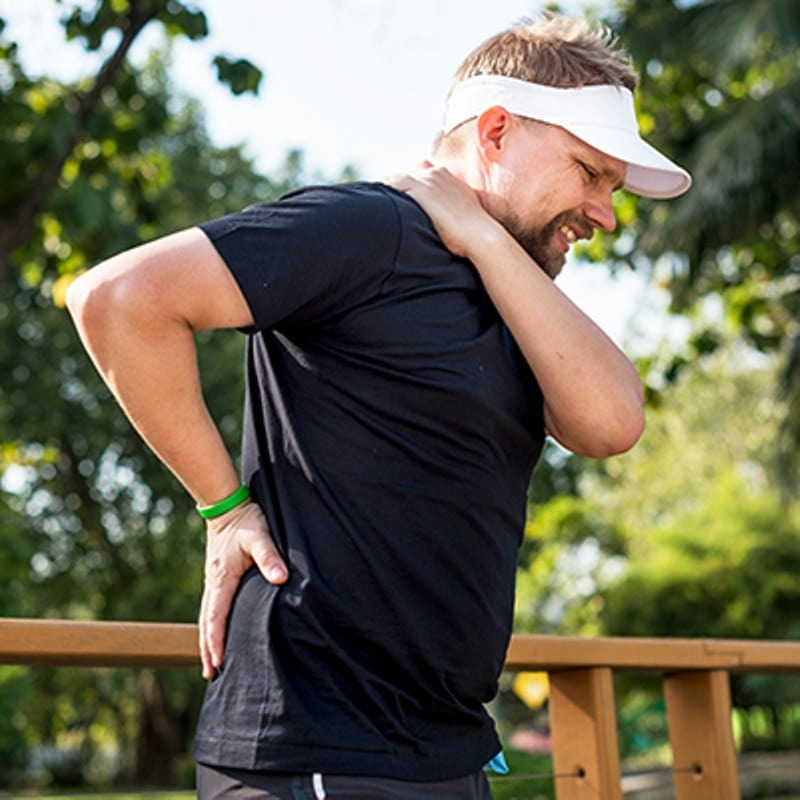

As a local chiropractor, I want to shed some light on the various techniques available for sports injury recovery. It's important to understand that there isn't a one-size-fits-all solution when it comes to healing your body. You may be weighing traditional physical therapy options against innovative approaches, such as chiropractic care, cryotherapy, or Active Release Techniques. Each of these methods has its own strengths and weaknesses, and it's crucial to comprehend how they compare in terms of efficiency and effectiveness.
Chiropractic care, for example, focuses on aligning the spine and improving overall body function, which can significantly enhance your recovery process. As you consider the best options for your healing journey, think about how combining different modalities could truly optimize your recovery and help you bounce back to peak performance. My goal is to guide you through this process so that you can make informed decisions about your health and well-being.
Traditional Physical Therapy
Chiropractic care plays a vital role in sports injury recovery, often serving as a complementary approach to traditional physical therapy. If you find yourself sidelined due to an injury, partnering with a chiropractor can help you regain strength, flexibility, and overall function without relying solely on medications.
We focus on assessing your condition holistically, creating a tailored program that aligns with your unique needs.
In the initial stages, we'll address pain management through natural methods. This may include spinal adjustments, which help restore proper alignment, reduce inflammation, and alleviate discomfort.
Once we've managed your pain, we'll guide you through a series of rehabilitative exercises that promote healing. These exercises might involve stretches, core strengthening, and balance training, all aimed at rebuilding strength and improving range of motion in the affected area.
As you progress, we'll continuously monitor your improvements and adapt your treatment plan as needed. This ongoing evaluation is crucial not only for preventing re-injury but also for ensuring you're ready to return to your sport.
Your dedication to the prescribed exercises, along with regular visits, plays a significant role in your recovery timeline.
Open communication is essential in our partnership. It's important that you share your pain levels and any challenges you face during exercises. This feedback allows us to fine-tune your program for optimal results.
Ultimately, chiropractic care equips you with the knowledge and tools to recover effectively, enabling you to return to your sport not just healed, but stronger and more resilient than before.
Active Release Techniques
As a local chiropractor, I want to share the transformative benefits of Active Release Techniques (ART) for anyone recovering from sports injuries. This hands-on approach is designed to identify and release tight muscles, scar tissue, and adhesions that may be hindering your recovery process. If you find yourself limited by pain or stiffness, ART can help you regain your mobility and accelerate your healing.
When you experience ART in my practice, here's what you can expect:
- Targeted Pressure: I'll apply precise pressure on specific areas of concern, working to break down problematic tissue and promote healing.
- Dynamic Movement: During sessions, you'll actively participate in movements while I work on your muscles. This dynamic approach allows for a more effective release and enhances the benefits of the technique.
- Pain Reduction: Many patients report a significant reduction in pain levels after just a few sessions, enabling them to return to their favorite activities with greater ease.
- Improved Performance: ART not only aids in recovery but also boosts your overall athletic performance by increasing flexibility and strength.
As you engage in this technique with me, you'll likely develop a deeper connection with your body. ART goes beyond simple injury recovery; it's about optimizing your physical capabilities and ensuring you feel your best.
This method can be the key to overcoming lingering discomfort and making a full return to action. If you're ready to prioritize your recovery, I encourage you to consider incorporating Active Release Techniques into your wellness regimen.
With commitment and the right support, you'll be on the path to a faster, more effective recovery.
Cryotherapy Benefits
As a local chiropractor, I want to introduce you to the benefits of cryotherapy, a natural healing technique that can significantly enhance your muscle recovery, especially after a strenuous workout or an injury.
Cryotherapy involves exposing your body to cold temperatures, which can lead to a reduction in inflammation and provide effective pain relief.
This method not only accelerates your recovery process but also allows you to return to your daily activities or athletic pursuits much quicker.
Understanding these natural healing practices can empower you to take charge of your health and wellness journey.
Enhanced Muscle Recovery
As a local chiropractor, I want to share with you an exciting approach to enhancing muscle recovery that many athletes are discovering: cryotherapy. This innovative treatment involves exposing your body to extremely low temperatures, which can significantly speed up your recovery after intense workouts or injuries.
By utilizing the power of cold therapy, you can rejuvenate your muscles in several beneficial ways.
Here are four key advantages of incorporating cryotherapy into your muscle recovery regimen:
- Increased Blood Flow: The application of cold causes blood vessels to constrict and then dilate, which enhances circulation once your body returns to its normal temperature. This improved blood flow is crucial for delivering nutrients to your muscles and removing metabolic waste.
- Reduced Muscle Soreness: One of the common challenges after a rigorous exercise session is muscle soreness. Cryotherapy can help mitigate this discomfort, allowing you to maintain consistency in your training without the burden of lingering pain.
- Boosted Energy Levels: Many who try cryotherapy report feeling revitalized post-session. This renewed energy can translate to improved performance in your next workout or athletic endeavor.
- Improved Recovery Time: By regularly incorporating cryotherapy into your recovery routine, you may notice shorter recovery periods. This means you can push yourself harder and train more frequently, optimizing your fitness journey.
As a chiropractor, I understand the importance of holistic healing and recovery.
Integrating cryotherapy into your wellness routine could provide you with the competitive edge you need, helping you stay in peak condition and ready to tackle your next challenge.
If you're curious about how cryotherapy or other natural healing methods can benefit you, feel free to reach out for more information!
Reduced Inflammation Levels
As a local chiropractor, I often emphasize the importance of reducing inflammation for optimal recovery, especially for those engaged in physical activities. One effective method that I recommend is cryotherapy. This technique involves exposing your body to very cold temperatures, which helps constrict blood vessels and consequently reduces inflammation.
It's particularly beneficial after intense workouts or injuries, as it helps to minimize swelling and discomfort.
When you experience cryotherapy, your body naturally responds to the cold. Once you step out of the cold chamber, your blood vessels expand, leading to increased blood flow. This not only delivers essential nutrients to your muscles but also aids in healing and further reduces inflammation.
Incorporating cryotherapy into your recovery routine can yield significant benefits. Many patients report improved mobility, less stiffness, and a faster return to their usual activities.
Additionally, the refreshing feeling you get from this treatment can boost your mental well-being. By focusing on inflammation reduction through cryotherapy, you're not just enhancing your recovery; you're also setting the stage for greater success in your physical endeavors.
I encourage you to consider this technique as part of your overall wellness plan and witness the positive effects it can have on your recovery journey.
Pain Relief Mechanism
As a local Chiropractor, I want to share with you one of the remarkable benefits of cryotherapy: its ability to provide rapid pain relief. When your body is exposed to extreme cold, it triggers a variety of natural physiological responses that can help alleviate discomfort. This is particularly useful after rigorous workouts or injuries.
Here's a closer look at how cryotherapy can assist in relieving pain:
- Nerve Sensitivity Reduction: Exposure to cold temperatures numbs the nerve endings, which can diminish the sensation of pain almost immediately. This can be a game-changer for those dealing with acute discomfort.
- Endorphin Release: Once your body begins to warm back up, it releases endorphins—your body's natural painkillers. These not only elevate your mood but also contribute to reduced discomfort.
- Blood Flow Regulation: Cryotherapy causes blood vessels to constrict, which can help minimize swelling and inflammation. This reduction in inflammation often leads to lower pain levels, making it easier to move and recover.
- Faster Recovery: After the cold exposure ends, your body can deliver increased oxygen supply to the affected areas, promoting quicker healing. This means you can return to your daily activities sooner and with less pain.
Incorporating cryotherapy into your recovery routine can significantly enhance your pain management strategy. Not only will you experience immediate relief, but you may also observe improved recovery times.
This allows you to perform at your best with minimal downtime, which is essential for maintaining an active, healthy lifestyle. If you have any questions about how cryotherapy can fit into your overall wellness plan, feel free to reach out!
Stem Cell Therapy
As a local chiropractor, I want to share with you how stem cell therapy is changing the way we recover from sports injuries. This innovative treatment taps into your body's natural healing abilities by using stem cells, which have the unique potential to develop into various cell types. By focusing on damaged tissues, stem cell therapy offers a promising alternative to traditional methods like surgery or extended periods of rest.
The process of stem cell therapy begins with collecting stem cells from your own body, typically from areas like bone marrow or fat tissue. Once these cells are harvested, they're carefully processed and then injected directly into the area of injury. This precise targeting helps to reduce inflammation, encourages tissue regeneration, and speeds up the healing process.
Since the stem cells are your own, the likelihood of your body rejecting them is very low, making this a safer option for many athletes and active individuals.
You may be curious about how effective stem cell therapy is for different sports injuries. Current research indicates that it can be particularly advantageous for issues like ligament tears, cartilage injuries, and tendon problems. Many athletes who undergo this treatment report shorter recovery times and enhanced functionality, allowing them to return to their sports with renewed vigor.
However, before considering stem cell therapy, it's essential to consult with a qualified healthcare professional, such as a chiropractor. We can evaluate your specific injury and help you understand the potential benefits and risks associated with this therapy.
As the field of stem cell therapy continues to advance, staying informed can empower you in your recovery process, helping you get back to the activities you love more quickly and effectively.
Massage Therapy
As a local chiropractor, I want to emphasize the significant role massage therapy can play in your recovery from sports injuries. It aids in promoting healing and alleviating pain, which is essential for getting you back to your preferred activities.
There are various massage techniques available, each designed to address specific needs, providing a range of benefits tailored to your situation.
To optimize your healing process, it's important to consider the frequency and duration of massage therapy sessions in your recovery regimen. Incorporating regular massage into your routine can enhance your overall well-being and support your journey towards natural healing.
Benefits of Massage Therapy
As a local chiropractor dedicated to promoting natural healing, I want to share how incorporating massage therapy into your sports injury recovery plan can significantly enhance your healing journey. This therapeutic technique not only provides a soothing experience but also plays a crucial role in your overall recovery process.
Here are four important benefits you can anticipate:
- Pain Relief: Massage therapy is effective in reducing muscle tension and soreness, helping you manage pain more efficiently and regain your comfort.
- Enhanced Circulation: The specialized techniques employed in massage enhance blood flow, which is essential for delivering vital nutrients to your injured tissues, thus supporting quicker recovery.
- Restored Flexibility: Regular massage sessions can help improve your range of motion, making it easier for you to get back to your favorite activities without feeling restricted.
- Stress Reduction: Engaging in massage therapy helps alleviate stress and anxiety, which can be particularly advantageous as you navigate through your recovery process.
Techniques Used in Therapy
As a local chiropractor dedicated to promoting natural healing, I want to share how incorporating various techniques can significantly enhance your recovery from sports injuries and overall wellness.
One technique that many find beneficial is deep tissue massage. This approach targets the deeper layers of muscle and connective tissue, effectively releasing chronic tension, improving blood circulation, and facilitating the healing process for specific injuries.
For those who are active in sports, sports massage is another powerful option. This specialized technique is designed with athletes in mind, combining methods such as compression, friction, and stretching. It prepares your muscles for activity and aids in recovery after exercise, helping to prevent future injuries.
Another technique worth exploring is myofascial release. This focuses on relieving tension in the fascia, the connective tissue surrounding your muscles. By addressing this tension, myofascial release can greatly enhance your mobility and reduce pain, making it easier for you to engage in your favorite activities.
Trigger point therapy is also a valuable method we utilize. In this approach, pressure is applied to specific points in your muscles, which can alleviate pain and restore function effectively.
Furthermore, techniques like lymphatic drainage can be integrated into your care plan. This gentle technique helps reduce swelling and promotes a quicker recovery, allowing your body to heal more efficiently.
At our practice, we believe in the power of these natural techniques to support your body's healing process and enhance your overall health. If you're curious about how chiropractic care and these therapies can benefit you, I invite you to explore them with us!
Frequency and Duration Recommendations
As a local chiropractor dedicated to supporting your recovery from sports injuries, I want to share some valuable insights on the frequency and duration of massage therapy. Understanding these recommendations can significantly enhance your healing process.
1. Frequency: For optimal recovery, it's generally advisable to schedule 1-3 massage sessions per week, tailored to the severity of your injury. If you're dealing with a more serious injury, closer sessions may be necessary.
On the other hand, if your injury is mild, you might find that less frequent visits suffice.
2. Duration: Each massage session should ideally last between 30-90 minutes. For acute injuries, shorter sessions that focus on specific problem areas can be particularly beneficial.
In contrast, longer sessions are often more effective for addressing chronic issues and promoting deeper relaxation.
3. Timing: It's crucial to time your massages strategically throughout your recovery journey. Early sessions can be instrumental in reducing inflammation and alleviating immediate discomfort.
As you progress, later sessions can help enhance muscle recovery and improve your overall flexibility.
4. Listen to Your Body: Your body is a great communicator. Pay close attention to how you feel after each massage.
If you experience soreness or fatigue, it might be a sign to adjust the frequency or duration of your sessions.
Hydrotherapy Approaches
As a local chiropractor, I want to share with you the benefits of hydrotherapy as a natural approach to enhance your recovery from sports injuries. Hydrotherapy utilizes the unique properties of water to aid in healing, particularly through its buoyancy, which reduces strain on your joints while promoting mobility.
This holistic method encompasses various techniques—such as aquatic exercises, whirlpool baths, and cold-water immersion—each designed to support different stages of your rehabilitation.
When you participate in aquatic exercises, you harness the natural resistance of water, allowing you to build strength in a way that minimizes stress on your injured areas. Activities such as walking, jogging, or swimming in water can significantly improve your flexibility and range of motion while keeping pain at bay.
Whirlpool baths are another excellent resource in hydrotherapy. The soothing heat they provide can relieve muscle tension and enhance blood circulation. Immersing yourself in warm water helps your body relax, which is especially beneficial after engaging in intense physical therapy sessions.
On the other hand, cold-water immersion is a powerful technique to consider if you're experiencing inflammation. Submerging yourself in cold water can significantly reduce swelling and numb pain, offering immediate relief. Alternating between hot and cold treatments is also effective in boosting circulation and speeding up the healing process.
To truly maximize the benefits of hydrotherapy, I recommend working closely with a trained therapist or chiropractor who can customize your sessions to meet your specific needs.
They'll ensure you're performing the appropriate exercises and monitoring your progress effectively. By incorporating hydrotherapy into your recovery plan, you can enhance your journey back to optimal health and performance.
Acupuncture for Recovery
If you're seeking a natural approach to enhance your recovery from sports injuries, chiropractic care may be the solution you're looking for. As a chiropractor, I emphasize the importance of holistic healing methods that go beyond just alleviating pain.
Chiropractic adjustments and complementary therapies, such as acupuncture, can significantly promote healing and overall wellness. Many athletes have experienced the benefits of chiropractic care in not only speeding up recovery but also improving their performance.
Here are four ways chiropractic care can aid your recovery:
- Pain Relief: Chiropractic adjustments can help realign the spine and joints, reducing pressure on nerves and alleviating discomfort. This natural approach allows your body to release endorphins—your body's own painkillers—enabling you to focus more effectively on rehabilitation.
- Improved Blood Circulation: By ensuring proper alignment and mobility, chiropractic care enhances blood flow throughout your body. This increased circulation delivers essential nutrients and oxygen to injured tissues, promoting faster healing and reducing swelling.
- Relaxation and Stress Reduction: Chiropractic treatments can help relieve physical tension, which is often compounded by the mental stress of injuries. By promoting relaxation, you can foster a more positive mindset that's conducive to healing.
- Enhanced Range of Motion: Through specific adjustments and therapies, chiropractic care can help reduce inflammation and restore your range of motion. This is crucial for athletes eager to return to their sport and regain their competitive edge.
Incorporating chiropractic care into your recovery plan can truly transform your healing journey.
If you haven't already, I encourage you to schedule a consultation with a licensed chiropractor. Together, we can create a personalized treatment plan that addresses your unique needs and helps you get back to peak performance.
You might discover that chiropractic care is the key to unlocking your full recovery potential.
Nutritional Support Strategies
As a local chiropractor, I want to emphasize the critical role nutrition plays in your recovery from sports injuries. Proper nutrition fuels your body with the essential nutrients needed for effective healing. To support your recovery, it's important to focus on a balanced diet that includes proteins, healthy fats, vitamins, and minerals.
Protein is particularly vital, as it aids in repairing damaged tissues and building new muscle. Incorporating sources like lean meats, fish, eggs, dairy, legumes, and nuts into your meals can significantly enhance your healing process.
Don't underestimate the importance of healthy fats either. Foods such as avocados, olive oil, and fatty fish are rich in fatty acids that can help reduce inflammation and promote healing.
Additionally, carbohydrates are crucial for replenishing your energy stores, especially after physical therapy sessions. Choose whole grains, fruits, and vegetables for sustained energy.
Hydration is another key component of your recovery strategy. Drinking enough water is essential for maintaining optimal bodily functions and supporting the healing process. I recommend aiming for at least eight glasses of water a day, adjusting this based on your activity level and climate.
Micronutrients, such as vitamins C and D, along with minerals like zinc and magnesium, also play a significant role in recovery. A varied diet filled with colorful fruits and vegetables can help ensure you receive these vital nutrients.
Lastly, I encourage you to consider consulting with a nutritionist who specializes in sports medicine. They can help develop a personalized nutritional plan tailored to your specific injury and recovery goals, ensuring you're on the right path to healing and returning to your sport stronger than ever.
Conclusion
As a local chiropractor, I want to help you understand how incorporating various recovery techniques can significantly improve your healing process after a sports injury. A balanced approach that includes traditional physical therapy, alongside chiropractic care, can effectively target pain and inflammation.
Techniques such as Active Release Techniques, cryotherapy, and massage therapy can work wonders when combined with chiropractic adjustments. Additionally, don't overlook the advantages of hydrotherapy and acupuncture, which can play a vital role in your recovery.
Proper nutrition is also essential, as it provides the necessary fuel for your body to heal. By embracing this holistic approach, you can enhance your recovery journey and get back to performing at your best in no time. Remember, chiropractic care is a natural and effective way to support your healing process, and I'm here to guide you every step of the way.