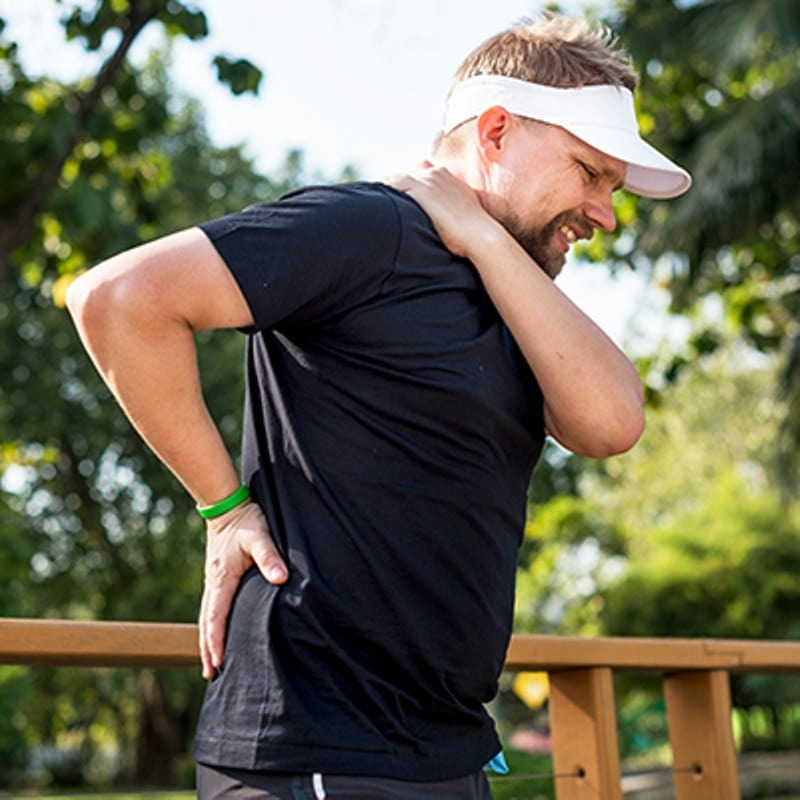

When it comes to recovering from sports injuries, I often see patients feeling overwhelmed by the array of treatment options available. While traditional physical therapy is certainly a valuable approach, I'd like to introduce you to some innovative alternatives that align with natural healing principles, such as chiropractic care.
Chiropractic techniques focus on the body's innate ability to heal itself. We emphasize spinal alignment and joint mobility, which can significantly enhance your recovery process. Additionally, practices like cryotherapy and regenerative medicine are gaining popularity for their ability to promote healing at a cellular level.
You might also hear about therapies like active release therapy or electrical stimulation. These methods can complement chiropractic adjustments by addressing muscle tension and improving blood flow. Each of these approaches offers unique benefits tailored to different aspects of recovery.
Determining which technique is best for you may not be straightforward, but that's where I come in. Together, we can assess your specific needs and develop a personalized recovery plan that harnesses the power of chiropractic care and natural healing methods. Your journey to recovery can be a holistic and effective one!
Traditional Physical Therapy
As a local chiropractor, I want to share with you the vital role that chiropractic care plays in the recovery from sports injuries. Our approach focuses on natural healing methods that restore function and mobility, allowing you to get back to your activities as quickly as possible. When an injury sidelines you, a customized chiropractic treatment plan can be a game changer in your recovery journey.
During your initial visit, I'll conduct a thorough assessment of your condition, identifying any specific limitations and setting realistic goals for your recovery. This personalized approach ensures that we target the root causes of your pain and dysfunction.
Chiropractic care often involves a variety of techniques designed to enhance your healing process. We may incorporate adjustments to realign your spine and joints, which can alleviate pain and improve your overall stability. Additionally, I may recommend therapeutic exercises that are tailored to strengthen the affected area and improve flexibility, helping you regain your confidence with movement.
Education is also a cornerstone of our practice. I'll teach you proper body mechanics and provide strategies for injury prevention, empowering you to avoid future injuries. You'll learn to listen to your body and recognize the signs of overexertion, which is crucial for maintaining long-term athletic performance.
Beyond physical techniques, we focus on fostering mental resilience. Together, we'll set achievable recovery goals and keep your motivation high throughout the rehabilitation process. Open communication is essential; I encourage you to ask questions and express any concerns. This collaborative approach ensures that you feel supported every step of the way.
Cryotherapy Techniques
As a local chiropractor, I want to share valuable information about cryotherapy techniques that can significantly aid in your recovery from sports injuries. Cryotherapy involves exposing your body to extremely cold temperatures, which helps reduce inflammation, alleviate pain, and accelerate the healing process.
There are several cryotherapy methods you might consider, each with its own unique benefits. One popular approach is whole-body cryotherapy. In this method, you step into a chamber that cools your body to sub-zero temperatures for a brief period. This can be an invigorating experience that promotes overall wellness.
Alternatively, localized cryotherapy focuses on specific injuries. This technique uses ice packs or cryo devices that target the affected area to numb pain and reduce swelling effectively.
Here's a closer look at some cryotherapy techniques that may be beneficial for you:
- Cold Water Immersion: Submerging yourself in ice-cold water for a short duration helps constrict blood vessels, which can reduce swelling and expedite recovery.
- Ice Packs: Applying ice packs directly to the injured area can provide immediate relief from pain and help minimize inflammation.
- Cryo Chambers: These specialized chambers expose your entire body to cold air, promoting overall recovery and rejuvenation.
- Cryo Facials: While often associated with cosmetic benefits, cryo facials can also assist in healing minor injuries by improving circulation and reducing muscle soreness.
Integrating cryotherapy into your recovery plan can enhance your healing journey. However, it's vital to consult with a healthcare professional, such as a chiropractor, to determine the best approach tailored to your specific needs.
With the right techniques and guidance, you can look forward to a quicker recovery and getting back to the activities you love. Remember, your health and well-being are our top priority!
Regenerative Medicine Approaches
As a local chiropractor, I want to share how regenerative medicine approaches are transforming the treatment of sports injuries by tapping into the body's remarkable natural healing abilities.
These innovative techniques focus on repairing and regenerating damaged tissues, enabling you to recover more effectively and return to your favorite activities sooner.
One widely recognized method is platelet-rich plasma (PRP) therapy. During this process, we draw a small amount of your blood, which is then processed to concentrate the platelets and growth factors. This concentrated solution is injected back into the injured area, stimulating healing and reducing inflammation. It's a natural way to enhance your body's repair mechanisms.
Another exciting option is stem cell therapy. Stem cells have the unique ability to develop into different types of tissues, making them invaluable in the recovery process for muscles, tendons, and cartilage. By introducing stem cells—either harvested from your own body or from a donor—you can promote more effective healing and potentially speed up your recovery.
We also explore tissue engineering, which merges cells with biomaterials to create structures that support tissue regeneration. This method can be particularly beneficial for more severe injuries that don't respond to traditional treatments.
As you consider these regenerative medicine options, it's crucial to consult with a qualified healthcare provider, like me, who can help you navigate the best choices for your specific injury and individual needs.
These therapies aren't only about recovering to your pre-injury state; they can also elevate your overall performance and help prevent future injuries. By embracing these natural healing approaches, you can take an active role in your recovery and get back to enjoying the activities you love in no time.
Active Release Therapy
As a local chiropractor, I want to share with you the benefits of Active Release Therapy (ART), a hands-on approach to treating sports injuries that you may not be familiar with.
While regenerative medicine techniques like PRP and stem cell therapy are becoming more popular, ART stands out as an effective manual therapy that addresses soft tissue issues resulting from athletic activities.
In ART, we use our hands to assess the texture, tension, and movement of your tissues, allowing us to identify specific areas that may be causing pain or discomfort.
If you're dealing with a sports injury, ART offers several significant benefits:
- Improved Range of Motion: By breaking down adhesions and scar tissue, ART can help restore your flexibility and mobility, making it easier for you to engage in your favorite activities.
- Reduced Pain: This therapy focuses on tight muscles and fascia, which can alleviate discomfort and promote your body's natural healing processes.
- Enhanced Performance: By addressing underlying tissue issues, ART can optimize your physical capabilities, helping you perform at your best, whether in sports or daily life.
- Tailored Treatment: Every individual is unique, and ART is customized to your specific injuries and needs, ensuring that you receive an effective recovery plan.
The ART process typically begins with a thorough assessment, followed by targeted manipulation of the affected muscles and fascia.
You may experience some discomfort during the treatment, but the primary goal is to relieve pain and facilitate healing.
Many athletes, as well as active individuals, have found ART to be an effective solution for chronic pain, tightness, and even as a preventative measure against future injuries.
If you're looking for a proactive and personalized approach to your recovery from sports injuries, I encourage you to consider incorporating Active Release Therapy into your treatment plan.
It could be a valuable addition to your journey towards health and wellness.
Electrical Stimulation Methods
As your local chiropractor, I want to share the importance of electrical stimulation methods in your recovery from sports injuries.
These innovative techniques are valuable tools in our natural healing approach and can significantly enhance your rehabilitation process.
There are several types of electrical stimulation therapies, each offering distinct advantages that can help you heal more efficiently.
Types of Electrical Stimulation
As a local chiropractor, I want to share some insights on how electrical stimulation techniques can significantly aid in your recovery from sports injuries. These methods are valuable tools in alleviating pain and promoting healing, and understanding the different types can help you make informed decisions about your treatment options.
- Transcutaneous Electrical Nerve Stimulation (TENS): This technique involves sending low-voltage electrical currents to your skin. By doing so, TENS effectively disrupts the pain signals that travel to your brain, providing relief from discomfort.
- Electrical Muscle Stimulation (EMS): EMS is designed to directly target your muscle fibers, encouraging them to contract. This can be particularly beneficial for muscle rehabilitation after an injury, helping you regain strength and mobility.
- Neuromuscular Electrical Stimulation (NMES): Similar to EMS, NMES focuses on stimulating the motor nerves, which can enhance muscle strength and function, especially in the recovery phase following an injury.
- Interferential Current Therapy (IFC): This method utilizes two alternating currents that penetrate deeper into your tissues. IFC is effective in providing pain relief and reducing swelling, making it a great option for managing your recovery process.
By understanding these electrical stimulation techniques, you can better navigate your healing journey and make choices that align with your health goals.
If you have any questions or want to learn more about how these methods can benefit you, feel free to reach out!
Benefits for Recovery
As a local chiropractor, I want to take a moment to explain the benefits of electrical stimulation methods in the context of your recovery. These techniques are incredibly effective in enhancing your healing process after an injury, and understanding them can empower you in your journey towards wellness.
Electrical stimulation works by promoting muscle contractions, which is vital when you find yourself immobilized or in rehabilitation. This process helps to reduce muscle atrophy – the wasting away of muscle tissue – ensuring that you maintain strength while your body heals. Additionally, this stimulation improves blood flow to the injured area, delivering essential nutrients and oxygen that are crucial for a faster recovery.
Many of my patients have reported a noticeable decrease in pain levels after incorporating electrical stimulation into their treatment plans. This can make your recovery experience much more comfortable, allowing you to focus on getting better rather than managing discomfort.
Moreover, these techniques can enhance your range of motion, making it easier for you to regain functionality as you recover.
Another significant advantage of using electrical stimulation is its ability to boost your overall strength and conditioning. By integrating these methods into your recovery routine, you're not just healing; you're also preparing your body for a successful return to physical activity.
Incorporating electrical stimulation into your recovery plan can lead to quicker healing and improved outcomes. Whether you're a professional athlete or someone who enjoys recreational activities, the benefits of these techniques are invaluable in helping you return to your best self.
I'm here to guide you through this process and help you understand how natural healing can support your overall health.
Holistic Recovery Practices
As a local chiropractor, I want to share with you the importance of holistic recovery practices in your healing journey, especially after experiencing a sports injury.
It's essential to recognize that recovery isn't just about addressing the physical injury; it involves nurturing both your mind and body for comprehensive healing. By embracing a well-rounded approach, you can't only recover from your injury but also return to your sport with renewed strength and vitality.
Here are some holistic methods that I often recommend to my patients:
- Mindfulness and Meditation: These techniques are powerful tools for managing stress and enhancing mental clarity. By incorporating mindfulness into your routine, you can create a calm environment conducive to healing.
- Nutrition: A balanced diet plays a crucial role in recovery. Eating foods rich in essential nutrients not only supports your body's healing processes but also boosts your immune system, helping you bounce back more effectively.
- Physical Therapies: As a chiropractor, I utilize various physical therapies, including chiropractic adjustments, acupuncture, and massage. These methods can alleviate pain and improve circulation, which are vital for speeding up the healing process.
- Movement Therapies: Engaging in activities like yoga or tai chi can enhance your flexibility and strength while fostering a deeper connection between your mind and body. These practices can also help with pain management and recovery.
By integrating these holistic approaches into your recovery plan, you can facilitate a more effective healing process and emerge stronger than before.
If you have any questions about how chiropractic care and natural healing can support your recovery, feel free to reach out!
Conclusion
As a local chiropractor, I want to guide you on your journey to recover from a sports injury by exploring various techniques that can benefit you. While you may be familiar with traditional physical therapy, I encourage you to consider the advantages of chiropractic care and other natural healing methods. Chiropractic adjustments can help realign your body, alleviate pain, and improve mobility, which is essential for effective recovery.
Additionally, combining chiropractic care with advanced techniques like cryotherapy or holistic practices can further enhance your healing process. A personalized treatment plan that incorporates these strategies can not only speed up your recovery but also boost your athletic performance. My goal is to help you get back to doing what you love, and I believe that a tailored approach is key to achieving optimal health and peak performance once again.