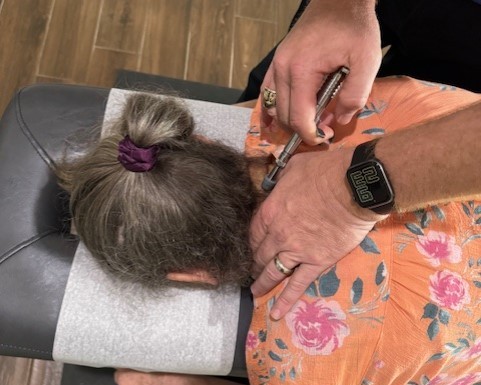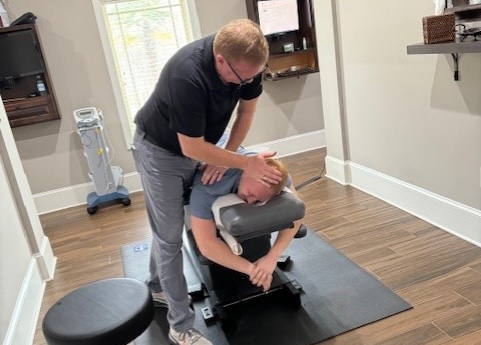

As a local chiropractor, I understand that navigating the world of neurological disorders can be daunting, especially with so many treatment options available. While medications and advanced therapies like Deep Brain Stimulation may come to mind, I want to highlight the benefits of chiropractic care and natural healing methods that can significantly enhance your well-being.
Chiropractic adjustments focus on aligning the spine and improving the function of the nervous system, which can lead to reduced symptoms and improved overall health. Additionally, physical and occupational therapy often complements chiropractic care by promoting better movement and daily functioning. Mindfulness practices, such as meditation and deep breathing, can also be integrated into your routine to support emotional balance and stress relief.
Choosing the right combination of treatments is crucial for your unique situation. By understanding the advantages of chiropractic care alongside other therapies, you can make informed decisions that best support your journey toward relief. I'm here to guide you through this process and help you discover how natural healing can play a vital role in your overall health.
Medications
When addressing neurological disorders, it's essential to understand that while medications can play a role, there are also natural and holistic approaches that can significantly alleviate symptoms and enhance your quality of life. As a chiropractor, I often emphasize the importance of exploring these alternatives alongside conventional treatments.
Many patients may not realize that certain symptoms can be effectively managed through chiropractic care. For example, spinal adjustments can help improve nervous system function, which may reduce issues related to conditions like epilepsy or chronic pain. By ensuring proper alignment and mobility, chiropractic care can support your overall health and potentially lessen the need for medications.
If you're experiencing chronic pain linked to a neurological condition, we can work together on a tailored plan that may include chiropractic adjustments, therapeutic exercises, and lifestyle modifications. This approach can help you regain control over your daily activities without solely relying on pain relievers or antidepressants.
Furthermore, for conditions such as multiple sclerosis, incorporating chiropractic care may help manage symptoms and improve your body's resilience. It's crucial to stay informed about all treatment options, including potential interactions with medications, and I encourage regular communication about your progress and any concerns you may have.
Physical Therapy
Chiropractic care provides you with individualized treatment plans designed to address your unique health concerns.
By emphasizing strength and coordination exercises, we can help you enhance your mobility and overall functionality.
Furthermore, our focus on natural pain management techniques aims to alleviate discomfort and improve your quality of life, allowing your body to heal and thrive without reliance on medication.
Personalized Treatment Plans
Personalized treatment plans in chiropractic care are crucial for effectively managing various health concerns, including neurological disorders. When you visit our chiropractic office, we take the time to assess your unique situation, considering your specific challenges, goals, and lifestyle. This individualized approach ensures that your care aligns with your needs, leading to improved outcomes.
As your chiropractor, I'll create a program focused on enhancing your mobility, strength, and overall function. By addressing your individual symptoms and limitations, I can incorporate specific adjustments and techniques that are most beneficial for you.
Whether you're experiencing discomfort or coordination issues, our treatment plans will evolve as you progress, ensuring that you're consistently challenged in a safe and effective manner.
Open communication is vital in this process, so please feel free to share your feedback during our sessions. This will allow me to refine your care plan and make any necessary adjustments.
Additionally, integrating your personal interests and daily activities into the treatment can boost your motivation and commitment to the program.
Ultimately, a personalized chiropractic treatment plan empowers you to take control of your healing journey, making chiropractic care a valuable aspect of managing your health. Embrace this tailored approach, and you may experience significant improvements over time.
Strength and Coordination Exercises
As a local chiropractor, I want to emphasize the importance of strength and coordination exercises in the recovery journey for individuals dealing with neurological disorders.
These exercises not only help improve muscle strength but also enhance balance and overall coordination, which are vital for regaining functional independence and elevating your quality of life.
When starting out, it's crucial to focus on simple movements that promote your body's ability to control and stabilize itself. Exercises like leg lifts, arm raises, and gentle stretching can serve as a solid foundation.
As your confidence and strength grow, you might want to incorporate more complex challenges to your routine, such as tandem walking or balancing on one foot.
Collaborating with a physical therapist or a trained professional can help you design an exercise program that's tailored specifically to your individual needs. They can provide guidance on proper techniques, ensuring that you minimize the risk of injury while reaping the maximum benefits.
Consistency is key—regular practice is essential to witnessing improvements.
I encourage you to celebrate each small victory throughout your journey. Every step forward, no matter how minor, contributes significantly to your overall recovery.
By committing to strength and coordination exercises, you'll find yourself more equipped to manage daily activities and enhance your mobility.
Pain Management Techniques
When it comes to managing pain related to neurological disorders, chiropractic care offers effective techniques that can significantly enhance your quality of life. As a chiropractor, I focus on natural healing methods that address the root causes of your discomfort.
One of the fundamental aspects of chiropractic care is tailored physical therapy. By collaborating with me, you'll learn specific exercises designed to improve your strength, flexibility, and overall function, which can lead to a reduction in pain levels.
I often utilize manual therapy techniques, such as gentle adjustments, massage, and joint mobilization, to relieve tension and improve circulation in your body. These approaches help ease discomfort while enhancing your range of motion.
In addition to these techniques, I may recommend various modalities like heat or cold therapy to provide immediate relief from pain. These natural methods can complement your chiropractic treatment and help you feel better faster.
Moreover, incorporating customized stretching and strengthening exercises into your daily routine is vital for effective pain management. These exercises not only target areas that may be weak but also promote better posture, reducing unnecessary strain on your body.
Together, we can explore these chiropractic techniques to help you manage your pain effectively and improve your overall well-being.
Occupational Therapy
Chiropractic care is dedicated to helping you enhance your overall well-being through natural healing techniques.
Our focus is on optimizing your body's function and promoting essential skills for daily activities and work. We utilize a variety of techniques aimed at improving your spinal alignment and nervous system function, which are crucial for your overall health.
Skill Development Techniques
As a local chiropractor, I want to shed light on how developing essential skills can significantly enhance your daily functioning and overall quality of life, especially when dealing with neurological disorders.
While chiropractic care primarily focuses on spinal health and nervous system function, there are complementary skill development techniques that can empower you in your daily activities.
One effective approach is task-specific training, where you focus on practicing activities that are integral to your daily routine, such as dressing or cooking. By breaking these tasks down into smaller, manageable steps, you can gradually build your competence and regain confidence in your abilities. In conjunction with chiropractic adjustments, this method can help improve your motor functions and coordination.
Additionally, adaptive techniques are worth considering. These involve using specific tools or modifications that can make tasks easier to perform. For instance, ergonomic tools that support your posture can be invaluable, especially if you're experiencing discomfort or limitations due to a neurological condition.
Another important aspect is sensory integration strategies. These techniques can enhance your spatial awareness and coordination, making it easier to tackle everyday tasks. Coupled with chiropractic care, which aims to enhance your body's overall function, these strategies can help you feel more at ease in your movements.
Establishing practice routines is also crucial. Repeatedly engaging in learned skills can reinforce them, helping them become second nature over time. As a chiropractor, I can support you in this process by addressing any physical discomfort that might hinder your ability to practice these skills effectively.
Lastly, ongoing feedback and guidance are essential. Collaborating with your healthcare providers, including your chiropractor, allows for personalized recommendations that suit your specific needs. Together, we can ensure you're focusing on the right skills at the right pace.
Cognitive Rehabilitation Strategies
As a local chiropractor, I want to share how cognitive rehabilitation strategies can complement your overall wellness journey and enhance your quality of life. These methods are particularly beneficial for individuals experiencing neurological disorders or cognitive challenges. Through chiropractic care, we can address not only physical health but also support cognitive functions such as memory, attention, problem-solving, and executive functions.
In our sessions, we may incorporate activities that stimulate your brain, alongside our primary focus on spinal health and alignment. For example, you might engage in exercises that challenge your memory or require you to follow multi-step directions. These activities not only promote cognitive skills but also help boost your confidence in your abilities.
Moreover, I emphasize the importance of compensatory strategies in managing cognitive deficits. We can explore natural techniques that help you stay organized and focused, such as using calendars, checklists, or reminders. I'll work with you to tailor these strategies to your unique needs and lifestyle, ensuring a personalized approach to your healing.
Additionally, I encourage participation in group activities or workshops that foster social interaction. These gatherings can provide a supportive community where you can connect with others who are facing similar challenges. Through discussions and collaborative tasks, you'll enhance your communication skills and build meaningful relationships.
Cognitive Behavioral Therapy
In recent years, many individuals have started to explore the benefits of natural healing approaches, including Chiropractic care, to find relief from various neurological disorders. This holistic approach focuses on the connection between the body's structure and its function, emphasizing the importance of a healthy spine and nervous system. By working with a qualified chiropractor, you can learn how proper spinal alignment can positively influence your overall health and well-being.
Chiropractic care is particularly helpful for managing conditions such as anxiety, depression, and stress, which often accompany neurological disorders. During your visits, you'll have structured consultations where you can share your experiences and concerns in a welcoming environment. Your chiropractor will guide you through various techniques, including spinal adjustments and exercises, to help address misalignments and promote better nerve function.
One key aspect of chiropractic care is its focus on proactive solutions. Rather than just discussing your issues, you'll work on practical strategies to enhance your daily life. This may involve setting realistic health goals, incorporating movement into your routine, or practicing relaxation techniques to help manage stress. Many patients find that integrating these strategies leads to significant improvements in their overall quality of life.
Additionally, chiropractic care often offers a more time-efficient route to relief, as many patients experience benefits within a few sessions. By actively participating in your care and embracing natural healing methods, you empower yourself to take charge of your health, resulting in a more fulfilling life.
If you're navigating the emotional challenges of a neurological disorder, consider reaching out to a local chiropractor to explore how this natural approach can support you on your healing journey.
Nutritional Support
As a local chiropractor, I want to emphasize the significant impact that nutrition can have on your recovery from neurological disorders. The food you consume isn't just fuel; it's a critical component of your brain health and overall well-being.
By incorporating essential nutrients into your diet, you can support your neurological function and potentially alleviate various symptoms.
Understanding the connection between what you eat and how you feel is essential, especially when exploring natural healing methods. A balanced diet rich in vitamins, minerals, and omega-3 fatty acids can enhance your body's healing processes and complement the chiropractic care you receive.
Let's take a closer look at how specific dietary choices can contribute to your health journey and improve your quality of life.
Together, we can explore the holistic approach to wellness that combines chiropractic adjustments with mindful eating.
Essential Nutrients for Recovery
As a local chiropractor, I want to emphasize the critical role that essential nutrients play in your recovery from neurological disorders. Supporting your brain health and overall well-being is key, and one of the best ways to do this is through your diet.
Let's talk about omega-3 fatty acids, which you can find in fatty fish like salmon. These healthy fats are known to promote brain function and help reduce inflammation. If you're looking for plant-based options, consider incorporating flaxseeds or walnuts into your meals.
B vitamins are another cornerstone for nerve health. B6, B12, and folate are particularly important for improving cognitive functions. You can easily meet your B vitamin needs by enjoying leafy greens, legumes, and fortified cereals.
Antioxidants like vitamins C and E are vital for protecting your brain from oxidative stress. Fruits, especially berries, and nuts are fantastic sources of these nutrients.
Don't forget about minerals like magnesium and zinc, which are essential for proper neurotransmitter function and overall brain health. Including whole grains, nuts, and seeds in your diet can help you maintain adequate levels of these important minerals.
Lastly, let's not underestimate the power of hydration. Drinking enough water is crucial for keeping your brain functioning at its best.
By focusing on these essential nutrients, you can build a strong foundation for your recovery, enhance your resilience, and improve your overall quality of life.
Diet's Impact on Symptoms
As a local chiropractor dedicated to your overall health, I want to emphasize the crucial role that diet plays in managing symptoms related to neurological disorders. What you put into your body can significantly influence your brain's function and overall well-being. By adopting a balanced diet, you can't only manage your symptoms but potentially reduce them.
Incorporating foods rich in omega-3 fatty acids, such as salmon and flaxseeds, can enhance cognitive function and help decrease inflammation. These nutrients are vital for supporting brain health, which aligns with our holistic approach to healing.
Additionally, prioritizing antioxidants found in fruits and vegetables—like berries and leafy greens—can combat oxidative stress, a common issue in neurological conditions. Whole grains are also essential; they provide vital nutrients that help stabilize mood and energy levels, which is especially important for anyone facing neurological challenges.
It's equally important to steer clear of processed foods and refined sugars, as these can exacerbate symptoms and contribute to inflammation. Staying well-hydrated is another key factor; dehydration can negatively impact cognitive function and your overall sense of well-being.
I encourage you to consider working with a nutritionist to create a personalized meal plan that supports your specific health needs. Remember, small changes in your diet can lead to significant improvements in how you feel.
Acupuncture
Acupuncture, with its ancient roots in Traditional Chinese Medicine, offers a fascinating approach to supporting individuals with neurological disorders. As a chiropractor, I believe in the power of holistic healing, and acupuncture can be an effective complement to chiropractic care. By targeting specific points on the body, acupuncture aims to restore balance and promote healing, which can be particularly beneficial for patients experiencing conditions such as migraines, multiple sclerosis, or Parkinson's disease.
During an acupuncture session, a licensed practitioner will gently insert fine needles into designated points on your body. While you may feel a slight prick, most people report minimal discomfort. Once the needles are in place, you'll typically relax for about 20 to 30 minutes. Many individuals find that they experience a profound sense of calm during and after their treatments, which can be especially helpful in managing anxiety often associated with neurological conditions.
Research suggests that acupuncture may stimulate the release of endorphins, your body's natural pain relievers, while also enhancing blood circulation. This can lead to reduced inflammation and improved overall function. If you're considering acupuncture as part of your wellness journey, it's essential to consult with your healthcare provider to ensure that it's a suitable treatment for your specific condition.
While acupuncture isn't a standalone cure for neurological disorders, it can work synergistically with chiropractic adjustments and other treatments to enhance your quality of life. If you're open to exploring natural healing methods, acupuncture might be an excellent option for you. Not only could it provide symptom relief, but it may also contribute to an overall sense of well-being that enhances your daily life.
Deep Brain Stimulation
Have you ever thought about the incredible impact that natural healing methods, like chiropractic care, can have on those facing neurological challenges? While deep brain stimulation (DBS) is a well-known treatment that involves implanting electrodes in the brain, there are other ways to support your nervous system and overall health without invasive procedures.
As a chiropractor, I focus on the alignment of the spine and the nervous system to promote healing and alleviate discomfort. Chiropractic adjustments can help reduce tension and improve communication between the brain and the body, which may benefit those dealing with conditions like Parkinson's disease, essential tremor, and dystonia. Our approach targets the underlying issues rather than merely masking symptoms, promoting a holistic path to wellness.
When you visit a chiropractor, we assess your posture, movement, and overall health to create a tailored treatment plan for you. By using gentle adjustments and various techniques, we aim to enhance your mobility, reduce pain, and improve your quality of life. Many patients experience significant improvements, such as reduced muscle tension and a greater sense of control over their bodies.
Chiropractic care may not be suitable for everyone, but it can be a transformative option for those seeking natural alternatives to medication. The treatments are non-invasive, and while recovery times vary, many people find they can return to their daily activities soon after their sessions.
Like any health journey, there are considerations to keep in mind, such as individual health conditions, but the potential benefits often make it a valuable option.
If you're curious about how chiropractic care can support your health and well-being, I encourage you to reach out for a consultation. Together, we can explore personalized treatment options that may enhance your daily life and empower you on your healing journey.
Transcranial Magnetic Stimulation
As a local chiropractor, I want to share with you an innovative and non-invasive treatment option that can complement our holistic approach to health: Transcranial Magnetic Stimulation (TMS). This therapy utilizes magnetic fields to stimulate nerve cells in the brain, making it a promising option for managing symptoms of conditions like depression, anxiety, and various neurological disorders.
If you're exploring ways to enhance your mental well-being or looking for alternatives to traditional medications, TMS is certainly worth considering. This FDA-approved therapy involves placing a magnetic coil against your scalp, which generates brief magnetic pulses that penetrate the skull and activate neurons. It's a fascinating process that aligns well with our philosophy of natural healing.
One of the standout benefits of TMS is that it generally requires no anesthesia and carries minimal side effects. Most patients report only mild discomfort at the stimulation site, which is a testament to its gentle nature. Each session lasts about 20 to 40 minutes, allowing you to seamlessly return to your daily activities afterward.
While everyone's journey is unique, many individuals notice significant improvements in their mood and cognitive function after completing a series of sessions. For those who've struggled to find relief through conventional medications, TMS can be particularly appealing. Research indicates that it can provide long-lasting effects, potentially reducing the reliance on ongoing medications.
I often recommend TMS as part of a comprehensive treatment plan that may also include chiropractic care, therapy, and lifestyle modifications for optimal results. Before you embark on the TMS journey, it's essential to have a conversation with your healthcare provider to see if this treatment suits your individual needs.
They'll review your medical history and address any questions you may have. Together, we can explore whether TMS, alongside chiropractic care, might be the key to unlocking the relief you've been searching for.
Mindfulness and Meditation
As a local chiropractor, I want to share with you the incredible benefits of incorporating mindfulness and meditation into your wellness journey, especially for those managing neurological disorders. Alongside treatments like spinal adjustments, these practices can be powerful tools for enhancing your mental well-being.
Mindfulness is all about being present and aware of your thoughts and feelings without judgment. It allows you to observe your mental and physical sensations without feeling overwhelmed. By practicing mindfulness regularly, you can effectively reduce stress, anxiety, and emotional distress that often accompany neurological conditions.
Simple techniques such as mindful breathing or body scans can help ground you and foster a sense of calm, which is essential for your overall health.
Meditation, on the other hand, is a focused practice that can take on various forms, from guided imagery to loving-kindness meditation. Engaging in regular meditation can improve your emotional regulation, enhance your focus, and promote relaxation.
Research has shown that these benefits can lead to improved symptoms in conditions like anxiety, depression, and chronic pain related to neurological disorders.
To seamlessly incorporate mindfulness and meditation into your daily routine, I recommend starting with just a few minutes each day. There are many apps and online resources available that offer guided sessions tailored to your needs.
As you become more comfortable, you'll likely notice that even brief moments of mindfulness can significantly enhance your mental clarity and emotional resilience.
Remember, your journey towards wellness is a holistic one, and combining chiropractic care with mindfulness and meditation can lead to a more balanced and fulfilling life.
Let's work together to explore these natural healing methods!
Support Groups
As a local chiropractor, I want to emphasize the importance of support systems for anyone navigating the complexities of neurological disorders. While chiropractic care can be a vital component of your overall health strategy, connecting with others who share similar experiences can be incredibly beneficial for your emotional and mental well-being.
Support groups provide a safe environment where you can engage with individuals who truly understand the challenges you face. Sharing your journey with others can be validating and comforting, helping to alleviate feelings of isolation. Often, simply expressing your thoughts and frustrations in a supportive setting can enhance your emotional resilience.
In these groups, you'll meet people at various stages of their health journeys. This diversity can introduce you to new perspectives and coping mechanisms that may complement your chiropractic care. Listening to others' experiences can inspire you and reinforce the understanding that you aren't alone in your struggles.
Moreover, sharing your own story can be a therapeutic experience, empowering you to take an active role in your healing process.
Support groups also create a sense of community. The friendships and networks you build can extend beyond the meetings, providing ongoing emotional support and practical advice on managing your condition. Many groups even host guest speakers, workshops, or social events that can enrich your understanding of holistic health and wellness.
I encourage you to explore both in-person and online support groups, as each option offers unique benefits. Online platforms can provide convenience and accessibility from the comfort of your home, while face-to-face meetings often foster deeper relationships.
No matter which format you choose, participating in a support group can greatly enhance your emotional health and resilience as you work towards achieving balance through chiropractic care and natural healing methods.
Conclusion
As a local chiropractor, I want to guide you on your journey toward relief from neurological disorders through natural healing methods. It's essential to understand that a multifaceted approach can significantly enhance your well-being. Chiropractic care focuses on aligning your spine and improving nervous system function, which can be a vital part of your treatment plan.
In addition to spinal adjustments, consider incorporating therapies such as physical rehabilitation, nutritional support, and mindfulness practices like meditation into your routine. These holistic approaches can work synergistically to alleviate symptoms and promote overall health.
You may also want to explore advanced treatments such as Deep Brain Stimulation or Transcranial Magnetic Stimulation, but remember that incorporating chiropractic care can be a powerful complement to these options. Furthermore, joining local support groups can provide additional encouragement and a sense of community.
By staying proactive and engaged in your wellness journey, you can build resilience and improve your quality of life. Let's work together to create a comprehensive treatment plan that supports your individual needs.