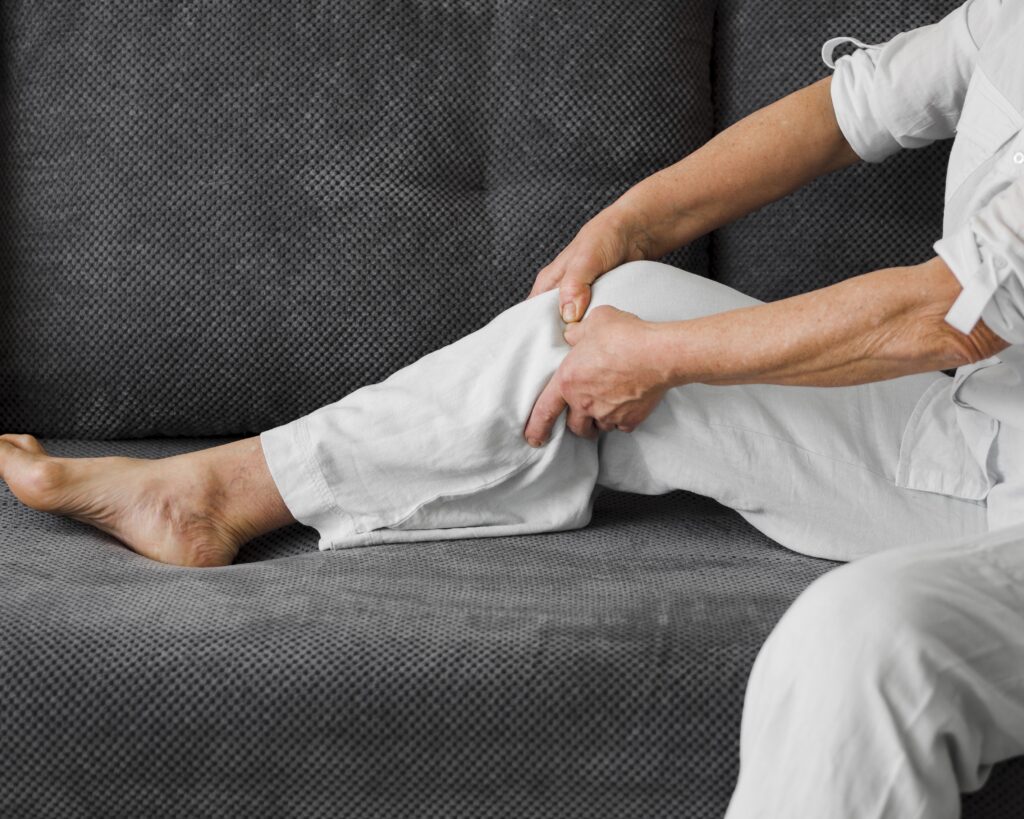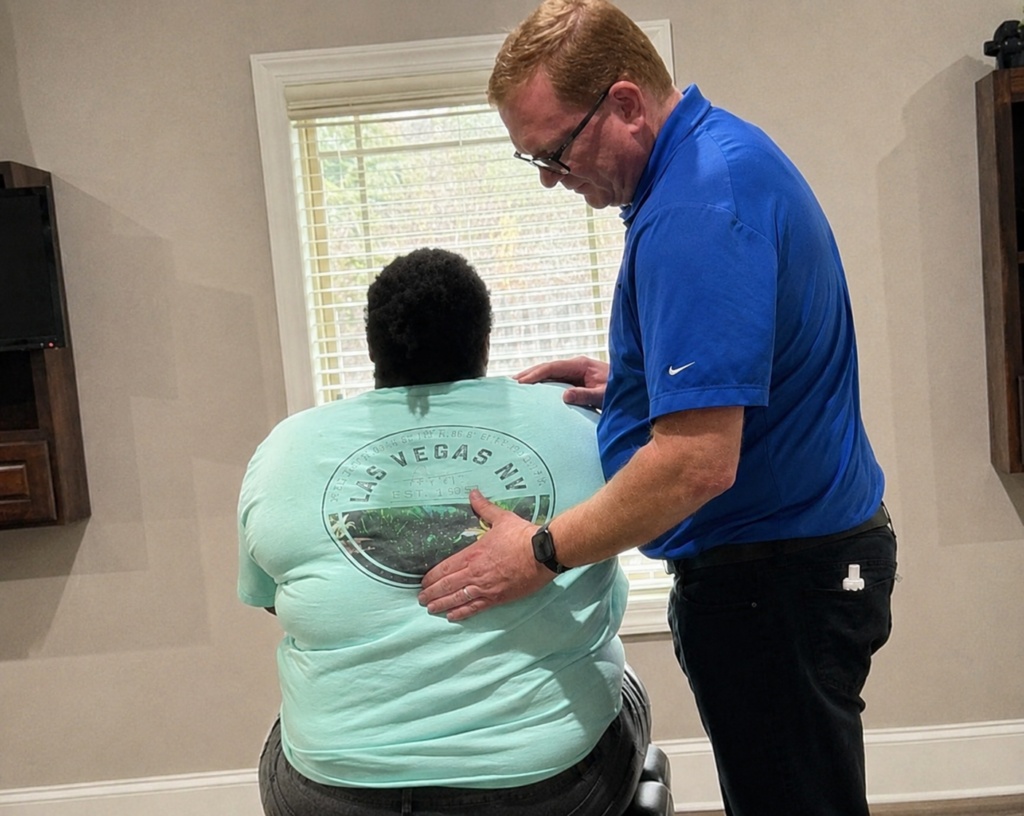

When you're dealing with a sports injury, figuring out the best treatment can feel overwhelming. You might find that a combination of rest, ice, and physical therapy offers significant relief, but there's more to explore. Understanding how each method contributes to your recovery is essential, especially when considering medication options and alternative therapies. As you weigh your choices, you might discover surprising insights that could accelerate your healing process. What if the solution to your discomfort lies in a treatment you hadn't considered?
Rest and Recovery
When dealing with a sports injury, prioritizing rest and recovery is essential for a successful return to activity. You might be enthusiastic to jump back into your routine, but pushing through pain can lead to more serious complications. Taking the time to rest allows your body to heal and regain strength, which is fundamental for long-term performance.
During the recovery phase, pay attention to your body's signals. If an activity causes discomfort, don't ignore it; that's your cue to take a step back. You'll want to create a recovery plan that incorporates adequate rest periods, which are just as important as your training sessions. Aim for a balance that promotes healing while keeping your motivation intact.
You should also consider reducing the intensity of your workouts. Instead of high-impact exercises, try gentler activities like stretching or low-intensity cycling. This way, you can maintain some level of fitness without putting undue stress on your injury.
Moreover, sleep plays a significant role in recovery. Aim for at least seven to nine hours of quality sleep each night, as this is when your body repairs itself most effectively.
Lastly, don't hesitate to consult with a healthcare professional. They can provide personalized advice and monitor your recovery process, ensuring you're on the right track.
Ice and Compression
Applying ice and compression can greatly aid in managing sports injuries and reducing inflammation. When you experience a sprain, strain, or any acute injury, the first step is to address the swelling and pain. Ice therapy is effective because it constricts blood vessels, which can minimize swelling and numb the area, providing immediate relief.
To use ice effectively, wrap ice packs or crushed ice in a cloth to protect your skin. Apply it to the affected area for about 15 to 20 minutes at a time. Make sure to give your skin a break between applications to prevent frostbite. You can repeat this process several times a day, especially within the first 48 hours after the injury.
Compression is equally important. It involves applying a bandage or wrap around the injured area to help control swelling. This technique not only supports the injured site but also reduces the amount of fluid that can collect. When wrapping, make sure it's snug but not too tight—your fingers or toes shouldn't feel numb, and your skin should maintain a normal color.
Combining ice and compression can work wonders in the recovery process. By regularly applying these methods, you can greatly decrease pain and swelling, enabling you to return to your favorite activities sooner.
Remember to listen to your body, and always consult a healthcare professional if you're unsure about the severity of your injury or the appropriate treatment.
Physical Therapy
After you've managed initial pain and swelling with ice and compression, physical therapy becomes a key component in your recovery. It helps restore your strength, flexibility, and function, allowing you to return to your favorite activities. A qualified physical therapist will assess your injury and create a personalized treatment plan tailored to your needs.
In physical therapy, you'll engage in various exercises designed to improve your range of motion and rebuild strength. These exercises often focus on both the injured area and surrounding muscle groups to guarantee balanced recovery. Your therapist will guide you through each step, making certain you use proper techniques to prevent further injury.
Manual therapy techniques, such as massages or joint mobilization, can also be a part of your treatment. These hands-on approaches help ease pain, reduce stiffness, and enhance blood flow, promoting healing. Additionally, your therapist may introduce modalities like ultrasound or electrical stimulation to aid recovery.
As you progress, your therapist will modify your program to match your evolving needs. It's important to stay committed and practice the exercises regularly, as consistency is key to a successful recovery.
Over time, you'll likely notice improvements in your strength and mobility, which can boost your confidence and encourage you to return to your sport.
Medication Options
Pain relief is often an essential part of your recovery from a sports injury, and medication options can play a significant role. When you're dealing with pain and inflammation, over-the-counter (OTC) medications like nonsteroidal anti-inflammatory drugs (NSAIDs) can be your first line of defense. Ibuprofen and naproxen are common choices that not only help alleviate pain but also reduce swelling.
Always follow the recommended dosage, and consult your doctor if you have any pre-existing conditions or are on other medications.
If OTC options aren't cutting it, your doctor may prescribe stronger pain relievers. These can include prescription-strength NSAIDs or even opioids in some cases. However, opioids come with a risk of addiction, so they should only be used under strict medical supervision and for short periods.
Another option you might consider is topical analgesics. These creams or gels can be applied directly to the injured area, providing localized relief without the systemic effects of oral medications. They often contain ingredients like menthol or capsaicin, which can help distract your nerves from pain.
Finally, don't overlook the importance of combining medication with other treatments. While meds can help manage pain, they should be part of a broader recovery plan that includes physical therapy and rest.
Always discuss your medication options with a healthcare professional to ascertain you're making the best choices for your specific injury and situation.
Alternative Treatments
While conventional treatments like medication are effective for many, exploring alternative treatments can also offer valuable relief for sports injuries. These options can complement traditional methods, helping you recover more effectively and holistically.
One popular alternative treatment is acupuncture. This ancient practice involves inserting thin needles into specific points on your body to stimulate healing and reduce pain. Many athletes report notable improvements in their recovery times and overall well-being after acupuncture sessions.
Another effective approach is chiropractic care. Chiropractors focus on aligning your spine and joints, which can alleviate pain and enhance your body's natural healing processes. Regular adjustments mightn't only help with injury recovery but also prevent future issues.
Therapeutic massage is another great option. This treatment can relieve muscle tension, improve circulation, and promote relaxation. Whether you choose deep tissue, sports, or trigger point massage, the benefits can be profound in helping you recover from injuries.
You might also want to reflect on physical therapy that incorporates alternative techniques, such as yoga or Pilates. These practices focus on strengthening, flexibility, and overall body awareness, which can notably aid in your rehabilitation journey.
Lastly, herbal remedies and supplements can play a role in recovery. Always consult a healthcare professional before starting any new regimen, but options like turmeric or omega-3 fatty acids may reduce inflammation and support healing.
Incorporating these alternative treatments could enhance your recovery, allowing you to return to your favorite sports more quickly and safely.
Conclusion
To summarize, managing sports injuries effectively requires a balanced approach that includes rest, ice, physical therapy, and medication. By prioritizing these treatments, you can support your body's healing process and get back to your favorite activities sooner. Don't forget to explore alternative options like acupuncture and massage, which can further enhance your recovery. Listen to your body, stay proactive, and remember that a thorough treatment plan is key to overcoming sports injuries successfully.