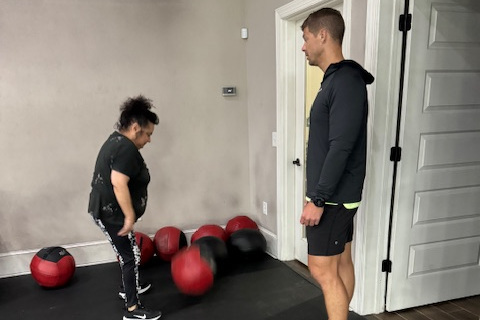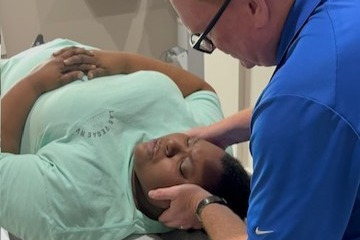

When you suffer from a sports injury, it's essential to consider adjustments tailored specifically to your recovery. As a local chiropractor, I want to emphasize that a personalized approach can significantly enhance your healing process while also addressing the unique challenges posed by each injury. This involves reevaluating your training regimen, prioritizing proper nutrition, and integrating effective rehabilitation techniques.
But let's not overlook the psychological aspects of recovery. Your mindset can play a crucial role in your journey back to peak performance. Understanding how these emotional factors influence your healing can fundamentally change how you approach your recovery. By incorporating chiropractic care into your rehabilitation, we can help improve not just your physical health but also support your mental well-being, setting you up for a more successful return to your sport.
Importance of Personalized Recovery Plans
As a local chiropractor, I want to emphasize the importance of having a personalized recovery plan when recovering from sports injuries. Each injury is distinct, just like your body's unique response to it. By developing a tailored recovery plan specifically for you, we can effectively address your individual needs, preferences, and goals, significantly increasing your chances of a full recovery.
First and foremost, a personalized plan takes into account the specific nature of your injury. Whether you're dealing with a sprain, strain, or fracture, understanding the severity and location of your injury is crucial. This allows us to focus on the appropriate rehabilitation exercises that will aid in your recovery.
Your plan should include a balanced approach with rest, chiropractic adjustments, physical therapy, and a gradual return to sport-specific activities. If we overlook this tailored approach, you risk the chance of re-injury or a prolonged healing process.
It's also important to recognize that each person has varying levels of fitness and experience. A customized recovery plan will accommodate your current physical condition and any previous injuries you may have had. This ensures that you won't push yourself too hard too soon, allowing you to build strength and flexibility at a pace that feels comfortable for you.
Additionally, we can't underestimate the mental aspects of recovery. By incorporating elements that you find enjoyable, you'll remain motivated and engaged throughout the healing process. This could involve setting realistic goals or incorporating activities that you love, all of which can promote healing and enhance your overall experience.
At our chiropractic clinic, we're dedicated to helping you create a personalized recovery plan that fits your unique situation. Together, we can work towards your full recovery and get you back to doing what you love.
Role of Nutrition in Healing
As a local chiropractor, I want to emphasize how crucial nutrition is for your healing process, especially when recovering from sports injuries. Many people may not realize that proper nutrition can significantly enhance your recovery. When you're dealing with an injury, your body requires specific nutrients to repair tissues, decrease inflammation, and support overall healing. By adopting a balanced diet, you can equip your body with the essential components it needs to recover effectively.
Protein is particularly important in this process, as it aids in rebuilding muscle and tissue after an injury. It's beneficial to include sources of lean protein such as chicken, fish, eggs, dairy products, legumes, and nuts in your meals. Additionally, don't underestimate the power of healthy fats, which are found in foods like avocados, olive oil, and fatty fish. These fats can help reduce inflammation and facilitate cellular repair.
Carbohydrates also play a vital role in recovery by providing your body with the energy it needs. I recommend choosing whole grains, fruits, and vegetables, as they not only offer sustained energy but also supply important vitamins and minerals that contribute to your healing. Specifically, vitamins A, C, and E, along with zinc, are essential for immune function and tissue repair. Therefore, aim to incorporate a variety of colorful fruits and vegetables into your meals.
Hydration is another key factor that shouldn't be overlooked. Drinking sufficient water is important, as it helps transport nutrients to your cells and supports recovery. I suggest aiming for at least eight glasses of water a day, and you might need to increase that amount if you're sweating more during physical therapy or rehabilitation exercises.
Finally, if you're looking for personalized guidance, consider consulting with a nutritionist who specializes in sports medicine. They can help tailor your dietary choices to meet your specific recovery needs, ensuring you're not just healing but also preparing your body for future performance.
Adjusting Training Regimens
As a local Chiropractor, I want to emphasize how crucial it's to adapt your training regimen during recovery. This isn't only a wise choice but essential for ensuring a smooth and effective comeback.
If you're healing from an injury, sticking to your usual routine could hinder your progress. Instead, it's important to modify your workouts to support healing while still keeping your body active.
Here are some key adjustments I recommend:
- Opt for low-impact exercises: Transition from high-impact activities to gentler alternatives like swimming or cycling. These options can help you maintain your cardiovascular fitness without putting additional strain on your injury.
- Focus on mobility work: Dedicate time to flexibility and mobility exercises. This approach not only aids in your recovery but also prepares your body for a stronger return to your usual activities. It's all about keeping your body limber and ready to perform.
- Tune in to your body: It's vital to listen to how your body reacts to each workout. If you experience discomfort or pain, don't hesitate to modify or even skip that particular exercise. Your body is your best guide during recovery.
By making these adjustments, you can ensure that your path to recovery isn't only effective but also aligns with the principles of natural healing that we promote in chiropractic care.
Your health and well-being are our top priority!
Rehabilitation Techniques to Consider
As a local chiropractor, I want to share some effective rehabilitation techniques that can significantly aid in your recovery from sports injuries.
It's crucial to prioritize proper rehabilitation to ensure a full recovery and to prevent future injuries. One method I often recommend is the Active Release Technique. This specialized approach focuses on addressing soft tissue issues, helping to release tension and improve mobility.
Additionally, I encourage incorporating Functional Movement Screening into your recovery plan. This assessment evaluates your movement patterns, allowing us to identify any imbalances or weaknesses that may contribute to injury.
By understanding how you move, we can tailor a rehabilitation program that not only helps you regain strength but also equips you with the tools to stay injury-free. Embracing these natural healing methods can expedite your return to the activities you love.
Let's work together to get you back in the game!
Active Release Technique
As a local chiropractor, I want to introduce you to an effective rehabilitation method known as Active Release Technique (ART), particularly beneficial for those dealing with sports injuries. This hands-on therapy is designed to release tension in your muscles, tendons, ligaments, and fascia, allowing for a more efficient and natural recovery process.
By addressing the underlying causes of your pain or restrictions, ART can significantly enhance your mobility and overall performance.
Here are some key benefits of incorporating ART into your recovery plan that I believe you'll find valuable:
- Targeted Relief: ART zeroes in on specific areas of concern, effectively breaking down scar tissue and adhesions that can impede your progress towards recovery.
- Improved Range of Motion: By releasing tight spots in your body, ART enhances your flexibility, enabling you to move freely and confidently during your physical activities.
- Faster Recovery: With regular ART sessions, many patients experience quicker healing times, allowing them to return to their favorite sports sooner and in better condition.
As a trained ART practitioner, I'm dedicated to identifying your unique issues and tailoring treatments specifically to meet your needs.
If you're seeking an effective way to enhance your recovery and address sports injuries naturally, I encourage you to consider adding Active Release Technique to your rehabilitation toolkit. It could very well be the breakthrough you need on your journey to recovery.
Functional Movement Screening
As a local chiropractor, I want to share an essential aspect of your rehabilitation journey that you mightn't be familiar with: Functional Movement Screening (FMS).
While techniques like Active Release Technique provide targeted relief for sports injuries, FMS is a valuable tool that can help us understand how your body moves and functions.
FMS allows us to identify any movement deficiencies or imbalances that could be impacting your recovery and overall performance. Through a series of tests, we evaluate your mobility, stability, and functional movement patterns.
This thorough assessment not only highlights areas of concern that may put you at risk for injury but also reveals any existing issues that need attention.
By incorporating the insights gained from your FMS evaluation into your individualized treatment plan, we can focus on correcting dysfunctional movement patterns.
This targeted approach can significantly enhance your recovery process, helping you not only to feel better but also to prevent future injuries.
Integrating FMS into your rehabilitation plan can truly transform your healing experience.
It lays a strong foundation for your recovery, ensuring that when you return to your favorite activities or sports, your body is prepared to perform at its best.
Remember, a comprehensive movement assessment is a crucial step in your path to full recovery and optimal health.
Don't overlook the power of understanding how your body moves—it's key to achieving lasting wellness.
Psychological Aspects of Recovery
When you experience a sports injury, it's important to understand that the psychological aspects of recovery are just as crucial as the physical ones.
As a local chiropractor, I want to emphasize the importance of building mental resilience during your rehabilitation process. This mental strength can help you manage the stress that often accompanies recovery and keep you focused on your healing goals.
In my practice, I often see how maintaining motivation can significantly impact your recovery journey. Chiropractic care not only addresses the physical injuries but also supports your overall well-being, including your mental state.
By incorporating natural healing techniques, we can work together to create a holistic approach that aids in your recovery, ensuring that you stay engaged and positive throughout the process.
Mental Resilience Development
As a local chiropractor, I understand that mental resilience plays a crucial role in your recovery process, especially if you're dealing with injuries. It's not just about enduring physical pain; it's about nurturing a mindset that fosters healing and growth.
By implementing certain strategies, you can significantly enhance your mental resilience during this challenging time.
- Set realistic goals: I recommend breaking your recovery into smaller, achievable milestones. This approach not only helps keep you motivated but also provides a sense of accomplishment as you see progress over time.
- Embrace a positive attitude: Maintaining a positive mindset can have a profound effect on your recovery journey. Surrounding yourself with supportive friends and family, as well as engaging in uplifting activities, can greatly enhance your mood and outlook.
- Practice mindfulness: Incorporating mindfulness techniques such as meditation or deep breathing exercises can help you stay grounded, reduce anxiety, and improve your focus on the healing process.
By focusing on these strategies, you can build the mental toughness needed to navigate your recovery effectively.
Coping With Injury Stress
As a chiropractor, I often see patients who are struggling with the stress that accompanies an injury. It's important to understand that acknowledging your feelings is a crucial first step in your healing journey. Injuries can lead to a range of emotions, including frustration, anxiety, and sadness. Recognizing these emotions as natural responses can help you navigate through them more effectively.
One helpful approach is to establish a daily routine. Having a structured schedule can provide a sense of normalcy, especially when you're dealing with the unpredictability of an injury. Focus on what you can control—such as setting achievable daily goals related to your rehabilitation. This mindset shift can empower you and reduce feelings of helplessness.
Incorporating relaxation techniques, like deep breathing exercises or mindfulness practices, can significantly aid in managing stress. These methods can help you center your thoughts and alleviate anxiety, making the recovery process feel more manageable.
Don't hesitate to lean on your support network, whether it's friends, family, or even a therapist. Sharing your experiences can help lighten the emotional burden.
Lastly, it's essential to remember that recovery is a journey that takes time. Be patient with yourself as you navigate this challenging period. Each small step you take towards healing is a victory worth celebrating, and recognizing these achievements can make your path to recovery a little smoother.
As your chiropractor, I'm here to support you every step of the way, utilizing natural healing techniques to aid your recovery.
Motivation During Rehabilitation
Maintaining motivation during rehabilitation is a crucial aspect of your journey to recovery, and as your local chiropractor, I understand the challenges you may face. The physical and mental hurdles can be daunting, but fostering a positive mindset is vital for your healing process.
Here are some strategies that can help you stay focused and committed to your recovery:
- Set Realistic Goals: It's important to break your recovery into smaller, manageable milestones. By doing so, you can celebrate each achievement, no matter how small, which helps maintain your motivation and reinforces your progress.
- Stay Connected: Engaging with your support system—be it friends, family, or fellow patients—can significantly boost your morale. Their encouragement and understanding can provide the emotional support you need during tough times.
- Visualize Success: Take a moment to picture yourself engaging in activities you love, free from pain and limitation. This positive mental imagery serves as a powerful motivator and can inspire you to persevere through the challenging days of rehabilitation.
As your chiropractor, I'm here to guide you through this journey with natural healing methods and personalized care plans that align with your recovery goals.
Together, we can work towards restoring your health and well-being.
Preventing Future Injuries
As a local chiropractor, I want to share some essential steps to help you prevent future injuries and maintain a healthier, more active lifestyle. The first thing to consider is evaluating any past injuries you've experienced. Understanding their root causes is crucial. I encourage you to consult with a healthcare professional, like myself, who can provide personalized insights and guidance tailored to your specific needs.
Once we identify the underlying issues, we can focus on strengthening the muscles surrounding the injury site. Incorporating targeted exercises into your routine can significantly enhance your strength and resilience. A robust foundation is key to minimizing the risk of re-injury.
Additionally, don't overlook the importance of flexibility; regular stretching can enhance your overall range of motion and help prevent strains.
It's also vital to prioritize warm-up and cool-down routines before and after your physical activities. These practices not only prepare your body for exercise but also aid in recovery afterward.
I can't stress enough how important it's to pay attention to your technique during training and competitions. Poor form can place unnecessary stress on your body, increasing the likelihood of injuries.
Make sure you have the proper equipment as well. This means wearing footwear that offers adequate support and cushioning suited to your particular sport. Regularly replacing worn-out gear is essential, as outdated equipment can contribute to injuries.
Lastly, always listen to your body. If you're experiencing pain or discomfort, it's important not to push through it. Resting and seeking medical advice when necessary can make all the difference in your recovery.
Conclusion
As a local chiropractor, I want to emphasize the importance of making adjustments for your recovery from sports injuries. It's crucial to understand that personalized recovery plans can significantly enhance your healing process. By focusing on proper nutrition and adapting your training regimen, you can improve your strength and mobility.
Incorporating effective rehabilitation techniques is a key part of recovery, and this is where chiropractic care can play a vital role. We can help you address any musculoskeletal issues and ensure your body is functioning optimally. Additionally, it's important to acknowledge the psychological aspects of recovery. Staying motivated can be challenging, but with the right support and guidance, you can keep your spirits high throughout the healing journey.
Ultimately, these adjustments not only promote a faster return to your favorite activities but also help prevent future injuries. By committing to this holistic approach, you can stay active in the game for longer and with greater strength. If you're curious about how chiropractic care can assist you in your recovery, I invite you to explore your options with us.