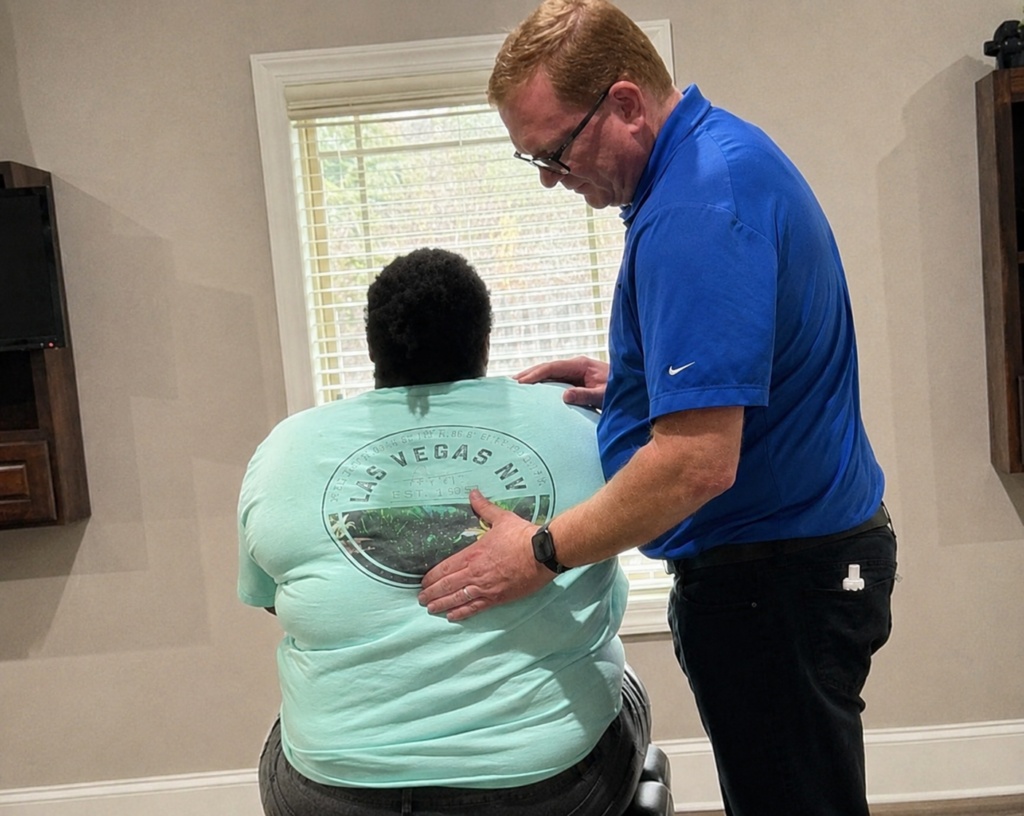

When anxiety strikes, you might wonder if self-help strategies are enough to find relief. While these methods can provide some comfort, they often fall short in addressing the deeper issues at play. Seeking expert adjustments can lead you to tailored treatment plans backed by evidence-based strategies, offering a more effective path to managing your symptoms. The benefits of professional guidance extend beyond immediate relief, fostering a supportive environment that encourages growth and resilience. But what exactly should you consider when choosing the right professional for your journey?
Understanding Anxiety Disorders
Anxiety disorders are more than just occasional worry; they're serious mental health conditions that can impact your daily life. If you've ever felt overwhelming fear or apprehension, you might be experiencing one of these disorders. You're not alone; millions of people struggle with anxiety, which can manifest in various forms, including generalized anxiety disorder, panic disorder, social anxiety disorder, and specific phobias.
Each type of anxiety disorder has its unique characteristics. For instance, generalized anxiety disorder often involves chronic worry about everyday issues, while panic disorder is marked by sudden and intense episodes of fear that can lead to physical symptoms like heart palpitations or shortness of breath.
Social anxiety disorder makes social interactions feel intimidating, leading you to avoid situations where you might be judged or scrutinized. Specific phobias, on the other hand, focus on intense fear of particular objects or situations, causing significant distress.
Recognizing these disorders is the first step toward understanding them. You might notice that anxiety affects your concentration, relationships, and overall quality of life. It can make simple tasks seem overwhelming and sap your energy.
Instead of dismissing these feelings as mere stress, it's vital to acknowledge their seriousness. Seeking help from a mental health professional can provide you with the tools and strategies needed to manage and alleviate your anxiety.
Limitations of Self-Help Methods
While understanding anxiety disorders is fundamental, it's important to recognize that self-help methods can have limitations. You might find comfort in various techniques, but these approaches can often fall short when dealing with the complexity of anxiety.
Here are some key limitations to reflect upon:
- Lack of Personalization: Self-help methods often adopt a one-size-fits-all approach. What works for one person may not work for you, leaving you feeling frustrated and stuck.
- Superficial Understanding: You might only scratch the surface of your anxiety without diving deeper into its root causes. This limited insight can hinder your long-term progress and healing.
- Inconsistent Results: Many self-help strategies require time and commitment, and it's easy to become inconsistent. Without accountability, you may not stick to your plan, leading to minimal results.
- Missed Triggers: You mightn't be aware of specific triggers or underlying issues that contribute to your anxiety. Self-help methods may not equip you to identify and cope with these factors effectively.
While self-help can provide temporary relief, recognizing these limitations is vital.
It's important to understand that sometimes, seeking expert adjustments can offer more thorough solutions tailored to your unique situation, paving the way for lasting relief and growth.
Benefits of Professional Guidance
When you seek professional guidance for anxiety relief, you gain access to tailored treatment plans designed specifically for your needs.
Experts use proven techniques and strategies that can make a real difference in your journey toward feeling better.
With their support, you can navigate your anxiety with greater confidence and effectiveness.
#
Tailored Treatment Plans
Often, individuals seeking relief from anxiety find that tailored treatment plans greatly enhance their journey to wellness. When you work with a professional, you get a personalized approach that considers your unique needs, preferences, and circumstances.
Here are some key benefits of tailored treatment plans:
- Individualized Attention: Professionals assess your specific anxiety triggers and symptoms, allowing for targeted strategies that resonate with your situation.
- Adaptability: Your treatment can evolve based on your progress and feedback. This flexibility means adjustments can be made as you grow and change.
- Comprehensive Support: Experts often integrate various therapeutic modalities, ensuring that you receive a well-rounded approach that addresses both emotional and physical aspects of anxiety.
- Accountability: Having a professional guide you holds you accountable for your progress. Regular check-ins can help you stay motivated and committed to your wellness journey.
Expert Techniques and Strategies
Expert guidance can be a game-changer in managing anxiety, offering you access to proven techniques and strategies that mightn't be available through self-directed efforts.
Professionals bring a wealth of knowledge and experience, allowing you to explore evidence-based approaches tailored to your specific needs.
Cognitive-behavioral therapy (CBT) is one technique that experts often employ. This method helps you identify and challenge negative thought patterns, teaching you healthier ways to interpret your experiences.
Mindfulness practices are another powerful strategy; they encourage you to stay present, reducing the tendency to ruminate on anxious thoughts.
Additionally, professionals can introduce you to relaxation techniques, such as deep breathing and guided imagery, designed to ease tension and promote calmness.
They can also help you establish coping mechanisms that suit your lifestyle, empowering you to manage anxiety in real time.
With expert support, you'll gain insights into your triggers and learn how to navigate them more effectively.
This structured guidance can enhance your resilience, making your journey toward anxiety relief smoother and more effective.
## Tailored Treatment Plans
When it comes to managing anxiety, a one-size-fits-all approach often falls short.
You'll benefit from personalized therapy approaches that cater specifically to your needs.
Thorough assessment techniques can help identify what works best for you, ensuring a more effective treatment plan.
Personalized Therapy Approaches
Personalized therapy approaches, designed to meet your unique needs, can greatly enhance anxiety relief. By focusing on what works best for you, these tailored treatment plans can lead to more effective and lasting results.
Here are four key benefits of personalized therapy:
- Targeted Techniques: You'll use specific strategies that address your particular triggers, making the therapy more relevant and impactful.
- Flexible Adjustments: As you progress, your therapist can adjust your treatment plan based on your feedback and changing needs, ensuring that you're always on the right track.
- Enhanced Motivation: When therapy feels tailored to you, it's easier to stay engaged and motivated. You're more likely to commit to the process and see improvements.
- Stronger Therapeutic Alliance: A personalized approach fosters a stronger bond with your therapist, allowing for open communication and a deeper understanding of your experiences.
Investing in personalized therapy means investing in yourself. By choosing a plan that resonates with you, you can take significant steps toward managing your anxiety and reclaiming your peace of mind.
Comprehensive Assessment Techniques
To effectively tailor your treatment plan for anxiety, a detailed assessment is essential. This process begins with understanding your unique symptoms, triggers, and coping mechanisms. A thorough assessment often includes standardized questionnaires that evaluate the severity of your anxiety and any co-existing conditions. These tools help pinpoint specific areas where you may need support.
In addition to questionnaires, a skilled professional will likely conduct interviews to gather detailed information about your medical history, lifestyle, and emotional well-being. This holistic approach guarantees that your treatment plan addresses not just the symptoms but also the root causes of your anxiety.
Moreover, your assessment may involve physiological evaluations, such as heart rate monitoring or stress tests, to assess how your body responds to anxiety. By integrating these various techniques, your expert can develop a tailored plan that matches your needs—whether that includes therapy, medication, or lifestyle modifications.
Evidence-Based Strategies
Evidence-based strategies for anxiety relief are grounded in scientific research and clinical practice, making them highly effective. When you seek expert adjustments for anxiety, you'll likely encounter several key strategies that can help you manage your symptoms.
These approaches not only provide immediate benefits but also equip you with long-term tools for coping.
Here are four evidence-based strategies to contemplate:
- Cognitive Behavioral Therapy (CBT): This well-researched approach helps you identify and change negative thought patterns that contribute to your anxiety. Through CBT, you'll learn practical skills to challenge irrational fears and develop healthier perspectives.
- Mindfulness and Meditation: Practicing mindfulness allows you to stay present and focused, reducing anxiety's grip on your mind. Regular meditation can help you cultivate a sense of calm, making it easier to handle stressful situations.
- Exposure Therapy: Gradually exposing yourself to anxiety-provoking situations in a controlled manner can diminish your fear response. This strategy is particularly useful for phobias and social anxiety, enabling you to confront your fears step by step.
- Exercise: Regular physical activity has been shown to reduce anxiety levels considerably. Whether it's a brisk walk or an intense workout, moving your body releases endorphins, which can elevate your mood and alleviate stress.
Addressing Root Causes
Addressing the root causes of anxiety is essential for long-lasting relief and recovery. When you tackle the underlying issues, you're not just treating the symptoms; you're creating a solid foundation for your mental wellness.
It's easy to get caught up in quick fixes, but without understanding what triggers your anxiety, those solutions often fall short.
You might find that your anxiety stems from various sources, such as unresolved trauma, chronic stress, or unhealthy relationships. By identifying these root causes, you can begin to work through them effectively.
It's important to reflect on your life experiences and how they've shaped your current emotional state. This self-awareness helps you understand why certain situations provoke anxiety.
Consider seeking professional guidance to help you explore these underlying issues. A trained expert can provide tailored strategies to unpack and address your specific challenges.
This collaborative approach not only aids in uncovering root causes but also equips you with tools to manage anxiety more effectively.
Recognizing and addressing your anxiety's root causes empowers you to take control. You'll likely notice improvements in your emotional health, leading to a more fulfilling life.
Remember, it's a journey that requires patience and persistence. By committing to this process, you're investing in your long-term well-being and establishing a healthier relationship with yourself.
The path to relief starts with understanding where your anxiety originates, allowing you to move forward with confidence.
Holistic Approaches to Relief
Holistic approaches to anxiety relief focus on treating the whole person rather than just the symptoms. By integrating various techniques, these methods aim to create balance in your mind, body, and spirit.
You'll find that addressing anxiety through a holistic lens can lead to more sustainable and meaningful relief. Here are four effective strategies to evaluate:
- Mindfulness Meditation: Practicing mindfulness helps you stay present, reducing racing thoughts and anxiety. Even just a few minutes a day can make a significant difference in your overall well-being.
- Physical Activity: Regular exercise releases endorphins, which are natural mood lifters. Whether it's yoga, running, or dancing, find an activity you enjoy to help alleviate tension.
- Nutrition: Your diet plays a vital role in your mental health. Eating a balanced diet rich in whole foods can improve your mood and energy levels, making it easier to manage anxiety.
- Herbal Remedies: Certain herbs, like chamomile and lavender, have calming properties. Incorporating these into your routine—through teas or essential oils—can enhance your relaxation practices.
Importance of Ongoing Support
Finding effective ways to manage anxiety is important, but ongoing support can greatly enhance your journey to relief. It's easy to feel isolated when you're dealing with anxiety, and having a support system can make all the difference. Surrounding yourself with people who understand what you're going through provides comfort and reassurance, helping you to feel less alone.
Engaging with professionals, like therapists or support groups, offers you insights and coping strategies that you mightn't discover on your own. These experts can guide you in identifying triggers and developing personalized techniques to manage your anxiety. Regular check-ins can also hold you accountable, encouraging you to stay on track with your goals.
Additionally, ongoing support fosters a sense of community. You can share experiences, celebrate small victories, and find solace in knowing others are facing similar challenges. This shared understanding can provide motivation during tough times and remind you that progress is possible.
Moreover, maintaining ongoing support allows you to adapt your strategies as your needs change. Life's ups and downs can affect how you manage anxiety, so having experts and peers to turn to guarantees that you're not traversing these changes alone. It's about building resilience and equipping yourself with the tools you need to face future challenges.
In essence, ongoing support isn't just beneficial; it's essential. Investing in this aspect of your journey can lead to deeper healing and lasting relief from anxiety.
The Role of Medication
When it comes to managing anxiety, medication can play a vital role in your treatment plan.
You'll find various types of anxiety medications, each with its own benefits and potential side effects.
Understanding these options can help you make informed decisions about your mental health journey.
Types of Anxiety Medications
Anxiety can feel overwhelming, but medication offers a viable path to relief for many individuals. Understanding the types of anxiety medications available can help you make informed choices about your treatment.
Here are four common types:
- Selective Serotonin Reuptake Inhibitors (SSRIs): These are often the first line of treatment. They work by increasing serotonin levels in the brain, improving mood and reducing anxiety.
- Serotonin-Norepinephrine Reuptake Inhibitors (SNRIs): Similar to SSRIs, SNRIs also enhance serotonin but additionally boost norepinephrine levels, which can help with both anxiety and depression.
- Benzodiazepines: These are typically prescribed for short-term relief. They act quickly to reduce anxiety symptoms but can be addictive, so they're not recommended for long-term use.
- Buspirone: This medication is another option that's effective for chronic anxiety. It doesn't have the sedative effects of benzodiazepines, making it a safer choice for long-term management.
Benefits of Medication Use
Medication can play an essential role in managing anxiety, providing relief that allows you to regain control over your daily life. When you're struggling with persistent worry and fear, anxiety medications can help stabilize your mood and reduce symptoms that interfere with your daily activities.
One significant benefit of these medications is their ability to work quickly. Many people experience noticeable improvements within days, making it easier for you to engage in therapy and other coping strategies. This immediate relief can be vital, especially when anxiety feels overwhelming.
Additionally, medication can help restore your overall sense of well-being. By alleviating anxious thoughts and physical symptoms, you can focus on what truly matters, whether it's spending time with loved ones, pursuing hobbies, or advancing your career.
Moreover, medications can provide a supportive foundation as you develop healthier coping mechanisms. They can help create a more stable emotional environment, allowing you to tackle underlying issues with greater clarity.
Potential Side Effects
Steering through the domain of anxiety medication often includes acknowledging potential side effects that can arise during treatment.
While medication can be beneficial, it's essential to remain informed about what you might experience. Understanding these side effects helps you make informed decisions with your healthcare provider.
Here are some common potential side effects you may encounter:
- Drowsiness or Fatigue: You might feel unusually tired or sleepy, which can affect your day-to-day activities.
- Gastrointestinal Issues: Nausea, diarrhea, or stomach discomfort can occur, impacting your appetite and overall well-being.
- Weight Changes: Some medications may lead to weight gain or loss, altering your body image and self-esteem.
- Emotional Blunting: You may find it hard to feel joy or sadness, which can affect relationships and your general outlook.
Recognizing these side effects allows you to communicate effectively with your healthcare provider.
Adjustments can be made to your treatment plan, ensuring you find the right balance for anxiety relief without compromising your quality of life.
Always prioritize transparency about your experiences for ideal care.
Finding the Right Professional
Choosing the right professional for your anxiety relief journey can feel overwhelming, but it's an important step toward healing. First, consider what type of expert suits your needs. Therapists, psychologists, and psychiatrists all offer different approaches. A therapist or psychologist typically focuses on talk therapy, while a psychiatrist can prescribe medication if necessary. Understanding these distinctions helps you make an informed choice.
Next, look for professionals with experience in treating anxiety. Research their credentials and read reviews from previous clients. Don't hesitate to ask potential providers about their treatment approaches and success rates. It's essential to find someone who aligns with your specific issues and feels relatable to you.
Also, consider logistics like location, availability, and cost. Finding someone who fits your schedule and budget can greatly reduce the stress associated with seeking help. Many professionals offer sliding scale fees or accept insurance, so don't shy away from inquiring about payment options.
Once you've narrowed down your choices, schedule initial consultations. This meeting allows you to gauge their communication style and whether you feel comfortable discussing your concerns. Trust your instincts; your comfort level is crucial for effective treatment.
Finally, remember that finding the right professional may take time. If you don't feel a connection with one, it's completely okay to seek someone else. Your journey toward anxiety relief is personal, and the right expert can make all the difference in achieving lasting peace.
Conclusion
In seeking expert adjustments for anxiety relief, you're taking an essential step toward understanding and managing your symptoms effectively. Professional guidance offers tailored treatment plans and evidence-based strategies that self-help methods often can't match. With ongoing support and accountability, you'll navigate your journey to wellness more confidently. Remember, finding the right professional can make all the difference in achieving long-term relief, helping you reclaim control over your life and well-being.