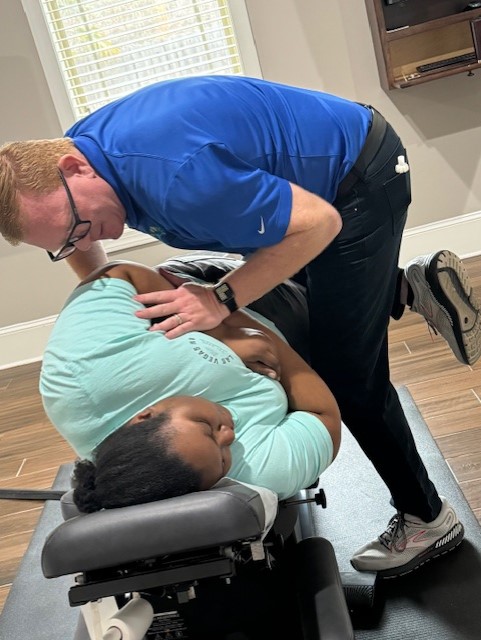

If you've ever felt stiff or limited in your movements, you're not alone, and improving your flexibility can greatly enhance your overall well-being. You might think flexibility is solely for athletes, but it's essential for everyone. By incorporating a few effective techniques into your routine, you can open up a greater range of motion and reduce the risk of injury. Curious about the specific strategies that can make a difference? Let's explore the ten secrets that could transform your flexibility starting today.
Warm Up Properly
Before diving into your flexibility routine, it's crucial to warm up properly. This step prepares your muscles and joints, reducing the risk of injury while maximizing your performance. A good warm-up increases blood flow to your muscles, making them more pliable and ready for stretching.
Start with light aerobic activity to raise your heart rate. This could be a brisk walk, jogging in place, or cycling for about five to ten minutes. You want to elevate your body temperature, making your muscles more receptive to stretching. Pay attention to how your body feels during this phase; if you notice any tightness or discomfort, you might need to adjust your warm-up.
After your heart rate is up, shift to some dynamic movements. Think of leg swings, arm circles, or torso twists.
These exercises engage the muscles you'll be stretching, promoting mobility and preparing them for more intense movements. Focus on controlled motions rather than vigorous ones; you want your body to gradually adapt and loosen up.
Incorporate Dynamic Stretching
Dynamic stretching can greatly enhance your flexibility and prepare your body for movement.
By incorporating exercises like leg swings and arm circles into your routine, you'll not only improve your range of motion but also reduce your risk of injury.
Let's explore the benefits and best practices for adding dynamic stretching to your workouts.
Benefits of Dynamic Stretching
Incorporating dynamic stretching into your warm-up routine can greatly enhance your flexibility and overall athletic performance. Unlike static stretching, which involves holding a stretch, dynamic stretching involves moving parts of your body through a full range of motion. This technique warms up your muscles and increases blood flow, preparing your body for the demands of your workout or sport.
One of the key benefits of dynamic stretching is that it improves your functional flexibility. By engaging your muscles in motion, you increase their ability to lengthen and contract efficiently. This not only enhances your performance but also reduces the risk of injuries.
You'll find that dynamic stretching can help improve your coordination and balance, leading to better agility during physical activities. Additionally, this form of stretching can boost your energy levels. As your body warms up, you're likely to feel more alert and ready to tackle your workout.
Incorporating dynamic stretches can also help you maintain better posture and alignment, which is vital for peak performance.
Best Dynamic Stretching Exercises
A well-rounded warm-up routine includes a variety of dynamic stretching exercises that effectively prepare your body for action. One of the best dynamic stretches is the leg swing. Stand next to a wall for support, and swing one leg forward and backward, gradually increasing the range of motion. Switch legs after 10-15 swings.
Next, try arm circles. Extend your arms out to the sides and make small circles, gradually increasing their size. Do this for about 30 seconds, then reverse the direction. This helps loosen your shoulders and upper body.
Walking lunges are another excellent choice. Step forward with your right leg into a lunge, keeping your knee behind your toes. Push off your front foot and bring your back leg forward into the next lunge. Repeat for 10-12 reps on each side.
Lastly, don't forget high knees. Jog in place while lifting your knees towards your chest, alternating legs. This gets your heart rate up and activates your hip flexors.
Incorporating these exercises into your warm-up routine will enhance your flexibility and prepare you for your workout or activity.
Incorporating Into Routine
To effectively enhance your flexibility, integrating dynamic stretching into your routine is essential. Start by setting aside a specific time before your workouts, as this is when dynamic stretching can be most beneficial. Aim for 5 to 10 minutes of these movements to warm up your muscles and joints.
Incorporate exercises like leg swings, arm circles, and walking lunges. As you perform each stretch, focus on controlled movements rather than bouncing. This approach not only prepares your body for the workout ahead but also helps improve your overall flexibility over time.
You can also integrate dynamic stretches into your daily life. Try doing leg swings while waiting for your coffee or arm circles during a phone call. These small adjustments make it easier to include flexibility training without overhauling your schedule.
Don't forget to listen to your body. If a stretch feels uncomfortable, adjust your range of motion.
Consistency is vital, so aim to include dynamic stretching at least three to four times a week. By making these stretches a regular part of your routine, you'll notice significant improvements in your flexibility and overall performance.
Utilize Static Stretching
Static stretching is a powerful tool for improving flexibility and enhancing overall performance. By holding stretches for an extended period, you can lengthen your muscles and increase your range of motion. This method is particularly effective after workouts when your muscles are warm and more pliable. To get the most out of static stretching, it's crucial to be intentional and consistent.
Start by identifying the major muscle groups you want to target, such as your hamstrings, quadriceps, and shoulders. Choose a comfortable position, whether sitting or standing, and slowly ease into the stretch. Hold each stretch for 15 to 30 seconds, and remember to breathe deeply; this helps to relax your muscles and improve your stretch. Avoid bouncing or forcing your body into a position that feels painful; this can lead to injury instead of benefits.
Incorporating static stretching into your post-workout routine is a great way to promote recovery and prevent stiffness. You might even consider setting aside dedicated time for stretching sessions a few times a week. Consistency is key; the more regularly you stretch, the more flexibility you'll gain over time.
Consider keeping a stretching journal to track your progress and hold yourself accountable. Make it a habit to evaluate how your body feels before and after each session. This awareness can motivate you to stick with your routine, and soon enough, you'll notice significant improvements in your flexibility and overall athletic performance.
Explore Yoga Practices
Yoga practices offer a holistic approach to enhancing flexibility while also promoting mindfulness and relaxation. By incorporating various poses, or asanas, you can stretch and strengthen your muscles, improving your range of motion and overall flexibility.
Start your yoga journey with foundational poses like Downward Dog, Cat-Cow, and Child's Pose. These postures not only open up tight muscles but also encourage you to focus on your breath and body awareness.
As you progress, consider trying some deeper stretches such as Pigeon Pose or Lizard Pose. These poses target specific areas of tension, helping to release tight hips and hamstrings. Remember to listen to your body; if something feels too intense, adjust your position or take a break.
Consistency is key, so aim to practice regularly, even if it's just for a few minutes each day.
Don't forget about the importance of breath. In yoga, the breath acts as a guide, helping you move deeper into each pose and promoting relaxation. Try to synchronize your movements with your inhalations and exhalations. This mind-body connection not only enhances your flexibility but also cultivates a sense of calm and focus.
Finally, consider joining a local class or following online tutorials to keep your practice fresh and engaging. Surrounding yourself with a community can provide motivation and support as you explore the myriad of benefits yoga has to offer.
Embrace the journey, and you'll see improvements in your flexibility and overall well-being.
Engage in Regular Foam Rolling
Foam rolling is a game-changer for improving flexibility and reducing muscle tension.
By regularly using a foam roller, you can enhance blood flow and break down knots in your muscles.
Let's explore the benefits of foam rolling and some effective techniques to get the most out of your sessions.
Benefits of Foam Rolling
Incorporating regular foam rolling into your routine can greatly enhance your flexibility and overall muscle performance. Foam rolling helps break down muscle knots and adhesions, which can improve your range of motion. By addressing these tight areas, you'll likely experience less pain and stiffness, making your movements smoother and more efficient.
Additionally, foam rolling increases blood flow to your muscles. This improved circulation delivers essential nutrients and oxygen, promoting quicker recovery after workouts. You'll find that you can train harder and longer without the same level of soreness that can hold you back.
Another benefit is the enhancement of your body awareness. As you roll, you'll become more in tune with areas needing attention, helping you target specific muscle groups effectively. This awareness can lead to better workout form and performance, reducing the risk of injury.
Lastly, foam rolling can serve as a great way to relax and reduce stress. By incorporating it into your cool-down routine, you'll not only improve flexibility but also enjoy a calming effect on your mind and body.
Techniques for Effective Rolling
To achieve the best results from your foam rolling routine, it's essential to use effective techniques that target specific muscle groups. Start by identifying areas of tightness or discomfort. Once you've pinpointed these spots, position the foam roller beneath the targeted muscle and apply your body weight to create pressure.
Begin by rolling slowly, covering the entire length of the muscle. If you find a particularly tight knot, pause and hold pressure on that spot for 20-30 seconds. This technique, known as "trigger point release," can help alleviate muscle tension. Don't rush—slow, controlled movements are key.
Also, remember to breathe deeply as you roll; it helps relax your muscles. Aim for 1-2 minutes on each muscle group, focusing on the calves, quads, hamstrings, and back.
Finally, incorporate foam rolling into your routine consistently, preferably before and after workouts. This not only enhances flexibility but also aids in recovery.
Focus on Breathing Techniques
Breathing techniques play an essential role in enhancing your flexibility and overall physical performance. When you focus on your breath during stretching exercises, you not only ease muscle tension but also improve your mind-body connection.
Here are three key benefits of integrating breathing techniques into your flexibility routine:
- Increased Oxygen Flow: Deep breathing increases oxygen supply to your muscles, which can help them relax and stretch more effectively. This increased oxygen flow allows for longer, deeper stretches without the same level of discomfort.
- Enhanced Relaxation: Controlled breathing helps calm your nervous system. When you're relaxed, your muscles are less likely to tense up, making it easier to achieve deeper stretches. By focusing on your breath, you can reduce anxiety and create a more enjoyable stretching experience.
- Improved Focus: Concentrating on your breath can sharpen your mental focus, allowing you to be more present during your stretching routine. This mindfulness helps you listen to your body, making adjustments as needed to avoid injury and maximize your flexibility gains.
To incorporate these techniques, try inhaling deeply through your nose as you prepare to stretch and exhaling slowly through your mouth while you hold the stretch.
This practice can transform your flexibility sessions, making them more effective and enjoyable. So, next time you stretch, remember to breathe!
Stay Hydrated
Staying hydrated is essential for enhancing flexibility and overall performance in your workouts. When you're well-hydrated, your muscles function more efficiently, allowing for better movement and increased range of motion. Dehydration, on the other hand, can lead to stiffness, cramps, and decreased performance, making it harder to achieve those deep stretches you're aiming for.
To maintain ideal hydration levels, aim to drink water consistently throughout the day. You don't have to wait until you're thirsty; instead, set reminders to sip water regularly. This approach helps keep your body well-hydrated and ready for your flexibility exercises.
If you're engaging in intense workouts or activities, consider hydrating before, during, and after your sessions to replenish any fluids lost through sweat.
You might also want to pay attention to the signs your body gives you. If you notice dry mouth, fatigue, or headaches, it's likely time to drink up. Additionally, incorporating hydrating foods like cucumbers, oranges, and watermelons into your diet can boost your hydration levels. These foods not only provide essential nutrients but also contribute to your overall fluid intake.
Finally, remember that the temperature and humidity of your environment can affect your hydration needs. In warmer conditions, you may need to increase your fluid intake.
Set Realistic Goals
Setting realistic goals is essential for your flexibility journey, as it helps keep you motivated and focused. When you set achievable milestones, you're more likely to see progress and feel accomplished.
Here are three key considerations to help you set those goals effectively:
- Assess Your Current Flexibility: Before setting goals, take a moment to evaluate where you currently stand. Identify which areas need the most improvement, whether it's your hamstrings, hips, or shoulders. This assessment provides a foundation for your goals.
- Break It Down: Instead of aiming for an extreme goal like doing a full split right away, break it down into smaller, manageable steps. For instance, you could start with aiming to touch your toes or improve your straddle stretch by a few inches. Smaller goals keep you focused and encourage consistent progress.
- Set a Timeline: Give yourself a realistic timeframe to achieve each goal. Whether it's a few weeks or a couple of months, having a timeline helps track your progress and keeps you accountable.
Just remember, flexibility improvement takes time, so don't rush it.
Consistency Is Key
Consistency is essential for making real progress in your flexibility journey. It's not enough to stretch once in a while and hope for the best. To truly improve, you need to commit to a regular routine. This doesn't mean you have to spend hours every day; even short, focused sessions can yield impressive results when done consistently.
Start by setting aside specific times during the week dedicated to your flexibility work. Whether it's ten minutes in the morning or a longer session a few times a week, find what works best for you and stick to it. You'll be more likely to see improvements if you treat these sessions as non-negotiable appointments.
Incorporate a variety of stretches and techniques into your routine to keep things interesting and challenge your body in different ways. This might include static stretches, dynamic movements, or yoga poses. Rotating through different methods can prevent boredom and help you maintain your commitment.
Track your progress to stay motivated. Documenting your flexibility levels can be encouraging and provide a visual representation of your hard work. Celebrate small victories along the way; each improvement, no matter how minor, is a step toward your ultimate goal.
Listen to Your Body
Listening to your body is essential when it comes to improving flexibility. It's not just about pushing yourself to the limit; it's about understanding what your body needs. When you tune into your body's signals, you'll make better decisions about your stretching routine and overall flexibility journey.
Here are three key aspects to keep in mind:
- Know Your Limits: Pushing too hard can lead to injury. If you feel sharp pain or discomfort, back off. Flexibility should feel challenging but never painful.
- Stay Attuned to Your Progress: Track how your body responds to different stretches. If you notice that certain movements cause tightness or discomfort, adjust your routine. Flexibility is a gradual process, and it's crucial to recognize when you're making progress and when you need to reassess.
- Rest and Recover: Your body needs time to adapt to new stretches. If you're feeling fatigued or sore, give yourself a break. Incorporating rest days helps prevent burnout and allows your muscles to repair and grow more flexible.
Conclusion
By following these ten secrets, you'll see a noticeable improvement in your flexibility. Remember to warm up properly, incorporate dynamic and static stretching, and explore yoga practices. Regular foam rolling and staying hydrated are essential too. Set realistic goals and stay consistent, but most importantly, listen to your body. With dedication and patience, you'll access greater flexibility and overall well-being. Start today, and embrace the journey to becoming more flexible!