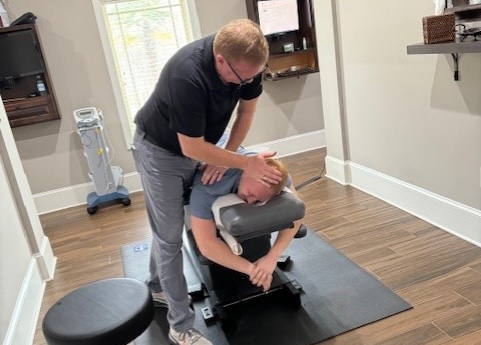

As a local chiropractor, I understand the concerns many parents and caregivers face when it comes to helping a child with ADHD find relief. You're not alone in this journey; many families are exploring holistic approaches to manage ADHD symptoms. Chiropractic care can be an essential part of a comprehensive strategy that may lead to significant improvements.
By focusing on the spine and nervous system, chiropractic adjustments can help enhance overall well-being, which may improve focus and calmness in children. Additionally, establishing consistent routines and breaking tasks into manageable steps are effective strategies that complement chiropractic care, creating an environment conducive to better concentration.
If you're interested in natural healing methods, consider exploring chiropractic treatments along with other supportive techniques to help your child thrive. Together, we can work towards a healthier and more balanced life for your child. What questions do you have about how chiropractic care can support your efforts in this journey?
Establish Consistent Routines
Establishing a consistent routine is vital for children with ADHD, and as a chiropractor, I understand how important it's to create a supportive environment for your child's well-being. When you implement a daily structure, it provides your child with predictability, which can help decrease anxiety and distractions.
Begin by setting specific times for waking up, meals, homework, and bedtime. This consistency not only fosters a sense of stability but also aligns with the holistic approach we embrace in chiropractic care.
Incorporating visual schedules can be especially beneficial in helping your child track their daily routine. You might consider using charts or apps that outline their tasks, enabling them to visualize what comes next. Engaging your child in the creation of this schedule is crucial; when they've a hand in shaping their routine, they're more inclined to adhere to it.
Flexibility is also key. Life is unpredictable, and disruptions to the schedule will happen. It's important to calmly adjust and explain these changes to your child. This not only teaches adaptability but also reinforces the significance of maintaining a routine.
Additionally, incorporating breaks throughout the day is essential. Children with ADHD often find it challenging to maintain focus for extended periods, so short, designated breaks can help them recharge. Encourage them to engage in physical activities or relaxation during these times, as movement can also support their overall health and well-being.
Finally, don't forget to celebrate their successes. When your child follows their routine, acknowledge their efforts. This positive reinforcement boosts their confidence and motivates them to continue with their routine.
Break Tasks Into Steps
Managing ADHD and other challenges can be complex, and as a local chiropractor, I often see how overwhelming tasks can impact overall well-being. One effective strategy that I recommend to my patients, whether they're dealing with ADHD or simply feeling stressed, is breaking tasks into manageable steps. This approach not only simplifies large projects but also promotes focus and organization—key components of maintaining both mental and physical health.
To begin, identify the task at hand. Instead of viewing it as a daunting whole, consider the specific actions required to complete it. For instance, if you have a project to tackle, break it down into smaller steps such as gathering necessary materials, reviewing any relevant information, executing each part of the task, and finally, assessing your work. Writing these steps down in a checklist format can help you visualize your progress and keep you organized.
Once you have your list, approach the tasks one at a time. Concentrate on completing the first step before moving on to the next. This method not only alleviates anxiety but also enhances your ability to focus on what you're doing. You might find it beneficial to set a timer for each step, allowing for short, concentrated periods of work followed by brief breaks. This technique can help maintain motivation and prevent feelings of burnout.
It's also important to celebrate your achievements, no matter how small they may seem. Completing a step is a significant accomplishment, and recognizing it can enhance your confidence and promote a positive mindset. If you encounter challenges along the way, remember that seeking help is always a wise choice. Whether it's from a friend, a family member, or a healthcare professional, support can make a difference.
Breaking tasks into steps can transform seemingly overwhelming projects into achievable goals, allowing you to navigate your responsibilities with greater ease and success. As your chiropractor, I encourage you to adopt this approach—not only for better task management but also for enhancing your overall quality of life through natural healing and proactive care.
Use Visual Aids
As a local chiropractor, I want to emphasize the importance of using visual aids to help individuals, especially children with ADHD, stay focused and organized.
Visual tools such as charts, diagrams, or images can significantly enhance understanding and retention of information. By incorporating these aids into daily routines, we can create a more engaging and effective learning environment.
This approach aligns with our commitment to natural healing and holistic care, ensuring that patients not only understand their treatment but also feel empowered in their wellness journey.
Types of Visual Aids
Visual aids can significantly enhance understanding and focus, especially for children with ADHD, but they can also be beneficial for patients exploring chiropractic care and natural healing. There are several types of visual aids that can help you grasp the concepts of chiropractic treatment and its benefits.
First, consider charts and diagrams. These tools can simplify complex information about the spine and nervous system, making it easier to understand how chiropractic adjustments promote overall health. For instance, a diagram of the spine can visually demonstrate how misalignments may affect your body's function.
Next, use flashcards to reinforce key concepts related to chiropractic care. You can create a set of cards that highlight different techniques, benefits, and terminology. This engaging approach can make learning about your treatment plan more enjoyable and less overwhelming.
Color-coded schedules and planners can also be incredibly effective. By assigning colors to different aspects of your health journey—like exercise, nutrition, and chiropractic visits—you can quickly identify what steps to take to support your wellness.
Lastly, picture cues can serve as helpful reminders for maintaining good posture or performing at-home exercises. Using images alongside written instructions can clarify expectations and promote adherence to your treatment plan.
Incorporating a variety of visual aids into your understanding of chiropractic care can foster engagement and improve your comprehension of this holistic approach to health. With the right tools, you'll empower yourself to take charge of your well-being and achieve optimal health!
Incorporating Visuals Daily
Incorporating visual aids into your daily routine can significantly benefit children with ADHD, much like how chiropractic care can enhance overall well-being. Visuals simplify tasks, improve focus, and enhance understanding—similar to how regular adjustments can align the body and mind for better functioning.
Consider using colorful charts or checklists to outline daily responsibilities for your child. This visual tracking can boost motivation and accountability, much like how a chiropractic plan outlines steps for achieving optimal health.
Timers with visual cues can also be effective in managing time. For instance, a sand timer can visually represent the time left for specific tasks, helping your child remain focused without feeling overwhelmed—similar to how a chiropractic session helps patients feel grounded and balanced.
Incorporating pictures or symbols for routines, such as getting dressed or completing homework, can act as constant reminders. Placing these visuals in prominent spots can reduce anxiety about what's coming next, akin to the reassurance many feel after a chiropractic adjustment.
Furthermore, visual schedules that break down larger tasks into manageable steps can prevent frustration and provide clarity, much like how a chiropractor explains the steps involved in a treatment plan.
Incorporate Physical Activity
As a local chiropractor dedicated to promoting holistic health, I want to emphasize the importance of incorporating physical activity into your child's routine, especially when managing ADHD symptoms. Engaging in activities that your child enjoys—whether it's team sports, outdoor play, or even simple exercises at home—can be incredibly beneficial.
Regular physical activity not only boosts mood but also enhances focus and energy levels, which are crucial for overall well-being.
In my practice, I've seen firsthand how movement can positively impact not just physical health, but mental clarity as well. Encouraging your child to participate in regular exercise can help them release pent-up energy, improve their ability to concentrate, and create a sense of accomplishment.
Remember, chiropractic care complements these efforts by ensuring that your child's spine and nervous system are functioning optimally, which is essential for their overall development and health.
Together, we can create a balanced approach to support your child's journey towards better health and well-being.
Types of Activities
As a local chiropractor, I often emphasize the importance of holistic approaches to managing conditions like ADHD. Engaging in physical activities can significantly contribute to overall well-being for children dealing with ADHD. Not only do these activities help release pent-up energy, but they also promote improved focus and a better mood.
Consider encouraging team sports such as soccer, basketball, or baseball. These sports not only provide a structured environment but also foster social interaction, which is crucial for emotional health.
Individual sports, including swimming, martial arts, or gymnastics, can help children cultivate self-discipline and a sense of personal achievement. Additionally, dance classes can be an enjoyable way for kids to express themselves while simultaneously elevating their heart rates.
Outdoor activities like hiking, biking, or simply playing at the park connect children with nature and provide the fresh air necessary for mental clarity. Incorporating games that involve movement, such as tag or capture the flag, can transform exercise from a chore into a fun experience.
Furthermore, practices like yoga and mindfulness can be incredibly beneficial. These activities combine physical movement with relaxation techniques, helping children focus their energy and calm their minds—an essential aspect of managing ADHD.
Ultimately, the most effective approach is to identify activities that your child genuinely enjoys. When they find joy in these pursuits, they're more likely to remain engaged and benefit from the physical exercise, supporting their overall health and well-being.
As your chiropractor, I encourage you to explore these options to enhance your child's quality of life naturally.
Scheduling Regular Exercise
As a chiropractor, I want to emphasize the importance of establishing a regular exercise routine, especially for children with ADHD. Engaging in physical activity isn't only vital for managing ADHD symptoms but also contributes significantly to overall health and wellness.
By integrating exercise into your child's daily life, you can help them channel their energy more effectively and enhance their focus, which is essential for their development.
I recommend aiming for at least 30 minutes of exercise most days of the week. It's crucial to choose activities that your child genuinely enjoys, whether that's biking, swimming, or playing a sport. When kids have fun, they're more likely to stick with the routine, which is beneficial for their physical and mental well-being.
To create a consistent habit, consider setting specific times for exercise, such as after school or before dinner. This structure helps instill discipline and makes it easier for your child to engage in regular physical activity.
If a full 30 minutes seems daunting, breaking it down into shorter segments can be just as effective. Two 15-minute sessions can provide the same benefits without feeling overwhelming.
In addition, I encourage you to participate in family activities, like hiking or playing tag in the backyard. Not only does this promote bonding, but it also keeps everyone active together.
Lastly, don't shy away from introducing your child to new activities. Variety is key in keeping exercise enjoyable and engaging.
Foster a Calm Environment
Creating a calm environment is essential for overall well-being, especially for children with ADHD. As a chiropractor, I often emphasize the importance of a structured and organized space to minimize distractions and support optimal focus.
If you're looking to help your child thrive, consider starting by decluttering the areas where they spend the most time, such as their bedroom, study area, or play zone. Utilizing storage bins or shelves can help keep these spaces orderly, making it easier for your child to find what they need without feeling overwhelmed.
In addition to organization, pay attention to the sensory elements within your home. Bright lights and loud noises can significantly distract and disrupt focus. Opt for soft lighting and reduce background noise, such as the television or loud music, particularly during homework sessions.
If you can, create a designated quiet space where your child can retreat for a break. This area should be comfortable and free from interruptions, allowing them to recharge.
Incorporating calming colors into your home decor can also make a positive difference. Soft blues, greens, and neutral tones contribute to a soothing atmosphere. Consider adding calming elements like plants or soft textures, which further promote a sense of peace and tranquility.
Lastly, establishing a consistent routine is key. Predictability helps children feel secure and reduces anxiety, which is crucial for their overall health. Set specific times for homework, meals, and relaxation.
When your child knows what to expect, they can adapt more easily, leading to a calmer environment overall. By fostering this serene space, you're not only supporting their focus and well-being but also their overall health, which aligns with the principles of chiropractic care and natural healing.
Practice Mindfulness Techniques
As a local chiropractor, I want to share with you how mindfulness techniques can be a valuable complement to chiropractic care, especially for children with ADHD. These practices can enhance focus and emotional regulation, which aligns well with our goal of promoting overall wellness. Mindfulness encourages individuals to stay present in the moment, serving as a powerful tool for managing ADHD symptoms.
One effective technique to introduce is deep breathing. I recommend guiding your child to take a slow, deep breath in through their nose, holding it for a few seconds, and then exhaling slowly through their mouth. This simple exercise can help calm both the mind and body, making it easier to concentrate and maintain alignment.
Another beneficial practice is body scanning. Encourage your child to lie down comfortably and close their eyes. Ask them to focus on each part of their body, starting from their toes and moving up to their head. This technique increases awareness of physical sensations and promotes relaxation, which can alleviate anxiety and restlessness—conditions that often accompany ADHD.
You might also consider guided imagery. Invite your child to visualize a peaceful setting, like a tranquil beach or a serene forest. Encourage them to immerse themselves in the sounds, smells, and emotions tied to that scene. This mental exercise can provide grounding and a sense of escape during overwhelming moments.
Lastly, incorporating mindfulness into daily routines can be highly beneficial. Simple activities such as mindful eating or walking can transform ordinary moments into opportunities for mindfulness practice.
By consistently integrating these techniques into your child's life, you can help them cultivate greater self-awareness and emotional resilience, leading to improved focus and a more balanced emotional state.
As a chiropractor, my commitment is to support your family's journey toward optimal health through both physical adjustments and holistic practices like mindfulness. Together, we can create a comprehensive approach to well-being.
Limit Distractions
As a local chiropractor, I understand the importance of maintaining a focused mind and body for optimal health. One effective way to enhance your well-being is to create a dedicated space for relaxation and healing.
It's essential to minimize distractions in this environment, as a calm atmosphere can significantly improve your ability to concentrate on your health and wellness goals.
Consider lowering noise levels and perhaps incorporating tools like visual timers to help manage your time during relaxation or healing sessions.
By setting up your environment thoughtfully, you can enhance your focus, allowing you to engage more deeply with your chiropractic care and natural healing practices.
This approach not only promotes better physical alignment but also supports mental clarity, making your journey towards wellness more effective.
Designated Study Area
Creating a designated study area can significantly enhance focus and minimize distractions, especially for children with ADHD. As a chiropractor, I understand the importance of a conducive environment for overall well-being, and this principle applies to study habits as well. Choose a quiet, clutter-free space dedicated solely to studying. This separation not only aids concentration but also signals to the brain that it's time to engage in productive work.
Ensure that the study area is well-lit and equipped with all essential materials, including books, stationery, and a computer. An organized space helps limit visual distractions; removing unnecessary items can prevent wandering thoughts and enhance focus.
Comfort is equally important in supporting concentration. A comfortable chair and a sturdy desk can contribute to better posture, which is vital for maintaining physical health during long study sessions. As a chiropractor, I emphasize how proper alignment and comfort can improve cognitive function and learning.
Consider personalizing the space with a few motivational posters or a vision board that inspires, but be cautious—over-decorating can lead to distractions.
Establish a clear study schedule in this area to create a routine that reinforces focus during designated times. Consistency is key. The more frequently this designated study area is utilized, the stronger the association your brain will develop with learning and productivity.
Lastly, involve your parents or guardians in this process; their support can help maintain the area as a distraction-free zone, allowing you to fully harness the benefits of a well-designed study environment for your overall health and educational success.
Minimize Noise Levels
While creating a dedicated study area is important for effective learning, it's equally vital to manage noise levels to support focus, particularly for children with ADHD. At our chiropractic practice, we understand that a calm environment can significantly enhance concentration and productivity.
Begin by assessing the main sources of noise in your surroundings. Are family members conversing, is the television on, or are there external sounds like traffic? Identifying these distractions is the first step in taking control of the situation.
Incorporating gentle background music or white noise machines can help mask disruptive sounds, fostering a peaceful atmosphere conducive to focus. For those who find them comfortable, noise-cancelling headphones can also be a valuable tool, especially in bustling households.
Establishing designated quiet times during study sessions can further enhance focus. Encourage family members to agree on specific hours where noise is minimized. Open communication about these boundaries is key to ensuring everyone respects them.
If unavoidable outside noise, such as construction or lawn maintenance, disrupts the learning environment, consider adjusting study times to quieter parts of the day. By actively managing your surroundings, you create a more optimal space for learning, allowing for better focus and progress toward your academic goals.
Use Visual Timers
As a local chiropractor, I want to share with you the benefits of using visual timers, especially for children who may struggle with focus and attention, such as those with ADHD. Visual timers can be a transformative tool in enhancing concentration and managing tasks effectively. By providing a clear visual representation of time passing, these timers help kids understand how much time they've left for specific activities, which can significantly reduce anxiety around time management.
Incorporating visual timers into daily routines—such as homework, chores, or playtime—can be quite simple. You might consider tools like hourglass timers, digital countdowns, or specific apps designed for this purpose. When children can visually track their progress, it instills a sense of accomplishment as they complete tasks. You may notice that they become less distracted when they can see the time remaining.
I encourage you to set specific intervals, like 15 or 30 minutes, to help your child focus on one task until the timer goes off. Once the time is up, take a short break before starting again. This structured approach not only improves attention span but also promotes a sense of responsibility and self-discipline in your child.
Encourage Healthy Sleep Habits
As a local chiropractor, I understand that healthy sleep habits play a crucial role in your child's overall well-being, especially for those managing ADHD symptoms. Establishing a consistent bedtime routine is essential, as it signals to your child that it's time to wind down, making it easier for them to transition into restful sleep.
Here are some tips that can help promote healthy sleep habits:
- Set a consistent bedtime: Identify a bedtime that allows your child to get the sleep they need and stick to it every night, even on weekends. Consistency is key in regulating their internal clock.
- Create a calming pre-sleep routine: Incorporate relaxing activities before bed, such as reading together, enjoying a warm bath, or practicing deep breathing exercises. These activities can help your child shift into a restful state.
- Limit screen time: Try to avoid screens at least an hour before bedtime. The blue light emitted by devices can disrupt melatonin production, which is vital for sleep. Encourage alternative activities that promote relaxation.
- Make the bedroom sleep-friendly: Ensure that the sleep environment is conducive to rest. A dark, quiet, and cool room can enhance sleep quality. Consider using blackout curtains and white noise machines if needed.
- Encourage physical activity during the day: Regular exercise is beneficial not only for physical health but also for improving sleep quality. Ensure your child gets plenty of active playtime throughout the day.
By prioritizing these healthy sleep habits, you can help your child achieve better rest, which in turn supports their ability to manage symptoms associated with ADHD and enhances their overall health.
Implement Positive Reinforcement
Implementing positive reinforcement can be an effective approach not just in parenting, but also in your journey towards better health through chiropractic care. Just as we focus on strengths and celebrate small victories with children, we can apply similar principles to your wellness goals. By acknowledging the positive steps you take towards your health, you can enhance your motivation and engagement in the healing process.
Start by identifying specific wellness behaviors you want to reinforce, such as attending your chiropractic appointments regularly, following prescribed exercises, or maintaining good posture. These actions contribute significantly to your overall well-being.
Once you have identified these behaviors, consider establishing a personal reward system. This could involve treating yourself to a relaxing activity after a week of consistent care, or simply enjoying the satisfaction of feeling better in your daily life. Choose rewards that resonate with you, as they'll inspire you to stay committed to your health journey.
Consistency is essential, so make it a habit to acknowledge your progress every time you meet your goals.
Immediate feedback is also crucial. When you notice yourself adhering to healthy practices, take a moment to appreciate that effort. This recognition reinforces the connection between your actions and the positive outcomes, making it more likely that you'll continue those behaviors.
And don't forget to celebrate the small victories! Recognizing every step forward, no matter how minor, can empower you to keep striving for improvement. Setting achievable health goals and rewarding yourself when you reach those milestones can foster a positive mindset, making your path to wellness an uplifting experience.
Incorporating these principles into your chiropractic care can help you thrive in your health journey. Remember, every positive step counts!
Communicate Openly and Often
Open communication is a vital aspect of establishing a trusting relationship between chiropractors and patients, especially for those new to chiropractic care and natural healing.
By fostering an environment of open dialogue, we can better understand your health concerns and help you express your needs without hesitation.
Here are some effective strategies to enhance our communication:
- Schedule regular appointments: Consistent visits allow us to discuss your progress, any challenges you may be facing, and celebrate your improvements.
- Use clear language: I strive to explain chiropractic concepts and treatment plans in a way that's straightforward and easy to understand, minimizing any confusion.
- Encourage questions: Please feel free to ask anything about your treatment or health concerns; your inquiries promote a supportive atmosphere.
- Listen actively: I'm genuinely interested in your health journey. I'll maintain eye contact, listen intently, and respond thoughtfully to your concerns.
- Validate your feelings: Your emotions matter. It's perfectly normal to feel uncertain or anxious about new treatments; I'm here to help guide you through the process.
Conclusion
As a local chiropractor, I want to share some valuable insights on how we can support children with ADHD through natural healing methods. By incorporating chiropractic care into your child's routine, we can help create a balanced environment that may alleviate some symptoms of ADHD.
Establishing consistent chiropractic adjustments can help promote better focus and overall well-being. Additionally, breaking tasks into smaller, manageable steps is a great way to support your child's progress. Integrating physical activity, such as gentle exercises or outdoor play, can also enhance their energy levels and concentration.
Don't forget to celebrate your child's small achievements; this positive reinforcement can boost their confidence. Open communication is crucial, so make sure to discuss any concerns with your chiropractor, who can provide tailored advice and support. Remember, consistency in care is essential, and every effort you make contributes to your child's journey. With patience and the right holistic approaches, we can help your child thrive and reach their full potential together. You're not alone in this journey—let's work together for a healthier future!