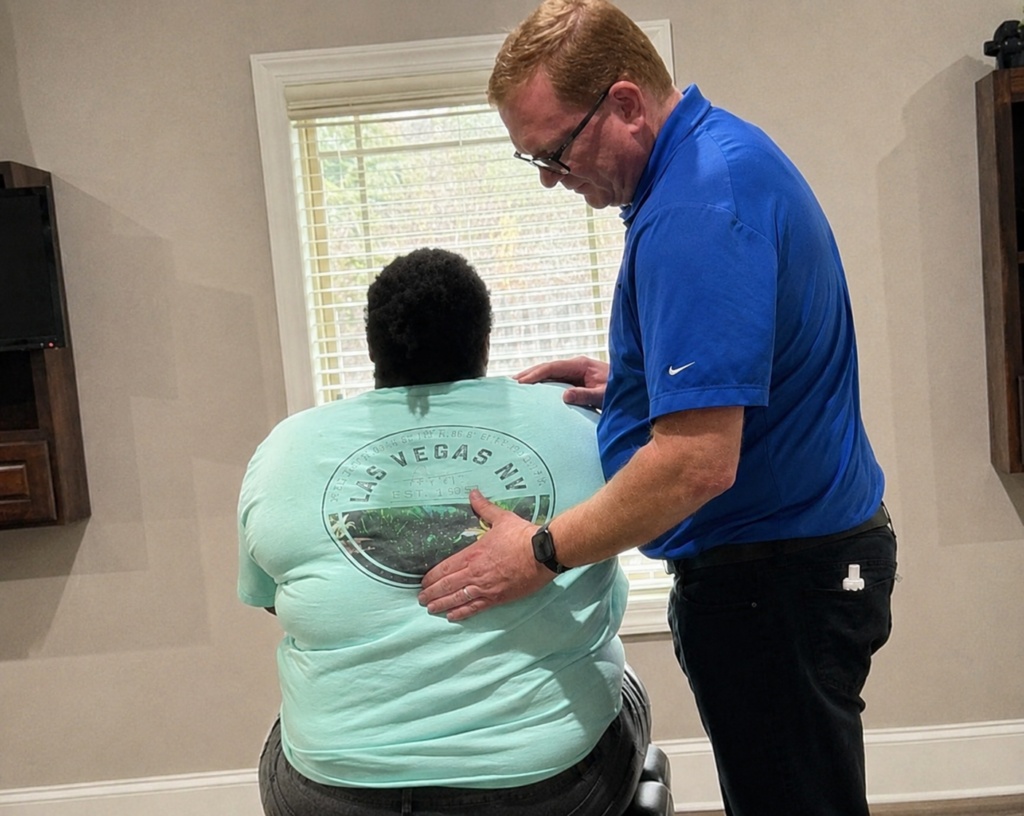

When it comes to recovering from a sports injury, many people may not immediately consider chiropractic care, but it can significantly enhance your healing journey. As a local chiropractor, I want to emphasize how our approach can help you build emotional resilience, address any fears you may have about your recovery, and develop effective coping strategies.
Chiropractic care fosters a positive mindset and boosts your motivation, creating a strong foundation for recovery. We also focus on goal setting and enhancing the mind-body connection, both of which are crucial for effective healing. If you're curious about the specific ways chiropractic care can support your recovery from a sports injury, let's dive into these strategies together.
Enhancing Emotional Resilience
Injuries can feel like a significant hurdle, and as a chiropractor, I want to emphasize the importance of enhancing your emotional resilience during the recovery process. When faced with an injury, it's common to feel overwhelmed and discouraged. However, instead of allowing these emotions to dominate, it's crucial to focus on building your emotional strength.
Start by acknowledging your feelings—it's entirely normal to experience frustration or sadness in this situation. Recognizing these emotions is the first step toward overcoming them. As your chiropractor, I encourage you to surround yourself with a supportive network. Reach out to friends, family, or even fellow patients who understand what you're going through. Sharing your experiences can help lighten your emotional burden and remind you that you're not alone in your recovery journey.
Consider incorporating natural healing practices into your routine, such as chiropractic adjustments, which can help alleviate physical discomfort and promote overall well-being. Additionally, if you're feeling particularly overwhelmed, seeking professional help from a therapist or counselor can provide you with tailored coping strategies to enhance your ability to manage stress and disappointment.
Setting realistic goals is also essential in your recovery. Break down the rehabilitation process into manageable steps and celebrate those small victories along the way. This not only boosts your confidence but also reinforces your commitment to getting better.
Techniques such as mindfulness or meditation can help keep you grounded in the present and manage negative thoughts and emotions.
Finally, maintaining a positive mindset is vital. Focus on aspects within your control, such as your rehabilitation efforts and mental outlook, rather than dwelling on setbacks. By adopting these strategies, you'll cultivate emotional resilience that empowers you to navigate challenges, making your eventual return to physical activities even more rewarding.
Addressing Anxiety and Fear
As a local chiropractor, I've seen many athletes experience anxiety and fear after a sports injury. It's completely normal to feel apprehensive about returning to your sport. Concerns about performance pressure or the possibility of pain resurfacing can be overwhelming and may prevent you from getting back in the game.
Understanding how chiropractic care can support your recovery is essential. We focus on natural healing methods that can help alleviate anxiety and build your confidence. Through gentle adjustments and personalized treatment plans, we can help restore your body's balance and function.
Let's take the time to explore techniques that not only aid in physical recovery but also promote mental well-being. With the right support, you can overcome your fears and return to your sport feeling strong and capable.
Managing Performance Pressure
As a local chiropractor, I understand that many athletes experience overwhelming pressure to perform, particularly when they're recovering from a sports injury. This pressure can often lead to increased anxiety and fear, making the recovery process more difficult. Chiropractic care can play a vital role in helping you manage this performance pressure in a natural and holistic way.
Through gentle adjustments and spinal manipulation, I can help alleviate physical stress in your body, which can, in turn, help reduce mental stress. By addressing your physical health, you may find it easier to focus on your recovery and performance without the weight of anxiety holding you back.
In addition to chiropractic adjustments, I encourage incorporating mindfulness practices into your routine. Techniques like deep breathing and meditation can help you stay present and grounded, minimizing the impact of external pressures. Visualization techniques can also be powerful; as you imagine successful performances, you can boost your confidence and alleviate anxiety.
Moreover, engaging in open discussions about your feelings and concerns during our sessions can provide you with valuable coping strategies and emotional support. By addressing performance pressure directly, we can work together to enhance your mental resilience and facilitate a smoother return to your sport, allowing you to perform at your best when it truly counts.
Coping With Pain Fear
Performance pressure can often result in significant anxiety, particularly when it comes to concerns about pain during recovery. As a chiropractor, I understand that you may be worried about the possibility of re-injury or experiencing discomfort as you return to your sport. This fear can feel overwhelming, but I want to assure you that there are effective ways to cope.
One of the key approaches I use in my practice is cognitive-behavioral techniques. These methods can help you reframe negative thoughts and address irrational fears. Together, we'll work on identifying these thoughts and replacing them with more balanced perspectives.
It's important to recognize that some discomfort is a normal part of the healing process, and I can guide you in managing these sensations so they don't dominate your mindset.
Incorporating mindfulness practices, such as meditation or breathing exercises, can also be incredibly beneficial. These techniques help you stay grounded in the present moment, reducing anxiety and allowing you to concentrate on your recovery rather than the fear of potential pain.
I encourage you to openly discuss your fears with me during our sessions. This dialogue can provide you with reassurance and effective coping strategies tailored to your needs.
Building Confidence Post-Injury
Rebuilding your confidence after an injury is essential for your recovery, and as your local chiropractor, I'm here to support you through this journey. It's completely normal to feel a mix of anxiety and fear about re-injury or getting back to your previous level of performance. However, addressing these feelings is a vital part of the healing process.
One effective approach is to set small, achievable goals that align with your rehabilitation plan. By breaking down your recovery into manageable steps, you can celebrate each milestone, no matter how small. This not only promotes healing but also boosts your confidence along the way.
Working with a healthcare professional, like a chiropractor, can also be beneficial. We can help you explore techniques such as visualization, where you imagine yourself successfully returning to your activities. This mental practice can significantly reduce anxiety and reinforce your belief in your body's capabilities.
Open communication with your coach, teammates, or family is also key. Sharing your concerns creates a supportive atmosphere, allowing others to provide the encouragement and understanding you need as you rebuild your confidence.
Remember, setbacks are a natural part of any recovery journey. Every athlete encounters challenges, and it's your response to those challenges that truly counts.
Embrace the journey, focus on your progress, and trust in your ability to heal. With time, patience, and proper care, you'll notice your confidence returning, helping you to return to your sport even stronger than before.
Building Coping Strategies
As a chiropractor, I understand that recovering from sports injuries can be a challenging journey, both physically and emotionally. Many athletes experience feelings of frustration, anxiety, or sadness when faced with setbacks during their recovery. However, developing effective coping strategies can significantly aid in managing these emotions and maintaining focus on healing.
One of the first steps I recommend is setting realistic, achievable goals for your recovery. Break down your healing process into smaller milestones. This not only provides a sense of accomplishment but also allows you to track your progress effectively. Celebrate each small victory, whether it's regaining range of motion or increasing strength – these moments are crucial for your mental well-being.
Incorporating mindfulness techniques into your daily routine can also be beneficial. Mindfulness practices, such as deep breathing exercises, meditation, or yoga, can help reduce stress and keep you grounded. These techniques improve your mental state and provide a greater sense of control over your recovery process. By making mindfulness a regular part of your day, you can cultivate a healthier mindset.
Additionally, don't underestimate the power of your support network. Surround yourself with friends, family, or teammates who understand what you're going through. Sharing your feelings and experiences with those who care about you can provide invaluable encouragement and help you cope with the emotional challenges of being sidelined.
Lastly, maintaining a structured routine can offer comfort during uncertain times. Create a daily schedule that includes your chiropractic sessions, rest, and activities you enjoy. A consistent routine helps keep your focus and gives you a sense of normalcy amidst your recovery journey.
As your chiropractor, I'm here to guide you through this process, helping you develop both physical healing and emotional resilience. Remember, recovery isn't just about the body; it's also about nurturing your mind and spirit.
Promoting Positive Mindset
As a local chiropractor, I want to emphasize the importance of fostering a positive mindset when recovering from a sports injury. Embracing a constructive outlook can significantly enhance your resilience and strength during this healing process.
By visualizing your successful recovery and consciously setting aside negative thoughts, you can create a more motivating environment for yourself.
In chiropractic care, we not only focus on the physical aspects of healing but also recognize the powerful connection between the mind and body.
Let's discuss how incorporating these mental strategies can keep you motivated and concentrated on your journey towards recovery.
Building Resilience and Strength
Recovering from a sports injury can present both physical and mental challenges, and understanding this duality is key to your healing process. Many of my patients often experience feelings of frustration, doubt, or fear about returning to their sport, and that's where chiropractic care can play a significant role.
As a chiropractor, I focus on helping you build resilience and strength, which are vital for overcoming the obstacles you may face during your recovery journey. Through a combination of hands-on adjustments and therapeutic techniques, I aim to promote not only physical healing but also a positive mindset that can greatly influence your approach to rehabilitation.
In our sessions, I encourage you to concentrate on aspects of your recovery that you can control. Together, we can set realistic goals and celebrate the small victories, whether that's improved mobility or reduced pain. This shift in perspective fosters a sense of empowerment, making it easier for you to navigate any setbacks that may arise.
Additionally, chiropractic care provides a supportive environment for you to express any concerns or emotions related to your injury. Open dialogue allows us to address any anxiety or frustration, preventing those feelings from weighing you down. This emotional release is vital for strengthening your mental resilience, equipping you to confront challenges with renewed confidence.
As you progress through your recovery, remember that building resilience isn't merely about bouncing back; it's about emerging stronger from adversity. Embrace this journey with an open mind, and you'll find yourself not only healing physically but also gaining newfound strength and confidence that will benefit you both on and off the field.
Visualizing Successful Recovery
Visualizing a successful recovery can significantly enhance your healing journey, especially when it comes to chiropractic care. Positive imagery isn't just wishful thinking; it's a powerful tool that can shape your mindset and elevate your motivation.
Here are three ways visualization can support your recovery process:
- Clarifies Your Goals: When you visualize yourself achieving specific milestones—like regaining flexibility, reducing pain, or returning to your favorite activities—you create a clear path to success. This mental roadmap helps you stay focused and dedicated to your chiropractic treatment plan.
- Increases Your Confidence: By imagining yourself overcoming obstacles, you build a sense of self-belief in your healing abilities. This boost in confidence can help diminish anxiety and fear, allowing you to approach your recovery with a more proactive and positive perspective.
- Supports Physical Healing: Research indicates that mental imagery can activate physical processes in your body. When you visualize yourself performing movements that are part of your rehabilitation, you can actually enhance your muscle memory and support the healing process, making your recovery more effective.
Incorporating visualization techniques into your daily routine can truly transform your experience with chiropractic care.
Overcoming Negative Thoughts
Negative thoughts can often arise during your healing journey, especially if you're navigating pain or discomfort. These thoughts can hinder your progress and dampen your overall well-being. It's common to focus on limitations, but a shift in perspective can lead to significant improvements in your recovery.
As a chiropractor, I emphasize the importance of addressing both the physical and mental aspects of healing.
Begin by recognizing your feelings without judgment. It's completely normal to experience frustration or anxiety during this time; these emotions are part of the healing process. Once you acknowledge these feelings, it's important to challenge them. Ask yourself if these thoughts are grounded in reality or if they stem from assumptions.
In chiropractic care, we often incorporate cognitive-behavioral techniques to help patients reframe their thinking. For example, instead of thinking, "I'll never be pain-free," try replacing that with, "I am taking steps every day to improve my health." This simple change in language can ignite motivation and a stronger commitment to your recovery.
Additionally, practice gratitude in your healing journey. Each day, jot down a few things you appreciate about the progress you're making, no matter how small. This practice can help you focus on the positive aspects of your recovery and build resilience.
Improving Motivation Levels
Recovering from a sports injury can be a tough journey, but staying motivated is crucial to getting back to the activities you love. As a local chiropractor, I understand that the path to recovery can sometimes feel overwhelming, and that's where I can help.
Here are three ways chiropractic care and a holistic approach to healing can boost your motivation levels during recovery:
1. Creating a Supportive Environment: Visiting a chiropractor provides you with a dedicated professional who understands your unique challenges. This supportive relationship allows you to openly share your concerns and progress, making you feel less alone in your recovery journey.
Knowing you have someone in your corner can significantly enhance your motivation.
2. Implementing Holistic Healing Strategies: Chiropractic care isn't just about adjustments; it encompasses a range of techniques that help manage the emotional and physical challenges of recovery.
We'll work together to develop coping strategies that address not only your physical pain but also the emotional hurdles you may face, ensuring you remain optimistic and focused on your goals.
3. Encouraging a Positive Outlook: Our sessions will emphasize the importance of a positive mindset.
Through guided discussions and goal-setting, you'll learn to appreciate the small milestones in your recovery. By focusing on your progress and what you can control, you'll foster a strong motivation that propels you toward full rehabilitation and a triumphant return to your sport.
With chiropractic care, you're not just healing your body; you're also nurturing your mental resilience.
Let's work together to keep your motivation high throughout your recovery journey!
Facilitating Goal Setting
Maintaining motivation during your recovery is crucial, and setting clear goals can significantly enhance your healing journey. As a chiropractor, I'm here to help you establish specific, measurable, achievable, relevant, and time-bound (SMART) goals tailored to your needs. This approach enables you to track your progress and remain focused on your recovery objectives.
Start by considering what you want to achieve. It might be regaining full mobility in an area of discomfort or returning to your favorite activities within a certain timeframe. By defining these goals, you create a clear path for your recovery process. I can assist you in breaking down these larger goals into smaller, more manageable steps. For example, if your aim is to participate in a local 5K run, your first step might simply be to walk for 10 minutes each day.
Celebrate your achievements as you reach each milestone. Acknowledging these successes is vital for reinforcing your motivation and reminding you of the progress you're making. Regularly reviewing your goals with me during our sessions will keep you accountable and allow for any necessary adjustments. If a specific goal feels too ambitious, it's okay to modify it. Flexibility is essential in your recovery journey.
Lastly, visualizing your goals can be incredibly powerful. Picture yourself achieving them, whether it's engaging in a fun activity without pain or enjoying a pain-free day. This mental imagery can enhance your confidence and strengthen your commitment to the healing process.
Strengthening Mind-Body Connection
As a local chiropractor, I want to share how strengthening the mind-body connection can significantly enhance your recovery from sports injuries. This connection is vital not only for physical healing but also for emotional resilience, which is essential in your journey to recovery.
By understanding how your mind influences your body, you can embrace a more holistic approach to healing. Here are three effective strategies that I recommend to help strengthen that connection:
- Mindfulness Meditation: Engaging in mindfulness meditation can greatly enhance your awareness of bodily sensations and emotions. I encourage you to dedicate just a few minutes each day to focus on your breath and tune into how your body feels. This practice can help alleviate anxiety and foster a greater sense of well-being, which is crucial during your recovery.
- Visualization Techniques: Visualizing your body healing and performing at its peak can be incredibly beneficial. I suggest imagining successful movements and positive outcomes, as this can boost your motivation and confidence. By picturing yourself overcoming obstacles, you may find that your physical therapy sessions become more productive and effective.
- Breath Control: Mastering breath control is another powerful tool for managing pain and stress. By practicing deep, controlled breathing, you can activate your body's relaxation response, which is essential for recovery. I recommend incorporating breathwork into your daily routine to support your physical therapy efforts and enhance your overall healing process.
By focusing on these strategies, you can strengthen the mind-body connection and facilitate a more comprehensive recovery from your sports injury.
Conclusion
Incorporating chiropractic care into your sports injury recovery can truly transform your healing experience. As a chiropractor, I focus not just on the physical aspects of recovery, but also on enhancing your emotional resilience and addressing any anxiety you may have. By building effective coping strategies, you can feel more empowered throughout your recovery journey.
Setting realistic goals and fostering a positive mindset are key components of healing, and chiropractic care can help you stay motivated and focused on your recovery. Strengthening the mind-body connection is vital; it boosts your confidence and lays the groundwork for a successful comeback. I encourage you to embrace chiropractic therapy as an essential part of your journey to wellness, as it supports both your physical and mental well-being.