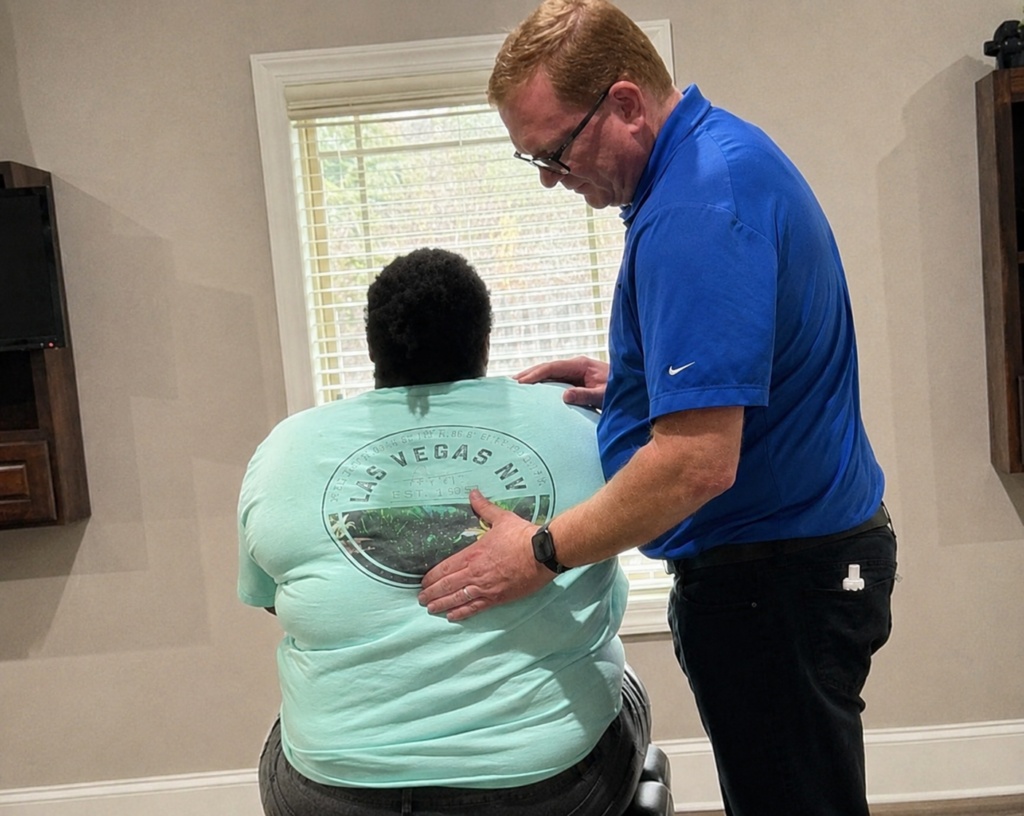

If you've ever felt restricted in your movements or struggled with tightness, chiropractic care might be the key to transforming your flexibility. By focusing on spinal adjustments and targeted therapies, chiropractors can help realign your body and ease muscle tension, ultimately enhancing your range of motion. You might be surprised at how these techniques not only improve your flexibility but also contribute to your overall well-being. So, what specific strategies do chiropractors use to facilitate this transformation, and how can you incorporate them into your routine for maximum benefit?
Understanding Flexibility and Mobility
Understanding flexibility and mobility is essential for maintaining a healthy, active lifestyle. You might often hear these terms thrown around, but they play a significant role in how well your body functions.
Flexibility refers to the ability of your muscles and joints to stretch and move through their full range of motion. On the other hand, mobility encompasses not just flexibility but also the strength and control you have when moving your body.
When you prioritize flexibility, you're reducing the risk of injury. Imagine trying to reach for something on a high shelf without the ability to stretch your arms fully; it can lead to strains or sprains.
Mobility, however, ties into how well you perform daily activities. If your joints and muscles are stiff, even simple tasks like squatting or bending can become challenging.
Incorporating flexibility and mobility exercises into your routine can enhance your athletic performance too. Whether you're an avid runner, a dedicated yogi, or just someone who enjoys a casual walk, having an adequate range of motion allows you to perform better and recover faster.
Regular stretching, dynamic movements, and strength training can effectively boost your flexibility and mobility. Pay attention to your body; if you feel tightness or discomfort, it's a sign that you may need to focus more on these aspects.
How Chiropractic Adjustments Work
Chiropractic adjustments involve the precise manipulation of the spine and other joints to improve alignment and function. When you visit a chiropractor, they assess your body's alignment and identify areas that may be causing discomfort or restricting your movement. Using specialized techniques, they apply controlled force to specific joints. This process can help restore proper alignment, enhance joint mobility, and promote overall spinal health.
During an adjustment, you might hear a popping or cracking sound, which occurs when gas bubbles in the joint fluid are released. This sound is normal and indicates that the joint is moving more freely. The goal of the adjustment is to correct misalignments, also known as subluxations, which can lead to pain or dysfunction if left unaddressed.
Chiropractors often tailor their techniques to your individual needs, considering factors like your age, health condition, and specific goals. They may use hands-on methods or specialized tools to achieve the desired results.
After an adjustment, you might feel immediate relief, increased range of motion, or a sense of overall well-being.
It's essential to remember that adjustments don't just focus on the spine; they can also involve other joints throughout your body. By improving alignment and function, chiropractic adjustments can help you move more freely and comfortably.
Regular visits to a chiropractor can support your long-term health and enhance your physical performance, allowing you to enjoy a more active lifestyle.
Benefits of Enhanced Flexibility
Enhanced flexibility offers numerous benefits that can greatly improve your overall quality of life. When you work on increasing your flexibility, you might find that everyday activities become easier and more enjoyable.
Whether you're reaching for something on a high shelf or bending down to tie your shoes, improved flexibility can make these tasks feel less strenuous.
In addition to making daily activities easier, enhanced flexibility can also lead to several specific benefits:
- Reduced risk of injury: By increasing your range of motion, you'll be less likely to strain or injure muscles during physical activities.
- Improved posture: Greater flexibility helps align your body, which can alleviate stress on your spine and reduce discomfort.
- Enhanced athletic performance: If you're an athlete, increased flexibility can improve your performance by allowing for better movement efficiency and control.
Moreover, you may notice an improvement in your overall physical health. Improved flexibility can contribute to better circulation, more efficient muscle function, and a greater sense of well-being.
You might also experience reduced muscle tension, leading to less stress and a more relaxed state of mind.
Treatment Techniques Used by Chiropractors
When you seek treatment for flexibility issues, chiropractors employ a variety of techniques tailored to your specific needs. One of the most common methods is spinal manipulation, where the chiropractor uses controlled force to adjust your spine. This can help improve your overall range of motion and alleviate tightness in your muscles.
In addition to spinal adjustments, chiropractors often utilize soft tissue therapies. Techniques like myofascial release and trigger point therapy can help release tension in the muscles and fascia, promoting better flexibility. These methods focus on loosening tight areas and enhancing blood flow, which is essential for muscle recovery.
Another approach you might experience is stretching and mobilization techniques. Chiropractors can guide you through specific stretches that target tight areas, helping you increase your flexibility over time. These stretches are often complemented by exercises designed to strengthen the muscles supporting your joints, ensuring that your newfound flexibility is maintained.
Some chiropractors also incorporate tools like foam rollers or resistance bands into your treatment. These tools can aid in self-myofascial release and assist you in performing effective stretches and strengthening exercises.
Finally, your chiropractor might provide personalized advice on posture and ergonomics. Improving your daily habits can greatly impact your flexibility, reducing the likelihood of injuries or discomfort in the future.
Incorporating Chiropractic Care Into Your Routine
Integrating chiropractic care into your routine can greatly enhance your overall flexibility and well-being. By making chiropractic visits a regular part of your health regimen, you can experience significant improvements in joint mobility, muscle tension relief, and overall physical performance.
Here's how to effectively incorporate chiropractic care into your life:
- Schedule Regular Appointments: Try to set up routine visits with your chiropractor, ideally once a month. This consistency guarantees your body stays aligned, helping prevent stiffness and discomfort.
- Combine with Exercise: Pair your chiropractic sessions with a tailored exercise program. Gentle stretches and strength training can complement the adjustments, further improving your flexibility and stability.
- Stay Mindful of Posture: Your day-to-day habits play a big role in how your body feels. Focus on maintaining good posture, especially while sitting at a desk or using your phone.
This awareness can minimize strain on your spine and improve your overall alignment.
Conclusion
Incorporating chiropractic care into your routine can truly transform your flexibility and mobility. By addressing misalignments and muscle tension, you'll notice a significant improvement in your range of motion and overall well-being. Regular adjustments and personalized stretching techniques not only reduce your injury risk but also enhance your athletic performance. So, take the leap and embrace chiropractic care—it's a step toward a healthier, more active lifestyle that you won't regret!