
When you experience sports-related pain, it's vital to find effective relief strategies that work for you. You might consider a combination of rest, ice and heat therapy, along with over-the-counter medications that suit your needs. Understanding how to apply these treatments can make a significant difference in your recovery process. Yet, many athletes overlook other essential options that could enhance their healing and prevent future injuries. What if there are additional strategies that could redefine how you manage pain and improve your performance?
Common Types of Sports Injuries
When you engage in sports, various injuries can crop up, impacting your performance and well-being. Knowing the common types of sports injuries can help you identify issues early and take appropriate action.
One prevalent injury is a sprain, which occurs when you stretch or tear a ligament, usually in your ankle or knee. It often happens during sudden movements or twists. You might feel pain, swelling, or difficulty moving the affected joint.
Another common injury is a strain, affecting muscles or tendons. Strains usually occur when you overexert yourself or lift heavy objects incorrectly. Symptoms include pain, muscle spasms, and limited mobility.
Tendonitis is another issue many athletes face. This condition arises from repetitive movements, leading to inflammation in tendons. You might notice pain and tenderness near a joint, especially during activity. Common areas affected include the elbow, shoulder, or knee.
Fractures, or broken bones, can also occur during high-impact sports. These injuries generally cause severe pain, swelling, and an inability to use the affected area. It's essential to seek immediate medical attention if you suspect a fracture.
Lastly, overuse injuries, like stress fractures or bursitis, develop gradually due to repetitive strain on a specific area. You mightn't notice symptoms at first, but they can worsen over time, affecting your overall performance.
Rest and Recovery Techniques
Effective rest and recovery techniques are essential for athletes aiming to bounce back from injuries and enhance performance. It's imperative to give your body the time it needs to heal, and implementing effective strategies can make a significant difference in your recovery process.
First, prioritize sleep. Quality sleep allows your body to repair itself, rejuvenate muscles, and restore energy levels. Aim for 7-9 hours of uninterrupted sleep each night. Create a sleep-friendly environment by keeping your room dark and at a comfortable temperature.
Next, listen to your body. If you're feeling fatigued or sore, take a break or scale back your training intensity. Incorporating active recovery days, where you engage in low-impact activities like walking, swimming, or yoga, can promote blood flow and alleviate soreness without overexerting yourself.
Don't underestimate the power of nutrition, either. Fueling your body with a balanced diet rich in proteins, healthy fats, and carbohydrates will support muscle repair and replenishment. Stay hydrated, as proper hydration is essential for maximum recovery.
Lastly, consider integrating mindfulness and relaxation techniques. Practices like meditation or deep-breathing exercises can help reduce stress and promote mental clarity, which is just as important as physical recovery.
Ice and Heat Therapy
When you're dealing with sports-related pain, ice and heat therapy can be game-changers.
Cold therapy helps reduce swelling and numb sharp pain, while heat application can relax tight muscles and improve blood flow.
Understanding how to effectively combine these techniques can enhance your recovery process.
Cold Therapy Benefits
Many athletes rely on cold therapy, such as ice packs or cold baths, to alleviate pain and reduce inflammation after intense workouts or injuries.
This method not only helps you feel better but can also speed up your recovery process.
Here are some key benefits of cold therapy:
- Reduces Swelling: Cold therapy constricts blood vessels, minimizing swelling and inflammation around the injury site.
- Numbs Pain: The cold temperature numbs nerve endings, providing immediate pain relief and making it easier to manage discomfort.
- Decreases Muscle Spasms: Applying cold can help calm muscle spasms, allowing your muscles to relax and recover more effectively.
- Enhances Recovery: Regular use of cold therapy after training sessions can improve your overall recovery time, allowing you to get back to your sport sooner.
Heat Application Techniques
Applying heat is a fantastic way to ease muscle tension and enhance blood flow, especially after cold therapy has done its job. When you're dealing with sports-related pain, incorporating heat can help relax tight muscles and soothe discomfort. You can use several techniques for applying heat effectively.
One popular method is using a heating pad. Simply plug it in, set the desired temperature, and place it on the affected area for 15-20 minutes. Alternatively, a hot water bottle can provide targeted relief too—just make sure it's not too hot to avoid burns.
Warm towels are another great option. You can dampen a towel, microwave it for a short time, and then apply it to your sore spots.
If you prefer a more immersive experience, consider soaking in a warm bath with Epsom salts, which can further help reduce muscle soreness.
Remember to listen to your body. Heat therapy should feel soothing, not painful. If you experience any discomfort, remove the heat source immediately.
Combining Ice and Heat
How can you maximize recovery when dealing with sports-related pain? One effective method is combining ice and heat therapy. This approach can help reduce inflammation, soothe tight muscles, and promote blood flow, making your recovery process smoother.
Here's how you can effectively implement this technique:
- Start with Ice: Apply ice to the affected area for 15-20 minutes. This numbs the pain and reduces swelling. Make sure to use a cloth to protect your skin from frostbite.
- Switch to Heat: After the initial 48 hours, use heat therapy. Apply a warm towel or heating pad for another 15-20 minutes to relax tense muscles and improve circulation.
- Alternate: You can alternate between ice and heat. For example, ice for 20 minutes, then heat for 20 minutes. This combination can enhance pain relief and accelerate healing.
- Listen to Your Body: Pay attention to how your body responds. If you experience increased pain or discomfort, adjust your methods accordingly.
Over-the-Counter Medications
When you're managing sports-related pain, over-the-counter medications can be a quick and effective option.
It's important to know which common pain relievers work best for your situation and to follow dosage and safety guidelines.
If your pain persists or worsens, don't hesitate to seek professional help.
Common OTC Pain Relievers
Finding relief from sports-related pain often involves reaching for common over-the-counter (OTC) medications.
These options are readily available and can effectively manage mild to moderate pain associated with your activities.
Here's a quick look at four popular OTC pain relievers you might consider:
- Ibuprofen: This nonsteroidal anti-inflammatory drug (NSAID) helps reduce inflammation and relieve pain, making it a go-to choice for muscle aches and joint pain.
- Acetaminophen: Often used for headache or general pain relief, acetaminophen is gentler on the stomach than some NSAIDs, which can be beneficial if you're sensitive to those.
- Naproxen: Another NSAID, naproxen provides longer-lasting pain relief, making it suitable for ongoing pain from sports injuries or joint issues.
- Aspirin: This traditional pain reliever can help with inflammation and is often used for chronic pain conditions, but it's important to be cautious with its use if you have certain health concerns.
Always consult with a healthcare professional to determine what's best for your specific needs, especially if you're unsure about which medication to choose.
Dosage and Safety Guidelines
Understanding dosage and safety guidelines for over-the-counter (OTC) medications is vital for managing sports-related pain effectively.
First, always read the label carefully before taking any OTC pain reliever. Each medication has specific dosage recommendations based on your age, weight, and health status. For instance, ibuprofen is typically taken every six to eight hours, while acetaminophen can be taken every four to six hours.
Don't exceed the maximum daily dosage listed on the package. Overusing these medications can lead to serious side effects, including liver damage with acetaminophen or gastrointestinal issues with nonsteroidal anti-inflammatory drugs (NSAIDs) like ibuprofen.
It's also important to reflect on any pre-existing health conditions you may have. If you're pregnant, nursing, or have specific health concerns, consult your doctor before using OTC medications.
Lastly, avoid combining different pain relievers unless advised by a healthcare professional, as this can increase the risk of adverse effects.
When to Seek Help
Recognizing the signs that indicate it's time to seek help can be fundamental for your recovery from sports-related pain. While over-the-counter medications can offer temporary relief, there are specific situations where you shouldn't hesitate to consult a healthcare professional.
Here are four signs that signal it's time to seek help:
- Persistent Pain: If your pain lasts longer than a few days or worsens despite taking medication, it's time to get checked out.
- Swelling or Bruising: Noticeable swelling or bruising around the injury site can indicate a more serious issue that requires medical attention.
- Limited Mobility: If you're struggling to move the affected area or performing daily activities becomes difficult, it's vital to seek professional advice.
- Pain during Rest: If you experience pain even when you're resting or at night, this could signal a serious underlying condition that needs evaluation.
Don't ignore these signs. Seeking help early can prevent further complications and get you back in the game faster.
Physical Therapy Options
When it comes to managing sports-related pain, exploring physical therapy options can make all the difference in your recovery journey. Physical therapy offers tailored treatments that focus on your unique needs, helping you regain strength, flexibility, and function. One-on-one sessions with a licensed physical therapist can help identify the underlying causes of your pain and develop a personalized rehabilitation plan.
In your sessions, you'll likely engage in a combination of exercises designed to strengthen muscles, improve range of motion, and enhance overall stability. Your therapist might introduce activities like stretching routines, strengthening exercises, and balance training to address specific areas of concern.
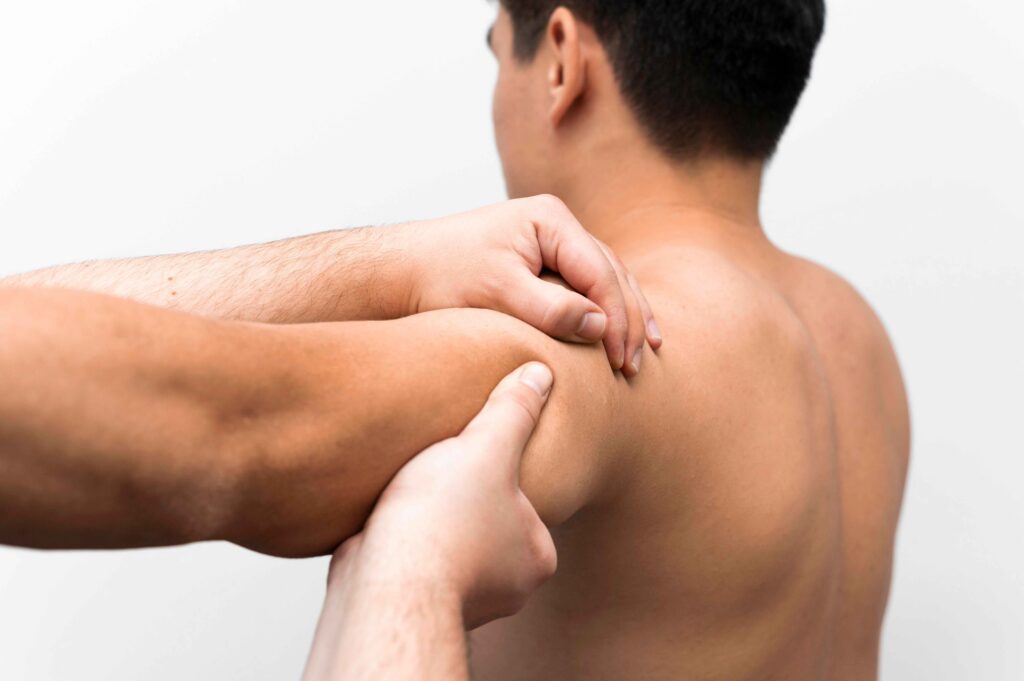
They'll also educate you on proper techniques, which can prevent future injuries and improve your athletic performance. Manual therapy techniques, such as massage or joint mobilization, may also be used to alleviate pain and promote healing.
These hands-on approaches can help improve circulation, reduce stiffness, and promote relaxation, making them an essential part of your recovery. Additionally, your therapist might incorporate modalities like ultrasound, electrical stimulation, or heat/cold therapy to further enhance your treatment.
These tools can aid in reducing inflammation and accelerating the healing process.
Alternative Treatments
For many athletes, alternative treatments can provide effective relief from sports-related pain. These methods often complement traditional medical approaches and can help you manage discomfort while promoting overall well-being.
If you're looking for options beyond conventional pain relief, consider trying the following alternatives:
- Acupuncture: This ancient practice involves inserting thin needles into specific points on the body to stimulate healing and relieve pain. Many athletes report significant improvements in their pain levels and overall performance after sessions.
- Massage Therapy: Therapeutic massage can help alleviate muscle tension and improve circulation. Regular sessions may enhance recovery time and keep your muscles supple, allowing you to maintain peak performance.
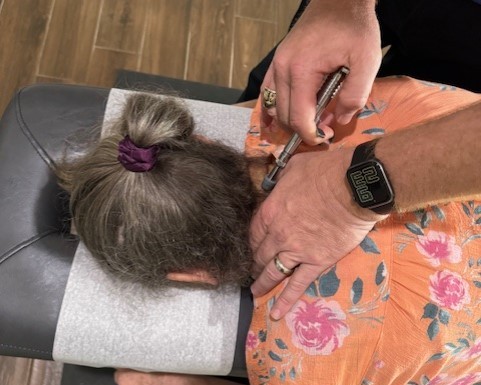
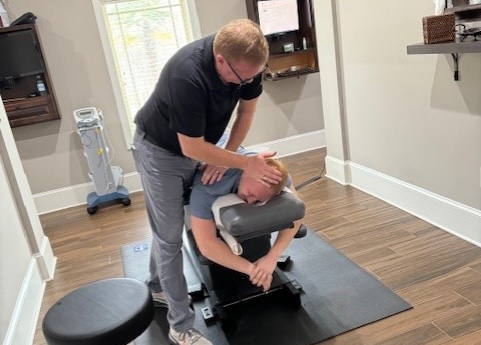
- Chiropractic Care: Chiropractors focus on spinal alignment and joint mobility. By addressing misalignments, they can help reduce pain and improve your range of motion, making it easier for you to perform at your best.
- Herbal Remedies: Certain herbs, like turmeric and ginger, possess anti-inflammatory properties that can help reduce pain. Incorporating these into your diet or using topical applications may provide additional relief.
Preventative Measures
To keep sports-related pain at bay, implementing preventative measures is key to maintaining your athletic performance and overall health. Start by evaluating your current fitness level and choosing activities that match your abilities. Gradually increase the intensity and duration of your workouts to avoid overuse injuries. Proper warm-ups and cool-downs can greatly reduce the risk of strain, so don't skip these essential steps.
Incorporating strength training into your routine is fundamental. Strong muscles provide support to your joints and help absorb impact during physical activities. Focus on exercises that target key muscle groups relevant to your sport. Stretching regularly also promotes flexibility, which can enhance your performance and reduce stiffness.
Pay attention to your body's signals. If you feel pain or discomfort, it's imperative to modify your activities rather than push through. Wearing proper footwear tailored to your sport can make a considerable difference, as it helps to provide the necessary support and cushioning.
Hydration and nutrition play a significant role in injury prevention. Staying hydrated keeps your muscles functioning effectively, while a balanced diet provides the nutrients essential for recovery and performance.
Finally, consider cross-training to engage different muscle groups and prevent overuse injuries related to repetitive motions.
When to Seek Professional Help
Recognizing when it's time to seek professional help is vital for addressing sports-related pain effectively. While some discomfort is a normal part of physical activity, certain signs indicate that you shouldn't ignore your body's signals. Knowing when to consult a healthcare professional can prevent further injury and guarantee proper recovery.
Here are four key signs that suggest it's time for you to seek professional help:
- Persistent Pain: If your pain lasts longer than a few days or worsens with activity, it's important to consult a professional. This could indicate a more serious issue that needs addressing.
- Swelling and Inflammation: Noticeable swelling in the affected area or persistent inflammation after rest can be a sign of injury. Seeking help can prevent complications.
- Reduced Range of Motion: If you find it difficult to move the affected joint or area, don't hesitate to get a professional opinion. Limited mobility can hinder your performance and daily activities.
- Pain During Rest: Experiencing pain while resting or at night is a strong indicator that something may be wrong. This symptom often requires immediate attention.
Don't wait for your pain to escalate. Taking timely action can make a significant difference in your recovery and overall well-being.
Conclusion
In conclusion, managing sports-related pain effectively involves a mix of rest, ice, heat therapy, and over-the-counter medications. Don't underestimate the power of active recovery and preventative measures to keep you in the game. If your pain persists or worsens, seeking professional help can guarantee you get back to your activities safely. By combining these strategies, you can enhance your recovery and minimize the risk of future injuries, allowing you to perform at your best.