
As a local chiropractor, I understand that dealing with chronic back pain can be incredibly challenging and often feels like it overshadows your daily activities. Many people are surprised to discover that there are effective relief strategies that go beyond just relying on medication. By integrating lifestyle modifications, specific exercises, and even exploring alternative therapies, you can develop a comprehensive plan that caters to your individual needs.
It's also important to recognize the significance of ergonomic adjustments in your daily life and how mindfulness techniques can aid in your recovery. These approaches not only alleviate pain but also promote overall wellness. If you're wondering what specific actions you can take to start feeling better, I'm here to guide you through the process of natural healing with chiropractic care. Together, we can work towards improving your quality of life and helping you regain control over your body.
Understanding Chronic Back Pain
As a local chiropractor, I want to take a moment to discuss chronic back pain and how it can affect your life. This condition is more than just an occasional ache; it's a persistent issue that can significantly disrupt your daily activities, work, and personal relationships.
The experience of chronic back pain extends beyond just physical discomfort; it can also take an emotional toll, making it important to understand what you're dealing with.
Chronic back pain is typically defined as pain that lasts longer than three months and can arise from various sources, including injuries, poor posture, or underlying health conditions. You may notice that your pain varies, sometimes feeling sharp and other times more dull and persistent. Paying attention to these patterns is essential, as they can provide valuable insights into what might be aggravating your discomfort.
Often, chronic back pain can be linked to muscle strains or issues like herniated discs, but it can also be associated with conditions such as arthritis or scoliosis. Understanding the root cause of your pain is crucial for finding effective treatment options.
Whether your pain is localized in the lower back or radiates into your legs, being aware of these specifics allows us, as healthcare providers, to tailor a chiropractic treatment plan that meets your unique needs.
It's also important to acknowledge the mental and emotional impact chronic back pain can have. It's normal to feel frustrated or overwhelmed, but by gaining a deeper understanding of your pain, you can take proactive steps towards relief.
Chiropractic care focuses on natural healing and restoring balance to your body, empowering you to reclaim your quality of life.
If you're experiencing chronic back pain, don't hesitate to reach out. Together, we can explore holistic approaches to help you manage your pain effectively and improve your overall well-being.
Lifestyle Modifications
As a local chiropractor, I want to share some simple lifestyle modifications that can significantly alleviate chronic back pain and enhance your overall well-being. It all starts with evaluating your daily habits. If you find yourself sitting for long periods, it's crucial to assess your workstation setup. A chair designed with proper lumbar support can make a world of difference in how your back feels.
Additionally, ensure that your computer screen is at eye level to reduce unnecessary strain on your neck and back.
Nutrition is another vital component. Consuming a balanced diet that includes plenty of anti-inflammatory foods—such as fruits, vegetables, and healthy fats—can help mitigate inflammation and pain.
Don't underestimate the importance of hydration either; staying well-hydrated is key, as dehydration can lead to muscle cramps and tension that may exacerbate your discomfort.
Sleep quality is something that shouldn't be overlooked. Investing in a supportive mattress is essential, and I recommend avoiding sleeping on your stomach, as this can place undue strain on your back.
Instead, try sleeping on your side with a pillow between your knees to provide additional support.
It's also important to consider your stress levels. Chronic stress can lead to muscle tension, which may worsen your back pain. Incorporating relaxation techniques—such as deep breathing exercises or meditation—can be incredibly beneficial for managing stress effectively.
Lastly, let's talk about your footwear. Wearing supportive shoes is crucial in preventing extra strain on your back.
I advise steering clear of high heels or flat shoes that lack arch support, as these can negatively affect your posture and lead to discomfort.
Exercise and Stretching
As a local chiropractor, I want to emphasize the vital role that exercise and stretching can play in managing your back pain. Regular physical activity is crucial in strengthening the muscles that support your spine, improving flexibility, and enhancing your overall mobility. By focusing on targeted exercises, you can't only alleviate existing pain but also prevent future injuries from occurring.
When selecting exercises, it's important to choose low-impact activities that are gentle on your back, such as walking, swimming, or cycling. These activities provide significant benefits without putting undue stress on your spine.
In addition to exercise, incorporating stretching into your daily routine is essential. Stretching can help release tension in tight muscles and improve your range of motion. I recommend focusing on stretches that target your lower back, hips, and hamstrings. Simple movements like the cat-cow stretch, child's pose, and gentle spinal twists can be incredibly effective. Aim to hold each stretch for at least 20-30 seconds to maximize its benefits.
Always listen to your body. If you experience discomfort during any exercise or stretch, stop immediately and consult with a healthcare professional. It's important to start slowly; gradually increase the intensity and duration of your workouts as your body becomes accustomed to the movements.
Working with a physical therapist or a chiropractor can provide you with a tailored program that meets your specific needs and abilities. Committing to a consistent routine of exercise and stretching can significantly reduce your back pain and enhance your overall quality of life.
Mindfulness and Relaxation Techniques
As a chiropractor, I believe that alongside regular exercise and stretching, incorporating mindfulness and relaxation techniques into your daily routine can significantly enhance your ability to manage back pain.
These practices not only foster a greater awareness of your body but also help reduce stress, a common contributor to pain. By focusing on the present moment, you can better navigate your discomfort and improve your overall well-being.
Here are some effective mindfulness and relaxation techniques that I recommend to my patients:
- Deep Breathing: Begin by taking slow, deep breaths. This simple practice calms both your mind and body, lowering tension and allowing you to concentrate on the present moment.
- Meditation: Dedicate a few minutes each day to quiet reflection. Engaging in meditation can help you cultivate a greater sense of control over your pain and diminish feelings of anxiety.
- Progressive Muscle Relaxation: This technique involves tensing and then relaxing each muscle group in your body. It's a powerful way to release physical tension, leading to a profound sense of relaxation.
- Mindful Walking: As you walk, pay close attention to each step and the sensation of the ground beneath your feet. This practice encourages a deeper connection with your body and can help alleviate discomfort.
- Guided Imagery: Spend some time visualizing a peaceful scene or a calming experience. This technique can serve as a helpful distraction from pain while promoting relaxation.
Alternative Therapies
As a local chiropractor, I want to share how alternative therapies, particularly chiropractic care, can play a vital role in managing chronic back pain. Many of my patients have found that chiropractic adjustments not only alleviate pain but also contribute to their overall wellness.
Chiropractic care focuses on the alignment of your spine and the proper function of your nervous system. By addressing misalignments, we can help reduce pain and improve mobility.
Additionally, treatments like acupuncture can complement chiropractic adjustments, enhancing your healing process and promoting relaxation.
Let's dive deeper into how these therapies work and explore the numerous benefits they can offer for your back pain relief.
Acupuncture for Pain Relief
As a local chiropractor, I want to share insights about a natural healing method that can be an effective addition to your pain management strategy, especially for those dealing with chronic back pain: acupuncture. This ancient practice involves the insertion of thin needles into specific points on the body, aimed at restoring balance and promoting healing.
Many patients have found acupuncture to be beneficial, and it can complement the chiropractic care we provide. Here are several advantages you may experience with acupuncture:
- Pain Reduction: Numerous individuals report significant decreases in pain levels after just a few sessions, which can enhance the effects of chiropractic adjustments.
- Improved Mobility: Acupuncture can help increase your range of motion and flexibility, making daily activities more manageable and allowing chiropractic treatments to be more effective.
- Reduced Muscle Tension: The treatment can alleviate tightness in your back muscles, promoting relaxation and preparing your body for chiropractic care.
- Enhanced Well-Being: Acupuncture may improve your overall sense of wellness and help reduce stress, supporting your body's natural healing processes.
- Minimal Side Effects: Unlike many medications, acupuncture typically has few, if any, side effects, making it a safe option for pain relief.
If you're curious about exploring acupuncture, I encourage you to consult with a qualified practitioner. Together with chiropractic care, this alternative therapy could provide the relief you've been seeking, helping you reclaim your life from chronic back pain.
Chiropractic Adjustments Benefits
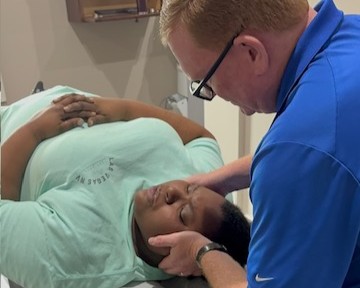
As a local chiropractor, I want to share how chiropractic adjustments can significantly enhance your quality of life, especially if you're dealing with chronic back pain. When you come to see me, I'll conduct a thorough assessment of your spine to pinpoint any misalignments that may be causing your discomfort.
By realigning your spine, chiropractic care can help restore proper function and mobility, leading to a reduction in pain and inflammation. Many patients experience immediate relief from their pain after just one adjustment. You may notice an increase in your range of motion, allowing you to move more freely and comfortably.
With regular chiropractic adjustments, your body's natural healing abilities are enhanced, as these treatments promote improved blood circulation and nerve function. I also take a holistic approach to your health. In addition to adjustments, I provide customized exercises and lifestyle advice that cater to your individual needs.
This empowers you to take an active role in your recovery journey and helps prevent the recurrence of back pain in the future. One of the great advantages of chiropractic adjustments is that they're non-invasive and generally have fewer side effects compared to pain medications.
If you're looking for a natural way to alleviate chronic back pain and improve your overall well-being, I encourage you to reach out to my office to explore how chiropractic care can benefit you. Your path to relief and better health starts here!
Ergonomics and Posture
As a local chiropractor dedicated to helping you achieve optimal health, I want to emphasize the importance of your desk setup and sitting posture in managing chronic back pain.
It's essential to create a workspace that promotes proper ergonomics, as this can significantly impact how you feel throughout the day.
Let's delve into some practical tips for establishing an ideal sitting environment that not only supports your back but also enhances your overall well-being.
Proper Desk Setup
As a local chiropractor, I want to emphasize how crucial a proper desk setup is for managing chronic back pain. An ergonomic workspace can significantly alleviate strain on your back, helping you maintain comfort throughout your workday.
Here are some important tips to consider when organizing your desk:
- Chair Height: Make sure to adjust your chair so that your feet are firmly resting flat on the ground, with your knees bent at a 90-degree angle. This positioning helps to support your lower back.
- Monitor Position: Position your monitor at eye level and about an arm's length away from you. This will help prevent you from leaning forward, which can lead to poor posture and discomfort.
- Keyboard and Mouse: Your keyboard and mouse should be at the same level and close enough to your body so that your elbows remain bent at a 90-degree angle. This setup minimizes strain on your shoulders and wrists.
- Desk Height: Ensure that your desk is at a height that allows your shoulders to relax while you work. An appropriate desk height can help prevent tension buildup in your neck and back.
- Frequent Breaks: It's essential to take breaks every hour to stand, stretch, and move around. This practice not only relieves tension but also promotes better circulation, which is vital for overall spinal health.
By following these guidelines, you can create a workspace that supports your back health and enhances your overall well-being.
Ideal Sitting Posture
As a local chiropractor, I want to emphasize the importance of achieving ideal sitting posture to prevent chronic back pain and promote overall spinal health. Many of my patients are unaware of how their sitting habits can impact their well-being.
When you sit, it's crucial to have your feet flat on the floor or on a footrest. Your knees should be at or slightly below hip level. This alignment helps maintain the natural curve of your spine, which is vital for preventing discomfort and injury.
Your back should be in contact with the backrest of your chair, providing support for your lower back. If your chair lacks adequate lumbar support, I often recommend using a cushion or a rolled towel to enhance comfort and promote proper spinal alignment.
It's equally important to maintain a neutral neck position. Keep your head aligned over your shoulders and resist the temptation to lean forward, as this can strain your neck and upper back.
Your arms should rest comfortably on your desk or armrests, with your elbows forming about a 90-degree angle. Be mindful of excessive reaching, as this can lead to shoulder and back strain over time.
Lastly, I encourage you to take regular breaks. Stand up, stretch, and move around every 30 minutes. This simple practice not only alleviates pressure on your spine but also enhances circulation throughout your body.
Seeking Professional Help
When it comes to managing chronic back pain, I want to emphasize that seeking professional help, particularly through chiropractic care, can be a vital step toward achieving relief. You don't have to navigate this journey alone; as a chiropractor, I offer tailored solutions that address your specific condition holistically.
It's crucial to work with professionals who understand the complexities of back pain and can guide you through effective, natural treatment options.
Here's how chiropractic care can play an essential role in your recovery:
- Chiropractic Adjustments: These hands-on spinal manipulations help restore proper alignment to your spine, alleviating pain and improving your overall function.
- Rehabilitation Exercises: I can design a personalized exercise program that focuses on strengthening your back and enhancing flexibility, which is key to preventing future issues.
- Lifestyle Guidance: I provide advice on posture, ergonomics, and daily activities to help you maintain a healthy spine and prevent further discomfort.
- Holistic Approach: Chiropractic care looks at the whole person, not just the symptoms. We'll explore how your lifestyle, diet, and stress levels can impact your back pain.
Engaging with a chiropractor can offer you a range of treatment modalities, including manual adjustments, therapeutic exercises, and lifestyle modifications.
I encourage you to ask questions and share your concerns during our sessions; open communication is crucial to developing the right approach for you.
Conclusion
As your local chiropractor, I want to share some effective strategies that can enhance your quality of life while managing chronic back pain. It's crucial to understand that making certain lifestyle changes can make a significant difference. Engaging in regular exercise tailored to your abilities, practicing mindfulness techniques, and exploring alternative therapies can all contribute to relief.
One of the key aspects of managing back pain is understanding the importance of ergonomics and maintaining proper posture throughout your day. This can help prevent further strain on your back and aid in your healing process.
I encourage you not to hesitate in seeking professional help. Chiropractic care focuses on natural healing methods that can be customized to meet your individual needs. Together, we can embark on a journey toward pain relief through proactive steps and a holistic approach to your health.