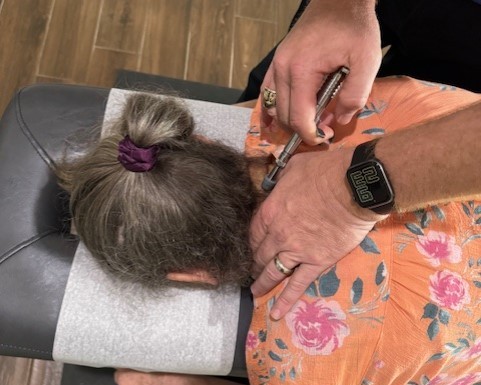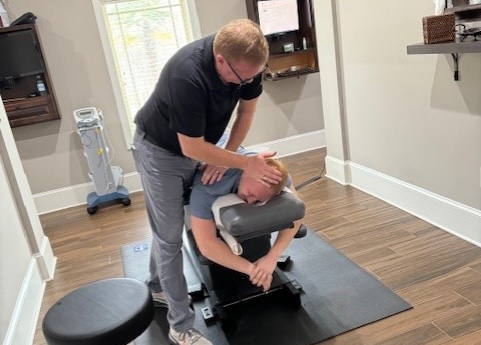

As your local chiropractor, I want you to know that you are not alone in your struggle with back pain; many individuals share your frustrations and are on the same quest for relief. It's understandable to feel overwhelmed by the various causes of back pain and the multitude of treatment options available. However, I assure you that each small step you take toward finding relief can lead to significant improvements in your life.
Imagine if the right chiropractic strategy could not only alleviate your discomfort but also empower you to regain control over your daily activities. Chiropractic care focuses on the relationship between your spine and nervous system, aiming to restore balance and function through natural healing methods. The journey to relief may seem complex, but the potential rewards can be life-changing.
So, what could your next step be? Consider seeking a consultation to discuss your specific concerns and explore how chiropractic adjustments and holistic approaches may benefit you. Together, we can work towards a healthier, pain-free future.
Understanding Back Pain
As a local chiropractor, I often see patients who are struggling with back pain, a common yet complex issue that can affect individuals of all ages. It's understandable to feel frustrated when pain disrupts your daily life, but gaining a deeper understanding of back pain is key to managing it effectively.
Your spine is a marvel of engineering, composed of bones, muscles, nerves, and discs. When any part of this intricate system is misaligned or injured, it can lead to discomfort. Many of my patients describe their pain in various ways—sometimes it's a dull ache, and at other times it can be sharp and debilitating.
Being able to articulate how your pain feels is crucial when discussing your condition with me or any healthcare professional.
It's also important to consider the psychological factors at play. Stress and anxiety can intensify your perception of pain. I often hear from patients that during particularly overwhelming times, their back pain seems to flare up. This connection highlights the importance of addressing both the physical symptoms and your mental well-being.
The location of your pain can provide valuable insights as well. Is the pain localized to a specific area, or does it radiate to other parts of your body? Understanding these patterns is essential for identifying the root cause of your discomfort.
Remember, back pain is frequently a symptom rather than an isolated condition. By tuning into your body and its signals, you empower yourself to explore effective treatment options.
As your chiropractor, I'm here to guide you through natural healing methods and help you work toward a healthier, more pain-free life. Together, we can create a personalized plan that addresses your unique needs and restores balance to your body.
Common Causes of Discomfort
As a local chiropractor, I often see patients who are unaware of how their daily habits can lead to back pain. One of the most common culprits is poor posture. Whether you're sitting at a desk, using your phone, or even standing for long periods, the way you hold your body can significantly impact your spinal health.
Muscle strain is another factor that contributes to discomfort. Many of us engage in activities that can overexert our muscles without realizing it. For instance, lifting heavy objects incorrectly or even repetitive motions can lead to strain and tension in your back.
It's important to recognize that these habits, which may seem minor, can accumulate over time and result in significant pain.
However, the good news is that small changes can lead to substantial improvements in your back health. By being mindful of your posture and incorporating proper lifting techniques into your daily routine, you can help alleviate discomfort and promote better spinal alignment.
As your chiropractor, I'm here to guide you through understanding these common causes and provide you with effective strategies to enhance your overall well-being.
Let's work together to create a healthier, pain-free lifestyle!
Poor Posture Habits
As a local chiropractor, I want to emphasize the often-overlooked connection between poor posture and back pain. Many individuals underestimate how much slouching or hunching over—whether while sitting at a desk or scrolling through your phone—can place unnecessary strain on your spine and the surrounding muscles. This continuous stress may not only lead to persistent discomfort but can also result in long-term issues if not addressed properly.
I encourage you to reflect on your daily habits. Are you leaning forward while typing? Do you find yourself sitting for prolonged periods without taking breaks? These common behaviors can create imbalances in your body, where some muscles become overly tight while others weaken. Over time, this imbalance can lead to discomfort that significantly impacts your quality of life.
You might be surprised to learn that even simple adjustments in your posture can make a world of difference. I recommend keeping your shoulders back and ensuring that your head aligns with your spine.
When seated, it's essential that your feet remain flat on the floor and your knees form a right angle. Additionally, incorporating regular breaks to stretch or walk around can help reset your posture and alleviate built-up tension.
At our chiropractic practice, we focus on educating our patients about the importance of posture and its role in natural healing. By making these small changes and being mindful of your body mechanics, you can take significant steps toward improving your overall well-being and preventing future discomfort.
Muscle Strain Factors
As a local chiropractor, I want to shed light on an important aspect of back pain that many people may not be aware of: muscle strain. While poor posture is often highlighted, muscle strain is a prevalent issue that can significantly impact your well-being. You might find yourself dealing with muscle strain from everyday activities like lifting heavy objects, making sudden movements, or even pushing yourself too hard during exercise. These actions can place excessive stress on your back muscles, leading to stretching beyond their limits or even tearing.
It's essential to understand that even simple daily tasks—such as bending down to pick something up or twisting your torso—can result in strain if not performed with the right technique. If you're not taking the time to warm up before your workouts or neglecting proper techniques, your risk of injury increases.
Additionally, if your job involves repetitive motions, this can lead to muscle fatigue and strain over time.
Another critical factor to consider is your overall physical fitness. When core muscles are weak, they can't adequately support your spine, making you more vulnerable to injuries. I encourage you to maintain a balanced exercise routine that emphasizes core strength and flexibility; this not only helps prevent muscle strains but also supports your back health in the long run.
Remember, conditioning your body for both daily activities and exercise is vital to avoid unnecessary strain. Be mindful of your movements, and don't hesitate to take breaks when needed.
These simple yet effective practices can make a world of difference in maintaining a healthy back and enhancing your overall quality of life. As your chiropractor, I'm here to guide you on this journey toward natural healing and optimal health.
Symptoms to Watch For
As your local chiropractor, I want to help you better understand your back pain and how to identify its nature—whether it's acute or chronic.
It's crucial to pay attention to any accompanying symptoms, as these can offer valuable insights into your condition. By recognizing these common indicators, you can take proactive steps towards alleviating your discomfort and improving your overall well-being.
Common Back Pain Indicators
As a local chiropractor, I want to take a moment to help you understand how back pain can develop and the subtle signs you should be aware of. Often, it starts with mild discomfort in your lower back after a long day at work or a sense of stiffness when you bend down. These early indicators might seem insignificant, leading you to believe it's merely fatigue or a common strain.
However, as time progresses, you may begin to notice more persistent discomfort, particularly after sitting for extended periods. You might also experience sharp pain when lifting heavy objects or twisting your body. This pain can sometimes radiate down your legs, bringing with it numbness or tingling sensations—clear signals that your body is trying to tell you something isn't quite right.
Additionally, keep an eye out for muscle spasms or a sensation of tightness in your back. These symptoms can indicate that your muscles are struggling to effectively support your spine. It's important not to ignore these early warning signs, as doing so could lead to more serious issues later on.
Listen to your body—if pain begins to interfere with your daily activities or disrupt your sleep, it's crucial to seek professional help. By recognizing these common indicators of back pain early on, you can take proactive steps towards relief and better overall health.
Acute vs. Chronic Pain
As your local chiropractor, I want to help you understand the difference between acute and chronic back pain, as it can significantly influence how we approach your treatment plan.
Acute pain typically arises suddenly and lasts for less than three months. It's often associated with an injury, such as lifting a heavy object or experiencing a fall. Conversely, chronic pain lingers for longer than three months and may develop without a clear cause.
When assessing your back pain, it's important to pay attention to these symptoms:
- A sudden, sharp sensation that can take your breath away
- Persistent discomfort that doesn't ease up, even when you're resting
- A sense of hopelessness as you search for relief without success
- Increased frustration as daily activities become more challenging
Identifying whether your pain is acute or chronic is crucial for effective treatment. Acute pain often resolves with appropriate care, while chronic pain may necessitate a comprehensive approach, which is where chiropractic care can play a vital role.
Associated Symptoms to Notice
As your local chiropractor, I want to help you understand the symptoms that may accompany your back pain, as recognizing these signs can be crucial in addressing your condition effectively.
It's important to be aware of any numbness, tingling, or weakness in your legs, as these could suggest that nerves in your spine are involved. If you find yourself experiencing sharp pain that shoots down your leg, this could indicate sciatica, which requires specialized care.
Moreover, pay close attention to any changes in your bowel or bladder control. These symptoms might point to serious issues, like cauda equina syndrome, which necessitates immediate medical evaluation.
If your back pain comes with a fever, unexplained weight loss, or persistent pain during the night, it's essential not to ignore these signs, as they may indicate a more significant underlying problem.
Take note of how your pain behaves with different activities. If you notice that movement or standing intensifies your pain, it might suggest a muscle strain. On the other hand, if resting seems to relieve your discomfort, it could point to a different type of issue.
I encourage you to keep a symptom journal, noting when your pain occurs and any factors that accompany it. This record can be incredibly helpful for me in tailoring a chiropractic treatment plan that addresses not just your back pain but also any related symptoms, promoting a holistic approach to your healing journey.
Your well-being is my priority, and together we can work towards a healthier, pain-free life.
Traditional Treatment Options
As a local chiropractor, I understand that many individuals experiencing back pain often seek traditional treatment options for relief. These methods can certainly help alleviate discomfort and enhance your quality of life, but it's important to recognize that they may only address the symptoms rather than the root causes of your pain.
Here are some common traditional treatments that you might be considering:
- Over-the-counter pain relievers: Medications like ibuprofen or acetaminophen can provide quick relief from acute pain, but they don't address the underlying issues contributing to your discomfort.
- Prescription medications: For persistent pain, your doctor might prescribe stronger medications, including muscle relaxants or opioids. While these can help manage your symptoms, they often come with side effects and don't promote long-term healing.
- Heat and cold therapy: Applying heat or cold packs can soothe inflamed muscles and reduce swelling. While this can be a simple and effective way to ease pain at home, it's important to pair this approach with other treatments that promote healing.
- Injections: Corticosteroid injections into the affected area might provide significant relief by reducing inflammation, especially for chronic conditions. However, they aren't a permanent solution and can mask the pain instead of treating it.
As a chiropractor, I believe in a holistic approach to healing that focuses on the body's natural ability to recover. Instead of solely relying on traditional methods, it's essential to explore chiropractic care, which can help address the underlying causes of your back pain.
Through spinal adjustments, we can improve alignment, enhance mobility, and promote overall wellness.
I encourage you to consult with a healthcare professional to discuss a comprehensive treatment plan tailored to your individual needs. Remember, the journey to relief is often a process, and by considering chiropractic care along with other treatments, you can take proactive steps toward lasting health.
Don't hesitate to reach out to learn more about how natural healing can benefit you.
Physical Therapy Benefits
As a local chiropractor, I often see individuals seeking relief from back pain, and I want to share the many benefits of chiropractic care as a natural healing approach. Chiropractic focuses on restoring proper alignment, enhancing movement, and alleviating pain through specialized techniques and adjustments tailored to your unique needs.
One of the primary advantages of chiropractic care is the thorough assessment you receive. During your initial visit, I'll evaluate your posture, spinal alignment, and overall mobility to identify the root causes of your back pain. This targeted approach ensures that we address the underlying issues rather than merely masking the symptoms.
Chiropractic care places significant emphasis on strengthening the muscles that support your spine, particularly your core. By enhancing core strength, you can improve your overall stability and significantly reduce the risk of future injuries. I also teach proper body mechanics and techniques for lifting, bending, and sitting, which can help you avoid unnecessary strain on your back.
Pain management is another crucial aspect of chiropractic care. Through spinal adjustments and various complementary techniques, such as massage and therapeutic modalities, you can experience immediate relief. These methods not only promote healing but also enhance your overall quality of life.
Moreover, chiropractic care encourages a proactive approach to your health. You'll gain valuable insights and tools to maintain your progress and manage your back pain effectively.
Ultimately, chiropractic care can be a transformative step on your path to living a pain-free and healthy life. If you're considering a natural approach to healing, I invite you to explore the benefits of chiropractic care with me.
Alternative Remedies Explored
As a local chiropractor, I want to share some insights on how alternative remedies can provide relief from back pain.
Many of my patients have found that acupuncture offers promising benefits for managing their discomfort, tapping into the body's natural healing processes.
Additionally, herbal remedies can serve as a supportive option, promoting overall wellness without the side effects often associated with pharmaceuticals.
Let's explore these approaches together and see how they can help you achieve the relief you deserve.
Embracing chiropractic care alongside these natural treatments can create a comprehensive plan for your back pain management.
Acupuncture Benefits for Pain
As a local chiropractor, I want to introduce you to an ancient practice that complements our approach to pain management: acupuncture. This method, rooted in traditional Chinese medicine, can serve as a powerful alternative for those grappling with back pain. By inserting thin needles into precise points on the body, acupuncture activates your central nervous system, leading to the release of natural pain-relieving chemicals.
Here are some emotional benefits of acupuncture that you might find appealing:
- A sense of calm: Many patients report a deep relaxation that can significantly reduce stress and anxiety levels.
- Empowerment: Exploring acupuncture as part of your pain management strategy allows you to take control of your healing journey.
- Improved mobility: Imagine the joy of moving freely again, unencumbered by discomfort.
- Restored balance: Acupuncture not only addresses physical pain but also supports emotional well-being, helping you find harmony in your body.
Many individuals who incorporate acupuncture into their treatment plan discover that it not only alleviates their back pain but also enhances their overall quality of life.
After each session, patients often leave feeling rejuvenated and filled with renewed hope. If you're interested in a holistic approach to pain relief, acupuncture could be a valuable addition to your journey towards a pain-free life.
As your chiropractor, I'm here to guide you in exploring these natural healing options for your well-being.
Herbal Remedies for Relief
As a local chiropractor, I want to share some valuable insights about how herbal remedies can support your journey to relief from back pain. Many individuals are unaware that certain herbs can play a significant role in managing discomfort due to their natural anti-inflammatory and analgesic properties.
For instance, turmeric is a fantastic addition to your wellness routine. Its active compound, curcumin, is celebrated for its strong anti-inflammatory effects. You can easily incorporate turmeric into your meals or consider taking it as a supplement to help alleviate pain.
Another herbal option to consider is willow bark, often referred to as nature's aspirin. This herb has been utilized for centuries to relieve pain, and you can find it in various forms, such as teas or tinctures. It's a natural alternative that may be effective for those looking to minimize reliance on over-the-counter medications.
Ginger isn't only beneficial for digestion but is also known for its anti-inflammatory properties. You can enjoy fresh ginger tea or add it to your favorite dishes for an extra health boost.
Additionally, devil's claw is gaining recognition for its potential pain-relieving effects, particularly for lower back pain.
However, before incorporating any herbal remedies into your routine, I encourage you to consult with a healthcare professional, especially if you're currently taking other medications.
With the right guidance, herbal remedies can complement your chiropractic care and enhance your overall pain management strategy, ultimately helping you regain your quality of life.
Lifestyle Changes for Relief
As a local chiropractor, I often see patients who are unaware of how simple lifestyle changes can significantly alleviate back pain. You may be surprised to learn that minor adjustments in your daily routine can lead to substantial relief. By becoming more mindful of your habits, you can reduce strain on your back and enhance your overall health.
Here are some lifestyle modifications I encourage my patients to consider:
- Posture Awareness: It's essential to maintain good posture while sitting, standing, or walking. Proper alignment can relieve pressure on your spine and help prevent discomfort.
- Regular Exercise: Incorporating low-impact activities such as walking or swimming into your routine can strengthen your back muscles and improve flexibility. These exercises are vital for supporting your spine and reducing the risk of injury.
- Healthy Weight: Keeping a healthy weight is crucial, as excess weight can put additional stress on your back. By managing your weight, you can help prevent back pain from intensifying.
- Stress Management: Stress can lead to muscle tension, which may aggravate back pain. Practicing relaxation techniques, such as yoga or meditation, can help reduce this tension and promote a sense of well-being.
Implementing these changes doesn't have to feel daunting. I recommend starting with one or two adjustments and gradually incorporating more as you feel comfortable.
Simple daily practices—like taking short breaks to stretch or being mindful of your lifting techniques—can make a considerable difference in your back health.
As you explore these lifestyle changes, remember that chiropractic care can complement your efforts. I'm here to help you on your journey toward a healthier, pain-free life.
Personal Stories of Healing
As a local chiropractor, I understand that many people find inspiration in the personal stories of those who've successfully navigated their back pain journeys. Hearing about experiences similar to your own can ignite hope and motivate you to seek relief through natural healing methods.
Take Sarah, for instance. After years of dealing with chronic pain, she discovered how effective a combination of chiropractic care, physical therapy, and mindfulness practices can be. Each session brought her closer to understanding her body and its unique needs, allowing her to regain control over her pain.
Then there's Mike, who'd a transformative experience during a yoga class. Initially hesitant, he found that incorporating gentle stretches and focused breathing into his routine, guided by the adjustments he received from chiropractic care, greatly improved his flexibility and reduced his discomfort. Learning to listen to his body was a game-changer for him.
You might also relate to Tom, who was overwhelmed by frustration and despair before seeking chiropractic help. After his pain became unbearable, he turned to our practice for adjustments and guidance. With consistent care, he gradually regained movement and confidence, allowing him to enjoy the activities he once loved.
These stories emphasize that while each journey to recovery is unique, the common thread is resilience. In my practice, I encourage patients to explore different treatment options, including chiropractic adjustments, acupuncture, or massage therapy, to discover what works best for them.
Importance of Support Systems
As a local chiropractor, I want to emphasize the importance of building a strong support system when managing the challenges of back pain. Many patients often feel isolated during their healing journey, but surrounding yourself with the right people can significantly impact your recovery process.
Friends, family, and even community support groups can provide much-needed emotional and practical assistance, helping you navigate the daily struggles that back pain can cause.
Your support network plays a vital role in fostering a sense of belonging and understanding. It's not just about having someone to lean on; it's about sharing the journey together toward better health.
Here are some ways your support system can positively influence your life:
- Emotional Encouragement: Loved ones can help lift your spirits during tough times, reminding you that you're not alone in this.
- Practical Assistance: Family and friends can help with daily tasks that might become challenging while you're managing pain, such as grocery shopping or household chores.
- Shared Experiences: Connecting with others who understand your struggles can provide a sense of camaraderie and lessen feelings of isolation.
- Motivation: A supportive network can inspire you to keep pushing forward, reinforcing your strength and commitment to healing.
When you have people around you who genuinely care, you're not only sharing burdens but also celebrating small victories together. Each encouraging word or act of kindness can be a crucial element in your journey toward recovery.
Staying Active During Recovery
As your local chiropractor, I want to emphasize the importance of staying active during your recovery from back pain. Maintaining an active lifestyle is crucial not only for your physical health but also for your mental well-being. Engaging in light activities can help you retain mobility, minimize stiffness, and support your overall healing process.
Rather than allowing pain to dictate your activity level, I encourage you to incorporate gentle exercises into your daily routine. Activities such as walking, swimming, or cycling can strengthen your muscles and enhance your mood and energy levels. These low-impact exercises are beneficial and can be tailored to your comfort level.
Listening to your body is key during your recovery journey. I recommend starting with shorter sessions of activity and gradually increasing both the intensity and duration as you begin to feel more at ease.
Additionally, incorporating stretching exercises into your routine can significantly improve flexibility and relieve tension in your back. Focus on stretches that target the back, hips, and legs to promote proper alignment and support.
It's also essential to recognize the mental benefits of staying active. Physical activity can significantly alleviate feelings of anxiety and depression that often accompany chronic pain.
I suggest setting small, achievable goals to help maintain your motivation and provide a sense of accomplishment along the way. Remember to celebrate your progress—no matter how minor it may seem, every step counts in your recovery journey.
As your chiropractor, I'm here to guide you through this process and support your path to natural healing.
Conclusion
As a local chiropractor, I want to guide you on the journey to finding relief from back pain—a journey that requires both patience and commitment. Understanding your discomfort is the first step. Many people aren't aware of how chiropractic care can play a crucial role in alleviating pain and restoring function. By exploring various treatment options, including spinal adjustments, soft tissue therapies, and lifestyle modifications, you can take charge of your well-being.
It's important to remember that you're not alone in this process. Many of my patients have shared their personal healing stories, and these narratives can serve as powerful motivation. A strong support system, whether from family, friends, or healthcare professionals, can make a significant difference in your recovery journey.
Staying active and engaged in your healing process is vital. I encourage you to embrace each small victory along the way—after all, every step forward counts. With determination and the right chiropractic resources, you can navigate through the challenges of back pain and rediscover a vibrant, fulfilling life. Together, we can work towards your goal of relief and improved health.