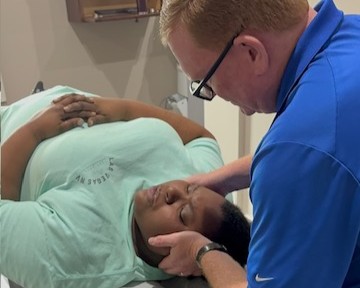

As a local chiropractor, I want to emphasize the importance of keeping your infants and toddlers safe and healthy through natural healing practices. There are several straightforward techniques that can significantly enhance your child's well-being. From proper positioning during diaper changes to safe sleep practices that promote optimal spinal development, every step is vital.
You might believe you've covered the basics of infant care, but it's quite common for parents to overlook some key aspects that can impact your child's health. By incorporating safe pediatric techniques into your daily routine, you not only protect your little ones but also foster their overall development and give yourself peace of mind.
Let's delve into these essential practices and discover how chiropractic care can play a role in creating a safer and healthier environment for your child. By prioritizing their physical well-being from an early age, you're setting the foundation for a lifetime of health.
Proper Diaper Changing Techniques
Changing a diaper may seem simple, but just like maintaining proper spinal alignment, it requires attention to technique for the well-being of your infant. As a chiropractor, I want to emphasize the importance of ensuring your baby stays clean and comfortable, much like how we prioritize spinal health.
Start by gathering all your supplies—wipes, clean diapers, and diaper cream—before you begin. This preparation mirrors how we approach chiropractic care: ensuring everything is in place for optimal outcomes. By having everything ready, you prevent the need to leave your baby unattended, which could lead to accidents.
Next, lay your baby on a safe, flat surface, such as a changing table or a clean area with a changing mat—similar to how we ensure patients are positioned correctly during an adjustment. Always keep one hand on your infant for their safety, just like how we support our patients during treatments.
When you unfasten the dirty diaper, don't remove it right away. Use the front part of the diaper to gently wipe away any mess, folding it over to contain it—this is akin to how we manage misalignments carefully to avoid further discomfort.
Gently lift your baby's legs by the ankles and slide the dirty diaper out. Once disposed of, grab a wipe and clean your baby's bottom thoroughly, wiping from front to back to prevent infections, which is especially important for girls. This meticulous care parallels how we approach adjustments to ensure complete wellness.
After your baby is clean, slide a fresh diaper underneath, ensuring the back part is higher than the front—this is similar to maintaining proper posture. Fasten the diaper snugly, but not too tight, allowing for movement, just like how we encourage patients to maintain flexibility in their spine. You should be able to fit a finger between the diaper and your baby's skin, ensuring comfort.
Finally, dress your infant and wash your hands thoroughly, much like how we emphasize hygiene in chiropractic practices.
Safe Feeding Practices
As a chiropractor dedicated to promoting holistic health and wellness, I want to emphasize the importance of safe feeding practices, particularly for infants and toddlers. Just as we prioritize maintaining proper spinal alignment and overall body wellness, ensuring a clean and safe feeding environment is crucial for your child's development.
Before preparing food for your little one, it's essential to wash your hands thoroughly. This not only protects your child's health but also aligns with the principles of natural healing by preventing harmful bacteria from entering their system.
Furthermore, make sure that all surfaces and utensils are clean and sanitized, as this will help create a safe foundation for nourishment.
When introducing solid foods, I recommend a gradual approach. Begin with single-grain cereals or pureed fruits and vegetables, allowing you to monitor for any allergic reactions. It's essential to stay present with your child during mealtime, as this enables you to address any choking hazards immediately and fosters a bond that supports their emotional well-being.
Positioning your child in a high chair or secure feeding seat is vital for safety and encourages proper posture, which is something we value in chiropractic care. This position helps your child focus on their food and makes the feeding experience more enjoyable.
To enhance this experience, minimize distractions such as screens or loud noises—this mindfulness during meals can promote better digestion and awareness of their body's signals.
Take your time during the feeding process. Allow your child to explore their food at their own pace, which not only fosters healthy eating habits but also aids in developing their fine motor skills.
Just as we advocate for patience in chiropractic adjustments, the same patience applies to nurturing your child's relationship with food. Always remember to check the temperature of the food before feeding to avoid burns, ensuring a safe and positive mealtime experience.
Infant CPR Essentials
As a local Chiropractor, I understand that many people may not be familiar with the principles of chiropractic care and natural healing, just as it's crucial to know the steps for Infant CPR in an emergency.
Just like CPR requires specific steps and safety precautions, chiropractic care emphasizes a holistic approach to health and wellness. Let's explore the essential aspects of chiropractic care and how it can benefit you and your family.
Understanding the body's mechanics is key to maintaining good health. Similar to how CPR techniques can save a life, chiropractic adjustments can help restore proper alignment and function to the spine and nervous system, promoting overall well-being.
It's important to prioritize safety and comfort during chiropractic treatments, just as you'd in an emergency situation.
CPR Steps Overview
As a local chiropractor, I believe it's vital for every caregiver to be equipped with essential skills for emergencies, such as infant CPR, which can truly make a life-saving difference.
When faced with an unresponsive infant, the first step is to assess the environment for safety. Gently tap the infant and call their name to check for responsiveness. If there's no reaction, it's crucial to call for help immediately or have someone else assist in doing so.
Once the situation is under control, lay the infant flat on their back on a firm surface. To ensure the airway is clear, tilt the head back slightly while lifting the chin. Spend no more than 10 seconds checking for breathing. If the infant isn't breathing, it's time to initiate CPR.
Use two fingers to compress the center of their chest, located just below the nipple line, pushing down firmly and quickly at a rate of 100 to 120 compressions per minute. After every 30 compressions, provide two gentle breaths by sealing your mouth over the infant's mouth and nose, ensuring to deliver just enough air to visibly raise the chest.
Continue this rhythm until emergency services arrive or the infant begins to breathe independently.
In addition to emergency skills, I encourage my patients to explore natural healing methods, including chiropractic care, which can support overall health and wellness.
Understanding these essential skills not only prepares you for emergencies but also fosters a deeper connection with the principles of health and healing.
Safety Precautions Essential
Understanding safety precautions is crucial for anyone, including parents and caregivers, when it comes to the well-being of infants. As a chiropractor focused on natural healing, I want to emphasize the importance of creating a safe environment before addressing any health concerns, including performing CPR if necessary.
First, ensure the area where the infant is located is safe and conducive to proper care. It's essential that the infant is placed on a firm, flat surface; avoid soft surfaces like beds or couches that may impede any necessary actions.
Next, always check for the infant's responsiveness. A gentle tap and a clear voice can help determine if they're alert. If there's no response, it's vital to call for emergency assistance immediately or ask someone else to do so while you take necessary actions. Remember, in any emergency, every second counts.
If you find yourself in a situation where CPR is required, use two fingers just below the nipple line for chest compressions. Aim for a depth of about 1.5 inches and maintain a rhythm of 100 to 120 compressions per minute. It's important to allow the chest to fully recoil in between compressions to facilitate proper blood flow.
In the event that rescue breaths are needed, make sure the infant's head is positioned neutrally. Gently seal your lips around their mouth and nose, delivering soft puffs of air that last around one second each. Keep a vigilant eye on the infant's condition during the process, and continue CPR until professional help arrives. Your quick and composed actions could truly make a difference in a critical situation.
In addition to learning emergency procedures, I encourage all caregivers to explore chiropractic care as a proactive approach to health and wellness. Regular adjustments can support overall well-being for both you and your little ones, promoting a natural healing process and enhancing resilience against health challenges.
Secure Sleep Environments
As a local chiropractor, I want to emphasize the importance of creating a secure sleep environment for your infant or toddler, not only for their safety but also for their overall well-being and spinal health.
It's crucial to adhere to crib safety standards and ensure that your child sleeps in the optimal position for their developing spine.
By understanding these guidelines, you can help foster a safe and supportive space for your little one to rest peacefully, which can contribute to their natural healing and growth.
Let's explore how proper sleep environments can support your child's health and development!
Crib Safety Standards
As a local chiropractor, I want to emphasize the importance of creating a safe sleep environment for your little one, which is crucial for their overall health and well-being.
Just as we advocate for proper spinal alignment and posture in our patients, ensuring a safe crib is an essential aspect of nurturing your child's development.
To start, choose a crib that complies with the latest safety regulations. The Consumer Product Safety Commission (CPSC) provides valuable resources to help you find cribs that are constructed to be sturdy and free from sharp edges.
It's important to avoid cribs with drop-side rails, as they can pose significant risks to your child's safety.
When it comes to the mattress, it should fit snugly within the crib frame, leaving no gaps where your baby could get trapped. A firm mattress is essential for your child's comfort and safety, and it should always be covered with a fitted sheet that's specifically designed for that size.
It's best to steer clear of soft bedding, such as pillows, blankets, and bumper pads, as these can increase the risk of suffocation and disrupt healthy sleep patterns.
Regularly inspecting the crib for any loose parts or signs of wear and tear is vital. If you're considering a second-hand crib, ensure it hasn't been recalled and that it meets current safety standards.
Additionally, positioning the crib away from windows, cords, and other potential hazards is key to creating the safest possible sleep space.
By adhering to these crib safety standards, you aren't only enhancing your child's sleep environment but also supporting their overall health, setting the foundation for better spinal health and wellness in the future.
As your chiropractor, I'm here to help guide you on the path to natural healing and optimal wellness for your entire family.
Sleep Position Guidelines
As a chiropractor focused on the overall wellness of families, it's essential to highlight the importance of a safe sleep environment for your infant. Ensuring your baby sleeps in the right position is crucial for their health and development. To minimize the risk of Sudden Infant Death Syndrome (SIDS), always place your little one on their back for every sleep session, whether it's a nap or overnight. This position not only keeps their airways clear but also supports proper spinal alignment.
It's important to create a clutter-free sleep space, which means keeping the crib or bassinet free of soft bedding, pillows, and toys. These items can present choking risks and may contribute to SIDS. Instead, opt for a firm mattress with a fitted sheet, promoting a safe sleep surface for your baby.
As your infant grows and begins to roll over, you may find that there's less need to worry about repositioning them. Babies are naturally inclined to find their comfortable sleep positions. Nevertheless, it's still advisable to return them to their back to sleep, especially during their early months, to further ensure their safety.
Maintaining a comfortable room temperature is also vital, as overheating can elevate the risk of SIDS. Dress your baby in light sleepwear and try to avoid blankets whenever possible.
Safe Bathing Methods
As a local chiropractor, my goal is to promote overall wellness and safety for families, especially when it comes to caring for infants and toddlers. Bathing your little ones can be a delightful experience, but safety should always be your top priority. Creating a secure environment not only minimizes risks but also ensures that your child feels comfortable and relaxed.
Before you begin bath time, gather all the necessary supplies—soap, washcloth, towel, and any bath toys. This preparation helps you avoid leaving your child unattended, which is crucial for their safety.
Select a bathing area that's safe and appropriate, such as a small tub or a sink. If you're using a bathtub, I recommend placing a non-slip mat to reduce the chance of slips and falls. When filling the tub, use just a few inches of warm water. It's important to check the water temperature with your wrist to ensure it's around 100°F (37.8°C) — warm enough for comfort but not so hot that it could cause burns.
Always keep one hand on your child during the bath, especially if they're sitting. For toddlers who are able to stand, you might consider using a bath seat or a sturdy bath mat to help them maintain their balance. Engaging your child with toys or singing songs can make bath time more enjoyable, but remember to stay focused and attentive.
Once bath time is over, wrap your child in a towel immediately to keep them warm and prevent chills. Be sure to dry them thoroughly, paying special attention to the creases around the neck and legs.
Lastly, it's vital to never leave your child alone in the water, not even for a moment. By adhering to these safety guidelines, you can create a positive and safe bathing experience for both you and your child, enhancing their well-being in the process.
As we focus on natural healing and holistic care, fostering a safe and supportive environment for your little ones is a wonderful way to start their journey toward wellness.
Handling Fever and Illness
As a local chiropractor, I understand that dealing with fever and illness in infants and toddlers can be a daunting experience for parents. It's essential to approach these situations with calmness and clarity.
Begin by checking your child's temperature, as a fever is generally recognized as a temperature exceeding 100.4°F (38°C). If you notice a fever, it's important to monitor accompanying symptoms closely—look for signs like irritability, lethargy, or reduced appetite, which may indicate the need for medical guidance.
When your little one is running a fever, comfort is key. Dress them in lightweight clothing and ensure the room is kept at a comfortable temperature. Hydration is crucial, so encourage your child to drink fluids like water, clear broths, or electrolyte solutions to help prevent dehydration.
If they seem particularly uncomfortable, you might consider using age-appropriate fever-reducing options, but it's always best to consult with your pediatrician before administering any medication.
Keep an eye out for additional symptoms that might accompany the fever. If your child experiences a persistent cough, difficulty breathing, or develops a rash, it's crucial to seek medical advice promptly.
For infants under three months with a fever, contacting your healthcare provider immediately is vital, as this could signal a serious infection.
As a chiropractor, I also want to emphasize the importance of a holistic approach to your child's health. Chiropractic care can play a supportive role in enhancing your child's immune function and overall well-being. Gentle adjustments may help alleviate discomfort and promote better health.
Finally, trust your instincts as a parent. If something feels off, don't hesitate to reach out to your pediatrician or a healthcare professional. Being proactive about your child's health can truly make a difference.
Childproofing Your Home
As a local chiropractor, I understand that creating a safe environment for your little explorer is vital, not just for their physical safety but also for their overall health and well-being.
Childproofing your home is an essential step in ensuring that your infant or toddler can crawl, walk, and explore without unnecessary risks that may lead to injuries or discomfort.
Start by assessing your living space with a keen eye for potential hazards. Sharp corners on furniture can pose risks for falls or bumps, so consider using corner guards to protect your child's delicate body.
It's important to remember that even minor injuries can affect alignment and posture, which is something we focus on in chiropractic care.
Additionally, ensure that heavy furniture is securely anchored to the wall to prevent tipping. Small objects, like coins or batteries, can easily become choking hazards, so it's crucial to regularly check floors and surfaces for anything that could cause harm.
Electrical safety is another area to consider. Installing outlet covers or safety plugs can prevent curious little fingers from exploring electrical outlets, which not only keeps them safe but also helps avoid potential stress on their developing nervous systems.
In the kitchen, store all cleaning supplies and sharp utensils in high places or locked cabinets. Baby gates can be very effective in keeping your child safe in designated areas while you attend to other tasks around the home.
The bathroom also requires extra attention. Use non-slip mats to prevent falls and ensure that medications and toiletries are stored safely out of reach.
Keeping the toilet lid closed or using a toilet lock is also a proactive measure to prevent accidental drownings.
Finally, take a moment to evaluate your outdoor space. Ensure that fences are secure and remove any poisonous plants or hazardous garden tools that could pose risks to your child.
By taking these steps, you aren't only creating a safer environment for your child but also promoting their health and wellness, which is at the core of chiropractic philosophy.
Conclusion
As a local chiropractor dedicated to the well-being of your little ones, I want to share how incorporating these seven safe pediatric techniques into your daily routine can significantly enhance their health and safety. Proper practices such as safe diaper changing, mindful feeding, and creating secure sleep environments are essential in laying a solid foundation for their overall development. It's crucial to ensure your home is childproof and to closely supervise them during bath time to prevent any accidents. By staying alert and well-informed, you not only safeguard your child's physical well-being but also empower them to explore their surroundings with confidence. Remember, chiropractic care can also play a vital role in supporting your child's natural healing processes, promoting optimal growth and wellness.