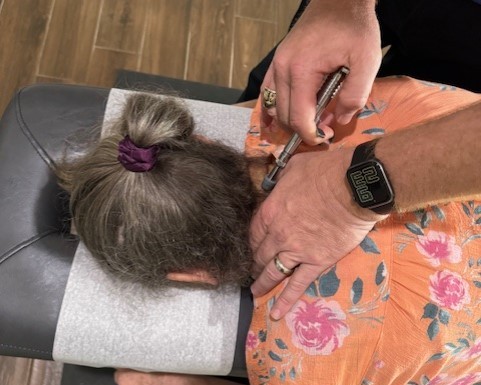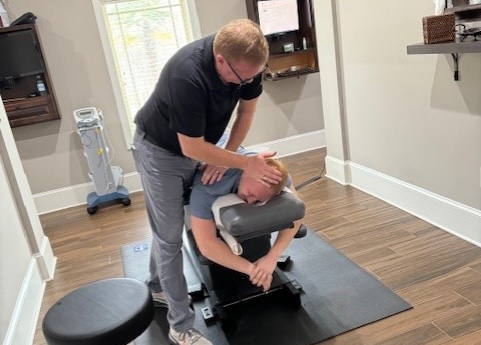

When it comes to managing pain at home, chiropractic care is a powerful tool that can help you achieve optimal health and wellness. By focusing on the spine and nervous system, chiropractic adjustments can relieve discomfort and promote natural healing.
In addition to regular chiropractic visits, there are several effective techniques you can incorporate into your daily routine. Gentle exercises such as stretching or yoga can enhance your flexibility and strengthen the muscles that support your spine. Nutrition also plays a vital role in your comfort; a balanced diet rich in anti-inflammatory foods can help reduce pain and inflammation.
Mindful practices like meditation or deep-breathing exercises can help manage stress, which often contributes to muscle tension and pain. It’s essential to listen to your body and give it the care it needs.
By exploring these methods alongside chiropractic care, you can find effective relief and regain control over your well-being. What’s the first step you’ll take to ease your discomfort and support your spine? Remember, your journey to better health starts with small, consistent changes.
Simple Lifestyle Adjustments
When you make simple lifestyle adjustments, you can significantly reduce pain and enhance your overall well-being, especially when combined with chiropractic care. One of the most effective ways to support your spine and overall health is by incorporating regular physical activity into your daily routine. Activities like a daily walk can improve circulation, strengthen your muscles, and alleviate discomfort.
Remember, maintaining proper posture is essential—whether you’re working at a desk or lifting objects, proper alignment can prevent strain and tension, which is where chiropractic adjustments can make a big difference.
Consider also the impact of your diet on your health. Eating anti-inflammatory foods such as fresh fruits, vegetables, and whole grains can help combat pain from the inside out. Staying hydrated is equally important; drinking plenty of water supports joint health, reduces fatigue, and contributes to better spinal function.
Don’t overlook the importance of quality sleep. Prioritizing good sleep allows your body to recover and rejuvenate. Chiropractic care can also improve your sleep by addressing any spinal misalignments that may be affecting your comfort at night.
Managing stress is another vital component of wellness. Incorporating mindfulness practices like meditation can meaningfully decrease pain perception and improve your overall quality of life.
Natural Remedies and Herbal Treatments
When you’re looking for pain relief, chiropractic care stands out as a powerful option that promotes natural healing and overall wellness. As a chiropractor, I believe that by addressing the root causes of pain through spinal adjustments and holistic techniques, we can’t only alleviate discomfort but also enhance your overall health.
Incorporating natural remedies, such as herbal pain relievers and essential oils, can complement your chiropractic treatment. For instance, essential oils like peppermint or lavender can be soothing when used in conjunction with spinal adjustments, helping to relax your muscles and promote a sense of calm.
Additionally, dietary supplements that support joint health can play a role in your recovery process.
Here are some general tips to enhance your pain management routine:
- Stay Active: Gentle exercises and stretches can help maintain flexibility and strength, making it easier for your body to heal.
- Maintain Good Posture: Being mindful of your posture throughout the day can help prevent unnecessary strain on your spine.
- Hydrate: Drinking plenty of water is essential for keeping your joints lubricated and your body functioning optimally.
- Listen to Your Body: If something doesn’t feel right, seek the guidance of your chiropractor to address any underlying issues.
By focusing on these natural approaches alongside regular chiropractic care, you can create a comprehensive pain management plan that promotes healing and well-being.
Herbal Pain Relievers
While modern medicine provides various options for pain relief, many individuals are discovering the benefits of herbal remedies as a natural and gentle approach to managing discomfort.
However, it’s important to remember that chiropractic care remains one of the most effective ways to achieve optimal health and relief from pain. By addressing the root causes of your discomfort through spinal adjustments and holistic wellness practices, you can promote healing in your body without the need for medications or invasive procedures.
If you’re considering herbal pain relievers as a complementary approach, here are three popular options that may help alleviate discomfort:
- Turmeric: This golden spice is well-known for its anti-inflammatory properties, which can be beneficial for conditions like arthritis and muscle soreness. Incorporating turmeric into your diet, whether in cooking or as a supplement, can be a great addition to your overall wellness routine.
- Ginger: Often used to soothe headaches and menstrual cramps, ginger also has powerful anti-inflammatory effects. You can enjoy ginger in teas, smoothies, or as a spice in your meals. It’s a tasty way to support your body’s natural healing processes.
- Willow Bark: Sometimes referred to as “nature’s aspirin,” willow bark has been traditionally used to help relieve back pain and headaches. While it can be an option for some, remember that chiropractic care directly addresses spinal alignment issues and can provide lasting relief.
Incorporating these herbs into your routine might offer some relief, but remember that the best way to achieve lasting wellness is through regular chiropractic care. A chiropractor can help identify misalignments and provide tailored treatments to support your spinal health and overall well-being.
Here are some general tips to enhance your pain relief journey:
- Stay active: Gentle exercises and stretches can help keep your body moving and alleviate tension.
- Maintain good posture: Pay attention to your alignment while sitting, standing, and lifting to prevent unnecessary strain on your spine.
- Stay hydrated: Drinking plenty of water supports overall health and can help reduce inflammation.
Essential Oils Benefits
Essential oils can be a wonderful addition to your wellness routine, complementing the benefits of chiropractic care. These oils offer various advantages that can help reduce pain and promote relaxation, further supporting your journey to optimal health.
For example, lavender oil is known for its calming effects, which can be particularly helpful when you’re feeling stressed. Peppermint oil provides a refreshing sensation that can ease sore muscles, making it a great post-adjustment option.
To incorporate these oils into your daily life, try using a diffuser to fill your space with soothing scents, or mix a few drops with a carrier oil for safe topical application. Eucalyptus oil is excellent for relieving tension headaches, while tea tree oil is known for its anti-inflammatory properties.
Remember, while these oils can enhance your mood and reduce stress, the foundation of effective pain management starts with chiropractic adjustments, which align your spine and support your nervous system.
Feel free to experiment with different essential oil blends to see what resonates with you. Just be sure to perform a patch test before applying any oil directly to your skin to avoid irritation.
Dietary Supplements Efficacy
Dietary supplements can play a supportive role in managing pain and enhancing your overall wellness, especially when paired with the benefits of chiropractic care. While these supplements can provide essential nutrients that help your body function optimally, it’s important to remember that chiropractic adjustments can address the underlying issues causing discomfort.
Here are some popular supplements that may complement your wellness journey:
- Turmeric: This spice is celebrated for its anti-inflammatory properties, which may help reduce pain and swelling in the body. When your body is less inflamed, chiropractic adjustments can be even more effective.
- Ginger: Known for its ability to improve circulation and alleviate discomfort, ginger can be a great addition to your daily routine. This can enhance your body’s overall response to chiropractic treatments.
- Omega-3 fatty acids: Found in fish oil, these healthy fats can help combat inflammation, supporting joint health. When your joints feel better, it can make a big difference in how well chiropractic adjustments work for you.
Incorporating these supplements into your daily routine might assist in finding relief from pain, but they work best when combined with regular chiropractic care. Always consult with a healthcare professional to ensure that any new supplement aligns with your wellness goals.
In addition to supplements, here are some general tips for maintaining a healthy lifestyle and supporting your chiropractic care:
- Stay hydrated: Drinking plenty of water helps keep your joints lubricated and your body functioning well.
- Practice good posture: Being mindful of your posture can prevent unnecessary strain on your spine and muscles.
- Engage in regular physical activity: Gentle exercises, like walking or stretching, can help maintain mobility and support your chiropractic adjustments.
Heat and Cold Therapy
Whether you’re dealing with a sprain, sore muscles, or chronic pain, incorporating heat and cold therapy can be a part of your journey toward natural healing and wellness. As a chiropractor, I want to emphasize that these methods can complement your overall care and help you find relief without relying on medications or invasive treatments.
Heat therapy is a wonderful way to promote blood flow, which can soothe tight or tense muscles. You might consider using a heating pad, a warm towel, or even a hot water bottle to apply gentle heat to the affected area. Just remember to keep it at a comfortable temperature – you want to relax your muscles, not risk burns!
On the other hand, cold therapy can be highly effective for reducing inflammation and numbing pain, making it ideal for acute injuries. Ice packs or a bag of frozen vegetables wrapped in a cloth can do the trick. When using cold therapy, aim to apply it for about 15-20 minutes at a time, and be sure to allow your skin to recover between applications.
While these therapies can provide immediate relief, remember that regular chiropractic care addresses the root causes of pain and discomfort, promoting overall health and wellness.
Mindfulness and Relaxation Techniques
As you embark on your journey toward effective pain management, incorporating mindfulness and relaxation techniques can significantly boost your overall well-being.
These approaches help you stay present, alleviating stress and tension that often accompany discomfort. Integrating these practices into your daily life can be both easy and beneficial.
Here are some simple techniques you can try:
- Deep Breathing: Focus on taking slow, deep breaths. Inhale deeply through your nose and exhale gently through your mouth. This simple practice can calm your mind and body, promoting a natural sense of relaxation.
- Guided Imagery: Picture a serene scene or a cherished memory. Engaging your imagination in this way can serve as a distraction from pain, helping to cultivate a peaceful state of mind.
- Progressive Muscle Relaxation: Go through your body by tensing and then relaxing each muscle group. This method helps to release physical tension, enabling you to feel more comfortable and relaxed.
In addition to these techniques, consider incorporating regular chiropractic care into your wellness routine.
Chiropractic adjustments can help alleviate pain, improve spinal alignment, and enhance your body’s natural healing processes. By addressing the root causes of discomfort, chiropractic care not only provides immediate relief but also supports long-term health and wellness.
Remember, prioritizing your health is key.
Gentle Exercise and Stretching
Gentle exercise and stretching are essential components of maintaining your overall well-being and alleviating pain, particularly when it comes to spinal health.
As a chiropractor, I can confidently say that incorporating effective stretching techniques into your daily routine can significantly enhance your flexibility and mobility, ultimately leading to a healthier lifestyle.
By focusing on gentle movements, you not only promote better circulation but also help your spine maintain its natural alignment. This is crucial for preventing discomfort and injuries.
Here are some simple tips to get you started:
- Start Slow: Begin with gentle stretches and low-impact exercises. This allows your body to adjust and helps avoid strain, especially if you’re new to exercising.
- Focus on the Spine: Incorporate movements that promote spinal flexibility, like gentle twists or forward bends. These can relieve tension and improve your range of motion.
- Listen to Your Body: Pay attention to how your body feels during stretching. If something doesn’t feel right, ease off and adjust your movement.
- Consistency is Key: Make stretching a daily habit. Even just a few minutes each day can lead to significant improvements over time.
- Consider Chiropractic Care: Regular visits to a chiropractor can complement your exercise routine. Chiropractic adjustments help ensure that your spine is aligned correctly, which enhances the benefits of your stretching and exercise efforts.
By adopting these practices, you can create a strong foundation for a pain-free life.
Benefits of Gentle Exercise
Incorporating gentle exercise and stretching into your daily routine can significantly alleviate pain and enhance your overall well-being. As a chiropractor, I often see how gentle movements improve blood flow, reduce stiffness, and promote relaxation—all of which are essential for maintaining a healthy spine and body.
Here are some key benefits you can experience by embracing gentle exercise as a part of your wellness journey:
- Increased Flexibility: Gentle exercises can help you maintain and improve your range of motion, making daily activities easier and reducing the risk of injury. Simple stretches can be done at home and can greatly benefit your spinal health.
- Pain Relief: Regular gentle movement can alleviate chronic pain by reducing muscle tension and promoting the release of endorphins, your body’s natural painkillers. This is especially important for those dealing with back pain, as it can help keep your spine and muscles functioning optimally.
- Enhanced Mood: Engaging in gentle exercise releases feel-good hormones, which can lift your spirits and help reduce stress. A positive mindset is crucial for overall health, and chiropractic care can further enhance this by addressing any underlying spinal issues that may contribute to discomfort and tension.
Tips for Incorporating Gentle Exercise:
- Set a Routine: Aim to include gentle stretching or movement in your daily schedule, even if it’s just for 10-15 minutes.
- Focus on Your Breath: Pair your movements with deep breathing to enhance relaxation and make the exercise more effective.
- Listen to Your Body: Always pay attention to how your body feels during exercises. If something doesn’t feel right, gently modify the movement or consult with your chiropractor.
- Stay Consistent: Regular practice is key. The more consistently you engage in gentle exercise, the more benefits you’ll experience.
By prioritizing gentle exercise and chiropractic care, you can achieve optimal health and maintain a pain-free lifestyle.
Effective Stretching Techniques
Incorporating effective stretching techniques into your routine can greatly enhance the benefits of gentle exercise and support your overall wellness. As a chiropractor, I believe that a strong focus on flexibility and proper body mechanics is essential for maintaining a healthy spine and reducing discomfort.
Start with simple stretches like neck rolls and shoulder shrugs to relieve tension and promote relaxation. Hold each stretch for 15-30 seconds, while practicing deep breathing to help relax your muscles. It’s important to focus on major muscle groups—especially your back, legs, and arms—as these areas often bear the brunt of daily stress.
For instance, a seated forward bend is a gentle way to stretch your hamstrings, which can help alleviate strain on your lower back. Additionally, incorporating gentle twists can ease discomfort in your spine and improve mobility.
Always remember to listen to your body; if a stretch feels painful, ease off, as pain is a signal that your body needs a different approach. Consistency is key to seeing improvement, so aim to stretch a few times each week. You’ll likely notice increased flexibility and reduced stiffness, making your gentle exercise sessions more enjoyable and effective.
By integrating these stretching techniques into your routine, you’re not only promoting physical flexibility but also supporting your spinal health. Chiropractic care can further enhance these benefits by ensuring your spine is aligned and functioning optimally.
Together, stretching and chiropractic care can be a powerful combination in your journey toward natural pain relief and overall wellness.
Daily Routine Incorporation
To effectively integrate gentle exercise and stretching into your daily routine, it’s important to seize opportunities throughout the day to prioritize your physical well-being.
These simple strategies not only promote a healthier lifestyle but also complement the benefits of chiropractic care, helping you achieve optimal health and wellness:
– Morning Stretch: Begin your day with a gentle stretch to awaken your muscles. This not only sets a positive tone for your day but also encourages spinal flexibility and alignment, which are essential for overall health.
As a chiropractor, I emphasize the importance of maintaining a healthy spine to support your body’s natural functions.
– Break Time Moves: During work breaks, take a few minutes to stand up and perform light stretches. This keeps your body active, reduces tension, and can help prevent discomfort, especially if you spend long hours sitting.
Remember, proper posture is crucial for a healthy spine, and incorporating movement throughout the day can significantly enhance your spinal health.
– Evening Wind Down: Before bed, try a short, relaxing stretch routine. This practice not only helps release the day’s stress but also prepares your body for a restorative night’s sleep.
Quality sleep is vital for your body’s healing processes and overall wellness, and it can support the effectiveness of chiropractic adjustments.
By integrating these gentle exercises and stretches into your daily routine, you’ll not only feel better but also support your spine and overall health.
Chiropractic care can provide additional benefits by ensuring your spine is properly aligned, allowing your body to function at its best.
Proper Hydration and Nutrition
Staying properly hydrated and nourished is essential for managing pain effectively and supporting your overall wellness. Drinking enough water not only keeps your body functioning optimally, but it also helps reduce inflammation and improve blood circulation. A good rule of thumb is to aim for at least eight glasses of water a day, but remember to adjust this amount based on your activity levels and the climate you live in.
In addition to hydration, incorporating nutrient-rich foods into your diet can make a world of difference. Focus on eating plenty of fruits, vegetables, whole grains, and lean proteins. You might’ve heard about omega-3 fatty acids, which are found in fish like salmon; these can be particularly helpful in combating pain and inflammation.
It’s also wise to limit processed foods, sugars, and excessive caffeine, as they can sometimes make discomfort worse. Listening to your body is key. If you notice certain foods seem to trigger your pain, consider removing them from your diet. Planning balanced meals can ensure you’re getting the right vitamins and minerals your body needs to heal and recover.
Conclusion
Incorporating these home techniques can significantly enhance your pain management routine, especially when combined with chiropractic care. By making simple lifestyle adjustments and embracing natural remedies, you can find effective relief from discomfort. Practicing heat and cold therapy is a great place to start—applying heat can soothe tense muscles, while cold therapy can reduce inflammation and numb pain.
Don’t overlook the power of mindfulness and gentle exercise, both of which are essential for maintaining a balanced body and mind. Activities like yoga or stretching can greatly improve your flexibility and help alleviate pain, especially when aligned with chiropractic adjustments. Staying hydrated is crucial, as water helps maintain the health of your spinal discs and overall well-being.
Additionally, nourishing yourself with anti-inflammatory foods—such as leafy greens, nuts, and fatty fish—can support your body’s healing processes. Embracing these strategies, along with regular chiropractic care, will pave the way for optimal health and a more pain-free life. You’ll be on your way to feeling better in no time!