
If you’re struggling with chronic back pain, you’re not alone, and you’re likely searching for effective, lasting solutions. As a chiropractor, I want to share some strategies that can significantly improve your situation without resorting to medications or surgeries.
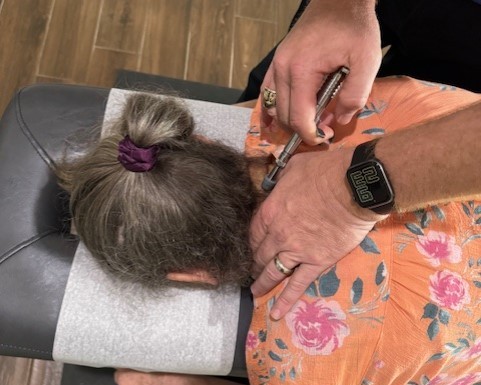
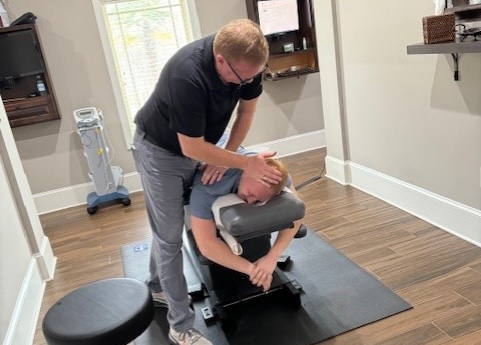
One of the most beneficial approaches is chiropractic care itself. Regular adjustments help to realign the spine, reduce inflammation, and alleviate pain, leading to lasting relief. Coupled with targeted exercises tailored to your needs, you can strengthen your back muscles, improve flexibility, and enhance overall mobility. Simple exercises like gentle stretching and core strengthening can make a world of difference.
Ergonomic adjustments in your workspace or home environment can also help. Make sure your chair supports your lower back and that your computer screen is at eye level to avoid strain. Small changes, like using a supportive pillow while sleeping, can also promote better spinal health.
Incorporating mindfulness techniques can further support your journey toward wellness. Practices such as meditation or deep breathing exercises can help reduce stress, which often exacerbates pain.
Don’t forget the importance of nutritional support in your healing process. Eating a balanced diet rich in anti-inflammatory foods can help your body heal naturally. Foods like leafy greens, fatty fish, and nuts can contribute to overall health and pain reduction.
All these methods work best when integrated with regular chiropractic care, which focuses on healing your body naturally and promoting overall wellness. By embracing these strategies, you’re taking significant steps toward managing your pain effectively and improving your quality of life. Remember, your journey to better health starts with small, consistent changes!
Targeted Exercise Programs
If you’re struggling with chronic back pain, targeted exercise programs can be a game-changer for your recovery. These programs are designed to strengthen the muscles that support your spine, improve your flexibility, and enhance your overall function. Incorporating activities like stretching, core strengthening, and low-impact aerobic exercises can help alleviate pain and increase your mobility, all while supporting your body’s natural healing processes.
Before diving into any exercise routine, it’s important to consult with a chiropractor. They can create a personalized exercise plan that meets your specific needs and ensure you’re using the right techniques to prevent injury. By focusing on chiropractic care, you can tap into a holistic approach that emphasizes natural healing and wellness without the need for medications or surgeries.
Consistency is vital when it comes to these exercises. Making them a part of your daily routine can lead to long-lasting relief and a better quality of life. As you gradually build strength and flexibility, you may find that your pain decreases, and you can perform daily tasks with greater ease.
Remember to be patient—progress takes time, and every small step counts. With dedication and the right support from your chiropractor, you can regain control over your body and enjoy a healthier, pain-free lifestyle.
Keep in mind that chiropractic care not only addresses pain relief but also promotes overall wellness, helping you achieve optimal health naturally.
Ergonomic Adjustments in Daily Life
Making ergonomic adjustments in your daily life can significantly alleviate chronic back pain and enhance your overall well-being. As a chiropractor, I encourage you to start by assessing your workspace. Ensure that your chair offers proper support for your lower back and that your feet rest flat on the floor.
Position your computer monitor at eye level to prevent unnecessary strain on your neck. When lifting objects, it’s crucial to bend your knees while keeping your back straight. This technique helps distribute weight evenly, reducing the stress on your spine and minimizing the risk of injury.
At home, use supportive cushions when sitting on the couch to maintain proper posture. If you’re on your feet for extended periods, consider investing in anti-fatigue mats, which can help reduce pressure on your lower back.
Incorporating regular breaks to stretch and change positions throughout your day can do wonders for your spinal health. Simple practices, such as using a hands-free headset while on the phone, can also help minimize strain on your neck and shoulders.
Remember, these ergonomic principles aren’t just tips; they’re steps toward promoting a healthier posture and alleviating discomfort over time. By prioritizing your spinal health and considering chiropractic care, you can achieve optimal wellness and live a pain-free life.
Your journey to better health starts with small, consistent changes that support your body’s natural healing abilities.
Mindfulness and Stress Management Techniques
Chronic back pain can often be worsened by stress, making it essential to incorporate mindfulness and stress management techniques into your daily life. These practices not only help you stay grounded but also promote relaxation, which can lead to significant pain relief.
As a chiropractor, I recommend these three effective techniques to support your journey toward better health and wellness:
- Deep Breathing: Spend a few minutes each day focusing on your breath. Inhale deeply through your nose, hold for a moment, and exhale slowly. This simple exercise helps calm your mind and relaxes your body, creating a more favorable environment for healing.
- Meditation: Even if it’s just for five minutes, taking time to meditate can be incredibly beneficial. Find a quiet space, close your eyes, and concentrate on your thoughts or a calming mantra. This practice clears mental clutter and helps you connect with your body, which is crucial for overall wellness.
- Progressive Muscle Relaxation: This technique involves tensing and then relaxing different muscle groups in your body, starting from your toes and working your way up. It’s a fantastic way to release physical tension that often accompanies stress, helping you feel more at ease.
In addition to these techniques, regular chiropractic care can greatly enhance your journey towards optimal health.
By addressing spinal health, chiropractic adjustments can help relieve pain, reduce stress, and improve overall function. Pairing these mindfulness practices with chiropractic care creates a powerful approach to achieving long-lasting wellness.
Innovative Therapies and Treatments
As you consider ways to manage chronic back pain, chiropractic care stands out as a natural and effective approach for achieving optimal health and wellness. Unlike invasive treatments, chiropractic focuses on the musculoskeletal system, addressing the root causes of pain rather than just masking the symptoms.
One of the most exciting advancements in chiropractic care is the integration of innovative therapies. For instance, techniques like spinal manipulation can help realign the spine, improving mobility and reducing pain. This hands-on approach not only alleviates discomfort but also promotes the body’s natural healing processes.
In addition to spinal adjustments, incorporating exercises and stretches into your routine can greatly enhance your recovery. Engaging in regular physical activity helps to strengthen your back muscles, improve flexibility, and reduce inflammation. Simple practices like yoga or pilates can complement your chiropractic treatments and contribute to better overall health.
Another key aspect of chiropractic care is the emphasis on personalized wellness programs. By working closely with your chiropractor, you can develop a tailored plan that suits your specific needs. This may include advice on posture, ergonomic adjustments at work, and lifestyle changes that support a healthier spine.
Additionally, utilizing techniques such as heat therapy or cold packs can provide immediate relief from pain and inflammation. Applying heat can relax tense muscles, while cold packs can help numb sharp pain and reduce swelling.
Ultimately, chiropractic care offers a holistic approach to pain relief, empowering you to take control of your health. By focusing on natural healing and preventive measures, you can pave the way for a pain-free future and a healthier life.
Nutritional Support for Spine Health
Chiropractic care is about more than just adjusting your spine; it’s also about nurturing your body from the inside out. Nutrition plays a crucial role in maintaining a healthy spine, reducing inflammation, and promoting healing.
Here are three essential nutritional components you can easily incorporate into your daily routine to support your spine health:
- Omega-3 Fatty Acids: These healthy fats, found in sources like fish (such as salmon) and flaxseeds, are known for their anti-inflammatory properties. Including them in your diet can help ease back pain and support overall joint health. Consider adding a serving of fish to your weekly meals or sprinkling flaxseeds over your breakfast.
- Calcium and Vitamin D: Strong bones are vital for a healthy spine. Calcium, found in dairy products and leafy greens, along with Vitamin D from sunlight and fortified foods, work together to maintain your bone structure. Make sure to include yogurt, spinach, or fortified almond milk in your diet and take time to enjoy the outdoors for some natural Vitamin D.
- Antioxidants: Incorporating foods rich in vitamins C and E, like berries, nuts, and green vegetables, can help combat oxidative stress in your body. These antioxidants support your overall health and can help keep your spine in good shape. Try snacking on a handful of nuts or adding colorful fruits to your meals for a delicious boost.
Remember, chiropractic care and a nutritious diet go hand in hand to help you achieve optimal health and wellness.
Conclusion
As a local chiropractor, I want to share five effective approaches to help you manage chronic back pain and enhance your overall quality of life. By focusing on natural healing and spinal health, you can find relief without the need for surgeries or medications. Here are some simple yet powerful strategies to consider:
- Targeted Exercises: Incorporating specific exercises designed to strengthen your back muscles can provide significant relief. Gentle stretches and strengthening routines can improve your flexibility and posture, reducing strain on your spine. A tailored exercise program can be developed with your chiropractor to suit your individual needs.
- Ergonomic Adjustments: Make simple changes in your environment to support your spine. This includes using chairs that provide good lumbar support, adjusting your workstation to encourage proper posture, and being mindful of how you lift and carry heavy items. These small adjustments can make a big difference in your daily comfort.
- Mindfulness Practices: Engaging in mindfulness techniques such as meditation or deep breathing can help manage the stress that often accompanies chronic pain. Mindfulness encourages relaxation and can help you become more aware of your body’s signals, allowing you to respond to pain in a more constructive way.
- Exploring Innovative Therapies: Consider complementary therapies that work alongside chiropractic care, such as acupuncture or massage therapy. These methods can help alleviate pain and enhance your overall wellness by promoting relaxation and improving circulation in the affected areas.
- Nutritional Support: A balanced diet rich in anti-inflammatory foods can play a crucial role in managing chronic pain. Focus on incorporating fruits, vegetables, whole grains, and healthy fats into your meals. Staying hydrated and limiting processed foods can also support your overall health and wellness.
Remember, taking charge of your health is a journey, and consistency is key. Every small change you make can lead to significant long-term results. By prioritizing chiropractic care and these holistic approaches, you can pave the way to a pain-free, healthier life. Your path to wellness begins with these simple steps—let’s embark on this journey together!