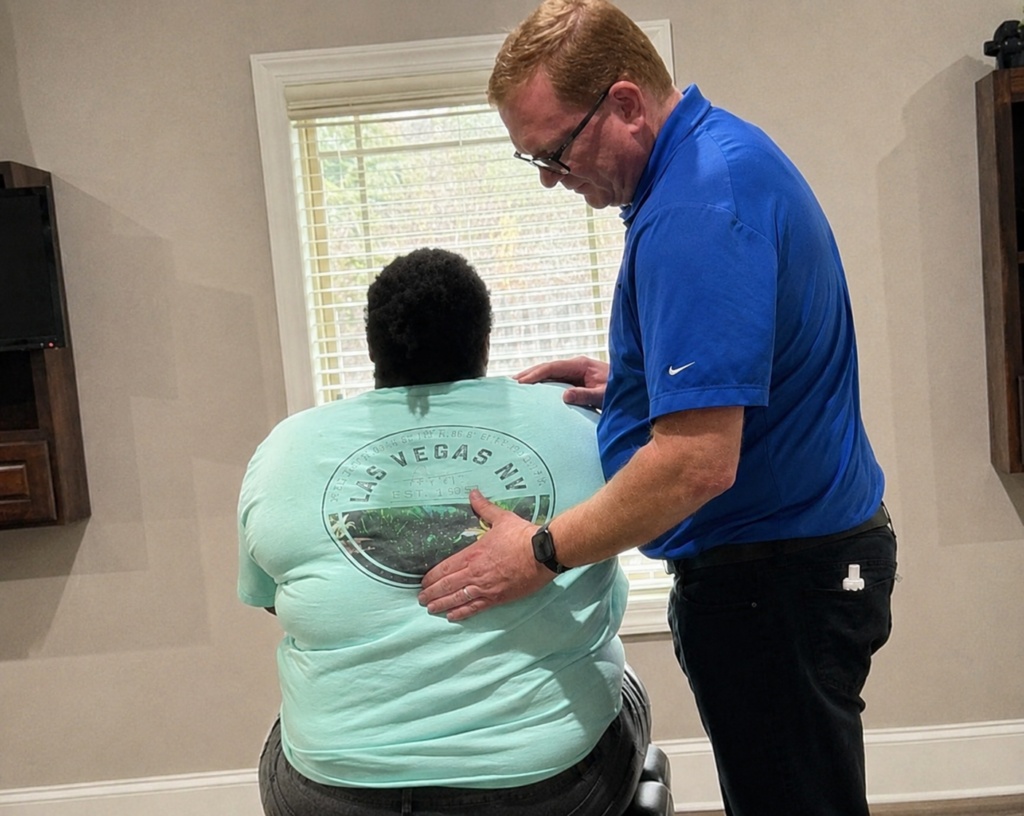

As a local chiropractor, I understand that facing an injury can be a daunting experience for athletes. Many people mistakenly believe that rest alone will suffice for recovery, but I want to highlight the importance of incorporating advanced healing techniques and holistic strategies into your recovery plan.
Chiropractic care can play a pivotal role in your rehabilitation journey. By focusing on proper alignment and mobility, we can enhance your body's natural healing processes. Coupled with tailored rehabilitation exercises and nutritional guidance, you can significantly improve your recovery time and overall performance.
Moreover, it's crucial to address the mental aspect of healing. A positive mindset can be as vital as physical treatments. Imagine not just recovering from your injury but coming back even stronger than before! By understanding how chiropractic care integrates with all these factors, you can transform your approach to injury recovery and pave the way for a healthier future.
Understanding Common Athlete Injuries
As a local chiropractor, I want to share some important information about common injuries that many athletes, both amateur and professional, may encounter. Understanding these injuries is crucial for prevention and recovery, and can significantly impact your overall performance.
One of the most frequent injuries I see is a sprain. This occurs when the ligaments, which connect bones at a joint, are stretched or torn. Sprains often arise in contact sports or during sudden, unexpected movements. If you experience pain, swelling, or a sense of instability in a joint, it's essential to seek care.
Another prevalent issue is a strain, which involves overstretching or tearing of muscles or tendons. Strains can happen in any muscle group, but I often see them in the hamstrings and lower back. If you've ever felt a sudden sharp pain during a sprint or lifting, it's possible you've experienced a strain.
Tendinitis is another condition that should be on your radar. This arises from overuse of tendons and can lead to persistent pain and stiffness, particularly in the shoulders, elbows, and knees. If you notice ongoing discomfort during your activities, it's vital to take this seriously and consider consulting a chiropractor for guidance on recovery and management.
Fractures, while less common, can still occur, especially in high-impact sports. Whether it's a stress fracture from repetitive impact or a complete break from a fall, fractures require proper care and significant recovery time.
By being informed about these injuries, you can take proactive steps to protect your body. Incorporating proper warm-up routines, strength training, and being mindful of your body's signals are essential practices.
As a chiropractor, I can help you with tailored treatments and holistic approaches to keep you healthy and active, allowing you to avoid these common pitfalls and stay in the game.
The Science of Recovery
As your local chiropractor, I want to emphasize how important it's to understand the science of recovery for your healing journey.
It's crucial to recognize the physiological processes your body goes through, as well as the psychological strategies that can support your recovery. By balancing these elements, you can enhance your healing and get back to peak performance more efficiently.
Chiropractic care plays a significant role in this process. It helps to restore proper alignment and function to your spine and nervous system, which can accelerate your body's natural healing.
Additionally, we can work together to develop psychological strategies that promote a positive mindset and resilience during your recovery. By addressing both the physical and mental aspects, you'll be better equipped to achieve optimal health and wellness.
Physiological Healing Processes
When you experience an injury, your body kicks off an impressive series of physiological healing processes that are essential for recovery. As a chiropractor, I want to help you understand these processes so you can appreciate your body's natural ability to heal and support it effectively.
Initially, the inflammatory response is activated. This means that blood flow to the injured area increases significantly, bringing with it vital nutrients and immune cells that your body needs to start the healing process. You might notice some swelling and redness, but don't worry—this is actually your body's protective mechanisms working hard to safeguard the area and initiate repair.
Following this, your body enters the proliferation phase. During this phase, new tissue begins to form. Specialized cells called fibroblasts are at work producing collagen, which is crucial for restoring strength to the injured area. As your healing progresses, you may start to feel some relief from pain and regain mobility. Depending on the severity of your injury, this phase may last anywhere from several days to weeks.
Finally, we reach the remodeling phase. This is when the new tissue matures and strengthens, and it can take months or even years for your body to fully fine-tune the repair. During this important time, it's vital to engage in rehabilitation protocols that promote proper movement and strength training.
As your chiropractor, I encourage you to understand these physiological healing processes. This knowledge empowers you to actively participate in your recovery journey and to appreciate the incredible capabilities of your body. Together, we can work towards optimizing your healing and getting you back to your best self.
Psychological Recovery Strategies
Recovery from an injury involves more than just physical healing; it's crucial to address the psychological aspects as well. As a chiropractor, I often see how the mind can either support or hinder the healing process. To enhance your recovery journey, I encourage you to consider incorporating specific psychological strategies alongside your chiropractic care.
One effective technique is visualization. Imagine yourself fully healed, performing at your best, and overcoming any obstacles. This mental imagery can significantly boost your confidence and resilience during recovery.
Additionally, setting realistic, incremental goals is vital. Celebrate the small victories along the way to fuel your motivation and maintain a positive outlook.
Mindfulness and meditation are also beneficial practices. They can help you stay present and manage any anxiety you may have about your injury. Incorporating simple breathing exercises can calm your mind and reduce stress levels, making the healing process smoother.
Don't forget the importance of a strong support network. Sharing your feelings with family, friends, or teammates can help you feel less isolated and uplift your spirits during challenging times.
If you find yourself struggling emotionally, seeking professional help can be a great step. A sports psychologist can offer tailored strategies to help you navigate the emotional aspects of recovery.
Innovative Rehabilitation Techniques
As a local chiropractor dedicated to promoting natural healing, I want to share how innovative rehabilitation techniques can significantly enhance your recovery from injuries. These advancements not only help you heal faster but also improve your overall performance, whether you're an athlete or just someone who leads an active lifestyle.
Here are three key techniques that I believe can make a difference in your rehabilitation journey:
- Active Release Therapy (ART): This hands-on technique is a fantastic way to release muscle tension and improve your mobility. By applying targeted pressure to specific areas, I can help break down scar tissue and restore normal function in your muscles. This targeted approach can enhance your movement and alleviate pain, making your recovery more effective.
- Cryotherapy: You may have heard about cryotherapy as a powerful tool for recovery. By exposing your body to extreme cold, we can reduce inflammation and pain significantly. Whether through cryo chambers or localized ice treatments, this method is particularly beneficial after intense physical activity or injuries, helping to speed up your recovery process.
- Virtual Reality (VR) Rehabilitation: This cutting-edge approach is transforming how we engage in rehabilitation. With VR, you can practice your movements and skills in a safe, simulated environment that mimics real-game scenarios. This not only makes your recovery more engaging but also helps you transition back to your activities with greater confidence and readiness.
At my practice, I focus on individualized care, recognizing that each person's healing journey is unique. These innovative methods not only address the physical aspects of your recovery but also contribute to your mental resilience and overall well-being.
I encourage you to consider integrating these techniques into your recovery routine. With the right approach, you can bounce back faster and stronger, ready to embrace new challenges. By embracing these advancements in rehabilitation, you can look forward to a more efficient and effective recovery, ensuring you're back to your peak condition in no time.
Role of Nutrition in Healing
As a local chiropractor, I want to emphasize the vital role that nutrition plays in your recovery from an injury. When you're healing, it's not just about the adjustments and treatments you receive; what you put into your body matters significantly.
Nutrients such as proteins, vitamins, and minerals are crucial for repairing tissues and reinforcing your body's strength during this time.
Additionally, I can't stress enough the importance of staying properly hydrated. Adequate hydration can enhance your recovery speed and improve your overall well-being.
By focusing on a balanced diet and proper hydration, you can support your body's natural healing processes alongside the chiropractic care you receive.
Let's work together to ensure you're on the right path to recovery!
Essential Nutrients for Recovery
As a local chiropractor, I want to emphasize the significant role that proper nutrition plays in your recovery process. The food you choose to fuel your body is crucial in healing injuries and getting you back to your optimal health. By focusing on essential nutrients, you can't only speed up your recovery time but also emerge stronger and more resilient.
Here are three vital nutrients that I encourage you to prioritize in your diet:
- Protein: This nutrient is vital for muscle repair and helps rebuild the tissues that may have been damaged due to your injury. Incorporating lean protein sources such as chicken, fish, or legumes into your meals will provide your body with the necessary building blocks it needs to heal effectively.
- Omega-3 Fatty Acids: These healthy fats, found in foods like fish, flaxseeds, and walnuts, are known for their anti-inflammatory properties. Utilizing omega-3s can help reduce swelling and promote healing in the areas affected by injury, which is essential for your recovery journey.
- Vitamins and Minerals: Key nutrients such as Vitamin C, Vitamin D, and zinc play a crucial role in supporting your immune function and aiding in tissue repair. To ensure you're getting a well-balanced mix of these essential nutrients, I recommend incorporating a variety of fruits, vegetables, and whole grains into your diet.
By paying attention to your nutritional intake, you can enhance the healing process and work towards a full recovery.
Hydration's Impact on Healing
As a local chiropractor, I want to emphasize a crucial aspect of your recovery journey that often gets overlooked: hydration. Many people don't realize just how important staying properly hydrated is when it comes to healing from injuries. Adequate hydration is vital for maintaining optimal blood flow, which is essential for delivering nutrients and oxygen to your damaged tissues.
This enhanced circulation can significantly speed up your recovery while also helping to reduce inflammation, allowing you to return to your normal activities more quickly.
If you're recovering from an injury, it's important to recognize that your body may need more fluids than usual to support the healing process. When you're dehydrated, it can hinder your body's natural ability to repair itself, which may lead to longer recovery times.
I encourage you to drink plenty of water throughout the day, particularly if you're participating in physical therapy or light exercises to maintain your mobility.
In addition to water, think about including electrolyte-rich fluids in your diet to help replenish essential minerals that might be lost, especially after workouts. While sports drinks or coconut water can be good options, be cautious about their sugar content.
You can also enhance your hydration by consuming fresh fruits and vegetables, which not only help keep you hydrated but also provide vital nutrients that support tissue repair.
Technology Transforming Recovery
As a local chiropractor, I want to share how the latest advancements in technology are revolutionizing the way we approach recovery and healing. Many of my patients may not be familiar with these tools and practices, but they can significantly enhance your recovery process.
Here's a closer look at how technology is transforming recovery for athletes and anyone looking to improve their health:
1. Wearable Devices: These handy gadgets provide real-time feedback on your body's vital signs, such as heart rate, muscle tension, and fatigue levels. By keeping an eye on these metrics, you can better understand your body's needs and adjust your recovery strategies.
This way, you can ensure you're not overexerting yourself and allow your body the time it needs to heal properly.
2. Cryotherapy: This cutting-edge treatment involves exposing your body to extremely low temperatures, which can help reduce inflammation and speed up the healing process. Many athletes and active individuals report feeling revitalized after just a few minutes in a cryo chamber.
It's a fantastic option for anyone dealing with soreness or injury, and I encourage you to consider it as part of your recovery regimen.
3. Electrical Stimulation Devices: These devices utilize electrical impulses to activate your muscles, which can enhance blood circulation and promote quicker recovery. Incorporating these into your routine can help alleviate muscle soreness and improve your overall recovery time.
As a chiropractor, I often recommend these treatments alongside spinal adjustments to support your body's natural healing processes.
By integrating these technologies into your recovery plan, you can take a proactive approach to your health and well-being.
Mental Resilience in Injury Recovery
Injury recovery isn't solely about the physical aspects; it encompasses a significant mental component that requires resilience and determination. As your local chiropractor, I want to emphasize that your mindset plays a crucial role in how effectively and swiftly you heal. You may encounter challenges that test your patience and strength, but maintaining a positive outlook can help you navigate through the discomfort and frustration often associated with injuries.
To enhance your recovery, I recommend setting small, achievable goals. These milestones can create a sense of accomplishment, motivating you to progress throughout your healing journey. It's important to celebrate each victory, regardless of how minor it may appear. This practice not only strengthens your commitment but also builds confidence in your ability to overcome obstacles along the way.
Staying connected with your support network is equally vital. Share your feelings and experiences with friends, family, or teammates who can empathize with your situation. Their encouragement can serve as a lifeline during challenging moments.
Additionally, consider incorporating mindfulness techniques into your daily routine. Practices such as meditation and visualization can help you manage stress and maintain focus on your recovery.
It's important to understand that setbacks may happen during your healing process. Rather than viewing them as failures, try to see them as opportunities for growth and adaptation. Resilience isn't about never facing challenges; it's about how you respond and recover from them.
By cultivating a strong mental attitude, you can't only enhance your recovery process but also emerge from this experience even stronger. Embrace the challenge ahead, and remember: nurturing your mind is just as important as caring for your body in this journey.
As your chiropractor, I'm here to support you every step of the way, guiding you towards a natural and holistic healing experience.
Success Stories and Case Studies
At our chiropractic clinic, we often witness incredible recovery journeys that demonstrate the power of resilience and determination in healing. Just like athletes who face setbacks, many of our patients find inspiration in their own paths to recovery.
Here are three remarkable success stories that highlight how a commitment to chiropractic care and effective strategies can lead to significant improvements in health and well-being:
- Derrick Rose: The former NBA MVP faced numerous knee injuries throughout his career. With the help of chiropractic care focusing on strengthening his muscles and improving his mobility, he didn't just return to the court; he transformed his game. By addressing his physical imbalances, Derrick was able to lead the Detroit Pistons to the playoffs, showcasing the power of a tailored recovery approach.
- Katarina Johnson-Thompson: This talented heptathlete encountered a serious Achilles injury just before the Tokyo Olympics. Instead of succumbing to despair, she sought innovative rehabilitation techniques, including chiropractic adjustments and mental coaching. Her hard work and determination culminated in a gold medal victory at the World Championships soon after, proving how holistic care can facilitate recovery.
- Tommy John: A name many recognize as synonymous with elbow surgery, Tommy John's story transcends the surgical procedure itself. After undergoing the now-famous surgery, he returned to Major League Baseball and extended his career considerably. His experience prompted advancements in treatment techniques that have benefited numerous athletes and non-athletes alike, illustrating how chiropractic care can support recovery and enhance performance.
These case studies illustrate that setbacks can indeed be stepping stones to greater achievements. By embracing personalized recovery plans, building mental resilience, and utilizing support systems like chiropractic care, you can successfully navigate your own healing journey.
Your story of recovery and strength could inspire others just as these athletes have inspired many. Let's help you on your path to wellness and recovery.
Conclusion
Injuries don't have to keep you on the sidelines for long. As a local chiropractor, I want to share how embracing a holistic recovery approach can significantly enhance your healing process. By integrating effective chiropractic care with proper nutrition and mental resilience, you can recover faster and more effectively.
It's important to understand that healing is not just about your physical body; it's also about nurturing your mind. Chiropractic adjustments can help restore proper alignment and function, which is crucial for your overall well-being. Alongside this, maintaining a balanced diet will fuel your body's recovery, while mental resilience can keep you motivated and focused on your healing journey.
Stay dedicated to your recovery plan. Utilize the latest techniques we offer in our practice, and look to those who have successfully navigated similar challenges for inspiration. With the right tools and strategies, you can not only bounce back from your injury but come back even stronger than before! Let's work together to get you back to the activities you love.