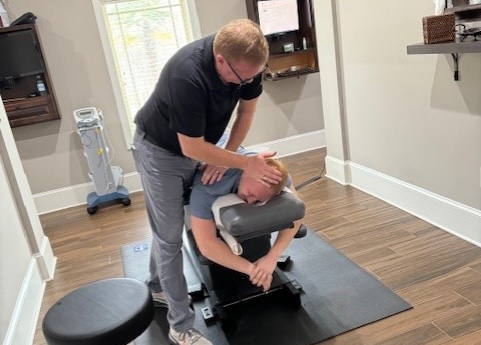

As a local chiropractor, I want to share an exciting discovery that many may not be aware of: your spine is essential for enhancing your cognitive function and mental clarity! You might be surprised to learn just how important spinal alignment and posture are for your overall brain health. By focusing on your spinal health, we can optimize nerve impulses and improve blood circulation to your brain, which can lead to sharper thinking and better memory.
If you're curious about how simple lifestyle changes and specific exercises can unlock this potential, I'm here to guide you. The key to a sharper mind might be just a few adjustments away. Let's work together to explore the benefits of chiropractic care and natural healing for your brain and overall well-being!
The Spine-Brain Connection
As a chiropractor, I want to emphasize the crucial relationship between your spine and your brain. Your spine isn't just a support structure; it's a vital part of your nervous system that safeguards the spinal cord—the main communication highway between your brain and the rest of your body. Every time you experience movement or sensations, it's your spine that carries those messages back and forth, allowing your brain to react appropriately.
Consider this: when you accidentally touch something hot, your spine swiftly sends that signal to your brain, prompting you to pull away almost instantly. This quick response is a fundamental part of how our bodies function, but it also highlights the spine's role in cognitive processes. A healthy spine ensures that nerve impulses flow freely, which is essential for thinking, learning, and memory.
It's important to understand that the alignment of your spine directly impacts your overall well-being. Misalignments can create nerve interference, which may hinder your brain's ability to effectively process information. You might find that when your spine is out of alignment, your focus wanes and you may feel more irritable or down.
At our clinic, we aim to educate you about how chiropractic care can help restore proper alignment and enhance your body's natural healing abilities. By prioritizing spinal health, you can support not just your physical well-being, but also your mental clarity and emotional balance.
Let's work together to ensure that your spine is in optimal condition so that you can enjoy a healthier, more vibrant life.
Importance of Spinal Alignment
As a local chiropractor, I want to emphasize the vital role spinal alignment plays in your overall health and well-being. Many people may not realize how crucial it's to maintain proper alignment of the spine, but it significantly influences both your physical structure and your body's essential functions.
Here are three important reasons why this matters:
- Nervous System Function: Your spine is intricately connected to your nervous system. When it's properly aligned, your nervous system can function optimally. This means that the nerves running from your brain to various parts of your body can communicate without any interference, leading to improved health and vitality.
- Pain Reduction: If you're experiencing discomfort or pain, it's often a sign of spinal misalignment. By focusing on aligning your spine, you can relieve pressure on nerves and muscles, which helps to reduce headaches, backaches, and even joint pain. With proper alignment, you can experience a more enjoyable life, free from the limitations of persistent discomfort.
- Enhanced Mobility: Proper spinal alignment is key to improving your flexibility and range of motion. When your spine is in the right position, you'll find it easier to move and perform daily activities. This can help you stay active and engaged in life, contributing to overall wellness.
If you're new to chiropractic care, I encourage you to explore how spinal alignment can enhance your health and quality of life.
Together, we can work towards achieving optimal alignment for your body.
Impact of Posture on Cognition
As your local chiropractor, I want to share how your posture can significantly impact your brain function and mental clarity. When your body is properly aligned, you create the best possible environment for optimal cognitive performance.
Let's delve into how maintaining the right physical positioning can either enhance or hinder your thinking abilities.
Proper posture helps facilitate better blood flow and oxygen delivery to your brain, which can improve focus and concentration. Conversely, slouching or maintaining poor posture can restrict these vital processes, potentially leading to decreased mental clarity and cognitive function.
By prioritizing your posture, you not only support your spinal health but also boost your overall mental performance.
If you're unfamiliar with chiropractic care, I encourage you to learn how we can help you achieve better alignment and, in turn, enhance your cognitive abilities.
Posture and Brain Function
As a local chiropractor, I want to emphasize how important good posture isn't just for looking your best, but for enhancing your brain function and overall health. Many people don't realize that the way you sit or stand can significantly impact your cognitive abilities.
Here's how maintaining proper posture can benefit your brain:
- Improved Blood Circulation: When your body is aligned correctly, blood flow improves. This means that your brain gets the oxygen and nutrients it requires to operate at its peak performance. Good circulation is vital for maintaining mental clarity and focus.
- Greater Concentration: Correct posture minimizes physical discomfort, which can often lead to distractions. By sitting or standing with proper alignment, you can enhance your focus and productivity, allowing you to complete tasks more efficiently.
- Lowered Stress Levels: Maintaining good posture can alleviate muscle tension, which in turn can reduce stress. When you're less stressed, your mind is clearer, enabling you to think more effectively and make better decisions.
Incorporating good posture into your daily routine can lead to remarkable improvements in your cognitive function.
As a chiropractor, I encourage you to pay attention to your posture and consider how it affects not just your body, but your mind as well. Let's work together to promote your overall well-being through natural healing and proper alignment.
Alignment and Mental Clarity
As a local chiropractor, I want to share how proper body alignment can significantly improve your mental clarity and overall well-being. When your spine is correctly aligned, it optimizes blood flow and oxygen delivery to your brain, which is essential for clear thinking and focus. This isn't just about sitting up straight; it's about actively supporting your cognitive functions.
Many people experience poor posture, often leading to tension and discomfort that can distract them from their daily tasks. If you find yourself hunched over a desk or slouched on the couch, the pain signals from your body can pull your attention away from what's important.
By practicing good alignment, you create a more supportive environment for concentration and mental engagement. When you consciously sit or stand tall, your body communicates to your brain that you're alert and ready to take on challenges. This improved alignment can help reduce mental fog and enhance your ability to process and retain information.
You may discover that with better posture, you're more adept at learning and generating creative solutions. Incorporating simple stretches and exercises into your daily routine can reinforce this alignment.
As you focus on maintaining proper posture, you'll likely notice a clearer mind and improved performance, both personally and professionally. Remember, your body and mind are interconnected, and taking steps towards better alignment can lead to profound benefits in your life.
If you have questions about how chiropractic care can support your journey to improved alignment and mental clarity, I'm here to help!
Physical Positioning Effects
As your local chiropractor, I want to share how important posture is for your overall cognitive function. Many people don't realize that the way you sit or stand can affect not just your spine, but your brainpower as well.
Let's explore how your physical positioning can enhance your cognitive abilities:
- Improved Blood Flow: Maintaining good posture helps open up your airways and promotes better blood circulation to the brain. This means your brain receives the oxygen and nutrients it requires to operate at its best, which is essential for effective thinking and decision-making.
- Enhanced Focus: When you sit or stand up straight, you may notice a boost in your mood and mental clarity. Proper alignment allows your body to communicate better with your mind, making it easier to stay engaged and attentive to tasks.
- Reduced Fatigue: If you find yourself feeling tired or uncomfortable, it may be due to poor posture. By adopting a proper position, you can alleviate discomfort and conserve energy, leading to increased productivity and a more vibrant lifestyle.
Understanding the connection between posture and cognitive function is crucial for your health. As we work together on your chiropractic care, we'll not only focus on spinal alignment but also on how these changes can positively impact your mental well-being.
Exercises for Spinal Health
As a local chiropractor, I'm passionate about helping you understand the importance of spinal health and how it can significantly impact your overall well-being. While many people often prioritize core strength in their fitness routines, I want to emphasize that specific exercises for your spine are just as vital. A strong spine not only provides support for your entire body but also improves your posture and enhances your mobility.
Let's start with a fundamental exercise known as the cat-cow pose. This yoga stretch is excellent for loosening the spine and warming up your back muscles. To perform this, begin on all fours. Arch your back upward like a cat, and then dip it downward while lifting your head, creating a gentle wave motion. Repeat this sequence several times to promote flexibility in your spine.
Next, I recommend the bird-dog exercise. This movement is fantastic for strengthening your lower back and enhancing stability. From the all-fours position, extend one arm forward and the opposite leg back. Hold this position for a few seconds, then return to the starting position and switch sides. Aim for 10 repetitions on each side to build strength and coordination.
Another essential exercise is the bridge. This move targets your glutes and lower back, providing support for your spine. To perform it, lie on your back with your knees bent and feet flat on the floor. Lift your hips towards the ceiling while squeezing your glutes at the top. Lower yourself back down slowly and repeat this for 10-15 repetitions.
Lastly, I encourage you to incorporate spinal twists into your routine. Whether seated or lying on your back, gently twist your torso to one side, holding for a few breaths before switching to the other side. This practice enhances flexibility and promotes overall spinal health.
By integrating these exercises into your routine, you can support your spine and improve your overall health. Remember, your spine is the foundation of your body, and taking care of it is essential to living a healthy, active life.
If you have any questions or need further guidance, don't hesitate to reach out!
Nutrition for Spine and Brain
As a local chiropractor, I want to share with you how your diet can significantly influence the health of both your spine and brain. Many people may not realize just how interconnected nutrition is with our overall wellness, especially when it comes to our nervous system and spinal integrity.
A balanced diet not only fuels your body but also supports proper nerve function and helps maintain the structure of your spine. Here are some key nutrients to consider for optimizing your nutrition and enhancing your spinal and brain health:
1. Omega-3 Fatty Acids: Incorporating healthy fats into your meals is crucial. Foods like salmon and walnuts are rich in Omega-3s. These fats are essential for brain function and can also help reduce inflammation in your spine.
By supporting the health of your neurons, Omega-3s can enhance cognitive function and contribute to overall brain vitality.
2. Antioxidants: Including foods high in antioxidants—such as berries, leafy greens, and nuts—can be a game changer for your health. Antioxidants protect your cells from oxidative stress that can lead to degeneration in both the brain and spine.
They play a vital role in reducing inflammation and promoting recovery, which helps keep your spine flexible and your mind sharp.
3. Calcium and Vitamin D: It's important to focus on calcium and vitamin D in your diet. Calcium is abundant in dairy products, leafy greens, and fortified foods, while vitamin D can be gained from sunlight exposure, fish, and fortified products.
These nutrients are essential for maintaining bone density, which is key to supporting your spine and reducing the risk of fractures that could lead to chronic pain or neurological issues.
By incorporating these nutrients into your daily meals, you can greatly enhance your spinal and brain health. This, in turn, can help you feel more energized and focused.
As your chiropractor, I'm here to support your journey toward natural healing and a healthier lifestyle.
Stress and Its Effects
As your local chiropractor, I want to emphasize how stress can significantly impact both your body and mind. Many of you may experience physical symptoms such as tension headaches or chronic fatigue, which are often linked to stress.
Additionally, mental health issues like anxiety and irritability can arise when we don't manage stress effectively. It's crucial to recognize these effects, as they can interfere with your overall well-being, including the health of your spine and brain.
By understanding how stress impacts you, we can work together to create a holistic approach to natural healing and maintaining a balanced lifestyle.
Physical Effects of Stress
As a local chiropractor, I want to shed light on the physical effects of stress and how they can impact your body. Many people may not immediately associate stress with physical discomfort, but it can manifest in various ways that may surprise you.
You might experience muscle tightness, an overwhelming sense of fatigue, or even digestive problems that don't seem to connect to your diet. These bodily responses are your system's way of signaling that stress is taking its toll, and if not addressed, they can lead to more significant health issues.
Here are three common physical effects of stress that I encourage you to recognize:
- Muscle Tension: Chronic stress can lead to muscle tightness, particularly in areas like your neck, shoulders, and back. This tension can cause discomfort or pain, which is often mistaken for a typical ache rather than a sign of stress.
- Headaches: Stress is a known trigger for tension headaches and migraines. These can leave you feeling incapacitated, impacting your ability to function in daily life and perform at your best.
- Sleep Disturbances: Stress often disrupts sleep patterns, making it challenging to both fall asleep and stay asleep. This can amplify feelings of fatigue and irritability, creating a cycle that's hard to break.
Recognizing these physical effects is crucial for managing stress effectively. As your chiropractor, I advocate for holistic approaches to health that address these issues naturally.
By taking action early on, you can enhance your well-being and prevent long-term complications. Remember, caring for your body and mind is essential in navigating the stressors of life.
Let's work together to find solutions that promote healing and balance.
Mental Health Impacts
As a local chiropractor, I want to share some insights about how stress can profoundly affect your mental health and overall well-being. Many people don't realize that stress isn't just a temporary feeling; it can deeply impact your mind and body. When you're overwhelmed, you may experience heightened anxiety, irritability, or unexpected sadness. These emotional responses aren't just normal reactions; they can be signs of chronic stress, which can lead to more serious mental health issues like depression and anxiety disorders.
Your brain and body thrive in a balanced environment, and stress can disrupt that balance. It can interfere with your sleep, making it harder for you to concentrate and complete daily tasks. When stress takes hold, it can create a cycle of mental fatigue that feels difficult to escape.
At our chiropractic practice, we emphasize the importance of taking proactive steps to manage stress and promote mental wellness. Incorporating mindfulness practices, staying active through regular exercise, and nurturing your social connections can serve as powerful tools in your stress management toolkit.
Remember, prioritizing your mental health isn't just important; it's essential for your overall wellness.
Chiropractic care can also play a vital role in helping you manage stress. By realigning your spine and improving your nervous system function, we can help your body respond more effectively to stressors.
Tips for a Healthy Spine
As a local chiropractor, I want to emphasize the importance of a healthy spine for your overall well-being. Many people may not realize how crucial spinal health is, as it supports your entire body and affects various aspects of your life.
Here are three essential habits that I encourage you to incorporate into your daily routine to keep your spine in optimal condition:
1. Practice Good Posture: Good posture is vital, whether you're at your desk or on your feet. Keeping your back straight and your shoulders relaxed can prevent unnecessary strain on your spine.
I recommend evaluating your workstation to ensure it promotes an ergonomic setup, which can significantly reduce the risk of discomfort and injury.
2. Stay Active: Engaging in regular physical activity is one of the best ways to strengthen your back muscles and enhance your flexibility.
I suggest a balanced routine that includes cardiovascular exercises, strength training, and stretching. Simple activities like walking or practicing yoga can have a profound impact on your spinal health and overall vitality.
3. Mind Your Sleep Position: Your sleep habits play a significant role in spinal health. It's essential to use a supportive mattress and pillow that keep your head and neck aligned with your spine during sleep.
If you tend to sleep on your side, placing a pillow between your knees can provide additional support and help maintain proper alignment.
By incorporating these tips into your lifestyle, you can significantly improve your spinal health.
Remember, your spine is integral to your overall health and well-being, so prioritizing these practices is vital. With small, consistent steps, you can enhance not only your spine health but also your quality of life.
If you have any questions or need personalized advice, feel free to reach out to me. Your journey to a healthier spine starts now!
Conclusion
As a local chiropractor, I want to share with you how prioritizing your spinal health can unlock your brain's full potential. Many people don't realize that proper alignment and good posture play a crucial role in not only protecting your spine but also enhancing your cognitive function and mental clarity.
Incorporating specific exercises and nutrition that benefit both your spine and brain is essential. Additionally, managing stress effectively can make a significant difference in your overall wellbeing. By making these simple lifestyle changes, you can experience sharper thinking and improved focus.
Remember, maintaining a healthy spine is more than just a physical necessity; it's a vital component of achieving a vibrant mind. Let's work together on your journey to better health through chiropractic care and natural healing!