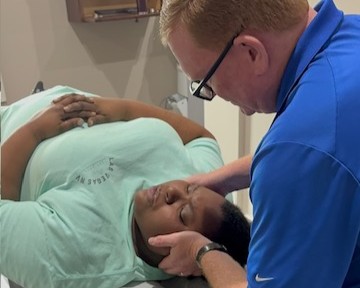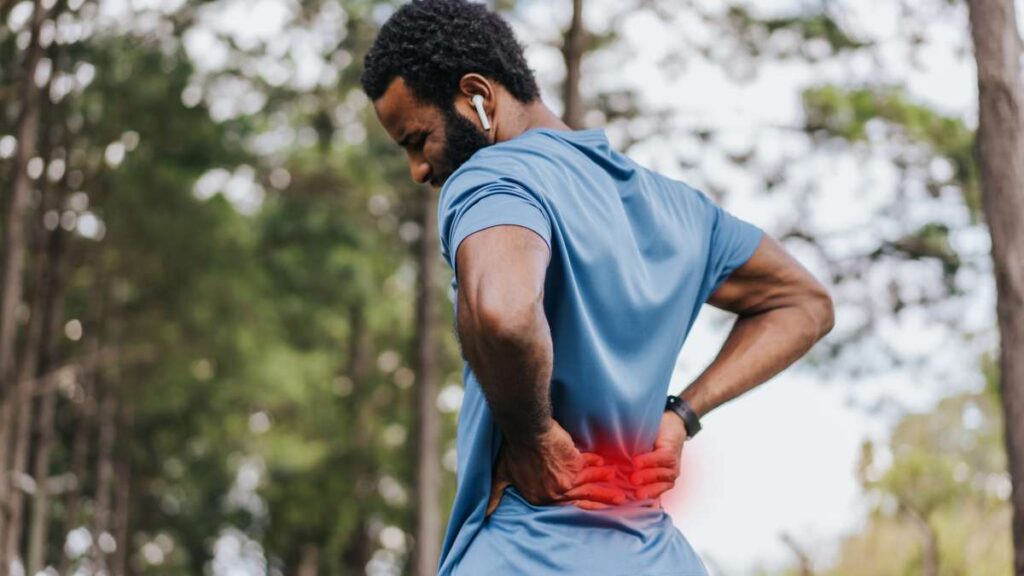

As a local chiropractor, I often see patients who focus solely on rest and hydration for recovery after athletic activities. However, have you ever considered how incorporating alternative therapies like chiropractic care can enhance your recovery routine? Techniques such as spinal adjustments and myofascial release can help alleviate tension, improve mobility, and promote overall wellness.
Chiropractic care works to align the body's musculoskeletal system, which can enhance your performance and expedite recovery. By exploring these natural healing methods, you may find that they resonate with your body's needs, allowing you to reach new levels of recovery and performance. So, what if the key to quicker recovery and better athletic results lies in embracing chiropractic care and other holistic practices? Let's discuss how these approaches can be integrated into your recovery regimen for optimal results.
Understanding Alternative Therapies
As a local chiropractor, I want to introduce you to the world of alternative therapies and how they can significantly enhance your athletic recovery. These treatments are designed to complement traditional methods, providing innovative approaches that can help you recover more quickly and feel revitalized after intense physical activity.
While you may have heard of some of these therapies, understanding how they work can empower you to take charge of your recovery journey.
One therapy that many athletes find beneficial is chiropractic care itself. Chiropractic adjustments can help alleviate muscle tension, improve spinal alignment, and enhance overall mobility. By incorporating regular chiropractic sessions into your routine, you can optimize your performance and decrease recovery time, allowing you to get back to your training more efficiently.
Another popular method is massage therapy. While many think of it as a luxury, it serves a crucial role in recovery by reducing muscle tension, improving circulation, and alleviating soreness.
Combining massage with chiropractic care can create a powerful synergy for recovery and performance enhancement.
Cryotherapy is also gaining traction in the athletic community. This technique involves exposing the body to cold temperatures, which may seem daunting but is embraced by many athletes for its potential to reduce inflammation and speed up healing.
You can find local cryotherapy centers or explore at-home options to incorporate this into your recovery routine.
Yoga is another fantastic practice that goes beyond just flexibility. It fosters a stronger mind-body connection, enhances balance, and promotes relaxation—all of which are essential during rigorous training periods.
Each yoga session encourages mindfulness and breath control, contributing to overall well-being.
Lastly, don't overlook the benefits of aromatherapy. Essential oils can help alleviate stress and promote a state of calm, which can be incredibly helpful in your recovery process.
By exploring these alternative therapies and their benefits, you'll be on your way to discovering what works best for you, paving the path to a more effective recovery and ultimately boosting your athletic performance.
Benefits of Acupuncture
As a local chiropractor, I want to introduce you to the remarkable benefits of acupuncture, an alternative therapy that can significantly enhance your recovery, especially if you're active in sports or physical activities. This ancient practice involves the precise insertion of thin needles into specific points on your body, which can promote healing and restore balance to your system.
You may be surprised to discover that many athletes across various disciplines have turned to acupuncture for its wide array of benefits.
One of the primary advantages of acupuncture is its effectiveness in alleviating pain. If you've dealt with injuries or muscle soreness, acupuncture can stimulate the release of endorphins—your body's natural painkillers—helping you recover more quickly. By focusing on specific areas of discomfort, acupuncture can greatly improve your overall recovery experience.
Moreover, acupuncture is known to enhance circulation. Improved blood flow ensures that oxygen and essential nutrients reach your muscles more efficiently, which can accelerate healing and shorten recovery times. As a result, you may notice an improvement in your performance during both training sessions and competitions.
Stress reduction is another essential benefit that acupuncture offers. As an athlete, you understand that your mental state plays a crucial role in your physical performance. Acupuncture promotes relaxation and can help you manage anxiety, allowing you to concentrate fully on your performance without the burden of stress weighing you down.
Lastly, regular acupuncture treatments can strengthen your immune system. By incorporating this therapy into your routine, you may find it easier to fend off illnesses, helping you stay healthy and committed to your training goals.
Embracing acupuncture as part of your recovery strategy can lead to improved performance and a greater sense of overall well-being.
If you're interested in exploring how acupuncture can complement your chiropractic care and support your natural healing journey, I'd love to discuss it with you further!
The Role of Cryotherapy
As a local chiropractor dedicated to promoting natural healing and wellness, I want to introduce you to an exciting recovery technique known as cryotherapy. This innovative method is gaining popularity among athletes and wellness enthusiasts alike for its remarkable benefits.
Cryotherapy involves exposing your body to extremely cold temperatures for a short duration, typically lasting between two and three minutes. When you step into a cryotherapy chamber, the cold air triggers various physiological responses that can significantly enhance your recovery process.
During cryotherapy, your blood vessels constrict, which helps reduce inflammation and swelling in your muscles. This natural response not only aids in flushing out metabolic waste but also promotes the flow of fresh, oxygenated blood to the areas that need it most once you exit the chamber.
Many people report a noticeable boost in energy levels after a session, which can be particularly advantageous following intense workouts or competitions.
Moreover, cryotherapy has shown promise in alleviating pain, making it an appealing option for those dealing with chronic aches or injuries. The cold exposure stimulates your body's innate pain-relief mechanisms, leading to the release of endorphins—natural chemicals that uplift your mood and ease discomfort.
You may also experience improved range of motion and flexibility in your joints, further enhancing your overall performance.
As you explore the possibility of integrating cryotherapy into your recovery routine, remember that safety is paramount. It's always wise to consult with a healthcare professional, such as a chiropractor, or a trained technician to ensure that this treatment aligns with your specific health needs.
Embracing cryotherapy could unlock your full potential, allowing you to recover more efficiently and train with greater intensity. Why not consider giving it a try? Your body may thank you for it!
Massage Therapy Techniques
As a local chiropractor, I want to share with you the incredible benefits of massage therapy techniques for athletic recovery. Many athletes and fitness enthusiasts are turning to these methods to support their bodies, and it's essential to understand how they can contribute to your overall health and performance.
One standout technique is deep tissue massage, which works on the deeper layers of muscle and connective tissue. This approach is excellent for releasing chronic tension, especially after rigorous workouts. If you find yourself struggling with tight spots or knots, trigger point therapy can provide targeted relief by focusing on those specific areas of discomfort.
For athletes, sports massage is particularly beneficial. This technique is tailored to meet the unique needs of those preparing for an event or recovering afterward. It combines various strokes and methods to enhance your performance while reducing the risk of injury.
You might also consider Swedish massage, renowned for its gentle, flowing strokes. This technique promotes relaxation and is a great option for recovery after competitions. Additionally, incorporating myofascial release can help restore your body's natural movement patterns, further aiding in recovery.
Regular massage as part of your recovery routine not only supports physical healing but also enhances your mental well-being.
As your chiropractor, I encourage you to explore these massage therapy techniques. Embracing the healing power of touch can significantly improve your athletic recovery journey and overall health.
Mindfulness and Recovery
As a local chiropractor, I want to share how mindfulness can significantly enhance your recovery process and overall well-being. Mindfulness is about connecting with your body and being aware of your physical sensations, which can greatly aid in healing and recovery.
Incorporating mindfulness into your routine can improve your mental state, reduce stress, and promote faster recovery. When you practice mindfulness, you become more in tune with your body, allowing you to identify areas of tension or discomfort that may require attention. This heightened awareness is crucial, especially when you're undergoing chiropractic care, as it helps you understand how your body responds to treatment.
There are various ways to practice mindfulness, including meditation, deep-breathing exercises, or simply being present during your recovery activities. For instance, when meditating, focus on your breath and observe your thoughts without judgment. This practice can help calm your mind, reduce anxiety, and create a more relaxed state, which often translates to better physical performance and quicker recovery.
I encourage you to incorporate mindfulness into your cooldown routine after workouts. As you stretch or use a foam roller, pay close attention to the signals and sensations your body is sending you. This awareness is invaluable; it can help you determine when to push yourself and when to rest, ultimately preventing injuries related to overtraining.
Additionally, guided imagery techniques can be beneficial. Visualizing your body healing and recovering can reinforce a positive mindset and boost your confidence. This mental imagery not only enhances your recovery but also fosters a sense of well-being.
Incorporating mindfulness into your recovery process isn't just about physical healing; it's about promoting a holistic approach to your overall health. As you become more attuned to both your body and mind, you may notice improvements in your athletic performance and a greater sense of balance in your life.
As your chiropractor, I'm here to support you on this journey towards natural healing and optimal wellness.
Conclusion
As a local chiropractor, I want to emphasize how incorporating alternative therapies into your recovery routine can significantly enhance your athletic performance. Many athletes overlook the benefits of chiropractic care, which can help align your body and improve your overall function. Additionally, exploring options like acupuncture, cryotherapy, and massage therapy can be beneficial in finding what best supports your body's recovery process.
It's also important to acknowledge the role of mindfulness in reducing stress and promoting mental clarity. By integrating these therapies into your routine, you empower yourself to take charge of your health. Not only can this approach speed up your recovery, but it also helps reduce the risk of injuries, allowing you to reach your full athletic potential. If you have any questions about how chiropractic care and other natural healing methods can support your recovery, feel free to reach out.