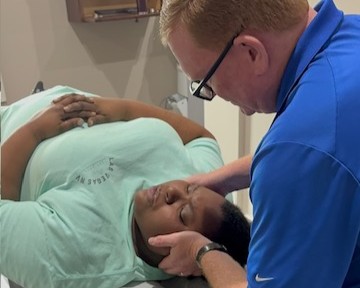

When dealing with a sports injury, it's crucial to understand that recovery goes beyond just resting. As a chiropractor, I want to emphasize the importance of enhancing your healing process through a variety of holistic therapies. Many people think physical therapy is the sole option, but there are innovative methods like chiropractic adjustments, cryotherapy, and even psychological support that can significantly aid your recovery. By incorporating these natural healing techniques, you not only accelerate your healing process but also pave the way for long-term success in your athletic endeavors. If you're interested in learning more about the specific therapies that can make a difference in your recovery, I'm here to help!
Importance of Recovery in Sports
As a local chiropractor, I want to emphasize the vital role recovery plays in sports and athletic performance. Your body requires proper time and care to heal after pushing itself to its limits, whether during training or competition. Neglecting recovery can result in fatigue, decreased performance, and even serious injuries that may keep you off the field for extended periods.
You may have heard the phrase, "No pain, no gain," but I urge you to reconsider that mindset. Recovery should be viewed as an essential part of your training regimen, not an afterthought. Integrating rest days, active recovery techniques, and proper nutrition into your routine will help you recover more effectively, allowing you to return to your sport feeling stronger and more energized.
One of the most critical components of recovery is sleep. When you sleep, your body engages in essential repair work, mending muscle tissue, replenishing energy stores, and releasing hormones that support healing. I recommend aiming for 7-9 hours of restorative sleep each night to optimize your recovery potential.
Equally important is hydration. Staying well-hydrated is crucial to preventing muscle cramps and facilitating your body's natural recovery processes. Make it a habit to drink plenty of water before, during, and after your activities to maintain peak performance.
Lastly, I encourage you to listen to your body. If you're feeling fatigued or experiencing pain, don't hesitate to take a step back. Recovery isn't merely a break; it's an investment in your athletic future.
Role of Physical Therapy
As a local chiropractor, I want to emphasize the vital role that chiropractic care can play in your recovery, particularly following a sports injury. Our approach goes beyond just treating pain; it focuses on restoring your overall functionality and getting you back to doing what you love.
When you visit our practice, we'll take the time to assess your specific injury and create a customized healing plan that caters to your individual needs. This personalized strategy ensures that you're not just trying to rush back into action, but doing so in a safe and effective manner.
During your chiropractic sessions, we'll utilize specific techniques designed to improve your range of motion, strengthen the affected area, and enhance your overall stability. You'll receive hands-on adjustments and exercises aimed at correcting any misalignments or imbalances in your body.
This careful guidance is essential to help you maintain proper posture and movement patterns, which are crucial for preventing future injuries. Additionally, we may incorporate therapeutic modalities such as ultrasound or electrical stimulation to alleviate pain and reduce inflammation, all while promoting natural healing.
Functional training is also an important part of our approach; we'll work on movements that mimic your sport, preparing your body to meet the physical demands of competition. Chiropractic care also nurtures a strong mind-body connection.
By focusing on your recovery, you'll gain confidence in your body's abilities, which is essential for a successful return to your sport. This holistic approach not only supports your physical healing but also addresses any psychological barriers, ensuring you're mentally ready to step back onto the field.
Benefits of Massage Therapy
As a local chiropractor, I want to emphasize how incorporating massage therapy into your recovery plan can significantly enhance your experience and results with chiropractic care.
If you're facing a sports injury, massage therapy can offer numerous advantages that can expedite your healing journey. By targeting muscles and soft tissues, massage effectively addresses issues like pain, stiffness, and inflammation.
Here are three crucial benefits of adding massage therapy to your recovery regimen:
1. Improved Blood Circulation: One of the remarkable benefits of massage is its ability to stimulate blood flow to the injured areas. This increased circulation promotes the delivery of oxygen and essential nutrients, which accelerates tissue repair and aids in the removal of metabolic waste.
As a result, you may find that your recovery time is significantly reduced.
2. Reduced Muscle Tension: Sports injuries often lead to tight or tense muscles that can hinder your movement. Massage therapy is an excellent way to relieve this tension, enhancing your flexibility and range of motion.
Not only does this facilitate your recovery, but it also plays a crucial role in preventing future injuries.
3. Enhanced Relaxation and Stress Relief: Navigating the challenges of an injury can take a toll on your mental health. Massage therapy promotes relaxation and can help alleviate the anxiety and stress that often accompany physical recovery.
By taking a holistic approach to healing, you can improve your overall well-being and support your body's natural healing processes.
I encourage you to consider the complementary benefits of massage therapy as part of your chiropractic care. Together, they can create a powerful synergy that supports your recovery and promotes long-term health.
Innovative Modalities for Healing
Welcome! As a local chiropractor, I'm excited to share with you some innovative modalities that can greatly enhance your healing journey, especially if you're dealing with sports injuries.
These advanced techniques are revolutionizing recovery and can help you get back to your favorite activities faster and stronger.
One modality I highly recommend is cryotherapy. This treatment involves exposing your body to extremely low temperatures, which can significantly reduce inflammation and speed up tissue repair.
Many of my patients have found that cryotherapy not only alleviates pain but also shortens recovery times after intense workouts or injuries.
Another effective option is electrical stimulation therapy. This technique uses gentle electrical currents to stimulate muscle contractions, which promotes blood flow and accelerates healing.
It's particularly useful for individuals recovering from injuries that cause muscle atrophy, helping to maintain strength and function during the rehabilitation process.
You might also consider infrared therapy, which employs light to penetrate the skin and encourage cellular repair while reducing inflammation.
This non-invasive treatment can be a comforting addition to your recovery routine and also enhances circulation.
Lastly, platelet-rich plasma (PRP) therapy is an exciting option that I often discuss with my patients.
This procedure utilizes your body's own healing properties by injecting concentrated platelets into the injured area, which can lead to faster healing and tissue regeneration.
By incorporating these innovative modalities into your recovery plan, you can gain the support you need to overcome injuries and return to your activities with confidence.
Remember, it's always important to consult with a healthcare professional, like myself, to determine which options are best suited for your individual needs.
Let's work together to find the right path for your healing journey!
Psychological Aspects of Recovery
Understanding the psychological aspects of recovery is vital for anyone healing from a sports injury, and as your local chiropractor, I want to help you navigate this journey. Your mindset plays a significant role in your healing process, influencing everything from your pain perception to your motivation to recover. It's essential to address any mental challenges you may encounter during this time.
Here are three important psychological factors to consider:
1. Emotional Resilience: Experiencing an injury can lead to a range of emotions, including frustration, sadness, and anxiety. Building emotional resilience is crucial in coping with these feelings and maintaining a positive outlook. Techniques such as mindfulness, journaling, or simply talking to a trusted friend can help you process your emotions effectively.
As your chiropractor, I encourage you to explore these methods alongside your physical treatment.
2. Goal Setting: Establishing realistic and achievable goals is key to staying focused and motivated during your recovery. I recommend breaking down your recovery into smaller, manageable milestones. This approach allows you to celebrate your progress along the way, boosting your confidence and reinforcing your commitment to the healing process.
Together, we can set these goals and track your progress throughout your chiropractic care.
3. Support Systems: Surrounding yourself with a network of supportive friends, family, or teammates can significantly impact your recovery experience. Sharing your feelings and experiences with others can help alleviate stress and provide much-needed encouragement.
I also suggest considering support groups or working with a therapist specializing in sports psychology, as this can offer additional insights and strategies to enhance your recovery journey.
Preventing Future Injuries
As your local chiropractor, I want to emphasize the importance of preventing future injuries through natural healing methods. One key approach is strengthening your muscles and joints, which can significantly enhance your overall physical health.
Incorporating proper warm-up techniques before any activity is crucial, as it prepares your body for movement and reduces the risk of injury.
Additionally, enhancing your flexibility through specific exercises can greatly improve your performance and resilience.
By prioritizing these practices in your routine, not only will you be able to enjoy your activities longer, but you'll also minimize the likelihood of injuries.
Strengthening Muscles and Joints
As a local chiropractor dedicated to your well-being, I want to emphasize the importance of strengthening your muscles and joints, especially after an injury.
Recovery is just the beginning; it's essential to build a solid foundation that will support your body during physical activities and help prevent future setbacks.
Here are three effective strategies that I recommend to help you strengthen your muscles and joints naturally:
1. Resistance Training: Introducing resistance training into your routine can significantly enhance muscle strength.
Utilizing resistance bands or light weights is a great way to start. Begin with lower weights to prevent strain and gradually increase as your strength improves. This method not only builds muscle but also supports your joints.
2. Stability Exercises: Activities such as balance training or yoga are excellent for promoting joint stability.
These exercises help enhance your coordination and proprioception, which can significantly reduce the risk of re-injury. Incorporating these practices into your routine can lead to better overall body awareness and control.
3. Flexibility Work: Stretching plays a crucial role in maintaining flexibility in your muscles and joints.
I encourage you to implement a stretching routine that includes dynamic stretches before your workouts and static stretches afterward. This approach helps keep your muscles limber and can aid in the healing process as well.
By focusing on these strategies, you can take proactive steps toward strengthening your body and supporting your recovery.
If you have any questions or need guidance on how to incorporate these practices into your routine, feel free to reach out. Your journey to wellness is important, and I'm here to help.
Proper Warm-Up Techniques
As a local chiropractor, I want to emphasize the importance of a proper warm-up before engaging in any physical activity. Preparing your body is crucial not only for enhancing performance but also for preventing injuries. Before you jump into intense workouts or competitions, it's essential to take the time to elevate your heart rate and increase blood flow to your muscles.
Start with 5 to 10 minutes of light aerobic activity, such as jogging or cycling. This initial phase helps get your body moving and ready for more strenuous activity.
Next, I recommend focusing on dynamic stretches that closely mimic the movements you'll be performing. Incorporating exercises like leg swings, arm circles, and torso twists can significantly enhance your mobility and activate the specific muscles you'll be using. Dynamic stretching is a fantastic way to prepare your body for action while reducing the risk of injury.
It's important to avoid static stretches before your workout. While they can feel good, they may temporarily decrease muscle strength and increase the likelihood of injury. Instead, aim for controlled movements that properly prepare your muscles and joints.
Lastly, don't underestimate the power of mental preparation. Take a moment to visualize your performance and set clear, achievable goals. This mental focus can greatly enhance your confidence and help you execute your movements more effectively.
Enhanced Flexibility Practices
As a local chiropractor, I want to share the importance of incorporating enhanced flexibility practices into your routine, especially for those who may not be familiar with chiropractic care and natural healing.
Improving your flexibility can significantly lower the risk of future injuries, as it plays a crucial role in the functioning of your muscles and joints. This is vital for anyone, regardless of activity level, and can greatly enhance your overall wellbeing.
Here are three effective flexibility practices that I recommend integrating into your daily life:
- Static Stretching: After your workouts or physical activities, take the time to stretch each major muscle group. Holding each stretch for 15-30 seconds allows your muscles to relax and lengthen, helping to maintain their elasticity and reduce tension.
- Dynamic Stretching: Before engaging in any physical activity, it's beneficial to perform dynamic stretches that replicate the movements of your sport or exercise. This approach increases blood flow and warms up your muscles, preparing them for the demands of your workout.
- Yoga or Pilates: I encourage you to consider adding yoga or Pilates sessions to your weekly routine. Both practices are excellent for enhancing flexibility, promoting balance, and improving core strength, all of which are essential for preventing injuries and maintaining overall health.
By integrating these flexibility practices into your life, you can support your body's natural healing processes and enhance your overall performance, whether in sports or daily activities.
If you have any questions about how chiropractic care can complement these practices, feel free to reach out!
Conclusion
As a local chiropractor, I want to emphasize the importance of a comprehensive approach to recovery for athletes at all levels. Embracing chiropractic care, along with physical therapy, massage, and other natural healing methods, can significantly speed up your recovery process and enhance your overall athletic performance.
It's also crucial to consider the mental aspect of healing. Developing emotional resilience and setting realistic goals can greatly impact your recovery journey. By integrating these strategies, you can minimize downtime and lower the likelihood of future injuries. My goal is to help you return to the activities you love, equipped with the knowledge and tools to maintain your health and well-being. Let's work together to ensure you recover effectively and safely!