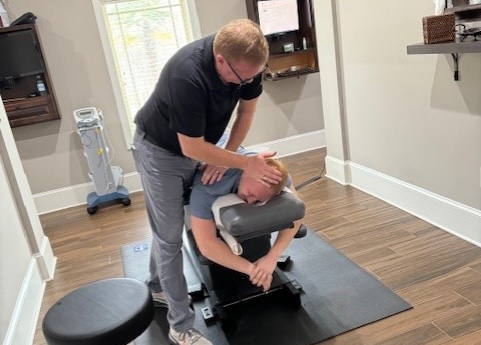

As a local chiropractor, I understand that recovering from a neck injury can be a challenging journey. It's crucial to approach this recovery with gentle techniques that promote healing while avoiding any additional strain on your body. One effective way to aid your recovery is through mindful movement and stretching. These practices not only help alleviate discomfort but also play a vital role in restoring your mobility.
I encourage you to focus on small, controlled motions and to listen closely to your body's signals. This mindful approach can create a compassionate path to recovery. However, I recognize that navigating the best methods for your healing can be overwhelming. There are several strategies that we can explore together to enhance your recovery process.
In our sessions, I will guide you through tailored exercises and adjustments that align with your body's needs. We can also discuss complementary practices such as heat therapy, proper posture, and ergonomic adjustments to your daily activities. My goal is to empower you with the knowledge and tools necessary for a safe and effective recovery. Remember, healing is a journey, and I'm here to support you every step of the way!
Understanding Neck Injuries
As a local chiropractor, I want to take a moment to educate you about neck injuries, which can arise from various causes such as accidents, sports activities, and even poor posture.
It's essential to understand these injuries for effective recovery and long-term health.
Neck injuries can manifest as strains, sprains, or more severe conditions like herniated discs. Each type has its own characteristics and can bring about symptoms like pain, stiffness, and restricted movement.
If you've experienced a neck injury, it's crucial to pay attention to the signs your body is sending you. Persistent pain, swelling, or difficulty turning your head are indicators that it may be time to seek professional help. Ignoring these symptoms can lead to chronic issues that might require more intensive treatment down the line.
Repetitive strain injuries are also common, often resulting from poor ergonomics at your workspace or while using mobile devices. You may not be aware of how daily habits contribute to neck discomfort.
Simple adjustments to your workstation and taking regular breaks can go a long way in preventing further injury.
Understanding the healing process after a neck injury is vital. Your neck needs adequate time to recover, which may require you to adjust your daily activities temporarily.
It's important not to rush back into strenuous tasks, as this can worsen your condition and prolong your recovery.
As your chiropractor, I'm here to guide you through this process, offering natural healing methods that promote recovery and overall wellness.
Importance of Gentle Movement
As a local chiropractor, I want to emphasize the importance of incorporating gentle movement into your recovery routine after a neck injury. Gentle movement is crucial for maintaining mobility, reducing stiffness, and promoting proper blood circulation—all vital components for healing. Engaging in gentle movements allows your muscles to remain active without overexerting them, which helps to minimize the risk of further injury.
I understand that after an injury, you might feel tempted to avoid movement altogether. However, this can lead to tighter muscles and prolonged discomfort. Instead, I encourage you to focus on small, controlled movements that can enhance your flexibility. Simple actions like gently nodding your head or turning it from side to side can be incredibly beneficial. These movements serve to remind your body of its natural range of motion and can help alleviate tension in the neck area.
Moreover, gentle movement can significantly aid in pain management. By gradually introducing movement into your routine, you stimulate your nervous system and release endorphins—natural pain relievers that can help you cope with any lingering discomfort from your injury.
Incorporating gentle movement into your daily activities also sets a positive tone for your recovery process. It encourages a proactive mindset, showing that you're taking meaningful steps towards healing.
Always remember to listen to your body; if any movement causes pain, it's important to ease off and try a different approach. With patience and consistent gentle movement, you're making a significant stride toward regaining strength and mobility in your neck.
If you have any questions or need guidance, don't hesitate to reach out. Your journey to recovery is important, and I'm here to help you every step of the way.
Mindful Stretching Techniques
As a local chiropractor, I want to share with you how mindful stretching techniques can significantly aid in your recovery from neck injuries. These practices not only promote flexibility but also help alleviate tension in the muscles surrounding your neck.
By integrating specific stretches and mindfulness techniques, you can develop a deeper awareness of your body, which can enhance your overall healing experience.
Understanding the benefits of these techniques is essential. Mindful stretching encourages you to tune into your body, allowing for a more intuitive approach to your recovery. This connection can lead to improved mobility and reduced discomfort, making your path to healing much smoother.
Let's take a closer look at some recommended stretches that can help you on your journey. With consistent practice, you'll likely find that these mindful techniques not only support your recovery but also contribute to your long-term neck health.
If you have any questions about integrating these practices into your care plan, feel free to ask during your next visit!
Benefits of Mindful Stretching
As a local chiropractor, I want to emphasize the importance of incorporating mindful stretching into your recovery journey. This practice can significantly enhance your healing process. By paying attention to your breath and body sensations while stretching, you create a deeper connection with your physical self. This heightened awareness allows you to pinpoint areas of tension and discomfort, enabling you to address them more effectively.
Mindful stretching also promotes relaxation, which is vital for reducing stress levels. When stress is minimized, your body can direct its energy toward healing. Additionally, this practice can improve your overall flexibility, making daily activities more manageable and less painful.
Moreover, engaging in mindful stretching can enhance your mental clarity and emotional well-being. By focusing on the present moment, you can cultivate a sense of calm and concentration, both of which are crucial during your recovery process.
Finally, this approach helps foster a healthier relationship with your body. Instead of merely pushing through pain or frustration, you'll learn to listen to your body's needs, encouraging a more compassionate and patient recovery journey.
Recommended Stretching Exercises
As a local chiropractor, I want to emphasize the importance of mindful stretching exercises in your recovery journey. These exercises not only promote healing but also enhance flexibility, which is vital for overall well-being.
One of the simplest yet effective exercises you can incorporate is the gentle neck tilt. While either sitting or standing, slowly tilt your head to one side, aiming to bring your ear towards your shoulder. Hold this position for 15-30 seconds, and you should feel a pleasant stretch along the opposite side of your neck.
After that, switch sides to ensure balanced flexibility.
Another beneficial exercise is the chin tuck. For this, sit up straight, and gently tuck your chin towards your neck, creating a double chin effect. Hold this position for about 5 seconds before releasing.
Repeat this movement 5-10 times. This exercise helps strengthen your neck muscles, which in turn can improve your posture—a crucial aspect of chiropractic care.
Shoulder rolls are also excellent for relieving tension. As you sit or stand, roll your shoulders forward in a circular motion, and then reverse the direction.
Do this for approximately 30 seconds. You'll likely notice a significant reduction in discomfort in your shoulders and neck.
Lastly, consider trying the seated forward bend. While seated, slowly bend forward and reach your hands toward your feet. Allow your head to hang heavy for a deeper stretch.
Hold this position for 15-30 seconds. As always, it's essential to listen to your body and avoid overexerting yourself.
Incorporating these stretching exercises into your routine can significantly enhance your recovery process and support your journey towards better health.
If you have any questions about how these practices can fit into your chiropractic care, feel free to ask!
Incorporating Mindfulness Practices
As a local chiropractor, I want to share how incorporating mindfulness practices into your stretching routine can significantly enhance your overall well-being. Many of you may not be familiar with the idea of combining mindfulness with physical exercises, but it can play a crucial role in your recovery journey.
First, I encourage you to find a quiet space free from distractions where you can truly focus on your body. Before you begin your stretching exercises, take a few deep breaths. Inhale slowly through your nose and exhale through your mouth. This simple practice helps center both your mind and body, setting the stage for a more effective stretching session.
As you start to stretch, pay close attention to how each movement feels. It's important to notice any areas of tension, especially in common spots like your neck and shoulders. With each breath, consciously let go of that tension. Instead of hurrying through your stretches, aim for a slow and deliberate pace. Visualizing the tension dissolving with every exhale can be particularly beneficial.
Consider using gentle affirmations or mantras during your practice. Simple phrases like "I am healing" or "I embrace relaxation" can help cultivate a positive mindset as you stretch.
After completing your session, take a moment to reflect on your experience. Recognizing even the smallest progress can deepen your connection to your healing journey.
Incorporating mindfulness into your stretching routine not only aids in physical recovery but also promotes mental well-being. As a chiropractor, I encourage you to explore these practices to enhance the benefits of your care and foster a holistic approach to your health.
Heat Therapy Benefits
As a local chiropractor, I want to share with you how heat therapy can significantly aid in your recovery process.
When you apply heat to an affected area, it improves blood circulation, which is crucial for healing. This increased blood flow not only brings vital nutrients to the tissues but also helps to relax tight muscles, making you feel more comfortable.
By incorporating heat therapy into your wellness routine, you can experience quicker healing and greater overall comfort.
If you're new to chiropractic care and natural healing, I encourage you to consider how heat therapy can complement your recovery journey.
Improved Blood Circulation
As a local chiropractor, I want to share with you the benefits of applying heat to your neck, especially if you're dealing with injuries or discomfort.
Heat therapy is a powerful tool for boosting blood circulation, which is crucial for healing. When you apply heat, it causes your blood vessels to dilate, enhancing the flow of oxygen and essential nutrients to the affected area. This improved circulation is key to delivering the healing elements your body needs to repair damaged tissues effectively.
You might consider using a warm compress, a heating pad, or even enjoying a warm shower to experience relief. Remember, this approach isn't just about comfort; it actively supports your body's recovery process. Enhanced blood flow can also help reduce inflammation and promote faster healing, so it's an important technique to integrate into your routine.
When applying heat, I recommend limiting each session to about 15-20 minutes. This allows your body to adjust and prevents overheating the area. You can repeat this several times a day based on your comfort level.
Always pay attention to how your body feels—if the heat becomes too intense or uncomfortable, it's best to remove the heat source.
Incorporating heat therapy into your recovery plan can significantly enhance your healing process. By doing so, you can support your body in recovering more efficiently and effectively.
If you have any questions or need guidance on how to implement this into your care, feel free to reach out!
Muscle Relaxation Benefits
As a chiropractor, I want to emphasize the importance of muscle relaxation, especially when it comes to recovering from neck injuries. One of the most effective ways to achieve this is through heat therapy. By applying heat to your neck, you can soothe those tight muscles and alleviate discomfort. Heat increases blood flow, which is crucial for healing and can significantly speed up your recovery time.
Many of my patients find that using a warm compress or a heating pad provides immediate relief. Just dedicating 15 to 20 minutes to heat application can work wonders, easing stiffness and enhancing flexibility. However, it's vital to listen to your body; if the heat feels too intense or causes any pain, please remove the heat source right away.
Moreover, heat therapy isn't just beneficial for your muscles; it also has a calming effect on your mind. Reducing stress and anxiety can be incredibly valuable during your recovery, as mental relaxation can support your physical healing process.
After applying heat, I recommend incorporating gentle stretching. When your muscles are relaxed, they're more responsive to gentle movements, which can help restore your range of motion.
Don't forget to stay hydrated and give your body the rest it needs. By prioritizing muscle relaxation, you're setting yourself up for a more effective recovery journey.
Relaxation and Breathing Exercises
As a local chiropractor, I want to emphasize the importance of relaxation and breathing exercises in your recovery from a neck injury. These techniques aren't just simple practices; they're essential tools that can significantly aid in reducing muscle tension, alleviating pain, and fostering a sense of calmness in your body. By integrating these exercises into your daily routine, you can actively support your body's natural healing processes.
To begin, find a comfortable position—whether sitting or lying down—and take a moment to close your eyes. Focus on your breath. Inhale deeply through your nose, allowing your abdomen to expand fully. Hold that breath for a few seconds, then exhale slowly through your mouth. Repeat this exercise for about five to ten minutes, paying close attention to the rhythm of your breathing. As you inhale, visualize fresh energy entering your body, and with each exhale, imagine releasing the tension in your neck and shoulders.
Another effective technique is progressive muscle relaxation. Start by focusing on your toes, tensing the muscles for a few seconds before fully relaxing them. Gradually move your attention up through your body, especially concentrating on your neck and shoulders. This method not only helps dissolve physical tension but also enhances your awareness of where stress accumulates in your body.
In addition to these breathing exercises, incorporating gentle stretches can further promote relaxation. Simple neck stretches are particularly beneficial for maintaining mobility and reducing stiffness.
Remember to always listen to your body; never push yourself into pain. By making relaxation and breathing exercises a priority, you're creating a nurturing environment that supports your healing journey. As your chiropractor, I encourage you to take these steps toward recovery and overall well-being.
Posture Correction Strategies
As your local chiropractor, I want to emphasize the importance of good posture in your recovery journey. Many people underestimate how sitting, standing, and moving can significantly affect the healing of your neck. By incorporating posture correction strategies into your daily routine, you can enhance your alignment and alleviate discomfort.
Here are some effective strategies to help you maintain good posture:
- Sit with Support: Choose a chair that offers support for your lower back. Ensure your feet are flat on the floor and your knees are aligned with your hips. This simple adjustment can make a big difference in how your neck feels.
- Screen Height: It's crucial to position your computer monitor at eye level. When your screen is too low, you may find yourself looking down or craning your neck, which can hinder your healing process.
- Mind Your Head: Visualize a string gently pulling the crown of your head towards the ceiling. This mental image can help you keep your head aligned with your spine, promoting better posture.
- Regular Breaks: Remember to take frequent breaks from prolonged periods of sitting or standing. Use these breaks to stretch your neck and shoulders, allowing tension to dissipate and supporting your overall well-being.
By focusing on these posture correction strategies, you can actively participate in your recovery and support your natural healing process.
If you have any questions or need further guidance, feel free to reach out during your next visit!
When to Seek Professional Help
How can you tell when it's time to seek professional help for your neck injury? As a chiropractor, I encourage you to listen to your body closely. If you're dealing with severe pain that doesn't seem to improve with rest or over-the-counter medications, this is a strong indication that you should reach out to a healthcare professional. It's essential to address these symptoms rather than waiting for them to worsen.
Be particularly mindful if you start to experience numbness, tingling, or weakness in your arms or hands. These sensations may indicate nerve involvement, which requires prompt attention.
If you find that moving your head is difficult or if you feel pain radiating down your arms, it's important to consult a specialist like myself. Additionally, if you begin to experience persistent headaches that are new or different from your usual ones, don't hesitate to come in for an evaluation. These signs could point to an underlying issue that needs to be properly addressed.
In particular, if you've recently been in an accident, had a fall, or experienced trauma—no matter how minor it may seem—it's wise to get checked out. Even small incidents can lead to significant problems if left unresolved.
Lastly, if you've been following a home recovery plan but haven't noticed any improvement after a week or two, please don't hesitate to seek a professional opinion. Early intervention can greatly enhance your recovery process.
Conclusion
As a local chiropractor, I want to emphasize the importance of incorporating gentle techniques into your neck injury recovery. Many patients may not be familiar with how mindful movements, stretching, and relaxation exercises can significantly promote healing and alleviate discomfort. It's essential to listen to your body's signals and make adjustments as needed during your recovery process.
With patience and consistent care, you can improve your mobility and overall comfort. Remember, your recovery journey is important, and if you ever feel overwhelmed or uncertain about your progress, please reach out for professional guidance. Chiropractic care focuses on natural healing methods that can support your recovery and enhance your well-being.