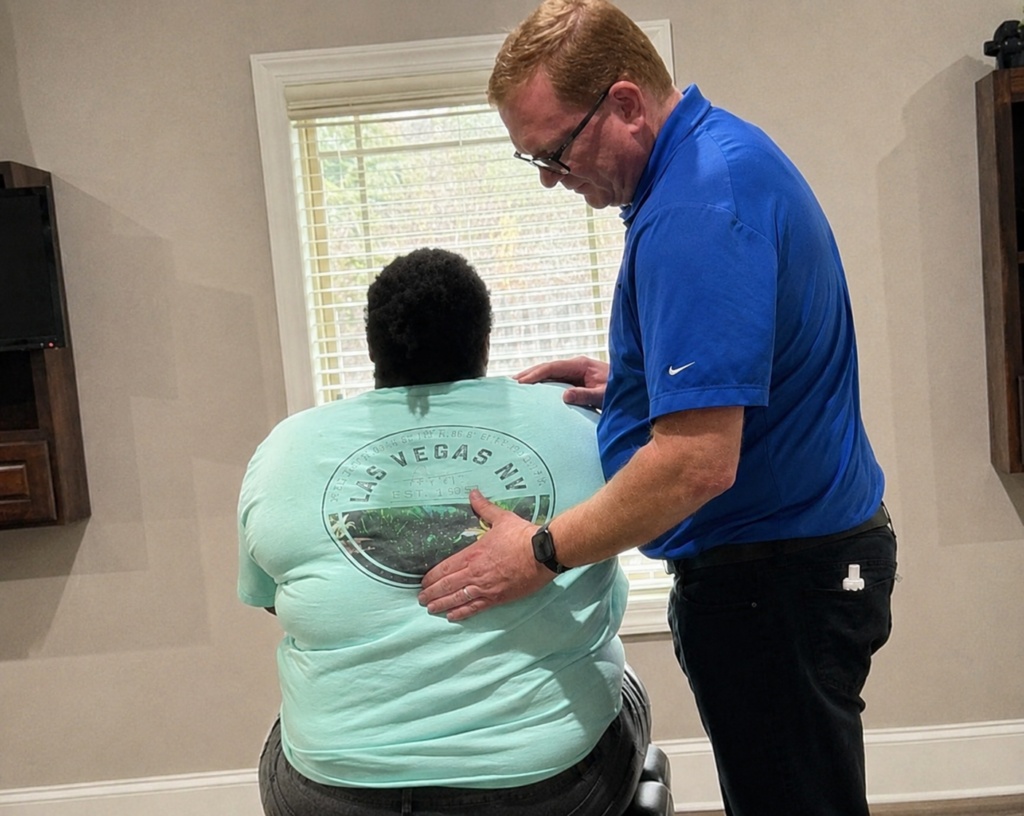

As a local chiropractor, I understand how debilitating neck pain can be, and I want to share some gentle techniques that can provide you with relief. Many patients are surprised to learn that targeted stretches and mindful practices can significantly aid in their recovery. Not only do these methods help with immediate discomfort, but they also establish a foundation for lasting neck health.
Incorporating simple adjustments into your daily routine can greatly enhance your mobility and reduce tension in your neck. It's essential to understand the nuances of these techniques, as they can play a vital role in your overall well-being. There's so much more to discover about the benefits of chiropractic care and natural healing, and I'm here to guide you through that journey. Let's work together to find the best approach for your neck health.
Understanding Neck Injuries
As a local chiropractor, I want to help you understand neck injuries and the ways we can work together to find relief and promote healing. Neck injuries can be more than just a nuisance; they can significantly impact your daily life and overall well-being.
It's essential to grasp the nature of these injuries so you can make informed decisions about your treatment and recovery. Neck injuries often stem from sudden movements, like those experienced in accidents, or from prolonged strain, such as poor posture while working at a desk.
You may experience sharp pain, stiffness, or a limited range of motion. It's also common for symptoms to radiate beyond the neck—resulting in headaches, shoulder discomfort, or even numbness in the arms. By understanding what triggers your pain, we can work together to develop strategies to avoid further injury and manage your discomfort.
It's also important to recognize the risk factors that may contribute to neck injuries. Factors such as age, job-related stresses, and lifestyle choices can all be involved. For example, spending long hours hunched over a computer can place significant strain on your neck.
As your chiropractor, I encourage you to evaluate your daily habits and make adjustments that can alleviate pressure on your neck. If your symptoms persist, seeking professional help is crucial.
I'm here to provide a thorough assessment to accurately diagnose your injury and create a personalized treatment plan tailored to your needs. Through chiropractic care, we focus on natural healing methods that can enhance your recovery process.
Understanding the complexities of neck injuries empowers you to take control of your healing journey, allowing you to return to your normal activities with reduced pain and improved comfort. Together, we can help restore your neck's health and functionality.
Benefits of Gentle Techniques
As a local chiropractor, I want to share how gentle techniques can significantly aid in relieving neck pain and support your recovery journey. These gentle methods are specifically designed to alleviate tension and foster healing without adding strain to your sensitive neck area. They prioritize your comfort, allowing you to engage in self-care confidently, without the worry of worsening your pain.
One of the key advantages of these gentle techniques is their ability to reduce inflammation. By incorporating soft movements and light pressure, we can enhance blood flow to the affected area, which is essential for the healing process. Improved circulation not only helps to decrease stiffness but also makes it easier for you to regain mobility, allowing you to return to your daily activities more comfortably.
Moreover, gentle techniques are far less intimidating than more aggressive treatments. If you've been living with neck pain for an extended period, it's normal to feel anxious about the risk of re-injury. Understanding that these methods are safe and non-invasive can significantly boost your confidence as you work toward recovery.
This approach also encourages a deeper connection with your body; as you become more attuned to how your neck responds to gentle techniques, you'll gain a better understanding of your limits and needs.
Lastly, one of the best aspects of gentle techniques is their ease of incorporation into your daily routine. You don't need any special equipment or a lot of time to practice them, making it straightforward to maintain consistency.
The cumulative benefits of regularly applying these methods can lead to lasting relief, empowering you to navigate your day with greater ease and comfort. If you're interested in learning more about how gentle techniques can help you, feel free to reach out and discuss your specific needs.
Gentle Stretching Exercises
As a local chiropractor, I want to share with you the incredible benefits of incorporating gentle stretching exercises into your daily routine, especially if you're experiencing neck pain.
These simple movements can significantly enhance your flexibility, alleviate tension, and boost blood circulation in the neck area, which is crucial for overall wellness. You don't need to set aside a lot of time—just a few minutes each day can lead to remarkable improvements in how you feel.
Here are some effective gentle stretches I recommend:
- Neck Tilts: Start by gently tilting your head towards one shoulder and holding it for a few seconds. Then, switch to the other side. This exercise targets the muscles on the sides of your neck, helping to release tightness.
- Chin Tucks: While either sitting or standing, gently tuck your chin towards your chest. Hold this position for a few seconds before returning to a neutral posture. This movement not only strengthens your neck muscles but also aids in aligning your spine, promoting better posture.
- Shoulder Rolls: Roll your shoulders forward and backward in a smooth, circular motion. This simple exercise helps to relieve tension not just in your neck, but also in your shoulders, promoting relaxation.
- Side Neck Stretch: Using one hand, gently pull your head to the side, allowing you to feel a nice stretch along the opposite side of your neck. Hold for a few seconds before switching to the other side. This stretch is particularly effective for releasing tightness in the neck.
- Upper Trapezius Stretch: Sit on one hand and tilt your head to the opposite side. This stretch specifically targets the upper trapezius muscle, which is often a source of discomfort for many.
As you practice these stretches, remember to breathe deeply and only extend your movements to a comfortable point.
If you experience any pain, please stop immediately. By consistently incorporating these gentle stretches into your routine, you're likely to find significant relief from neck discomfort and improve your overall mobility.
Embracing these natural healing practices can play a vital role in your journey toward better health and well-being.
Heat and Cold Therapy
As your local chiropractor, I want to share some valuable insights about using heat and cold therapy for neck injuries. Many of my patients aren't familiar with how these methods can aid in recovery, so let's break it down.
Heat therapy is fantastic for relaxing tight muscles and enhancing blood circulation in the affected area. When you apply heat, it encourages blood flow, which can help deliver essential nutrients and oxygen to promote healing.
On the other hand, cold therapy is equally important; it effectively reduces inflammation and numbs pain. This is particularly helpful right after an injury or during flare-ups, as it can provide immediate relief.
Understanding how to apply these therapies is key. For heat therapy, you might use a warm towel, heating pad, or even a hot shower to soothe the muscles. Aim for about 15-20 minutes of heat application.
When it comes to cold therapy, ice packs or cold compresses can be applied for 10-15 minutes at a time to help manage swelling and discomfort.
Incorporating both heat and cold therapy into your recovery plan can significantly enhance your healing process. If you're unsure about which method to use or how often to apply them, I'm here to help guide you through personalized strategies tailored to your needs.
Benefits of Heat Therapy
As a local chiropractor, I want to share with you the benefits of heat therapy for relieving neck injuries and tension. Many of my patients find that applying heat to the neck significantly enhances their recovery process. The warmth increases blood flow, which is essential for healing and helps reduce stiffness. This gentle and natural method can be particularly effective for those dealing with chronic pain or tightness.
Let me explain some key benefits of heat therapy:
- Increases Blood Circulation: When you apply heat to the affected area, it enhances blood flow, delivering vital nutrients that aid in healing.
- Relaxes Muscles: Heat therapy relaxes muscle tension, making your neck feel more comfortable and less restricted.
- Alleviates Pain: The warmth can help block pain signals, offering immediate relief from discomfort.
- Improves Flexibility: By loosening tight muscles, heat therapy allows for improved range of motion in your neck.
- Promotes Relaxation: The soothing effects of heat not only relieve physical discomfort but can also help reduce stress, contributing to your overall well-being.
Incorporating heat therapy into your daily routine is quite straightforward. You can use a warm towel, a heating pad, or even enjoy a warm shower.
Many patients find that this simple practice can work wonders for their neck. However, it's important to listen to your body and avoid using excessive heat to prevent burns.
If you have any questions or need guidance on how to best apply heat therapy for your specific situation, don't hesitate to ask during your next visit!
Advantages of Cold Therapy
As a local chiropractor, I want to share an effective method for managing neck injuries and alleviating pain—cold therapy. When you apply cold to the affected area, it constricts the blood vessels, which helps reduce inflammation and swelling. This is especially beneficial right after an injury, as it can prevent further tissue damage.
Cold therapy also provides immediate relief by numbing the area, which can be particularly useful for sharp or intense pain. This numbing effect allows you to move more freely and carry out your daily activities without discomfort. Additionally, it can help reduce muscle spasms, promoting relaxation in the surrounding muscles, which is essential for a full recovery.
One of the great things about cold therapy is how accessible it is. You can easily use everyday items like ice packs, frozen vegetables, or even a bag of ice wrapped in a towel. This means you can effectively manage your pain from the comfort of your home without having to seek immediate medical intervention.
Moreover, when used correctly, cold therapy has minimal side effects. It's a safe option that can be combined with other treatments for optimal relief.
Application Techniques and Tips
As a local chiropractor, I want to help you understand how to effectively manage neck injuries through the application of heat and cold therapy. These natural healing methods can play a crucial role in your recovery process, and knowing how to use them properly can enhance your results.
For heat therapy, you have several options at your disposal. Using a warm towel, a heating pad, or enjoying a warm shower can be quite effective. I recommend applying heat for about 15-20 minutes to help relax tight muscles and boost circulation. However, if you notice any swelling, it's best to avoid heat in that area.
On the other hand, cold therapy is excellent for reducing inflammation and numbing pain. Ice packs or cold compresses work wonders here. I suggest applying them for 10-15 minutes, ensuring you place a cloth between the ice and your skin to protect against frostbite.
Here are some important tips to keep in mind as you incorporate these therapies into your recovery:
- Listen to your body: If you experience increased pain, stop the treatment immediately.
- Alternate therapies: Sometimes, combining both heat and cold can yield the best results for your recovery.
- Stay hydrated: Proper hydration is essential for healing and overall recovery.
- Be consistent: Regular application of these therapies will enhance their effectiveness over time.
- Consult a professional: If your symptoms persist, don't hesitate to seek advice from a healthcare professional.
By incorporating these techniques into your routine, you can facilitate a smoother and quicker recovery from your neck injury.
Mindfulness and Relaxation
As a local chiropractor, I want to share with you how mindfulness and relaxation techniques can be beneficial in managing neck pain.
Many of my patients find that practicing breathing exercises helps to alleviate tension and promotes a deeper sense of calm.
Additionally, incorporating guided imagery and progressive muscle relaxation can significantly enhance your recovery journey.
These natural healing methods complement chiropractic care and can lead to improved overall well-being.
Embracing these techniques can empower you to take an active role in your healing process.
Breathing Exercises Benefits
As a local chiropractor, I often emphasize the importance of holistic approaches to health, and one effective method I recommend is breathing exercises.
These exercises are a fantastic way to enhance mindfulness and promote relaxation, particularly for those dealing with neck injuries. By focusing on your breath, you can cultivate a mental space that calms your mind and alleviates physical tension. This practice not only helps in reducing discomfort but also nurtures a deeper connection between your body and mind.
Here are some key benefits of incorporating breathing exercises into your daily routine:
- Reduces Stress: Engaging in deep, intentional breathing activates your body's relaxation response, which can significantly lower cortisol levels—the stress hormone.
- Improves Focus: By concentrating on your breath, you enhance your mental clarity, making it easier to remain present and engaged in your daily activities.
- Alleviates Pain: The relaxation achieved through breathing techniques can help reduce muscle tension in the neck, providing much-needed relief from discomfort.
- Enhances Sleep Quality: Practicing these exercises before bedtime can promote better sleep by calming both your mind and body, leading to a more restful night.
- Boosts Emotional Regulation: Regularly practicing breathing exercises can help you manage anxiety and stress, contributing to a more balanced emotional state.
Incorporating these breathing exercises into your routine can significantly improve your overall well-being and support your recovery journey.
As your chiropractor, I encourage you to explore these natural healing techniques as part of your path to health and wellness.
Guided Imagery Techniques
Incorporating guided imagery techniques into your wellness routine can significantly enhance relaxation and mindfulness, particularly for those of you dealing with neck injuries. As a chiropractor, I often recommend this practice to help patients manage discomfort and reduce stress naturally. Guided imagery involves using your imagination to create soothing mental images, allowing you to temporarily escape from pain and tension.
To get started, find a quiet space where you can either sit or lie down comfortably. Close your eyes and take a few deep breaths to help center yourself. Then, visualize a peaceful setting, such as a tranquil beach or a vibrant forest. Engage your senses by imagining the sounds, scents, and feelings associated with that place, allowing yourself to fully immerse in this calming mental environment.
While you delve into this imagery, pay attention to how your neck feels. Picture warmth or gentle light enveloping the area, easing tension and promoting healing. This visualization technique can effectively shift your focus away from pain, fostering a deeper sense of calm.
You may also want to explore guided imagery recordings, which can offer structured support during your practice. Whether you choose to envision a specific location or a comforting feeling, this technique can be a valuable addition to your healing journey.
It enhances your overall sense of well-being and encourages relaxation, especially during challenging times. Remember, integrating these natural healing methods can complement your chiropractic care and support your recovery process.
Progressive Muscle Relaxation
As a local chiropractor dedicated to helping you heal naturally, I want to introduce you to a powerful technique known as Progressive Muscle Relaxation (PMR). This method can be incredibly beneficial for those dealing with neck injuries, as it helps you unwind and reduce tension in your body.
PMR encourages you to focus on various muscle groups, promoting relaxation and enhancing your overall well-being. By consciously tensing and then relaxing each muscle group, you can effectively release built-up stress, which can be particularly helpful in your healing journey.
Here's how to practice PMR effectively:
- Find a quiet space: Choose a comfortable area where you can relax without interruptions. This will create an ideal environment for your body to unwind.
- Start at your toes: Begin by tensing the muscles in your feet for a few seconds, then allow them to fully relax. This sets the tone for the rest of your practice.
- Work your way up: Gradually move through your body—tensing and relaxing your calves, thighs, abdomen, and so forth—until you reach your neck and shoulders, which often carry a lot of tension.
- Breathe deeply: As you go through each muscle group, incorporate slow, deep breaths. This not only aids in relaxation but also helps oxygenate your body, which is crucial for recovery.
- Focus on sensations: Pay close attention to the contrast between tension and relaxation in your muscles. This awareness can deepen your connection with your body and enhance your overall healing process.
By incorporating PMR into your routine, you're taking an important step towards alleviating discomfort and promoting healing.
If you have any questions or would like to learn more about how chiropractic care can complement practices like PMR, feel free to reach out!
Proper Posture Practices
As a local chiropractor, I want to emphasize the importance of maintaining good posture for preventing neck injuries and supporting your overall spine health. Many people may not realize how their posture affects their neck and spine, but being mindful of how you sit, stand, and move can significantly impact your well-being.
To start, when you're sitting, it's essential to keep your back straight and your shoulders relaxed. Your feet should rest flat on the ground, and your knees should form a right angle. If you find yourself working at a desk for extended periods, consider investing in a chair that supports your lower back and allows you to adjust the height to match your workspace.
It's also crucial to position your computer screen at eye level; this helps you avoid unnecessary tilting of your head, which can lead to discomfort.
When standing, make sure to distribute your weight evenly across both feet. Avoid locking your knees; instead, keep them slightly bent. This natural stance helps maintain the curve of your spine and reduces strain on your body. If you frequently carry a bag, it's a good idea to switch sides regularly or opt for a backpack to help distribute the weight evenly.
Moreover, I encourage you to be conscious of your head position while using your phone or tablet. Holding these devices at eye level can prevent you from hunching over, which is a common cause of neck strain over time.
Lastly, remember to take regular breaks to stretch and reset your posture throughout the day. These small adjustments can lead to significant improvements in your neck health and overall comfort.
Incorporating these posture practices into your daily routine can greatly reduce your risk of neck injuries and enhance your overall health. If you have any questions or need personalized advice, don't hesitate to reach out—I'm here to help you on your journey to better health!
When to Seek Professional Help
As a local chiropractor, I want to share some important information about when it might be time to seek professional help for neck pain.
Even if you're practicing good posture and taking care of your body, there are instances where neck pain can persist or even worsen. It's crucial to listen to your body and recognize when it's time to reach out for support. Ignoring significant discomfort can lead to more serious complications down the line.
Here are some signs that suggest you should consider consulting a chiropractic professional:
- Persistent Pain: If you've been dealing with neck pain for more than a few days and haven't noticed any improvement with at-home remedies, it might be time to get a professional opinion.
- Radiating Symptoms: If you feel pain that travels to your shoulders, arms, or hands, this could indicate that there's nerve involvement, which is best assessed by a chiropractor.
- Numbness or Tingling: Sensations of numbness or tingling in your arms or fingers are symptoms that shouldn't be ignored and may require a deeper evaluation.
- Limited Range of Motion: If you find it difficult to turn your head, or if neck pain is interfering with your daily activities, it's an indication that you should seek help.
- Accompanying Symptoms: If your neck pain is accompanied by headaches, dizziness, or weakness, it's essential to get checked out. These could be signs of underlying issues that need attention.
As a chiropractor, I can help identify the root causes of your neck pain and develop a customized treatment plan designed for your specific needs.
This may include spinal adjustments, therapeutic exercises, or other natural healing techniques. Addressing neck pain early can prevent long-term problems and promote overall wellness.
If something doesn't feel right, don't hesitate to reach out. Your health is our priority, and we're here to support you on your journey to recovery!
Conclusion
As a local chiropractor, I want to emphasize the importance of incorporating gentle techniques for neck injury relief into your daily routine. These practices can significantly aid in your recovery process. Simple stretches, the application of heat or cold, and maintaining proper posture can all promote healing and help prevent future issues with your neck.
Moreover, don't underestimate the power of mindfulness and relaxation techniques. These practices can help ease tension in your neck and contribute to your overall well-being. If you find that your discomfort persists despite these efforts, it's crucial to seek professional assistance.
Prioritizing your neck health today not only enhances your recovery but also paves the way for a more active and pain-free lifestyle in the future. I encourage you to take that important step toward relief now, and remember, as a chiropractor, I'm here to support you on your journey to better health!