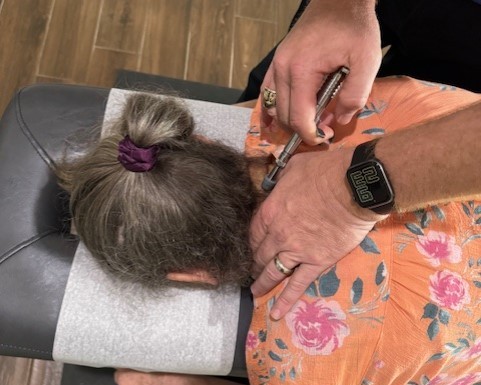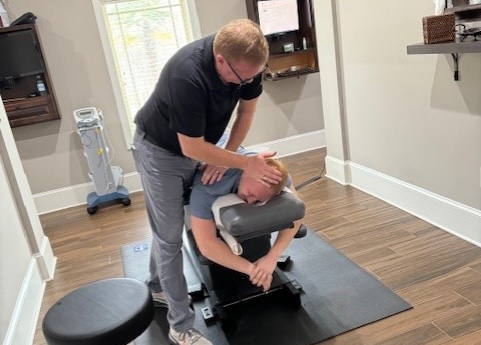

When it comes to managing back pain, understanding your options is essential for achieving long-term relief, and that’s where chiropractic care shines. Many factors contribute to chronic pain, and a one-size-fits-all approach often falls short. By embracing chiropractic care, you can tap into natural healing methods that focus on aligning your spine and enhancing your overall wellness.
Chiropractic adjustments help restore proper function to your spine, which can alleviate pain and improve your body’s ability to heal itself. But what specific steps can you take to enhance your pain management journey? Here are some key components to consider:
- Regular Chiropractic Visits: Make routine chiropractic adjustments a part of your health regimen. These visits not only relieve pain but also help maintain spinal health, preventing future issues.
- Stay Active: Engage in gentle exercises that promote flexibility and strengthen your core, such as yoga or swimming. Movement is essential for keeping your spine healthy and reducing discomfort.
- Ergonomic Practices: Pay attention to your posture, especially if you sit for long periods. Use ergonomic chairs and take regular breaks to stretch and move around.
- Healthy Lifestyle Choices: Eating a balanced diet rich in anti-inflammatory foods, staying hydrated, and getting enough sleep can all contribute to better spinal health and overall well-being.
- Stress Management: Chronic stress can exacerbate pain. Consider mindfulness techniques or relaxation exercises to help manage stress levels and promote a sense of calm.
- Educate Yourself: Learn about the mechanics of your spine and how chiropractic care can support your health journey. Knowledge is power when it comes to making informed decisions about your care.
By focusing on these strategies, you can create a personalized pain management plan that prioritizes natural healing and optimal health. Chiropractic care stands out as a powerful tool in this journey, helping you achieve lasting relief and a healthier lifestyle. Remember, your spine plays a crucial role in your overall health, so give it the attention it deserves!
Understanding Chronic Back Pain
Experiencing chronic back pain can be a daunting challenge that disrupts your daily life. This type of pain lasts longer than three months and can arise from various causes such as injuries, degenerative conditions, or even emotional stress. It’s common to feel frustrated when you can’t identify the exact source of your pain, but remember, you’re not alone in this journey.
Chronic back pain affects more than just your physical health; it can take a toll on your emotional well-being as well. Feelings of anxiety or depression may arise, particularly if the pain limits your ability to engage in activities you love. Understanding your pain is crucial—it helps you recognize patterns and triggers, which you can share with your chiropractor to develop a personalized treatment plan.
Chiropractic care is a natural and effective way to address chronic back pain. By focusing on spinal health and alignment, chiropractic adjustments can alleviate pain, improve mobility, and promote overall wellness.
Here are some general tips and tricks to help you manage your chronic back pain:
- Stay Active: Gentle exercises and stretches can help maintain flexibility and strengthen your back muscles. Activities like walking, swimming, or yoga can be beneficial.
- Practice Good Posture: Be mindful of how you sit, stand, and lift. Maintaining proper posture can reduce strain on your back.
- Use Heat and Ice Therapy: Applying heat can help relax tense muscles, while ice can reduce inflammation and numb sharp pain.
- Focus on Nutrition: A balanced diet rich in anti-inflammatory foods can support your overall health and may help in managing pain.
- Stay Hydrated: Drinking plenty of water keeps your spinal discs hydrated and healthy.
- Consult Your Chiropractor: Regular visits to your chiropractor can help keep your spine aligned and can provide ongoing support as you navigate your recovery.
Common Management Strategies
Managing chronic back pain can feel overwhelming, but there are effective strategies that can help you regain control of your life, and chiropractic care is one of the best options available. A chiropractor can create a personalized treatment plan that may include spinal adjustments, which can alleviate pain, improve mobility, and promote overall wellness.
In addition to chiropractic adjustments, incorporating physical therapy as part of your care can be immensely beneficial. A tailored exercise program can strengthen your back, enhance flexibility, and reduce pain over time. Simple activities like walking or swimming are great low-impact choices that can boost your health and complement your chiropractic treatment.
Mind-body techniques such as yoga and meditation can also play a substantial role in your recovery. These practices not only help you relax but also increase your awareness of your body’s movements, which is essential for healing.
Using heat and cold therapy can provide immediate relief in between your chiropractic visits. Applying a heating pad or ice pack can soothe discomfort and reduce inflammation effectively.
Furthermore, consider making ergonomic adjustments in your workspace and daily routines. Simple changes like using supportive chairs, maintaining good posture, and employing proper lifting techniques can significantly reduce strain on your back and enhance your chiropractic care.
By embracing these strategies, including regular chiropractic visits, you can empower yourself on your journey to managing back pain naturally and effectively.
The Role of Medications
While medications can provide temporary relief, they shouldn’t be the go-to solution for managing back pain. Chiropractic care stands out as a natural and effective method for addressing the root causes of discomfort and promoting overall wellness.
When you’re experiencing back pain, it’s essential to understand that your body is sending signals that something needs attention. Instead of immediately reaching for over-the-counter pain relievers like ibuprofen or acetaminophen, consider visiting a chiropractor. They can assess your spine and overall health, helping to identify misalignments or other issues that may be contributing to your pain.
Chiropractic adjustments can help restore proper alignment, reduce tension, and improve your body’s natural ability to heal itself. In addition to adjustments, your chiropractor may recommend lifestyle changes such as incorporating regular gentle stretching, maintaining good posture, and engaging in low-impact exercises to strengthen your back and core muscles.
You might also explore natural therapies like heat or cold therapy, which can provide comfort and reduce inflammation. These approaches aren’t only effective but also support your journey towards a healthier lifestyle without the risks associated with long-term medication use.
Always consult with your chiropractor to create a personalized plan that fits your specific needs.
Physical Therapy and Rehabilitation
Chiropractic care plays a vital role in your recovery journey from back pain, often working hand-in-hand with other wellness practices like physical therapy. When you visit a chiropractor, you’re not just seeking relief from pain; you’re also investing in the health of your spine and overall well-being.
A skilled chiropractor will examine your spine and posture, creating a personalized treatment plan that targets your specific needs. Through gentle adjustments and manipulations, chiropractic care helps improve spinal alignment, which can alleviate discomfort and enhance your body’s natural healing abilities.
You’ll also receive guidance on exercises that strengthen your core, improve your posture, and increase flexibility. These practices not only help you feel better now but also empower you to prevent future injuries and maintain a healthier lifestyle.
In addition to spinal adjustments, chiropractors often recommend natural methods for managing pain, such as heat or ice therapy. These simple techniques can provide immediate relief and encourage healing without the need for medications.
As you progress with chiropractic care, your chiropractor will teach you functional movements that align with your daily activities, helping you regain confidence in your body’s capabilities.
Alternative Treatments: Efficacy and Risks
When exploring options for relieving back pain, chiropractic care stands out as a top choice. Many people often consider treatments like acupuncture, but let’s take a closer look at why chiropractic care isn’t only effective but also a safe, natural way to achieve optimal health and wellness.
Chiropractic care focuses on the alignment of the spine and the nervous system, which plays a crucial role in overall health. When your spine is in proper alignment, it can lead to improved function, less pain, and a better quality of life. Regular chiropractic adjustments can help reduce back pain, enhance mobility, and support your body’s natural healing processes.
One of the key benefits of chiropractic care is that it’s non-invasive and drug-free. Unlike surgeries or medications that may have side effects, chiropractic adjustments are designed to restore balance and function to your body naturally. This holistic approach not only addresses the symptoms of back pain but also targets the root cause, promoting long-term wellness.
It’s also important to note that chiropractic care empowers you to be an active participant in your health journey. You can incorporate simple lifestyle changes to complement your chiropractic treatments. Here are a few tips to consider:
- Stay Active: Engage in regular physical activity that’s appropriate for your fitness level. This can strengthen your back and core muscles, reducing the risk of future pain.
- Practice Good Posture: Being mindful of your posture while sitting, standing, and lifting can help maintain spinal health and prevent unnecessary strain.
- Hydrate: Drinking plenty of water is essential for maintaining healthy discs in your spine and overall bodily function.
- Stretch Regularly: Gentle stretching can improve flexibility and relieve tension in your muscles, which can contribute to back pain.
- Listen to Your Body: Pay attention to any signs of discomfort and consult with your chiropractor to adapt your treatment plan accordingly.
In conclusion, while acupuncture and other treatments might be considered, chiropractic care remains the best and most effective choice for managing back pain and promoting natural wellness. By focusing on spinal health and incorporating healthy lifestyle habits, you can achieve lasting relief and enhance your overall well-being.
Always consult with your chiropractor to discuss the best approach tailored to your unique needs!
Acupuncture Benefits and Risks
As a local chiropractor, I want to share some insights on managing back pain and exploring natural healing options. One alternative that some people consider is acupuncture, known for its potential to provide relief. It targets specific points on the body, and many individuals report feeling less pain and improved movement after sessions. This ancient practice may stimulate the release of endorphins, which are your body’s natural pain relievers, contributing to an overall sense of well-being.
However, while acupuncture can be beneficial, it’s crucial to weigh the risks. Although it’s generally safe when done by a qualified practitioner, improper techniques can lead to side effects, such as soreness or bruising. That’s why I always recommend consulting with a healthcare provider before trying acupuncture, especially if you have existing health conditions.
As your chiropractor, I believe that chiropractic care is the best choice for achieving optimal health and managing back pain. Chiropractic adjustments can realign the spine, relieve nerve pressure, and improve mobility without the risks associated with other treatments.
In addition to considering chiropractic care, here are some general tips for managing back pain naturally:
- Stay Active: Engage in gentle exercises or stretches to keep your back muscles strong and flexible.
- Maintain Good Posture: Pay attention to your posture while sitting, standing, and lifting to reduce strain on your back.
- Use Heat or Cold Therapy: Applying heat can relax tight muscles, while cold packs can reduce inflammation.
- Stay Hydrated: Drinking plenty of water helps maintain spinal health and overall well-being.
Chiropractic Treatment Effectiveness
Chiropractic treatment is an excellent choice for managing back pain, with a wealth of studies highlighting its effectiveness. Many patients experience significant relief and enhanced mobility following spinal adjustments. These adjustments focus on realigning the spine, which can help alleviate pressure on nerves and reduce inflammation, leading to a natural reduction in pain.
One of the remarkable aspects of chiropractic care is that it not only addresses immediate discomfort but also supports long-term wellness. By promoting proper posture and body mechanics, chiropractic adjustments can help you maintain a healthier spine and prevent future issues. Incorporating chiropractic care into your back pain management plan can provide a holistic approach to your recovery, leading to improved overall health.
While chiropractic treatment is generally safe, it’s essential to be aware of potential risks, such as temporary soreness following an adjustment. Always consult with your chiropractor to discuss your specific needs and any concerns you may have.
To enhance your chiropractic experience and support your journey to optimal health, here are a few tips:
- Stay Active: Regular physical activity can help strengthen your back and improve your overall health. Simple exercises, like walking or gentle stretching, can make a big difference.
- Practice Good Posture: Be mindful of your posture, especially if you sit for long periods. Use ergonomic furniture and take frequent breaks to stand and stretch.
- Hydrate: Drinking plenty of water can help maintain the elasticity of your spinal discs and promote overall health.
- Listen to Your Body: Pay attention to any discomfort or pain. If something doesn’t feel right, consult with your chiropractor for guidance.
- Commit to Regular Visits: Consistent chiropractic care can lead to lasting benefits. Regular adjustments can help keep your spine aligned and your body functioning optimally.
The Importance of Patient Education
While there are various treatments available for back pain, patient education is crucial for effective management, especially when it comes to chiropractic care. Understanding your condition empowers you to make informed decisions about your treatment options. When you learn about back pain, you’re more likely to follow the guidance provided by your chiropractor, which can significantly enhance your recovery process.
Gaining knowledge about your spine, how pain works, and the vital role of physical activity can help you manage your expectations and ease any anxiety you may have. By recognizing how your daily habits impact your back health, you can make better choices—like practicing good posture and incorporating regular exercise into your routine. Simple activities such as stretching, walking, and engaging in low-impact exercises can be incredibly beneficial for your back.
Moreover, education fosters better communication with your chiropractor. When you understand your condition, you’re empowered to ask questions and actively participate in your care plan, ensuring it meets your individual needs. It’s all about creating a partnership in your health journey.
Investing time in learning about your body and how chiropractic care can promote natural healing not only aids in managing pain but also encourages a proactive approach to your overall wellness. Remember, chiropractic care focuses on aligning your spine and enhancing your body’s natural ability to heal itself, making it a fantastic choice for those seeking relief without relying on medications or invasive procedures.
Here are a few practical tips to help you maintain a healthier spine:
- Practice Good Posture: Whether sitting, standing, or lifting, maintaining proper posture can prevent strain on your back.
- Stay Active: Regular movement is key. Aim for at least 30 minutes of moderate exercise most days of the week, focusing on activities that strengthen your core and back muscles.
- Listen to Your Body: If something doesn’t feel right, don’t ignore it. Consult with your chiropractor to address any concerns early on.
- Stay Hydrated: Drinking plenty of water helps maintain the elasticity of the discs in your spine.
- Get Regular Adjustments: Regular chiropractic visits can help keep your spine aligned and functioning optimally.
Incorporating these habits into your daily routine can lead to a healthier back and a higher quality of life. Remember, chiropractic care isn’t just about pain relief; it’s about empowering you to live your best life through natural wellness.
Psychological Factors in Pain Management
Understanding your back pain involves more than just looking at the physical symptoms; your mental and emotional state plays a crucial role in how you experience and manage pain. Your thoughts, feelings, and beliefs about pain can greatly influence your perception and response to it. If you see pain as a threat or feel anxious about it, coping can become much more challenging. On the other hand, a positive mindset can make a world of difference in how you handle discomfort.
This is where chiropractic care shines. By focusing on your spinal health and overall well-being, chiropractic adjustments can help restore balance to your body and mind. Many patients find that regular chiropractic visits not only relieve physical pain but also boost their mood and outlook on life.
In addition to chiropractic care, there are effective strategies you can incorporate into your daily routine to manage pain. Cognitive-behavioral techniques can help you shift negative thoughts to more positive ones, making it easier to cope with discomfort. Practicing mindfulness and relaxation exercises can reduce stress and promote a sense of peace, both of which are beneficial for pain management.
Remember, pain isn’t just a physical problem; it involves a complex interaction between your body and mind. By addressing these psychological aspects alongside your chiropractic care, you can empower yourself to take control of your pain management.
Here are a few general tips for managing pain naturally:
- Stay Active: Gentle movement and stretching can help keep your spine healthy and reduce stiffness.
- Practice Mindfulness: Engage in activities like meditation or deep breathing to calm your mind and reduce stress.
- Maintain a Positive Outlook: Surround yourself with supportive people and focus on what you can do rather than what you can’t.
- Stay Hydrated: Drinking plenty of water supports overall health and can help with muscle function.
Long-Term Outcomes: What the Research Says
When it comes to managing back pain, the long-term outcomes can greatly depend on the strategies you choose. Relying solely on medications might provide temporary relief, but it often comes with unwanted side effects and the risk of dependency.
Instead, embracing chiropractic care can lead to more sustainable relief by addressing the root causes of your pain. Chiropractic adjustments focus on restoring proper alignment and function to your spine, which can significantly improve your overall health and well-being. Many patients who incorporate chiropractic care into their routine report reduced pain and improved mobility over time.
Regular visits to a chiropractor, combined with a healthy lifestyle and consistent exercise, can yield the best outcomes for managing back pain. Additionally, techniques like stretching, strengthening exercises, and maintaining good posture can play a vital role in your recovery.
Chiropractic care also emphasizes the importance of a holistic approach to wellness, including nutrition and stress management, which can further enhance your healing journey.
Remember, the key to successful back pain management is to stay proactive. Listen to your body, and don’t hesitate to seek the guidance of a chiropractor who can help tailor a plan that works for you.
Building a Sustainable Pain Management Plan
To create a sustainable pain management plan, it’s essential to begin with a thorough assessment of your condition. As a chiropractor, I recommend collaborating with a dedicated team that understands the benefits of natural healing and spinal health. This personalized approach will cater to your unique needs and help you achieve optimal wellness.
Chiropractic care plays a pivotal role in this journey. By focusing on spinal alignment and overall body function, we can effectively reduce pain and promote healing without the need for medications or surgeries. Regular adjustments can help maintain proper alignment, improve mobility, and enhance your body’s natural healing abilities.
To ensure your pain management plan is effective, consider these general tips:
- Stay Active: Engage in gentle exercises that promote flexibility and strength, which can support your spine and relieve tension.
- Maintain Good Posture: Be mindful of your posture throughout the day, whether sitting at a desk or lifting objects. Proper alignment can prevent unnecessary strain on your back.
- Practice Relaxation Techniques: Stress can contribute to pain. Techniques such as deep breathing, yoga, or meditation can help you manage stress effectively.
- Stay Hydrated: Drinking plenty of water is vital for overall health and can aid in keeping your muscles and joints functioning well.
- Regular Check-ups: Schedule regular chiropractic visits to monitor your progress and make adjustments to your plan as needed.
By focusing on these strategies and prioritizing chiropractic care, you’ll be well on your way to managing your pain sustainably and enhancing your overall health.
Comprehensive Assessment Techniques
Effective pain management begins with a comprehensive assessment of your back pain, and as a chiropractor, I’m here to help guide you through this process. Start by identifying the specific characteristics of your pain, such as its intensity, location, and duration. Take note of what seems to trigger or relieve your discomfort—this insight is invaluable.
It’s also crucial to evaluate how your pain impacts your daily life. Consider aspects like your mobility, sleep quality, and overall emotional well-being. Engaging in open conversations with your chiropractor about your experiences can provide clarity and help identify underlying issues that may be contributing to your pain.
Chiropractic care focuses on the spine and its connection to overall health. By addressing spinal misalignments through gentle adjustments, we can alleviate pain and improve your body’s natural healing abilities. Regular chiropractic visits can help restore balance and function, promoting better mobility and reducing discomfort.
Keeping a pain diary can be a beneficial tool in this process. Track your symptoms, any patterns you notice, and what seems to help or hinder your recovery. This information can be helpful during your visits and will empower you to take an active role in your healing journey.
In addition to chiropractic adjustments, consider incorporating some general tips for a healthier lifestyle. Engaging in regular physical activity, practicing good posture, and maintaining a balanced diet can all contribute to improved spinal health and overall well-being.
Multidisciplinary Treatment Approaches
Managing back pain can feel daunting, but embracing a chiropractic approach can significantly enhance your path to recovery. Chiropractic care focuses on the spine and its connection to overall health, offering a natural and effective solution to alleviate pain. By addressing the root causes of your discomfort, chiropractic adjustments can improve spinal alignment, reduce inflammation, and promote healing without the need for medications or invasive procedures.
Incorporating chiropractic care into your routine means you’ll receive personalized treatment tailored to your specific needs. Your chiropractor can help you with exercises designed to strengthen your back, teach you proper posture techniques, and guide you in adopting healthier lifestyle habits that support spinal health.
Additionally, chiropractic care emphasizes the importance of addressing both the physical and emotional aspects of pain, empowering you to take an active role in your wellness journey.
To support your recovery at home, consider these simple tips:
- Practice good posture while sitting and standing to reduce strain on your back.
- Incorporate gentle stretching and strengthening exercises into your daily routine.
- Stay active with low-impact activities like walking or swimming to keep your spine healthy.
- Prioritize restful sleep with a supportive mattress and pillow to maintain spinal alignment.
- Manage stress through relaxation techniques such as deep breathing or yoga, as stress can contribute to muscle tension and pain.
Ongoing Monitoring Strategies
As you embark on your journey to manage back pain, incorporating ongoing monitoring strategies is key to creating an effective pain management plan. Keeping track of your pain levels, daily activities, and any changes in your symptoms can help you identify what works and what doesn’t. Consider using a pain diary or a user-friendly mobile app to record your experiences. This information can be invaluable when discussing your progress with your chiropractor.
Stay actively involved with your chiropractic care by attending follow-up appointments and sharing updates about your condition. Open communication with your chiropractor allows for timely adjustments to your treatment plan, ensuring it continues to support your healing.
Additionally, consider using simple self-assessment tools to evaluate both your physical and emotional well-being. By keeping an eye on your situation, you can better manage your pain and improve your overall quality of life naturally.
Remember, chiropractic care offers a holistic approach to pain relief by addressing the root causes of discomfort. Regular adjustments can enhance spinal alignment and promote better function, leading to improved health and wellness.
Conclusion
To sum up, managing back pain effectively is best achieved through a holistic approach that centers around chiropractic care. By focusing on natural healing methods, you can experience lasting relief and improved functionality without relying on medications or invasive procedures.
Incorporating chiropractic adjustments into your routine can help realign your spine, reduce tension, and promote overall wellness. Additionally, making lifestyle changes—such as staying active, maintaining a healthy weight, and practicing good posture—can significantly enhance your results.
Don’t forget about the power of patient education. Understanding your body and the factors that contribute to back pain is key to managing it effectively. Remember, psychological factors can also play a role in how you experience pain, so incorporating coping strategies like mindfulness or relaxation techniques can be beneficial.
With a personalized chiropractic care plan, you’re not only working towards pain relief but also embracing a healthier way of living. Take charge of your health and embark on this journey toward a pain-free life. Here are some general tips to keep in mind:
- Stay active with regular physical activity that you enjoy.
- Practice good posture, especially when sitting for long periods.
- Stretch regularly to maintain flexibility in your back.
- Consider incorporating ergonomic furniture to support your spine.
Embrace chiropractic care as your go-to solution for natural wellness and optimal health!