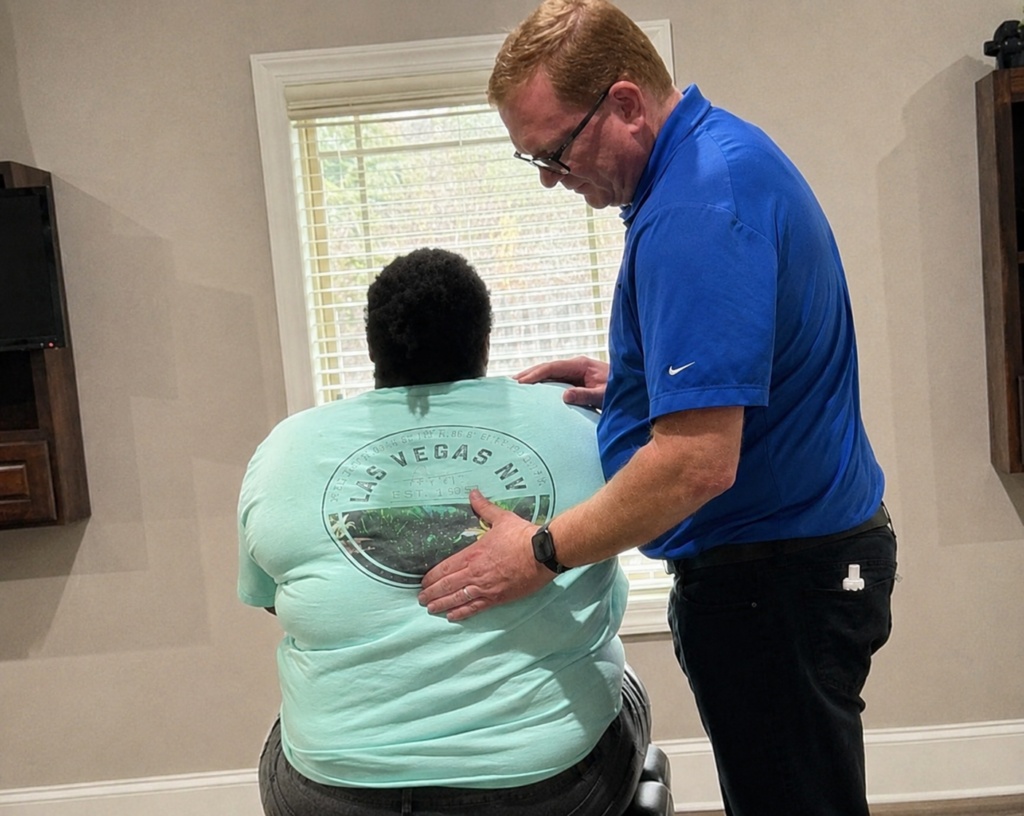

Managing chronic pain can often feel overwhelming, but as your local chiropractor, I'm here to help you explore effective options that can enhance your quality of life. By incorporating preventive wellness strategies into your routine, you can take proactive steps to manage and potentially reduce your pain through simple lifestyle changes.
Chiropractic care is a natural approach that focuses on the body's ability to heal itself. We emphasize the importance of a holistic lifestyle, which includes mindfulness practices, regular physical activity, and nutritious eating. You might be surprised to learn just how significantly your daily choices can influence your pain levels.
So, what specific steps can you take to start this journey toward better management of your chronic pain? Consider scheduling an appointment to discuss how chiropractic adjustments, combined with personalized wellness strategies, can support your body and help you regain control of your health. Together, we can work towards a more comfortable and fulfilling life.
Understanding Chronic Pain
As a local chiropractor, I want to help you understand chronic pain and its implications for your daily life. It's crucial to recognize that chronic pain isn't just a symptom; it's a complex condition that can significantly impact your physical, emotional, and social well-being. This type of persistent pain typically lasts longer than three months and can arise from various issues, including injuries, illnesses, or conditions such as arthritis or fibromyalgia.
When dealing with chronic pain, it's essential to consider how it influences your overall life. You may experience fatigue, anxiety, and depression, which can make even simple daily tasks feel daunting. You might find that specific activities trigger flare-ups, or that your pain varies with your stress levels. By observing these patterns, you can start to develop effective strategies to manage your discomfort.
At our chiropractic practice, we emphasize the importance of open communication. I encourage you to discuss your pain with me so we can work together to identify its underlying causes and create a tailored treatment plan that suits your needs.
Additionally, I recommend keeping a pain diary to track your pain levels, potential triggers, and what coping strategies have worked for you. This information can be incredibly helpful during our sessions, allowing us to better understand your unique experience.
Remember, you aren't alone in this journey. Many individuals face the challenges of chronic pain, and support systems, including local community groups, can provide a sense of connection and understanding.
The Role of Preventive Wellness
As a local chiropractor, I want to emphasize the vital role of preventive wellness in managing chronic pain and promoting your overall health. By adopting proactive measures, you can significantly lessen the intensity and frequency of pain flare-ups. This approach focuses on identifying potential health concerns before they become serious, empowering you to take charge of your well-being.
Integrating preventive wellness practices into your daily life can make you feel stronger and more resilient against chronic pain. Here are a few important elements to consider:
- Regular chiropractic check-ups: Just like you'd schedule routine medical appointments, visiting a chiropractor regularly can help detect underlying issues early on. This proactive approach allows us to work together to manage pain effectively and maintain your spinal health.
- Stress management: Implementing stress-relief techniques such as mindfulness, meditation, or yoga can greatly reduce tension in your body, helping to prevent painful exacerbations. Chiropractic care can also support your stress management efforts by promoting relaxation and balance in your body.
- Physical activity: Engaging in regular, low-impact exercises like walking or swimming is essential for your mobility and strength. As a chiropractor, I can guide you through specific exercises tailored to your needs that will help strengthen your muscles and reduce your risk of pain.
- Nutrition: A balanced diet rich in anti-inflammatory foods is key to supporting your overall health and can potentially help minimize pain responses in your body. I can provide guidance on nutritional choices that complement your chiropractic care and enhance your healing journey.
By embracing these preventive wellness strategies, you can take proactive steps toward managing chronic pain and improving your quality of life.
Healthy Lifestyle Choices
As a local chiropractor, I want to emphasize the importance of making healthy lifestyle choices for managing chronic pain and improving your overall well-being. One of the first steps you can take is to focus on a balanced diet. Incorporating a variety of fruits, vegetables, whole grains, and lean proteins into your meals can help reduce inflammation and support your body's natural healing processes.
It's best to avoid processed foods, excess sugar, and unhealthy fats, as these can exacerbate pain and lead to additional health complications.
Regular physical activity is also crucial for your health. Engaging in low-impact exercises like swimming, walking, or yoga can enhance flexibility, strength, and endurance without putting undue stress on your body.
I recommend aiming for at least 150 minutes of moderate aerobic activity each week. However, it's important to listen to your body and adjust your activities according to your comfort level. Incorporating stretching and strength training into your routine can further assist in managing pain.
Hydration is another key aspect that shouldn't be overlooked. Drinking enough water is vital for maintaining optimal bodily functions. Dehydration can increase pain levels, so I encourage you to aim for at least eight glasses of water each day.
Sleep is also a fundamental component of health. Prioritizing quality rest is essential, so establishing a consistent sleep schedule and creating a calming bedtime routine can be beneficial. A well-rested body is more capable of handling pain.
Finally, it's important to steer clear of harmful habits such as smoking and excessive alcohol consumption. Both can contribute to chronic pain and adversely affect your overall health.
Mindfulness and Stress Management
As a local chiropractor, I want to introduce you to the powerful benefits of mindfulness in managing chronic pain and reducing stress. Many of my patients have found relief not just through adjustments, but also by incorporating mindfulness techniques such as deep breathing and meditation into their daily routines.
These practices can help foster a sense of calm, enhance your overall well-being, and support the healing process.
By integrating mindfulness into your life, you may discover that it complements the chiropractic care you receive, leading to better pain management and a reduction in stress levels.
Let's delve into how these holistic approaches can work hand-in-hand to improve your health and quality of life.
Benefits of Mindfulness Practice
As a local chiropractor dedicated to natural healing, I want to share how embracing mindfulness practice can significantly improve your ability to manage chronic pain and reduce stress.
By focusing on the present moment, mindfulness allows you to cultivate a deeper awareness of your body and emotions, which can be incredibly beneficial when dealing with pain. This practice helps you detach from negative thought patterns, fostering a calmer mental state that's essential in navigating the challenges of chronic pain.
Here are some benefits you can expect when you incorporate mindfulness into your routine, especially in conjunction with chiropractic care:
- Increased self-awareness: You'll develop a clearer understanding of what triggers your pain and how your emotions are intertwined with your physical sensations.
- Enhanced coping skills: Mindfulness provides you with essential tools to manage stress and discomfort, making daily challenges feel more manageable and less overwhelming.
- Reduced anxiety and depression: Engaging in mindfulness regularly can help lower levels of anxiety and depression, which are often linked to chronic pain and can hinder your healing process.
- Improved focus and concentration: Practicing mindfulness sharpens your ability to concentrate, allowing you to stay engaged in activities you enjoy, even when facing discomfort.
By combining mindfulness with chiropractic care, you can create a holistic approach to managing your pain and overall well-being.
Let's work together to help you achieve a healthier, more balanced life.
Techniques for Stress Reduction
As a chiropractor, I want to emphasize the importance of stress reduction for effectively managing chronic pain. Many of my patients come in with tension that exacerbates their discomfort, and understanding how stress impacts your body can be the first step toward healing.
When you're under stress, your muscles tend to tighten, which can intensify pain levels. By incorporating stress reduction techniques into your daily routine, you can alleviate some of this tension and enhance your overall wellness.
One of the most effective techniques I recommend is mindfulness. This practice encourages you to focus on the present moment, allowing you to distance yourself from pain and diminish anxiety. A great starting point is simple breathing exercises: inhale deeply through your nose, hold for a few seconds, and then exhale slowly through your mouth. Doing this for just a few minutes can help ground you and create a sense of calm.
Another technique that I find beneficial is progressive muscle relaxation. This involves tensing each muscle group for a few seconds and then releasing the tension. It's a fantastic way to promote relaxation and increase your awareness of how your body feels.
I also encourage my patients to integrate gentle physical activities like yoga or tai chi into their lives. These practices not only improve flexibility and strength but also promote relaxation through mindful movement, which can be especially helpful for those dealing with chronic pain.
Lastly, journaling can be a powerful tool for processing thoughts and emotions. Writing about your experiences can help clarify feelings and reduce stress, making it easier to cope with pain.
Physical Activity and Exercise
As a local chiropractor, I want to share with you how regular exercise can be a powerful tool in managing chronic pain.
Engaging in personalized exercise programs can help you identify activities that not only fit your unique needs but also promote your overall well-being.
Additionally, by connecting your mind and body through movement, you can strengthen your resilience against pain.
It's all part of a holistic approach to health and healing that we emphasize in chiropractic care.
Let's work together to find the right exercises that can enhance your quality of life and support your natural healing process.
Benefits of Regular Exercise
As your local chiropractor, I want to emphasize the incredible benefits of regular exercise, particularly when it comes to managing chronic pain. Integrating physical activity into your daily routine isn't just a good idea—it's an essential part of a holistic approach to pain management.
Here are some key advantages you can experience through consistent exercise:
- Increased Flexibility: Engaging in regular movement can significantly improve the range of motion in your joints. This helps reduce stiffness and discomfort that many of you might be experiencing.
- Strengthened Muscles: Building muscle strength is crucial for providing better support to your body. This support can alleviate the strain on painful areas, making everyday activities more manageable and comfortable.
- Improved Mood: Exercise is known to release endorphins, which are natural mood elevators. This can be particularly beneficial for those dealing with chronic pain, as it can help combat feelings of depression or anxiety that often accompany such conditions.
- Enhanced Sleep Quality: Regular physical activity can also lead to better sleep patterns. Quality rest is essential for your body to heal and recover, which is a vital component of effective pain management.
By incorporating these benefits into your life, you can empower yourself to take control of your pain.
It's important to listen to your body and adjust your exercise routine accordingly. As your chiropractor, I encourage you to prioritize regular exercise not only to manage your chronic pain more effectively but also to enhance your overall quality of life.
Let's work together to create a personalized plan that fits your needs and helps you thrive!
Tailored Exercise Programs
As a local chiropractor, I want to share how tailored exercise programs can be a transformative approach for managing chronic pain. Many of my patients are surprised to learn that customizing a workout routine specifically for their needs can effectively target the sources of their discomfort while also enhancing their overall well-being.
These programs are designed with your pain levels, physical abilities, and personal goals in mind, ensuring that you engage in activities that are both safe and beneficial.
To start, I often recommend low-impact exercises, such as swimming or cycling. These activities are gentle on your joints but still promote strength and flexibility. As your body adapts, we can gradually introduce strength training and stretching, which can further alleviate pain and improve your functional abilities.
Always remember to listen to your body; if something doesn't feel right, it's important to adjust your routine.
Working with a chiropractic professional, like myself, can offer you the support you need. I can help you create a balanced exercise plan that challenges you while also being mindful of your pain levels.
Consistency is crucial in this journey. Aim for regular sessions, even if they're brief, to witness improvements over time.
Mind-Body Connection
As a local chiropractor, I want to highlight the profound connection between your mind and body, especially when it comes to managing chronic pain through physical activity and exercise. Engaging in regular physical activity not only helps strengthen your muscles but also significantly enhances your mental well-being.
This dual benefit is crucial for effective pain management, as stress and anxiety can often intensify chronic pain symptoms.
It's important to recognize how your thoughts and emotions can impact your physical state. By understanding this connection, you can take proactive steps to manage your pain more effectively. Here are a few key aspects to consider:
- Mindfulness: Incorporating mindfulness into your exercise routine can help you stay present and focused, which may reduce your perception of pain.
- Positive Visualization: Visualizing your body healing and gaining strength can serve as a powerful motivator during your workouts.
- Breath Control: Practicing focused breathing techniques can alleviate tension and enhance your overall experience while exercising.
- Emotional Release: Engaging in physical activity can provide a healthy outlet for pent-up emotions, often leading to a reduction in pain levels.
By embracing these practices, you can empower yourself in your journey towards pain relief and improved health.
At our chiropractic office, we're here to support you in understanding and harnessing the mind-body connection for your benefit.
Nutrition for Pain Management
As a local chiropractor, I want to share how the foods you choose can significantly impact your experience with chronic pain. Nutrition goes beyond just maintaining a healthy weight; it plays a crucial role in managing inflammation and pain levels in your body. By incorporating anti-inflammatory foods into your daily diet, you can potentially notice a positive change in how you feel.
Focus on incorporating plenty of colorful fruits and vegetables, whole grains, and healthy fats, such as olive oil and avocados. These foods are packed with antioxidants and omega-3 fatty acids, both of which are known to help combat inflammation in the body.
I recommend adding fatty fish like salmon or sardines to your meals. These fish are high in omega-3s and can help reduce inflammation effectively. Additionally, nuts and seeds are excellent options that provide healthy fats and protein without the added sugars or unhealthy additives that can worsen your condition.
It's also wise to limit processed foods, refined sugars, and excessive salt in your diet, as these can promote inflammation and worsen pain. Instead, consider using natural sweeteners like honey or maple syrup in moderation.
Staying hydrated is equally important, so make sure you're drinking plenty of water to help maintain joint lubrication and overall health.
Don't overlook the power of spices! Turmeric and ginger are particularly known for their anti-inflammatory properties, so try adding them to your meals for an extra health boost.
Lastly, I encourage you to listen to your body. Keeping a food diary can be a helpful tool to track how different foods affect your pain levels, allowing you to identify what works best for you.
Complementary Therapies and Techniques
As a local chiropractor, I want to introduce you to the world of complementary therapies and techniques that can play a vital role in managing chronic pain. These approaches can work hand-in-hand with your conventional treatments, providing you with additional relief and helping you reclaim control over your health and well-being.
By integrating these methods into your daily routine, you may not only alleviate pain but also enhance your overall quality of life.
Here are some effective complementary therapies you might consider:
- Acupuncture: This time-honored practice involves the insertion of thin needles into specific points on the body. It promotes the flow of energy and can significantly reduce pain by addressing underlying imbalances.
- Massage Therapy: Regular massage sessions can help relieve muscle tension, enhance circulation, and promote relaxation. These benefits can be instrumental in mitigating chronic pain and improving your comfort levels.
- Yoga and Tai Chi: Both of these disciplines emphasize gentle movement, stretching, and mindfulness. They can enhance your flexibility and strength while also fostering mental clarity, which can contribute to pain reduction.
- Mindfulness and Meditation: By incorporating mindfulness techniques into your routine, you can shift your focus away from discomfort and lower stress levels—an important factor that often exacerbates chronic pain.
Integrating these therapies into your pain management strategy can empower you to take a proactive stance in your health journey.
I encourage you to consult with healthcare professionals, including myself, to ensure that these techniques align with your specific needs and condition.
Remember, everyone experiences chronic pain differently, and it may take some trial and error to discover what works best for you.
Conclusion
As your local chiropractor, I want to share how embracing preventive wellness can significantly help you manage chronic pain and improve your overall quality of life. It's essential to prioritize healthy lifestyle choices, such as maintaining a balanced diet and staying properly hydrated. These fundamental aspects can have a profound impact on your well-being.
In addition to these choices, practicing mindfulness and incorporating regular, low-impact exercises into your routine can be incredibly beneficial. Activities like walking, swimming, or gentle yoga can help alleviate pain and enhance mobility.
Furthermore, I encourage you to explore complementary therapies, such as chiropractic adjustments, which can support your body's natural healing processes. These therapies can work in tandem with your wellness journey, addressing the root causes of your pain rather than just the symptoms.
Remember, every small step you take towards better health can lead to meaningful improvements in how you feel and cope with pain each day. As we work together, I am here to guide you on this path to wellness through natural healing methods.