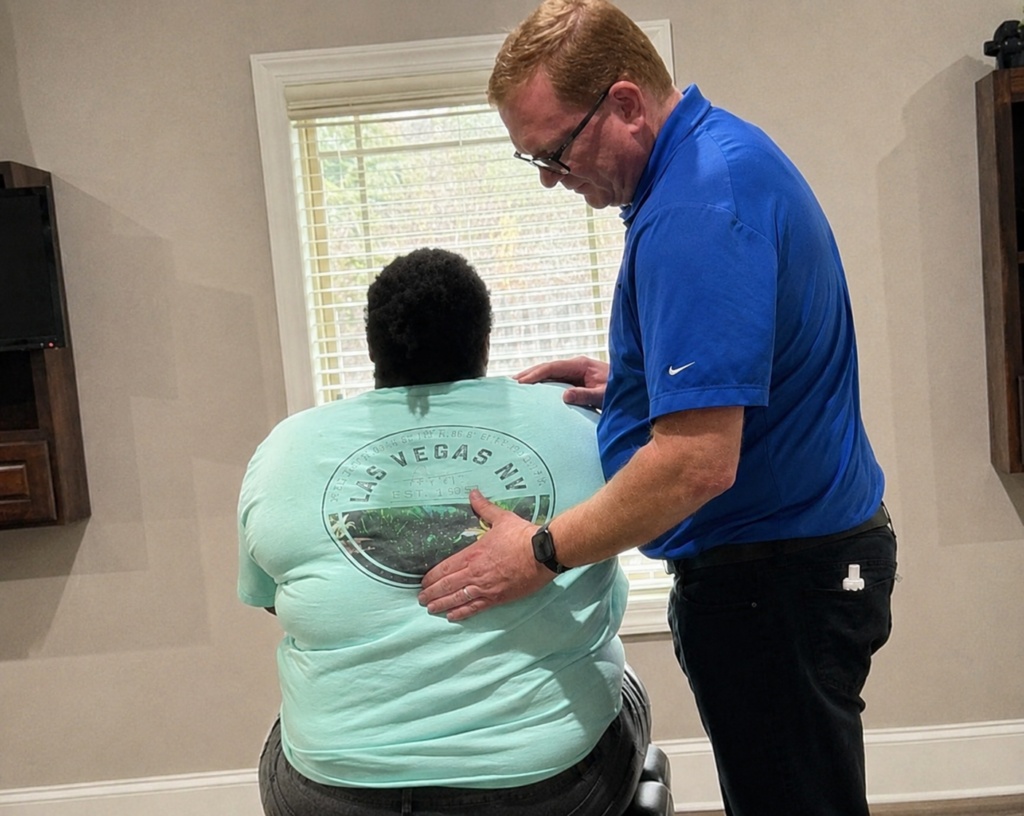

As a local chiropractor, I want to share with you how managing ADHD symptoms in children can benefit from a holistic approach that includes chiropractic care. While many people may think of medication as the only option, there are natural healing methods that can support your child's well-being. Consistent chiropractic adjustments can help improve nervous system function, which plays a crucial role in emotional regulation and behavior.
In addition to chiropractic care, establishing structured routines and effective communication at home can create a nurturing environment for your child. Techniques such as mindfulness and relaxation exercises can further enhance their ability to manage stress and focus. By incorporating these strategies alongside regular chiropractic visits, you can foster a supportive atmosphere that encourages your child's growth.
If you're looking for specific tools and strategies to implement in your child's daily life, consider scheduling an appointment to discuss how chiropractic adjustments can be part of a comprehensive plan to help manage ADHD symptoms naturally. Together, we can explore various approaches that promote overall health and well-being for your child.
Understanding ADHD Symptoms
Understanding the symptoms of Attention-Deficit/Hyperactivity Disorder (ADHD) is crucial, especially for parents and caregivers navigating the challenges that come with this condition. As a local chiropractor, I want to share how natural healing approaches can play a role in supporting children with ADHD.
Children with ADHD often exhibit behaviors associated with inattention, hyperactivity, and impulsivity. It's important to recognize these symptoms early, as they can impact your child's daily life and well-being.
Inattention may present itself as difficulty concentrating on tasks or frequent mistakes in schoolwork. You might notice your child misplacing items frequently or getting lost in daydreams. These distractions can hinder their ability to complete assignments or chores effectively. Chiropractic care can help improve overall focus by addressing any physical discomfort or misalignments that may contribute to a lack of concentration.
Hyperactivity is another common sign, often manifesting as excessive movement. If your child seems restless, fidgeting in their seat or unable to remain still, it can create challenges in structured environments like classrooms. Chiropractic adjustments can promote relaxation and improve physical balance, which might help your child feel more settled and focused.
Impulsivity is yet another symptom to consider. Your child might interrupt conversations or struggle to wait their turn, leading to social difficulties with peers. By fostering a sense of physical and emotional balance through chiropractic care, we can help children develop better self-regulation skills.
Understanding these symptoms allows you to respond more effectively and create a supportive environment for your child. By integrating chiropractic care into their routine, you can help address some of the physical challenges associated with ADHD.
Recognizing these behaviors as part of a larger picture—rather than personal shortcomings—can foster compassion and understanding. Ultimately, by embracing natural healing methods, you empower your child to thrive amidst the challenges they face.
Importance of Consistent Routines
Establishing consistent routines can greatly benefit children with ADHD by providing structure and predictability in their daily lives. As a chiropractor, I often see how holistic approaches, including establishing routines, can enhance overall well-being and support natural healing processes.
When you create a routine, it helps your child know what to expect, which can reduce anxiety and improve focus. This sense of stability is essential for children with ADHD, who often struggle with impulsivity and distraction. Just like a well-aligned spine contributes to optimal health, a structured daily routine can align your child's mental and emotional state for better functioning.
Here are some key benefits of consistent routines:
- Improved time management: Routines help your child learn how to allocate time for different activities, which can enhance their overall organizational skills and align with the principles of maintaining balance in life.
- Increased independence: When your child knows what's coming next, they're more likely to take initiative and complete tasks independently, fostering a sense of empowerment.
- Better emotional regulation: Predictable routines can help your child feel more secure, leading to fewer emotional outbursts and frustrations, much like how proper spinal alignment can lead to a more balanced emotional state.
- Enhanced focus: A structured environment minimizes distractions, allowing your child to concentrate better during homework or chores, paralleling how chiropractic care can reduce physical distractions caused by discomfort.
- Easier adjustments: Routines provide smoother transitions between activities, which is especially beneficial for children who've difficulty shifting gears, similar to how regular chiropractic adjustments can facilitate better physical and mental adaptability.
To implement a routine, start with a simple daily schedule that outlines morning, school, and evening activities. Involve your child in the process; they'll feel more invested and empowered when they've a say.
Remember, consistency is key. Stick to the routine as closely as possible, but also be flexible enough to make adjustments when needed. This approach can empower your child and help them thrive despite the challenges of ADHD, just as a balanced lifestyle can lead to improved health and well-being.
Behavioral Interventions That Work
As a local chiropractor, I want to share how certain behavioral interventions can greatly enhance the well-being of children with ADHD, especially in relation to their overall health and development. These strategies focus on promoting positive behaviors while reducing the occurrence of negative ones, which can impact a child's physical and emotional health.
One effective method we often recommend is implementing a reward system. By establishing clear goals and providing tangible rewards for achievements, you can encourage your child to engage in beneficial behaviors. For example, if your child completes their homework on time, rewarding them with extra playtime or a small treat can motivate them and boost their confidence.
Additionally, behavior modification through consistent consequences is crucial. When your child exhibits undesired behaviors, it's important to apply appropriate and immediate consequences. This could involve temporarily taking away privileges, such as screen time, for not adhering to family rules. Ensuring that these consequences are fair and directly related to the behavior helps your child understand the connection between their actions and the outcomes, which is essential for their development.
Another helpful technique is role-playing. By acting out various social situations, you can help your child practice appropriate responses, providing them with essential social skills. This kind of hands-on practice not only prepares them for interactions with peers and adults but also contributes to their overall emotional regulation.
Finally, utilizing visual aids like charts or checklists can significantly help your child stay organized. These tools serve as reminders for daily tasks and responsibilities, making it easier for them to navigate their routines. From a chiropractic perspective, maintaining a structured environment can contribute to their physical health, as it reduces stress and promotes overall well-being.
Incorporating these behavioral interventions not only supports your child's development but also complements the holistic approach we advocate in chiropractic care, focusing on natural healing and overall health.
Open Communication Strategies
Effective communication is essential in understanding and managing your overall health, especially when exploring chiropractic care and natural healing methods. By fostering open dialogue, you create a space where you feel comfortable sharing your health concerns and wellness goals. This not only helps me understand your needs better but also strengthens our partnership in your healing journey.
Here are some strategies to enhance communication during our sessions:
- Listen Actively: I encourage you to share your thoughts openly. I'll actively listen by maintaining eye contact, nodding, and responding thoughtfully, ensuring that you feel valued and heard in our discussions.
- Use Clear Language: I aim to communicate in a straightforward manner. I'll avoid complex medical jargon to ensure you understand the treatment options and recommendations, making it easier for you to engage in your health journey.
- Encourage Questions: Your questions are always welcome! I want you to feel comfortable asking anything about your treatment or chiropractic care. This approach helps clarify any uncertainties, reducing anxiety about your health decisions.
- Share Your Thoughts: I also believe in the power of sharing experiences. I'll share insights about chiropractic care and how it can benefit you, helping you relate to the process and feel more informed.
- Set Regular Check-Ins: I recommend scheduling regular appointments to monitor your progress and discuss any ongoing concerns. Consistent communication allows us to address any challenges you may face while celebrating your successes in achieving better health.
Together, we can work towards enhancing your well-being through open and effective communication.
Supporting Emotional Regulation
Navigating the emotional landscape of children, particularly those with ADHD, can be quite a journey, but it's crucial for their overall health and well-being. As a chiropractor, I understand that emotional regulation plays a significant role in both mental and physical health. Children with ADHD often experience intense emotions, which can manifest as outbursts or withdrawal. By helping these children learn to manage their feelings, we can foster resilience and enhance their social interactions.
One of the first steps is to teach children to identify their emotions. Using straightforward language, encourage them to express what they're feeling. Tools like a feelings chart can be particularly helpful in this process. Once they can recognize their emotions, introducing coping strategies becomes essential. Techniques such as deep breathing exercises, counting to ten, or using a stress ball can be beneficial in calming them during overwhelming moments.
As a chiropractor, I also emphasize the importance of modeling emotional regulation. Children often learn by observing the adults around them. Therefore, it's vital to demonstrate how you handle frustration or disappointment. Openly discussing your feelings and sharing your strategies for managing them can help normalize these emotional experiences and provide your child with practical examples to follow.
Creating a structured environment at home is another key aspect of emotional regulation. Predictability can significantly reduce anxiety and help your child feel secure. Establishing routines and setting clear expectations can alleviate emotional outbursts caused by uncertainty.
Lastly, it's important to celebrate your child's successes in managing their emotions, no matter how small. Positive reinforcement boosts their confidence and encourages them to continue using the skills you've taught them.
Collaborating With Educators
When you collaborate with your local chiropractor, open communication is essential for supporting your overall well-being.
Establishing personalized care plans can help tailor treatment strategies that work best for your unique needs.
Open Communication Channels
Establishing open communication channels with your chiropractic care provider is essential for effectively managing your health and wellness, especially if you're navigating conditions like ADHD.
When you collaborate effectively with your chiropractor, you create a supportive environment that can significantly enhance your overall experience and outcomes. Regular communication ensures that everyone involved is aligned on your needs and progress.
Here are some effective ways to maintain open communication with your chiropractor:
- Schedule regular appointments to discuss your health journey and any challenges you may face.
- Share insights about your lifestyle, habits, and any natural healing strategies that have worked for you at home.
- Encourage your chiropractor to provide feedback on your body's strengths and areas that may need attention.
- Utilize communication tools such as emails or patient portals to stay informed about your treatment plan and wellness tips.
- Foster a partnership mindset, viewing your chiropractor as a vital ally in your health and healing journey.
Individualized Education Plans
As a local chiropractor, I want to emphasize the importance of collaborating with healthcare providers to create a comprehensive wellness plan that can significantly improve your child's overall health, particularly when dealing with conditions like ADHD.
This personalized approach is designed specifically to address your child's unique needs, ensuring they receive the natural support necessary for optimal well-being.
To begin, gather insights from your child's teachers, therapists, and any previous health evaluations. This information will help you understand their strengths and areas that may need extra attention.
Next, consider scheduling a consultation with our chiropractic team. During this meeting, we can discuss various strategies that may support your child's health, including adjustments and lifestyle modifications.
Maintaining open communication with your healthcare providers is crucial throughout this journey. Regular check-ins can help us monitor your child's progress and make any necessary adjustments to their wellness plan.
Feel free to share your observations from home, as these insights can be incredibly helpful in tailoring our approach to best meet your child's needs.
Together, we can work towards enhancing your child's health and quality of life through natural healing methods.
Conclusion
As a local Chiropractor, I want to share the importance of a comprehensive approach to managing ADHD symptoms in children. Establishing consistent routines, implementing effective behavioral interventions, and fostering strong communication are essential in supporting your child's journey. By focusing on their emotional regulation and collaborating with educators, you can help empower them to thrive.
One aspect that may not be widely known is how chiropractic care can play a role in enhancing focus and alleviating discomfort. Chiropractic adjustments can help relieve tension in the nervous system, potentially improving overall well-being and concentration.
By exploring these natural healing options alongside traditional methods, you can create a nurturing environment that promotes independence and helps your child successfully navigate their challenges. Together, we can work towards finding the right strategies that support your child's unique needs.