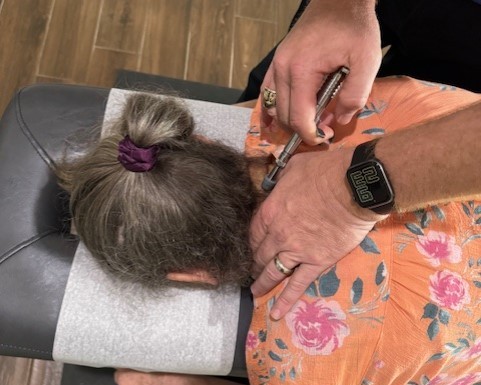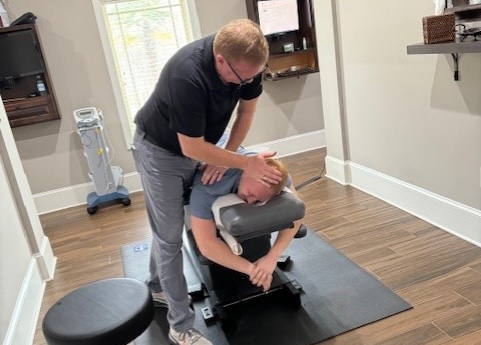

If you’re experiencing cervical pain, it’s essential to look for effective solutions that go beyond just temporary relief. As a chiropractor, I want to share with you how chiropractic adjustments can address the root causes of your discomfort, leading to a more lasting recovery. These adjustments work by restoring spinal alignment and reducing pressure on the nerves, which can significantly alleviate your pain.
But the benefits of chiropractic care don’t stop there! Understanding the role of ergonomics and maintaining good posture can further enhance your cervical health. Simple changes like adjusting your workstation, using supportive pillows, and being mindful of your neck position throughout the day can make a big difference.
Here are some easy tips to support your cervical health:
- Practice Good Posture: Keep your head aligned with your spine. Avoid slouching and try to keep your shoulders relaxed.
- Adjust Your Workstation: Ensure your computer screen is at eye level and your chair supports your back. Take regular breaks to stretch and move around.
- Use Supportive Pillows: Choose a pillow that keeps your neck in a neutral position while you sleep, whether you’re a back or side sleeper.
- Stay Hydrated: Drinking plenty of water is crucial for maintaining healthy discs in your spine.
- Incorporate Gentle Exercises: Simple neck stretches and strengthening exercises can improve flexibility and support your cervical spine.
By prioritizing chiropractic care and adopting these lifestyle changes, you can take significant steps towards achieving optimal health and wellness. Remember, your neck health is important, and with the right approach, you can experience lasting relief and improved quality of life. If you have any questions or need personalized advice, don’t hesitate to reach out!
Understanding Cervical Pain: Causes and Symptoms
Cervical pain can be more than just a nagging discomfort; it often signals underlying issues that deserve our attention. As a chiropractor, I want to help you understand that this pain could stem from various causes, including muscle strain, poor posture, or injuries. If you’ve been sitting for long periods or sleeping in an awkward position, these habits might be contributing to your discomfort.
Common symptoms of cervical pain include stiffness and aching, as well as sharp, shooting pains that can radiate into your shoulders or arms. You might also experience headaches or tingling sensations. It’s important to recognize these signs early on because ignoring them can lead to chronic issues that make recovery more challenging.
One effective way to manage and alleviate cervical pain is by paying close attention to how your neck feels during daily activities. Identifying patterns in your pain can help you understand its root cause, and that knowledge empowers you to take proactive steps toward relief. Simple changes, like adjusting your workstation ergonomics or practicing good posture, can make a significant difference.
Incorporating regular chiropractic care into your wellness routine is one of the best choices you can make for maintaining optimal health. A chiropractor can help identify misalignments in your spine and provide gentle adjustments to restore balance and function. This natural healing approach can relieve pain, improve mobility, and promote overall well-being.
Remember, being aware of your body’s signals is the first step in effectively addressing cervical pain. Embracing a healthier lifestyle, including stretching, staying active, and ensuring proper ergonomics, will also support your journey toward relief.
Let’s work together to achieve a pain-free and healthier life!
The Role of Ergonomics in Cervical Health
The way you set up your workspace can significantly influence your cervical health. If your monitor is too low or your chair lacks support, you may find yourself craning your neck or slouching, which can lead to discomfort over time.
As a chiropractor, I want to emphasize the importance of ergonomics in maintaining your spinal health and overall well-being.
To promote better posture and reduce strain on your neck, position your monitor at eye level. This way, your head remains aligned with your spine, which is essential for preventing pain.
Choose a chair that offers good lumbar support to encourage a neutral posture, helping to maintain the natural curve of your spine.
Ensure your feet are flat on the ground; if they don’t reach, consider using a footrest. Your keyboard and mouse should be easily accessible, allowing your elbows to stay close to your body.
Regular breaks are also vital—take a moment to stretch and move around to relieve tension that builds up from prolonged sitting.
Incorporating these adjustments can help create a workspace that supports your cervical health. By prioritizing your posture and making these simple changes, you can reduce the risk of pain and improve your overall comfort.
Physical Therapy Techniques for Pain Relief
When you’re experiencing cervical pain, seeking relief through chiropractic care can be an excellent choice. Techniques such as spinal adjustments, tailored exercise programs, and posture correction are designed to enhance your comfort and mobility naturally. Let’s delve into how these chiropractic approaches can help you achieve optimal health and wellness.
Chiropractic adjustments are a cornerstone of cervical pain relief. By realigning your spine, we can alleviate pressure on the nerves and tissues in your neck, which can lead to a significant reduction in discomfort. Unlike other treatments, chiropractic care focuses on the root cause of pain, promoting healing without the need for medications or invasive procedures.
In addition to adjustments, we often recommend specific exercises tailored to your needs. These exercises can strengthen the muscles supporting your spine and improve your overall flexibility. Remember, staying active is key to maintaining a healthy spine, so even simple stretches or neck rotations can be beneficial.
Posture correction is another essential aspect of chiropractic care. Many people unknowingly maintain poor posture, which can contribute to cervical pain. Being mindful of how you sit, stand, and move throughout the day can make a world of difference. A few tips to improve your posture include keeping your shoulders back, aligning your ears with your shoulders, and taking regular breaks to stretch if you sit for long periods.
Ultimately, chiropractic care offers a holistic approach to pain relief and wellness. By focusing on natural healing methods, we aim to not only relieve your current discomfort but also empower you to lead a healthier, pain-free life.
If you’re ready to take the next step towards optimal health, consider scheduling an appointment to discuss how chiropractic care can benefit you.
Manual Therapy Approaches
Chiropractic care is a highly effective approach for relieving cervical pain, specifically targeting the musculoskeletal system to enhance mobility and reduce discomfort. Techniques such as spinal adjustments and joint manipulation work to restore proper alignment and function in your neck, helping to ease tension and improve your range of motion.
In addition to adjustments, our chiropractic practice also incorporates soft tissue techniques, like massage, which can alleviate muscle stiffness and promote relaxation. Myofascial release is another valuable method that focuses on the fascia surrounding your muscles, boosting circulation and reducing pain.
These hands-on techniques not only provide immediate relief but also empower you to better understand your body and how it functions. Collaborating with a skilled chiropractor ensures you receive personalized care tailored to your unique symptoms, leading to a more effective and natural treatment plan.
Here are some general tips to support your neck health at home:
- Maintain Good Posture: Be mindful of your posture, especially when sitting at a desk or using your phone. Keep your shoulders back and your head aligned with your spine.
- Regular Movement: Take breaks to stretch and move throughout the day to prevent stiffness and tension.
- Stay Hydrated: Drinking plenty of water helps keep your muscles and joints lubricated.
- Create a Relaxing Environment: Consider using heat packs or taking warm baths to soothe tight muscles in your neck.
Exercise Programs Benefits
Incorporating exercise into your wellness routine is a fantastic way to enhance the benefits of chiropractic care, especially when dealing with cervical pain. By engaging in regular physical activity, you can strengthen the muscles surrounding your neck, which improves stability and can significantly reduce discomfort.
You’ll likely notice an increase in flexibility, helping to relieve tension and expand your range of motion. Focusing on exercises that promote good postural alignment is particularly beneficial. These exercises can help you develop better habits throughout your daily activities, which in turn minimizes strain on your neck and spine.
Plus, regular movement boosts blood circulation, which aids in faster recovery and natural pain relief. Whether you prefer gentle stretching, strength-building exercises, or even aerobic activities, finding a routine that resonates with you is essential.
Remember, the goal is to integrate these exercises into your life in a way that feels good and supports your overall health. Always consult with your chiropractor to ensure your chosen exercises are safe and tailored to your specific needs.
They can provide personalized guidance to help you achieve optimal health. Remember, the key to wellness is a holistic approach—prioritizing movement, good posture, and chiropractic care can work wonders for your cervical pain and overall well-being.
Posture Correction Techniques
To effectively alleviate cervical pain, focusing on posture correction techniques can significantly enhance your daily comfort and overall well-being.
As a chiropractor, I believe that by being mindful of your posture throughout the day, you can reduce strain on your neck and support your body’s natural healing processes.
Here are some practical techniques you can easily incorporate into your routine:
- Adjust Your Workstation: Position your computer screen at eye level. This simple adjustment can help you avoid bending your neck, keeping it aligned with your spine.
- Use Ergonomic Chairs: Choose chairs that support your lower back and encourage a neutral spine position. This helps reduce tension in your neck and back over time.
- Practice the Chin Tuck: To promote proper alignment, gently pull your chin in towards your neck. This technique helps to align your head over your shoulders, reducing strain on your cervical spine.
- Take Regular Breaks: It’s important to stand, stretch, and move around every hour. These short breaks can relieve tension and encourage better posture throughout your day.
Implementing these techniques can contribute to lasting relief from cervical pain and facilitate a healthier lifestyle.
Remember, chiropractic care is an excellent choice for addressing pain naturally and promoting optimal health.
The Importance of Posture Correction
Good posture isn’t just about looking confident; it plays a vital role in preventing and alleviating cervical pain. When you maintain proper alignment, you reduce strain on your neck muscles and spine, which can help distribute weight evenly and prevent discomfort and tension buildup.
Many people may not realize that slouching or leaning forward while working can lead to significant cervical issues over time. Instead of ignoring those nagging aches, it’s important to focus on improving your posture throughout the day. This is where chiropractic care can be incredibly beneficial, as chiropractors specialize in spinal alignment and can offer tailored advice for maintaining proper posture.
To promote better alignment, try to keep your ears aligned with your shoulders and ensure your shoulders are relaxed. Additionally, adjusting your workspace can make a huge difference. Simple changes, like using an ergonomic chair that supports your lower back or positioning your computer screen at eye level, can significantly reduce neck strain.
Regular chiropractic adjustments can also support your posture and overall spinal health, helping you achieve optimal wellness. By addressing any misalignments in your spine, you can enhance your body’s natural ability to heal and function effectively.
Lifestyle Modifications for Long-term Relief
To achieve long-term relief from cervical pain, it’s essential to embrace a few key lifestyle modifications that can significantly enhance your quality of life.
As a chiropractor, I recommend starting with an ergonomic workspace. This means ensuring that your desk, chair, and computer are set up to support your spine’s natural alignment. Position your screen at eye level, and keep your feet flat on the floor to reduce strain on your neck and back.
Incorporating a regular exercise routine is also vital. Focus on gentle activities like stretching, yoga, and low-impact exercises that strengthen your neck and upper back muscles. These exercises can help improve your posture and reduce tension in the cervical area.
Remember, movement is key to maintaining spinal health!
Additionally, practicing stress management techniques can be incredibly beneficial. Stress often contributes to muscle tension, which can exacerbate cervical pain. Consider incorporating deep breathing exercises, meditation, or even a leisurely walk into your daily routine to help manage stress levels.
Chiropractic care is an excellent choice for addressing cervical pain. Regular adjustments can help align your spine, relieve tension, and promote natural healing.
By partnering with a chiropractor, you can develop a personalized care plan that supports your journey toward optimal health.
In summary, focus on creating an ergonomic workspace, incorporate regular gentle exercise, manage your stress, and seek out chiropractic care.
These lifestyle changes can lead to lasting relief from cervical pain and enhance your overall well-being.
Ergonomic Workspace Design
When you spend long hours at a desk, it’s common to experience discomfort, especially cervical pain. As a chiropractor, I want to emphasize that an ergonomic workspace design can significantly improve your comfort and overall health.
By making a few simple adjustments, you can create an environment that supports your neck and spine, reducing pain and enhancing your well-being. Here are some essential tips to consider:
- Chair Height: Ensure your chair allows your feet to rest flat on the floor, with your thighs parallel to the ground. This helps maintain proper posture and keeps stress off your spine.
- Monitor Position: Position your monitor at eye level. This prevents you from straining your neck, allowing you to work comfortably and avoid unnecessary tension.
- Keyboard Placement: Set your keyboard at a height that keeps your elbows close to your body and your wrists straight. This reduces strain on your arms and neck, promoting better alignment.
- Frequent Breaks: Take short breaks every hour to stand, stretch, and change positions. This not only alleviates stiffness but also encourages better circulation, which is vital for overall health.
Remember, chiropractic care is a natural and effective way to address pain and promote wellness.
Regular visits to a chiropractor can help ensure your spine is aligned and functioning optimally, which supports your body’s ability to heal and thrive.
Regular Exercise Routine
Creating an ergonomic workspace is an excellent first step towards better neck and back health. However, to truly support your spine and overall well-being, incorporating a regular exercise routine is essential. Aim for at least 150 minutes of moderate aerobic activity each week—activities like brisk walking or cycling are great options that can be easily integrated into your daily life.
In addition to aerobic exercise, focus on strengthening exercises that target your neck, shoulders, and core. These exercises can enhance your stability and help reduce discomfort. Activities like yoga or Pilates not only improve flexibility but also promote better posture, which is crucial for spinal health.
Don’t forget the importance of taking breaks during long periods of sitting. Simple stretches and brief movements can make a significant difference in how you feel throughout the day.
Remember, consistency is key—making exercise a regular part of your routine will help alleviate cervical pain and enhance your overall wellness.
As a chiropractor, I believe that staying active is one of the best ways to support your body naturally. By prioritizing movement and incorporating these tips into your daily life, you’ll find it easier to tackle everyday tasks with less discomfort.
Chiropractic care can further complement your wellness journey, helping to align your spine and optimize your health naturally.
Stress Management Techniques
While maintaining physical health is crucial for alleviating cervical pain, managing stress is just as important. High stress levels can intensify your discomfort, so it’s essential to integrate effective stress management techniques into your daily routine.
Here are some strategies that not only promote relaxation but also complement chiropractic care for optimal health:
- Mindfulness Meditation: By focusing on the present moment, you can significantly reduce anxiety and enhance relaxation. This practice can complement your chiropractic adjustments by promoting a calm mind and body.
- Deep Breathing Exercises: Slow, deep breaths can help lower tension and improve blood circulation, which is beneficial for spinal health. Incorporating these exercises into your day can enhance the effects of chiropractic care.
- Yoga and Stretching: Gentle movements not only improve your flexibility but also help in releasing muscle tension. Many patients find that integrating yoga or stretching into their routine supports the benefits of chiropractic adjustments and promotes overall wellness.
- Time Outdoors: Spending time in nature can uplift your mood and lower stress levels. This natural form of relaxation can be a great addition to your chiropractic care, helping you feel more centered and balanced.
Remember, chiropractic care can be an effective approach to managing pain and promoting natural healing.
Alternative Therapies and Their Effectiveness
How effective are alternative therapies in managing cervical pain? As a chiropractor, I believe that chiropractic care stands out as one of the best options for achieving pain relief and promoting overall wellness. Many patients experience significant relief from cervical pain through chiropractic adjustments, which focus on aligning the spine and relieving pressure on nerves. This process not only alleviates pain but also enhances mobility and overall function.
In addition to chiropractic care, you might also hear about methods like acupuncture and massage therapy. While these can provide some relief, they often work best when combined with regular chiropractic adjustments. For instance, acupuncture targets specific pressure points which may help with muscle tension, while massage therapy can release tight muscles in the neck and upper back, complementing the benefits of chiropractic adjustments.
Remember, individual results can vary, but many people find that incorporating chiropractic care into their wellness routine leads to the best outcomes.
Here are some general tips for managing cervical pain at home:
- Maintain Good Posture: Pay attention to your posture, especially when sitting at a desk or using electronic devices. Keeping your spine aligned can prevent strain on your neck.
- Stay Active: Regular gentle exercises can strengthen the muscles around your neck and improve flexibility. Simple stretches can be beneficial.
- Apply Heat or Cold: Using a warm compress or an ice pack can help soothe muscle tension and alleviate pain.
- Stay Hydrated: Drinking plenty of water supports overall spinal health and helps maintain flexibility in your muscles and joints.
- Manage Stress: Techniques like deep breathing, meditation, or yoga can aid in relaxation and reduce muscle tension.
Before starting any new therapy, it’s essential to consult your healthcare provider, who can help guide you toward the most effective options tailored to your needs.
Embracing a holistic approach with chiropractic care at its core may enhance your journey toward managing cervical pain effectively. Let’s work together to achieve optimal health and wellness!
Conclusion
To sum up, effectively managing cervical pain requires a holistic approach centered on chiropractic care. By understanding the underlying causes and recognizing the symptoms, you can empower yourself to take control of your discomfort. Regular chiropractic adjustments can significantly improve your neck health by realigning the spine and relieving tension.
In addition, making ergonomic changes in your workspace and practicing good posture are crucial steps you can take daily to support your neck. Simple tips, like ensuring your computer screen is at eye level and taking breaks to stretch, can make a big difference.
Incorporating tailored exercise programs designed to strengthen the neck and upper back can also enhance your overall well-being. Gentle stretches and strengthening exercises not only help relieve pain but also prevent future issues.
Remember, lifestyle modifications, such as staying hydrated and managing stress, play a vital role in your healing journey. By embracing these practices, you can alleviate pain and promote wellness, allowing you to lead a more active and fulfilling life. Choose chiropractic care as your go-to solution for natural healing and optimal health!