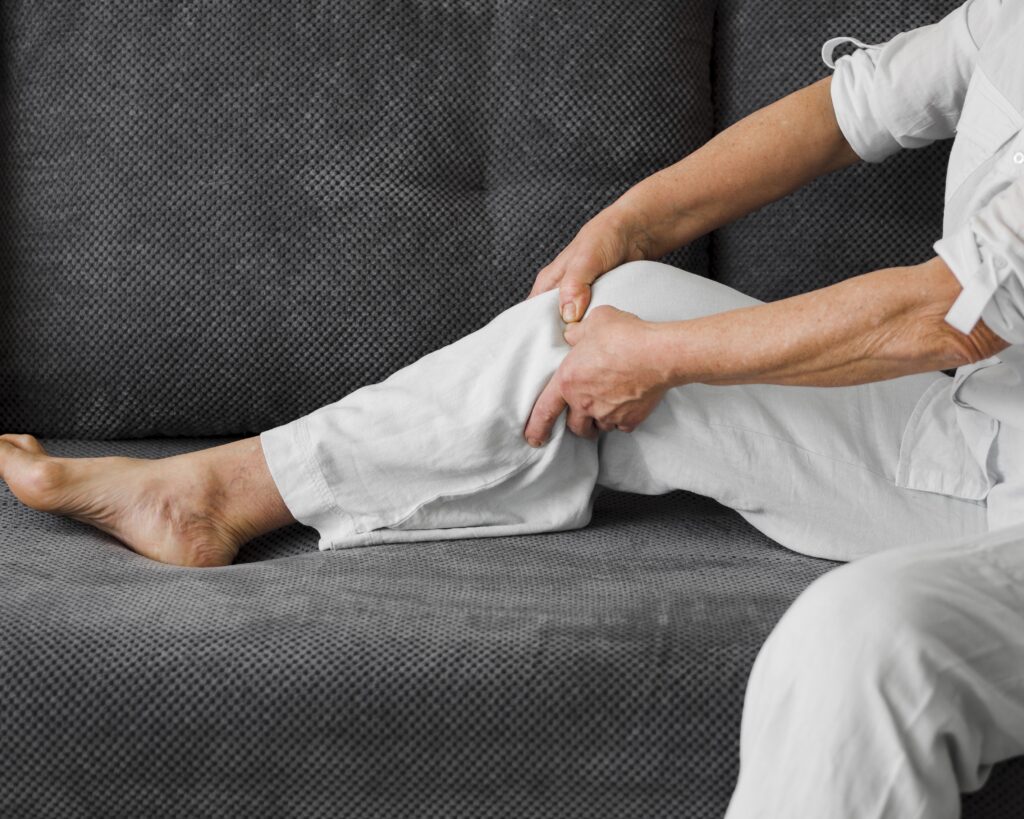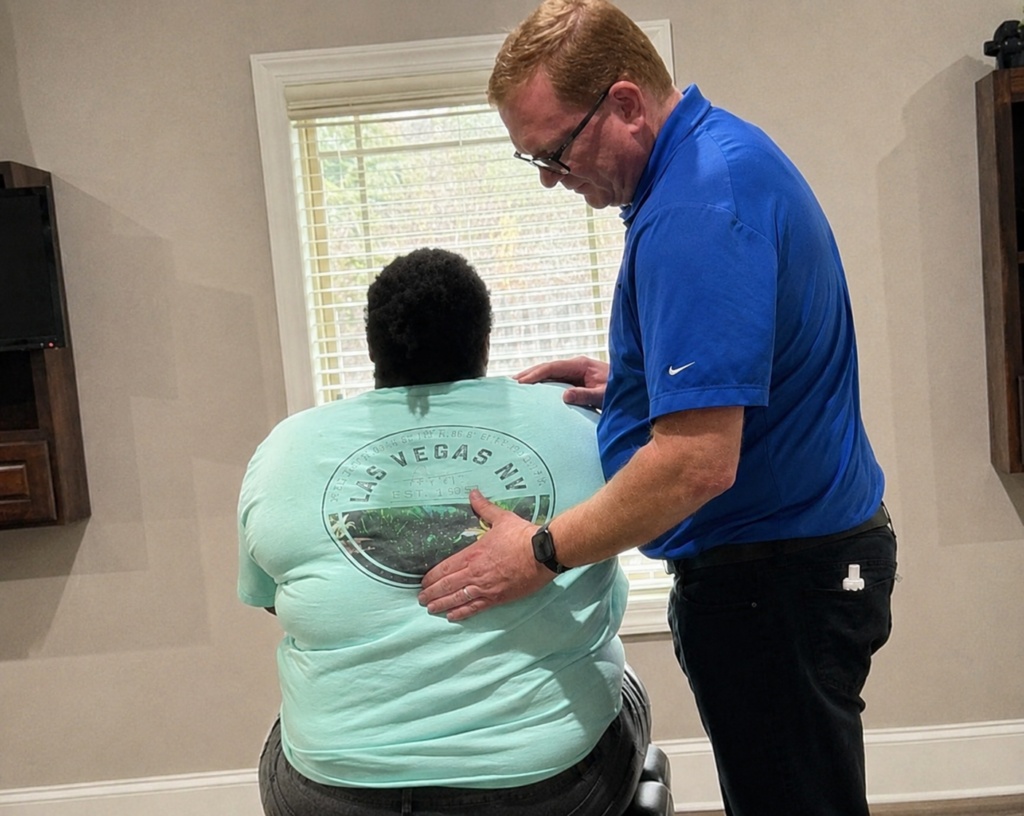

As a local chiropractor, I understand that dealing with a sports injury can be a daunting experience. Many of my patients often feel overwhelmed by the recovery process, not knowing where to start. Have you thought about exploring a more natural approach to your healing? By focusing on key elements such as nutrition, gentle movements, and mindfulness, you can develop a comprehensive strategy that not only supports your recovery but also improves your overall health.
Imagine fueling your body with the right nutrients to promote healing while also incorporating gentle exercises that enhance your flexibility. Alongside this, practicing mindfulness can help clear your mind and reduce stress, which is crucial during recovery. These simple lifestyle adjustments can make a significant difference in your healing journey, potentially accelerating your recovery in ways you may not have considered.
Let's work together to explore how you can effectively implement these strategies into your daily routine, paving the way for a smoother and more natural recovery process. Your body has an incredible ability to heal, and with the right support, you can reclaim your strength and well-being.
Understanding Sports Injuries
As a local chiropractor, I want to help you understand the impact of sports injuries on your overall health and how chiropractic care can play a vital role in your recovery and prevention. Sports injuries can't only disrupt your game but also affect your daily life. It's essential to comprehend the various types of sports injuries to facilitate effective healing and regain your performance.
When you participate in physical activities, your body experiences stress that can lead to injuries such as sprains, strains, fractures, and tendinitis. Each type of injury comes with its own set of causes and implications, and recognizing what you're dealing with is crucial for recovery.
Sprains occur when ligaments—the tissues that connect bones at a joint—become stretched or torn. If you experience pain, swelling, and limited movement in a joint, it could be a sprain. Strains are similar but involve injuries to muscles or tendons, resulting in comparable symptoms.
Fractures are more serious, indicating a break in the bone, and often require professional medical treatment. Tendinitis, which is inflammation of a tendon typically caused by repetitive motion or overuse, can lead to chronic pain if not addressed in a timely manner.
Injuries can arise from a variety of factors, such as improper technique, inadequate warm-up routines, or insufficient physical conditioning. Pushing your body too hard or ignoring early warning signs can significantly increase your risk of injury. Being aware of the signs early on can lead to a faster recovery.
Understanding how to prevent injuries is just as important as knowing how to address them. Through chiropractic care, we focus on proper alignment, body mechanics, and training techniques that promote optimal performance and reduce the risk of injury.
It's also essential to ensure you're getting adequate rest and listening to what your body is telling you.
The Role of Nutrition
As a local chiropractor, I want to emphasize the crucial role that nutrition plays in your recovery from sports injuries. The food you eat provides the essential components your body needs for tissue repair, reducing inflammation, and maintaining overall health. By prioritizing a balanced diet rich in whole foods, you can significantly influence your recovery process.
First and foremost, it's important to ensure you're consuming enough protein. Protein is vital for muscle repair and growth, so try to include sources such as lean meats, fish, eggs, beans, and legumes in your daily meals.
Additionally, don't overlook the importance of colorful fruits and vegetables. These foods are brimming with antioxidants, vitamins, and minerals that help combat inflammation and support healing. Make it a goal to incorporate foods like berries, leafy greens, and citrus fruits into your diet regularly.
Healthy fats also play a significant role in your recovery. Omega-3 fatty acids, found in fish, flaxseeds, and walnuts, can help reduce inflammation in the body. Whole grains such as brown rice, quinoa, and oats are also beneficial, as they provide sustained energy and essential nutrients necessary for healing.
It's equally critical to stay hydrated; drinking plenty of water supports your body's metabolic processes and helps keep your joints lubricated.
Finally, consider the timing of your meals in relation to your rehabilitation exercises. Fueling your body appropriately before and after workouts can enhance muscle recovery even further.
By consciously choosing nutrient-dense foods and paying attention to your hydration, you're paving the way for a smoother and faster recovery. Remember, your body needs the right fuel to heal, so investing in your nutrition is essential for optimal healing.
Let's work together to ensure you're on the right path to recovery!
Herbal Remedies for Healing
As a local chiropractor, I want to share some insights into how herbal remedies can complement your healing process after an injury. Many athletes and individuals alike have found that these natural solutions can significantly aid in reducing inflammation, relieving pain, and promoting a quicker recovery.
If you're exploring effective options to support your healing journey, consider incorporating these herbs into your routine.
One of the standout herbal remedies is turmeric. Its active compound, curcumin, is renowned for its powerful anti-inflammatory properties. You can easily add turmeric to your meals, enjoy it as a soothing tea, or opt for it in supplement form to help manage pain and swelling effectively.
Another fantastic herb is ginger. This potent root is known for its anti-inflammatory benefits and can assist in alleviating muscle soreness while enhancing circulation. You can consume ginger fresh, brew it into a comforting tea, or take it in capsule form for convenience.
Arnica is a lesser-known gem that I often recommend for topical use. This herb works wonders in reducing bruising and swelling, helping to accelerate the healing process. You can find arnica in gels or creams, and it's essential to apply it to the affected area as directed.
Don't overlook cayenne pepper, either. Its active ingredient, capsaicin, is effective at relieving pain by blocking pain signals sent to the brain. You can incorporate cayenne into your cooking or utilize topical creams that contain it for added relief.
Before introducing any new herbal remedies into your recovery plan, I encourage you to consult with a healthcare professional. It's crucial to ensure these options are safe and suitable for your specific needs.
With the right blend of chiropractic care and herbal support, you can enhance your natural healing journey effectively.
Benefits of Physical Therapy
As a local chiropractor, I want to share the incredible benefits of physical therapy, especially when it comes to recovering from sports injuries.
Unlike traditional approaches, chiropractic care focuses on personalized treatment plans that cater specifically to your individual needs.
This holistic approach not only aids in rebuilding strength but also significantly improves your mobility, helping you get back to the activities you love much faster.
Personalized Treatment Plans
Personalized treatment plans in chiropractic care are vital for effective recovery from sports injuries. When you visit a chiropractor, they'll conduct a thorough assessment of your specific injury, medical history, and personal wellness goals. This individualized approach ensures that your recovery process is tailored to your unique needs, rather than relying on a generic treatment model.
By following a personalized plan, you can expect a more focused and effective recovery journey. Your chiropractor will develop a set of adjustments, exercises, and natural healing techniques that align with your current physical condition, enhancing your chances of a successful outcome.
This attention to your individual situation allows for modifications as you progress, ensuring that you remain on the right path towards recovery. Additionally, having a clear and customized plan can significantly boost your motivation. As you witness progress aligned with your personal goals, your confidence in the healing process will grow, encouraging you to stay committed.
You'll also develop a deeper understanding of your body and its mechanics, which empowers you to make informed choices about your health and wellness. Embracing chiropractic care can lead to not just recovery, but a holistic improvement in your overall quality of life.
Enhanced Mobility and Strength
Enhanced mobility and strength are crucial for recovering from sports injuries, and chiropractic care plays an important role in achieving these outcomes. When you choose to work with a chiropractor, you're not just waiting for your body to heal; you're actively engaging in your own recovery process.
Through customized treatment plans, chiropractors help you restore your range of motion and strengthen the muscles that may have weakened due to your injury. You'll learn safe movement techniques that minimize the risk of re-injury, allowing you to regain confidence in your body.
As you progress in your recovery, these individualized plans evolve to meet your specific needs, ensuring that you're challenged appropriately without pushing your limits too far.
Incorporating chiropractic adjustments along with stretching and strengthening exercises into your routine can greatly enhance your flexibility and stability—both vital for a safe return to your sport. You may even find that your overall athletic performance improves, making you more resilient against potential future injuries.
Importance of Rest and Sleep
As a local chiropractor, I want to emphasize the critical role that rest and quality sleep play in your recovery from a sports injury. Your body has an incredible ability to heal itself, and this process is significantly enhanced during sleep.
While you rest, your body works diligently to repair damaged tissues and reduce inflammation.
In addition to aiding recovery, adequate sleep can also improve your performance when you return to your sport. By prioritizing rest, you're not just allowing your body to heal; you're also setting yourself up for greater success in the future.
Healing Through Quality Sleep
As a local chiropractor, I understand that many of you may be focusing on physical therapy and rehabilitation exercises as you recover from sports injuries. However, I want to emphasize the incredible importance of quality sleep in the healing process.
Sleep isn't just a time for rest; it's a vital period when your body engages in critical repair work. During sleep, your body repairs tissues, reduces inflammation, and restores its energy levels. This is when growth hormones are released, which are essential for tissue repair and recovery, allowing you to bounce back more effectively.
Creating a sleep-friendly environment is essential for enhancing your healing. Aim to keep your bedroom dark, cool, and quiet, and I recommend avoiding screens for at least an hour before bedtime to promote better sleep quality.
Additionally, establishing a consistent sleep schedule—going to bed and waking up at the same time each day—can greatly help regulate your body's internal clock.
Listening to your body is crucial during this recovery phase. If you're feeling fatigued or sore, don't hesitate to allow yourself extra rest. Quality sleep not only aids in your physical recovery but also bolsters your mental resilience, keeping you motivated throughout your rehabilitation journey.
By recognizing the value of sleep as an integral part of your recovery plan, you're setting yourself up for a more effective healing process and a quicker return to the sport you love.
Resting for Muscle Recovery
As a local chiropractor, I want to emphasize the importance of rest in muscle recovery, a crucial aspect of your overall health that often gets overlooked.
When you engage in intense workouts or physical activities, your muscles experience stress and micro-tears. Without adequate rest, those muscles struggle to repair themselves, which can lead to extended soreness and a higher risk of injury.
Rest isn't just about doing nothing; it's an essential period for your body to rebuild and strengthen your muscles. During these recovery phases, your body receives the vital nutrients and oxygen necessary for healing.
You might be tempted to think that taking time off from rigorous activity means you're losing progress, but in reality, you're setting the stage for improved performance in the long run.
I encourage you to incorporate active rest days into your routine. Activities like walking or gentle stretching can keep blood flowing to your muscles while still allowing them to recover.
It's also important to listen to your body. If you're feeling fatigue or experiencing pain, that's a clear signal that your body needs time to rest.
Prioritizing recovery not only aids in faster healing but also prepares you for the physical challenges ahead. Remember, taking time for recovery isn't a sign of weakness; it's a vital part of your health and wellness journey.
As your chiropractor, I'm here to support you in understanding how rest and natural healing can enhance your overall well-being.
Sleep's Impact on Performance
As a local chiropractor, I want to emphasize how crucial sleep is for your athletic performance and overall health. When you sleep, your body enters a restorative phase, working to repair muscles, tissues, and even your mind. This recovery process is particularly important for those engaged in physical activities, as it not only aids in healing from injuries but also boosts your strength and endurance.
If you're not getting enough sleep, you may experience decreased focus, slower reaction times, and impaired decision-making. These factors can significantly impact your performance, making even basic tasks feel more difficult when you're operating on insufficient rest.
I recommend aiming for 7-9 hours of quality sleep each night to ensure your body has the necessary time to recover and regenerate.
To enhance your performance and overall well-being, it's important to establish a consistent sleep schedule. Consider creating a calming bedtime routine and optimizing your sleep environment. A dark, cool, and quiet room can promote better rest.
Additionally, be mindful of screen time before bed, as the blue light emitted from devices can disrupt your natural sleep cycle.
Mindfulness and Mental Resilience
As a local chiropractor dedicated to supporting you through your recovery process, I want to emphasize the importance of mindfulness and mental resilience when dealing with sports injuries. It's common to feel overwhelmed by negative thoughts and frustration during recovery, but incorporating mindfulness practices can significantly improve your mental well-being.
By staying present and focused on the moment, you can reduce anxiety and foster a more positive recovery journey.
Equally vital is developing mental resilience—your ability to bounce back from setbacks and maintain an optimistic perspective in the face of challenges. Here are some practical strategies to enhance your mindfulness and mental resilience as you navigate your recovery:
- Practice meditation: I encourage you to dedicate a few minutes each day to meditation. This simple practice can help calm your mind and bring clarity to your thoughts.
- Set realistic goals: Together, we can break down your recovery process into manageable milestones. Achieving these small goals can boost your motivation and keep you focused on progress.
- Embrace a growth mindset: It's important to view any challenges you face as opportunities for learning and growth, rather than roadblocks. This mindset can transform your recovery experience.
- Connect with others: Sharing your journey with friends, family, or support groups can create a sense of community. It's beneficial to gain different perspectives and feel supported throughout your healing process.
By integrating these strategies into your recovery plan, you can foster a healthier mindset and enhance your overall healing experience.
Gentle Movement and Stretching
As you embark on your journey to build mental resilience and support your recovery, it's crucial to understand the role of gentle movement and stretching in this process. These practices are integral to maintaining flexibility, enhancing circulation, and promoting overall healing. I encourage you to listen to your body and begin with movements that feel right for you.
Start with simple range-of-motion exercises tailored to your condition. For example, if you're recovering from a leg injury, gentle ankle circles or knee lifts while seated can be very beneficial. These movements help stimulate blood flow to the affected area without causing additional strain.
As you progress, consider incorporating stretches that target the muscles around your injury, as this can alleviate tension and prepare your body for physical activities you'll be returning to.
Activities like yoga or tai chi can be fantastic options for gentle movement. They not only improve balance and flexibility, but they also emphasize mindfulness and are low-impact, making them suitable for most recovery scenarios. Even dedicating a short amount of time each day to these practices can yield significant benefits in your healing process.
Focus on stretches that engage the areas surrounding your injury, as this can help prevent stiffness and promote better movement patterns.
Always pay attention to your breathing and stay attuned to how your body feels during these exercises. If you experience any pain, it's important to stop and modify the movement. Your aim is to create a pain-free environment that nurtures your body while facilitating healing.
As you weave gentle movement and stretching into your daily routine, you may notice not only improvements in your physical health but also a boost in your mental well-being, thanks to the release of endorphins and a renewed focus on your recovery journey.
Building a Supportive Environment
Creating a supportive environment is crucial for your recovery journey, especially when dealing with a sports injury. As a local chiropractor, I want to emphasize that surrounding yourself with positivity, encouragement, and the right resources can significantly impact your mental and physical healing.
Recovery isn't just about rest and rehabilitation; it's about cultivating a space where you feel motivated and cared for.
Here are some important aspects to consider when building that supportive environment:
- Engage Your Family and Friends: Share your recovery goals with those close to you. Their emotional support and encouragement can be incredibly beneficial in your healing process, and they can help hold you accountable to your recovery plan.
- Consult with Professionals: Collaborate with healthcare providers like chiropractors, physical therapists, or trainers who are knowledgeable about your injury. Their expertise can help you navigate your recovery effectively, ensuring you understand the natural healing processes and techniques that can aid your progress.
- Establish a Healing Space: Create a comfortable area in your home dedicated to your recovery. Make it a sanctuary where you can relax and focus on healing. This space could include items that promote well-being, such as books on wellness, soothing music, or nutritious snacks that support recovery.
- Join a Support Group: Connecting with others facing similar challenges can be incredibly empowering. Look for local or online support groups focused on sports injuries. Sharing experiences and motivations with others can foster a sense of community and provide additional encouragement on your journey to recovery.
By taking these steps, you can build a supportive environment that enhances your healing experience and helps you return to your sports activities stronger than before.
Conclusion
As your local chiropractor, I want to share how embracing a holistic approach can greatly enhance your recovery from sports injuries. It's important to support your healing process in natural ways. Start by nourishing your body with wholesome foods that promote healing, and remember to stay well-hydrated. Gentle movements can help maintain mobility and reduce stiffness, which is crucial during recovery.
Mindfulness practices can also play a significant role in building mental resilience, helping you cope with the challenges of recovery. Prioritizing rest is essential, as it allows your body to repair itself effectively. Additionally, creating a supportive environment, whether through proper ergonomics or reducing stressors in your life, can facilitate your healing journey.
With these strategies, combined with the benefits of chiropractic care, you'll be on the path to returning to your favorite activities even stronger. I'm here to guide you through this process and ensure you have the resources and support needed for a successful recovery.