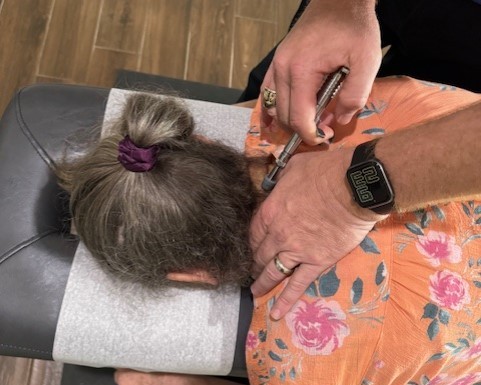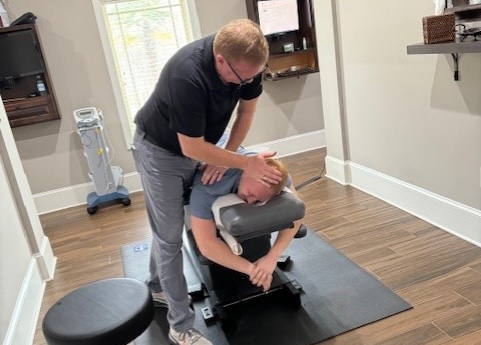

If you’re experiencing back pain, you’re certainly not alone. Many individuals face discomfort that can hinder their daily activities. The good news is that there are natural and effective ways to alleviate this pain, and chiropractic care stands out as a leading choice for achieving relief and enhancing overall wellness.
Focusing on your posture is one of the most fundamental steps you can take. Maintaining proper alignment helps reduce strain on your spine and surrounding muscles. A chiropractor can guide you in understanding how to sit, stand, and move in ways that support your back health.
Strengthening your core is also essential. Your core muscles play a crucial role in maintaining stability and support for your spine. Simple exercises like planks, bridges, and pelvic tilts can help build strength without putting undue pressure on your back. A chiropractor can recommend specific exercises tailored to your needs.
Incorporating simple lifestyle changes can further aid in alleviating back pain. Consider taking regular breaks from sitting, especially if you have a desk job. Gentle stretching throughout the day can relieve tension and improve flexibility. Staying active with low-impact activities such as walking, swimming, or yoga can also promote a healthier back.
As you embark on your journey toward relief, it’s crucial to remember that chiropractic care is not just about pain relief—it’s about achieving optimal health. A chiropractor can provide personalized assessments and adjustments to help restore balance to your spine and improve your overall well-being.
By embracing these strategies and prioritizing chiropractic care, you can take significant steps toward a pain-free, healthier life. Let’s explore some effective techniques that can truly make a difference in your journey to wellness.
Maintain Good Posture
One simple yet effective way to alleviate back pain is by maintaining good posture, a fundamental principle that aligns perfectly with chiropractic care. When you sit or stand, aim to align your ears over your shoulders and your shoulders over your hips. This alignment is crucial as it reduces strain on your spine, allowing it to function optimally.
If you find yourself sitting for extended periods—perhaps at a desk or while watching TV—ensure your feet rest flat on the floor and your knees create a right angle. Choosing a chair with proper lumbar support can make a significant difference in keeping your lower back well-supported. It’s amazing how a little adjustment can lead to a lot of relief!
When standing, remember to distribute your weight evenly on both feet and avoid locking your knees. Keeping your shoulders relaxed and your head held high promotes a natural alignment that’s key to spinal health. A helpful tip is to use a mirror to check your posture throughout the day. It’s easy to slip into bad habits without even noticing!
Incorporating regular breaks to stretch can also serve as a reminder to maintain that ideal posture. Simple stretches can help keep your muscles flexible and support your spine’s alignment. By consciously addressing your posture, you can significantly reduce your back pain and enhance your overall well-being.
As a chiropractor, I emphasize that maintaining good posture isn’t just about comfort; it’s a vital part of supporting your spine’s health.
Strengthen Your Core
Strengthen Your Core for Better Back Health
A strong core is vital for relieving back pain, as it plays a crucial role in supporting your spine and helping you maintain good posture. By focusing on core strength, you can alleviate discomfort and improve your overall well-being.
While chiropractic care is an excellent way to address pain at its source and promote natural healing, strengthening your core can be a beneficial addition to your wellness routine. Here are four simple yet effective exercises to help you build a stronger core:
- Planks: Start by holding a plank position for 30 seconds. This exercise engages multiple muscle groups and helps stabilize your spine. As you get stronger, gradually increase your hold time.
- Bridges: Lie on your back with your knees bent and feet flat on the floor. Lift your hips toward the ceiling while engaging your glutes. This exercise strengthens your lower back and helps support proper alignment.
- Dead Bugs: Lie on your back and extend one arm and the opposite leg while keeping your core engaged. Alternate sides to enhance stability and coordination. This movement promotes balance and strengthens your core without straining your back.
- Russian Twists: Sit on the floor with a slight lean back, and twist your torso from side to side. This exercise targets your obliques and helps improve rotational strength, which is beneficial for daily activities.
Incorporating these exercises into your routine can empower you to manage back pain effectively and lead a more active life.
Remember, strengthening your core is a vital step toward achieving relief and enhancing your overall health. Regular chiropractic visits can further support your journey to optimal health, addressing any spinal misalignments that may contribute to discomfort.
Embrace a holistic approach to wellness by combining core strengthening with chiropractic care for the best results!
Incorporate Stretching Routines
Incorporating stretching routines is essential for improving your flexibility and relieving back pain, and as a chiropractor, I can’t emphasize enough the benefits of integrating these practices into your daily life. Effective stretching techniques not only ease tension in your muscles but also enhance your mobility, which is crucial for maintaining a healthy spine.
Stretching can be a wonderful complement to chiropractic care, helping to keep your muscles relaxed and your body aligned. Here are a few simple tips to seamlessly integrate stretching into your daily routine:
- Morning Stretching: Start your day with gentle stretches to wake up your muscles and prepare your spine for the day ahead. Simple stretches like the cat-cow pose or torso twists can help increase flexibility and reduce stiffness.
- Set Reminders: If you have a desk job, set reminders to take short breaks every hour. During these breaks, perform a few quick stretches such as shoulder rolls or neck tilts to relieve tension and keep your spine in good alignment.
- Incorporate Stretching into Daily Activities: While watching TV or reading, take a few moments to stretch out your back and legs. Simple stretches like seated forward bends or standing hamstring stretches can easily fit into your leisure time.
- Focus on Your Breathing: As you stretch, remember to breathe deeply. This not only helps you relax but also enhances the benefits of each stretch by allowing your muscles to release tension.
- Listen to Your Body: Always pay attention to how your body feels while stretching. If you experience pain, ease off the stretch. Your body knows best, and it’s important to avoid pushing yourself too hard.
By incorporating these stretching techniques into your daily routine, you can enhance the effectiveness of your chiropractic care and promote natural healing within your body.
Importance of Flexibility
While many individuals often turn to strength training for relief from back pain, it’s crucial to remember that flexibility is equally important for maintaining a healthy spine. As a chiropractor, I want to emphasize how incorporating flexibility into your daily routine can significantly enhance your comfort and mobility.
Here are four compelling reasons why focusing on flexibility is essential:
- Increased Range of Motion: When you work on your flexibility, you’ll find that your movements become smoother and more fluid. This can help reduce stiffness, allowing you to go about your daily activities with less discomfort.
- Improved Posture: Regular stretching can aid in aligning your spine, which alleviates unnecessary pressure on your back. Good posture is vital not only for your spine health but also for your overall well-being.
- Reduced Risk of Injury: By maintaining flexible muscles and joints, you lower your chances of strains and tears. This is particularly important for those who are active or lead a physically demanding lifestyle.
- Enhanced Relaxation: Stretching isn’t just about physical benefits; it also promotes relaxation. By easing tension in your body, you can help mitigate the pain that often accompanies stress and tight muscles.
Incorporating simple stretching routines into your day can make a remarkable difference in how you manage and prevent back pain.
Remember, chiropractic care is a natural and effective way to achieve optimal health and wellness. By prioritizing flexibility and seeking regular chiropractic adjustments, you can support your spine and overall health in a holistic way.
Take care of your body, and it will take care of you!
Effective Stretching Techniques
As a local chiropractor, I want to share five effective stretching techniques that can significantly enhance your flexibility and help alleviate back pain, promoting a healthier lifestyle.
These stretches not only support your spine but also complement the benefits of chiropractic care.
- Cat-Cow Stretch: This gentle movement flexes and extends your spine, promoting spinal mobility. Start on your hands and knees, arching your back up like a cat and then dropping your belly while lifting your head like a cow. This can help release tension and improve your posture.
- Child’s Pose: This stretch is fantastic for releasing lower back tension. Kneel on the floor, sit back on your heels, and stretch your arms forward on the ground. This position helps elongate the spine and relaxes your back muscles.
- Seated Forward Bend: Sitting with your legs extended, slowly reach for your toes. This stretch not only helps in loosening your hamstrings but also supports your lower back, making it a great addition to your routine.
- Standing Side Stretch: Stand tall and reach one arm overhead while leaning to the opposite side. This opens up your torso and enhances lateral flexibility, which is essential for maintaining a well-aligned spine.
- Spinal Twist: While seated or lying down, gently twist your torso to one side and then the other. This stretch enhances spinal mobility and can relieve tightness in your back, making it easier for you to move through your day.
Aim to hold each stretch for 15-30 seconds, breathing deeply to maximize relaxation. Incorporating these stretches into your daily routine can lead to reduced discomfort and increased ease in your movements.
Remember, consistency is key! Regularly practicing these techniques can complement your chiropractic care, helping you achieve optimal health and wellness naturally.
Chiropractic care focuses on the alignment of your spine and overall body health, making it the best choice for pain relief and natural wellness.
By integrating these stretches with regular chiropractic adjustments, you can support your body’s healing process and maintain a more active, pain-free lifestyle.
Always listen to your body, and if you experience any discomfort while stretching, consult your chiropractor for personalized advice.
Apply Heat or Cold Therapy
Applying heat or cold therapy can significantly alleviate back pain, especially when you focus on the specific area that’s bothering you. Both methods can provide relief, but understanding when to use each one is essential for optimal recovery.
- Heat therapy is fantastic for relaxing tight muscles and enhancing blood circulation. A warm towel or heating pad can offer soothing relief, making you feel more comfortable and promoting healing in the injured area.
- Cold therapy works wonders by numbing soreness and reducing inflammation. An ice pack, wrapped in a cloth to protect your skin, can be particularly effective right after an injury or during a flare-up of pain.
- Switching between heat and cold can be a powerful strategy. This technique helps to ease tension and supports the healing process by stimulating blood flow while reducing swelling.
- Listen to your body. If you find one method brings you more comfort than the other, go with that. Everyone’s body reacts differently, and finding what works best for you is key to a successful recovery.
While incorporating these therapies, remember that chiropractic care is a holistic approach that targets the root cause of your pain, offering long-lasting relief.
Regular adjustments can enhance your body’s natural healing processes, ensuring that you not only feel better but also maintain optimal health.
If you’re struggling with back pain, consider visiting a chiropractor for personalized care and guidance tailored to your specific needs.
Stay Active With Low-Impact Exercises
Staying active with low-impact exercises can be a game-changer for managing back pain and enhancing your overall well-being. As a chiropractor, I believe that these activities not only help reduce discomfort but also promote strength and flexibility, which are essential for a healthy spine. Let’s explore some effective exercises and practical tips to help you stay committed to your wellness journey.
- Walking: One of the simplest yet most effective exercises is walking. It’s low-impact and great for maintaining mobility. Aim for a brisk 20-30 minute walk a few times a week. Remember to wear supportive shoes to protect your spine.
- Swimming: The buoyancy of water supports your body, making swimming an excellent choice for those with back pain. Try gentle strokes, such as the backstroke or breaststroke, to engage your muscles without putting stress on your spine.
- Yoga: Incorporating gentle yoga stretches can improve flexibility and strengthen your core. Focus on poses that promote spinal alignment, such as Cat-Cow or Child’s Pose. Always listen to your body and avoid any positions that cause discomfort.
- Cycling: Whether on a stationary bike or outdoors, cycling is a fantastic low-impact exercise that strengthens your legs while keeping your back supported. Adjust your seat height to ensure proper posture as you ride.
- Strength Training: Using light weights or resistance bands can help build muscle strength. Focus on exercises that target your core, as a strong core supports your spine. Simple exercises like seated rows or glute bridges can be very effective.
Tips for Consistency:
- Set a Schedule: Plan your workouts just like any other important appointment. Consistency is key to seeing improvements.
- Listen to Your Body: If something doesn’t feel right, don’t push through the pain. Modify the exercise or consult with your chiropractor for guidance.
- Stay Hydrated: Drinking plenty of water before, during, and after exercise helps keep your muscles flexible and supports recovery.
- Incorporate Movement into Daily Life: Look for opportunities to move more throughout your day—take the stairs, do light stretches while watching TV, or stand up during phone calls.
Remember, chiropractic care is a vital part of maintaining a healthy spine and overall wellness. Regular adjustments can enhance your body’s ability to heal naturally, allowing you to enjoy these low-impact exercises without discomfort.
If you’re dealing with persistent back pain, I encourage you to schedule an appointment to discuss how chiropractic care can help you achieve optimal health. Let’s work together to keep you active and pain-free!
Benefits of Low-Impact Activities
While many individuals worry that exercise might worsen their back pain, incorporating low-impact activities can actually offer significant relief and contribute to your overall wellness. These gentle exercises are easy on your joints and muscles, allowing you to remain active without the risk of injury.
As a local chiropractor, I want to highlight the benefits of low-impact activities and how they can complement your journey towards optimal health:
- Reduced Pain: Engaging in low-impact exercises can alleviate tension in your back, leading to less discomfort. This helps you manage pain naturally, minimizing reliance on medications.
- Improved Flexibility: These activities enhance your range of motion, making daily tasks easier and more manageable. Improved flexibility can also support better spinal alignment, which is crucial for long-term health.
- Boosted Mood: Physical activity releases endorphins, which can enhance your mood and energy levels. A better mood can lead to a more active lifestyle, further supporting your spine and overall well-being.
- Strengthened Core: Low-impact exercises often engage your core muscles, providing better support for your spine. A strong core is essential for maintaining good posture and preventing future back pain.
Incorporating these activities into your daily routine can lead to noticeable improvements in how you feel.
Remember, chiropractic care is a natural approach to pain relief and wellness. By aligning your spine and enhancing your overall health, you can experience the full benefits of low-impact exercise.
Consider speaking with your chiropractor about specific low-impact activities that are right for you. Embrace these gentle exercises, and you’ll likely feel the difference in no time!
Recommended Exercises to Try
If you’re looking to stay active while being mindful of your back, I’m here to share some low-impact exercises that can help you maintain your fitness and support your spine.
As a chiropractor, I believe that movement is key to natural healing and overall wellness, and these activities can be wonderful additions to your routine.
Swimming is a fantastic option. The buoyancy of the water alleviates pressure on your joints, allowing you to engage in a full-body workout without straining your back. Plus, it’s refreshing and enjoyable!
Cycling, whether on a stationary bike or enjoying the outdoors, is another great way to strengthen your legs and core. It allows you to get your heart rate up while being gentle on your back.
Yoga is excellent for improving flexibility and relieving tension. Look for classes that focus on gentle stretches and poses, which can enhance your overall mobility and comfort.
Pilates also comes highly recommended, as it emphasizes core strength and stability. A strong core supports your spine and can lead to better posture and less discomfort.
Lastly, don’t underestimate the power of walking. It’s a simple yet effective way to keep your body active. Aim for brisk walks to engage your muscles and promote circulation.
Incorporating these exercises into your routine can be beneficial for managing back pain and improving your overall well-being.
Remember, chiropractic care is an excellent way to support your body’s natural healing processes. Regular adjustments can help align your spine, enhance your mobility, and ensure you’re getting the most out of your exercise routine.
If you have any concerns or need personalized guidance, don’t hesitate to reach out to your local chiropractor. Your journey to optimal health starts with taking care of your spine!
Tips for Staying Consistent
Consistency is crucial for maintaining an active lifestyle, particularly when it comes to low-impact exercises that can support your spine and overall well-being. Staying committed to your fitness routine might seem challenging at times, but by adopting a few simple habits, you can greatly enhance your chances of sticking with it.
Here are some helpful tips to keep you on track:
- Set a Schedule – Designate specific days and times for your workouts, treating them as important appointments that you can’t miss. This helps create a routine that your body and mind will come to expect.
- Buddy Up – Partner with a friend or family member for your workouts. Having someone by your side not only makes exercising more enjoyable but also keeps you accountable, encouraging you to show up even on days when motivation wanes.
- Mix It Up – Engage in a variety of low-impact exercises to keep your routine fresh and exciting. Whether it’s swimming, walking, or yoga, exploring different activities can help prevent boredom and keep your body challenged.
- Track Your Progress – Pay attention to small victories, such as increased stamina or reduced discomfort in your back. Celebrating these achievements can boost your motivation and reinforce the positive impacts of exercising regularly.
By incorporating these strategies into your life, you’ll find it easier to maintain a consistent workout routine, significantly enhancing your overall health and well-being.
Practice Mindfulness and Relaxation Techniques
As a local chiropractor, I want to share how practicing mindfulness and relaxation techniques can play an essential role in relieving back pain and enhancing your overall health. These methods not only help you manage stress but also reduce the tension in your body that often contributes to discomfort.
One effective technique to incorporate into your daily routine is deep breathing exercises. This simple practice helps center your thoughts and release built-up physical tension, particularly in your back. Take a few moments each day to focus on your breath, inhaling deeply through your nose and exhaling slowly through your mouth. This can help create a sense of calm and ease any discomfort.
Another helpful method is progressive muscle relaxation. This involves tensing and then relaxing different muscle groups throughout your body, with a particular focus on your back. By doing this, you can become more aware of where you hold tension and learn to release it.
Meditation is also a powerful tool for pain relief. Just a few minutes of meditation each day can foster a calm mind and help shift your perception of pain. If you’re unsure where to start, consider using guided meditation apps that can help keep you focused and engaged.
In addition, yoga is a fantastic practice that combines mindfulness with gentle stretching. It can effectively relieve tightness in your back while promoting overall flexibility and strength. Regularly practicing yoga can complement your chiropractic care, helping to maintain the alignment and health of your spine.
By incorporating these mindfulness and relaxation techniques into your life, you’re on a path to not only alleviate your back pain but also improve your overall wellness.
Optimize Your Sleep Environment
To alleviate your back pain, it’s essential to start with the right mattress that provides proper support for your body. A quality mattress can significantly enhance how you feel each morning, helping you wake up refreshed and ready to take on the day.
Additionally, adjusting your pillow height is crucial for maintaining spinal alignment throughout the night. The goal is to keep your neck in line with your spine, reducing strain and promoting a restful sleep.
Remember, investing in your sleep environment is an important step toward better health and wellness. As a chiropractor, I often emphasize the importance of spinal health in achieving overall well-being. Proper sleep supports your body’s natural healing processes, allowing you to recover and thrive.
Incorporating chiropractic care into your routine can also be a powerful way to manage pain and enhance your quality of life. Regular adjustments can help align your spine, improve your posture, and reduce discomfort, leading to more restful nights and energetic days.
Choose the Right Mattress
A good mattress is crucial for alleviating back pain and ensuring a restorative night’s sleep. As a chiropractor, I understand that the right mattress can significantly contribute to your overall health and wellness. When selecting a mattress, consider these important factors to help you wake up feeling refreshed and pain-free:
- Support: It’s vital to choose a mattress that promotes proper spinal alignment. This helps reduce pressure on your back and can enhance your overall comfort. A mattress that supports your spine can work in tandem with chiropractic care to keep your body aligned.
- Firmness: The firmness level of your mattress should match your personal comfort preferences. If a mattress is too soft, you might find yourself sinking, which can lead to misalignment. Conversely, a mattress that’s too firm may cause discomfort. Finding that sweet spot is essential for your spinal health.
- Material: High-quality materials, such as memory foam or hybrid designs, can contour to your body while still providing adequate support. These materials not only enhance comfort but can also help maintain proper posture during sleep, which is crucial for reducing back pain.
- Durability: Investing in a durable mattress is essential. A worn-out mattress can worsen back pain and lead to other health issues. Look for mattresses with good warranties, as they often indicate a product designed to stand the test of time.
Remember, while a suitable mattress is important, it works best alongside regular chiropractic care. Chiropractic adjustments can help improve spinal alignment, reduce pain, and promote overall wellness.
Prioritize your health by considering these tips when selecting your mattress, and don’t hesitate to reach out for chiropractic support to enhance your healing journey.
Adjust Pillow Height
Adjusting your pillow height is a crucial step toward achieving better sleep quality and alleviating back pain. A pillow that’s too high or too low can create unnecessary stress on your neck and spine, leading to discomfort over time.
As a chiropractor, I emphasize the importance of proper spinal alignment. When you lie down, your head should be in line with your spine to maintain a neutral position.
If you tend to sleep on your back, a thinner pillow is beneficial as it helps prevent your head from tilting upward. On the other hand, if you’re a side sleeper, a firmer and thicker pillow is essential to keep your neck aligned straight with your spine.
Don’t hesitate to explore different types of pillows—memory foam, latex, or even a combination of pillows—to discover what works best for you.
Remember, every small adjustment can lead to significant improvements in your comfort and overall health. By fine-tuning your pillow height, you not only enhance your sleep experience but also support your spine, which can ease back pain throughout the night.
Incorporating these simple changes can make a big difference.
And while you’re focusing on your sleep environment, consider regular chiropractic care to further support your spinal health and overall wellness. A chiropractor can provide personalized advice and treatments that promote natural healing and help you achieve optimal health.
Stay Hydrated and Maintain a Balanced Diet
As a local chiropractor, I want to share some valuable insights on how staying hydrated and maintaining a balanced diet can significantly improve your overall health and help alleviate back pain.
When your body is well-nourished, it promotes muscle function and reduces inflammation, both of which are crucial for easing discomfort and supporting your spine.
Here are four simple strategies to ensure you’re staying hydrated and eating well:
- Drink Plenty of Water: Aim for at least 8 cups a day. Staying well-hydrated helps keep your spinal discs nourished and functioning correctly, which is essential for preventing pain.
- Choose Whole Foods: Fill your plate with a variety of colorful fruits, vegetables, whole grains, and lean proteins. These foods provide the essential nutrients your body needs to heal and perform optimally, supporting your chiropractic care.
- Limit Processed Foods: Be mindful of your intake of sugary snacks and unhealthy fats. These can lead to increased inflammation and discomfort. Instead, opt for natural, whole food alternatives that can enhance your health and well-being.
- Monitor Portions: Eating balanced meals in moderation helps maintain a healthy weight. This is important, as extra weight can put unnecessary strain on your back and spine, leading to pain.
Remember, chiropractic care works hand-in-hand with these healthy lifestyle choices to support your journey toward optimal health.
By nourishing your body and staying hydrated, you empower your spine to function at its best, allowing you to live a pain-free life.
Always consult with your chiropractor for personalized advice on how to enhance your wellness journey!
Consider Alternative Therapies
Building a solid foundation through hydration and nutrition is essential for a healthy body and can significantly enhance your journey toward relieving back pain. While exploring alternative therapies, I want to emphasize that chiropractic care stands out as one of the most effective and natural ways to achieve optimal health and pain relief.
Chiropractic adjustments are specifically designed to align your spine and improve mobility, providing you with immediate relief from discomfort. This hands-on approach addresses the root causes of back pain rather than just masking the symptoms, allowing your body to heal naturally.
In addition to chiropractic care, other complementary therapies can also support your healing journey. For example, massage therapy can reduce muscle tension and boost circulation, which can work hand-in-hand with chiropractic adjustments.
Gentle practices like yoga and tai chi can improve flexibility and strengthen your core, making your spine more resilient and reducing the likelihood of future pain.
If you’re considering herbal remedies, natural options like turmeric and ginger may help reduce inflammation, but it’s essential to consult with a healthcare professional before adding supplements to your routine.
Remember, always prioritize chiropractic care as your first line of defense against back pain. By focusing on natural healing and healthier living, you can create a holistic approach to managing your pain effectively.
Here are a few general tips to keep in mind:
- Stay hydrated: Drinking plenty of water can help maintain spinal health and keep your muscles functioning optimally.
- Practice good posture: Being mindful of your posture can reduce strain on your back and help you avoid pain.
- Incorporate gentle stretching: Regular stretching can improve flexibility and prevent stiffness.
- Listen to your body: Pay attention to what feels good and what doesn’t; your body has a way of signaling its needs.
Listen to Your Body and Rest When Needed
Listening to your body is vital for effectively managing back pain and achieving optimal health. Recognizing when to rest and recover can prevent prolonged discomfort and further injuries. As a chiropractor, I encourage you to pay attention to your body’s signals. When fatigue or pain arises, it’s essential to take a moment to evaluate your needs.
Here are four signs that indicate it’s time to listen to your body and prioritize your well-being:
- Persistent Pain: If you notice that your pain doesn’t ease up with movement, it’s a clear signal to take a break and allow your body to heal.
- Fatigue: Experiencing excessive tiredness can mean your body is asking for some downtime. Rest will help recharge your energy and support recovery.
- Muscle Spasms: Frequent muscle spasms are a sign that your muscles are overworked. Giving them the rest they need can help restore balance and reduce discomfort.
- Reduced Mobility: If you’re finding it difficult to move freely, this is a warning sign. It’s essential to listen to your body and give it the time it needs to recuperate.
Incorporating regular chiropractic care into your routine can also help maintain your spine’s health and promote natural healing.
By focusing on gentle adjustments, we can support your body’s healing process and enhance your overall wellness.
Conclusion
As your local chiropractor, I want to share with you ten effective steps to alleviate back pain naturally and enhance your overall well-being. By prioritizing spinal health, you can take control of your discomfort and pave the way for a healthier life.
- Maintain Good Posture: Start by being mindful of your posture throughout the day. Whether you’re sitting at a desk or standing, keeping your spine aligned can significantly reduce strain on your back.
- Strengthen Your Core: A strong core supports your spine. Incorporate exercises like planks and bridges into your routine to build strength and stability.
- Incorporate Stretching: Regular stretching can help improve flexibility and relieve tension in your muscles. Simple stretches for your back, hips, and legs can work wonders.
- Stay Active with Low-Impact Exercises: Activities like walking, swimming, or cycling are great for keeping your body moving without putting excessive strain on your back. Aim for at least 30 minutes of activity most days.
- Prioritize Hydration: Drinking plenty of water is essential for maintaining the health of your spinal discs. Staying hydrated helps keep your spine lubricated and functioning properly.
- Focus on a Balanced Diet: Eating a diet rich in fruits, vegetables, lean proteins, and whole grains supports overall health and can aid in reducing inflammation.
- Explore Alternative Therapies: Consider incorporating chiropractic care into your wellness routine. Regular adjustments can help align your spine and relieve pain naturally.
- Listen to Your Body: Pay attention to how your body feels. If you experience discomfort during an activity, it’s important to stop and rest. Ignoring pain can lead to further issues.
- Practice Mindfulness and Relaxation Techniques: Stress can contribute to muscle tension. Techniques such as deep breathing, meditation, or yoga can help relax your mind and body.
- Commit to Consistency: Making these practices a regular part of your life will yield the best results. Consistency is key to achieving lasting relief from back pain.
By incorporating these steps into your daily routine and considering chiropractic care, you’re taking a proactive approach to your back health. Remember, you have the power to live a pain-free life through natural methods. If you have any questions or need personalized advice, don’t hesitate to reach out to your chiropractor for guidance. Together, we can work towards your optimal health!