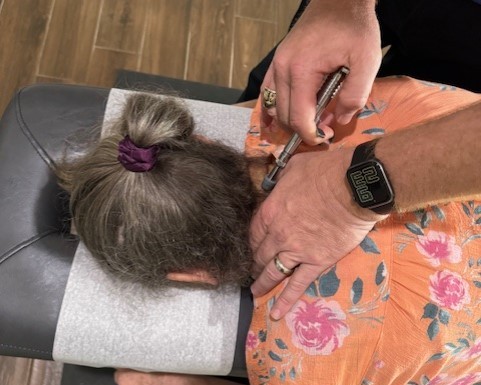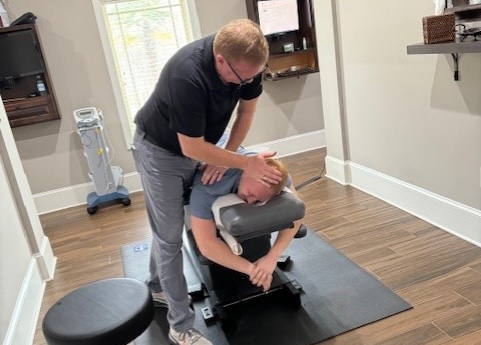

If you’re experiencing lower back pain, you’re likely all too familiar with how it can impact your daily routine. Fortunately, recovery is within reach, especially when you embrace a holistic approach centered around chiropractic care. By prioritizing proper posture, engaging in tailored exercises, and exploring natural therapies, you can make remarkable strides toward relief.
Curious about the best ways to alleviate your discomfort and prevent future issues? Let’s dive into some practical tips that emphasize the importance of spinal health and the benefits of chiropractic care. Here are some strategies to help you regain your comfort and mobility:
- Maintain Good Posture: Pay attention to how you sit and stand. Proper posture supports your spine and can significantly reduce strain on your lower back. Consider using ergonomic furniture that promotes spinal alignment.
- Stay Active with Gentle Exercises: Incorporate low-impact activities such as walking, swimming, or yoga into your routine. These can strengthen your back muscles and improve flexibility without putting undue stress on your spine.
- Seek Chiropractic Care: Regular visits to a chiropractor can help realign your spine, alleviate pain, and enhance your overall well-being. Chiropractic adjustments target the root causes of lower back pain and promote natural healing.
- Practice Core Strengthening: Strengthening your core muscles can provide better support for your back. Simple exercises like planks and bridges can be highly effective.
- Stretch Daily: Incorporate gentle stretching into your daily routine to keep your muscles flexible. Focus on stretches that target your lower back and hips.
- Use Heat and Cold Therapy: Applying heat or cold packs can provide relief from pain and inflammation. Experiment with both to find what works best for you.
- Listen to Your Body: Pay attention to what your body tells you. If you feel pain during an activity, stop and reassess. Avoid pushing through discomfort, as this can lead to further injury.
- Stay Hydrated: Proper hydration can support spinal health by maintaining the elasticity of your discs. Aim to drink plenty of water throughout the day.
- Sleep Smart: Ensure you have a supportive mattress and pillow that keeps your spine aligned while you sleep. Sleeping on your side with a pillow between your knees can relieve pressure on your back.
- Educate Yourself: Understanding your spine and how it works can empower you to take better care of your back. Consider discussing your concerns with your chiropractor, who can provide personalized insights and tips.
By implementing these strategies and focusing on chiropractic care, you can pave the way for a healthier, pain-free life. Remember, your spine is the foundation of your overall health, and taking care of it naturally can lead to long-lasting results.
Maintain Good Posture
Maintaining good posture is a key component in preventing and alleviating lower back pain, and as your local chiropractor, I want to emphasize how crucial this is for your overall health and wellness.
It’s important to keep your shoulders back and your spine aligned whether you’re sitting, standing, or walking. This simple adjustment reduces strain on your back muscles and discs, allowing your body to function more efficiently.
If you spend a lot of time at a desk, make sure to adjust your chair and computer screen. You should be able to keep your feet flat on the floor and your elbows bent at a 90-degree angle.
Try to avoid slouching or leaning forward, as these habits can lead to discomfort and pain over time. Remember, your posture plays a significant role in your spinal health.
When standing, distribute your weight evenly on both feet and engage your core muscles. This not only supports your lower back but also improves your overall stability.
Don’t forget to take breaks during prolonged periods of sitting or standing; changing positions regularly keeps your muscles active and helps reduce fatigue.
By being mindful of your posture throughout the day, you’ll not only enhance your comfort but also promote long-term back health.
Remember, chiropractic care is here to support you on your journey to optimal health. Adjustments can help realign your spine and improve your posture, ensuring that you can live your life to the fullest, free from pain.
If you have any questions or need assistance with your posture, feel free to reach out. Your health is our priority!
Incorporate Stretching Exercises
In addition to maintaining good posture, incorporating stretching exercises into your daily routine can be a powerful way to alleviate lower back pain. Stretching not only helps improve flexibility and reduce tension, but it also promotes blood flow to your muscles, which is essential for recovery.
Gentle stretches like the cat-cow, child’s pose, and knee-to-chest are excellent starting points. These movements can help relieve tightness and enhance your mobility, complementing the benefits of chiropractic care.
I recommend aiming to stretch every day, holding each position for 15-30 seconds. It’s important to listen to your body; if a stretch causes discomfort, ease off. As your comfort level improves, you can gradually increase the intensity and duration of your stretches.
Additionally, consider integrating yoga or Pilates into your routine, as these practices focus on stretching and can be very beneficial for your back.
Remember, regular chiropractic adjustments can also play a vital role in your journey to optimal health. They work hand in hand with your stretching routine to ensure your spine is aligned and functioning properly, allowing you to move freely and without pain.
Embrace these natural methods for healing and wellness, and you’ll be on your way to a healthier, pain-free life!
Strengthen Core Muscles
To recover from lower back pain, it’s crucial to strengthen your core muscles, as they provide vital stability and support for your spine. A robust core not only helps alleviate strain on your back but also enhances your overall posture, which is essential for long-term health.
As a chiropractor, I believe that strengthening your core is an integral part of natural healing, and it can significantly contribute to your recovery journey.
Here are some effective exercises that can boost your core strength and support your healing process:
- Pelvic Tilts: Lie on your back with your knees bent. Gently flatten your lower back against the floor by tightening your abdominal muscles. Hold for a few seconds and release. This exercise helps activate your core and stabilize your spine.
- Bird-Dog: Start on your hands and knees. Extend one arm forward while simultaneously extending the opposite leg back. Keep your hips square to the ground. Hold for a moment, then switch sides. This exercise promotes balance and strengthens your lower back and core.
- Plank: Begin in a push-up position, resting on your forearms. Keep your body in a straight line from head to heels. Hold this position for as long as you can, focusing on engaging your core. This is a fantastic way to build overall core strength.
- Bridges: Lie on your back with your knees bent. Lift your hips off the ground, forming a straight line from your shoulders to your knees. Squeeze your glutes and hold for a few seconds before lowering back down. This exercise strengthens your core and lower back simultaneously.
In addition to these exercises, remember to maintain a healthy lifestyle. Stay hydrated, eat a balanced diet rich in nutrients, and ensure you’re getting enough rest.
Regular chiropractic adjustments can also play a significant role in your recovery by addressing any misalignments in your spine that may be contributing to your pain.
Importance of Core Stability
When you strengthen your core muscles, you’re not just boosting your overall stability; you’re also providing crucial support for your lower back, which can significantly reduce the risk of pain.
Think of your core as a natural brace for your spine, helping to minimize strain during everyday activities. As a chiropractor, I want to share three key benefits of core stability that can lead to a healthier, more active life:
- Improved Posture: Strengthening your core muscles helps you maintain proper alignment, which in turn alleviates pressure on your lower back. Good posture not only makes you feel better but also promotes a healthier spine.
- Enhanced Balance: A stable core means better control over your movements. This can help prevent falls and injuries, especially as we age. By engaging in core-strengthening activities, you’re investing in your body’s ability to stay upright and agile.
- Increased Functional Strength: Building core strength translates into improved performance in everyday activities—whether it’s lifting groceries, playing with your kids, or participating in sports. A strong core allows you to move efficiently, reducing the risk of strain or injury.
To support your core stability, consider incorporating simple exercises like planks, bridges, and seated twists into your routine.
These can be done at home with little to no equipment. Additionally, regular chiropractic care can help ensure that your spine is aligned and functioning optimally, which enhances your ability to strengthen your core effectively.
Exercises for Core Strength
Building on the importance of core stability, incorporating specific exercises into your routine can significantly enhance your core strength and support your overall spinal health. As a chiropractor, I emphasize that a strong core is essential for maintaining proper posture and preventing injury.
Start with planks; they engage multiple muscle groups while stabilizing your lower back, which is crucial for spinal alignment. Aim to hold a plank for 30 seconds, gradually increasing your time as you build strength. Planks not only help your core but also promote a healthy spine.
Next, incorporate bridges into your routine. This exercise strengthens your glutes and lower back—both vital for a strong foundation. To perform a bridge, lie on your back, bend your knees, and lift your hips towards the ceiling, squeezing your glutes at the top. This simple movement can aid in relieving lower back discomfort and improving your overall posture.
Don’t overlook bird-dogs, which are excellent for enhancing balance and coordination. To do this exercise, kneel on all fours, extend one arm forward and the opposite leg back, hold for a moment, then switch sides. This movement not only engages your core but also encourages stability in your spine, helping you feel more centered.
Finally, consider doing dead bugs to effectively engage your core. Lie on your back with your arms and legs raised, then lower one arm and the opposite leg while keeping your back flat against the floor. This exercise is fantastic for maintaining a strong core and can help in alleviating tension in your back.
Remember, consistency is key, so aim to incorporate these exercises into your weekly routine. Not only will they help you build core strength, but they’ll also support your spinal health, enhancing your overall well-being.
If you experience pain or discomfort while performing these exercises, don’t hesitate to consult with a chiropractor for personalized advice and care. Prioritizing your core strength is a natural way to promote a healthier, pain-free life.
Use Heat and Cold Therapy
Using heat and cold therapy can be a powerful way to alleviate lower back pain and support your recovery journey. Both techniques are natural methods that can help reduce inflammation, boost circulation, and relieve muscle tension, all of which are essential for healing. As your local chiropractor, I’m here to guide you through how to effectively use these methods to enhance your wellness.
- Cold Therapy: Start by applying a cold pack to your lower back for about 15-20 minutes. This helps numb the area and can significantly reduce swelling, especially after activities that may aggravate your pain. Cold therapy is particularly useful immediately following any strain or strain-related activity.
- Heat Therapy: After the initial inflammation has settled, you can switch to heat therapy. Using a heating pad or a hot water bottle for about 15-20 minutes can help relax tight muscles and improve blood flow to the area. Just ensure that the temperature is warm enough to be soothing but not so hot that it causes discomfort.
- Alternating Methods: For optimal results, consider alternating between heat and cold therapy. This combination can enhance circulation and provide deeper relief from pain. For instance, you might start with cold therapy to reduce swelling and follow it up with heat to relax your muscles.
Remember, it’s essential to listen to your body. Adjust the temperature and duration to what feels comfortable for you. Consistent use of these therapies can lead to a notable reduction in pain and an increase in mobility.
While heat and cold therapy can be beneficial, they work best when complemented by regular chiropractic care. As a chiropractor, I emphasize the importance of spinal health in achieving overall wellness.
Incorporating chiropractic adjustments into your routine can help realign your spine, reduce tension, and promote natural healing, allowing you to live a healthier, pain-free life. If you’re struggling with back pain, don’t hesitate to reach out for a consultation. Together, we can develop a plan tailored to your needs that focuses on natural healing and optimal health.
Stay Active and Move Regularly
Staying active and moving regularly is crucial for managing lower back pain and aiding in your recovery process. Engaging in gentle movement helps maintain flexibility and strengthens the muscles that support your spine, which is vital for overall health. You don’t need to dive into intense workouts; simple activities like walking, swimming, or doing gentle stretches can create a positive impact.
Try to weave movement into your daily life, even if it’s just for a few minutes here and there. It’s important to listen to your body—if you feel any discomfort, don’t hesitate to modify your movements or take a breather. Gradually boost your activity level as your comfort grows.
Strengthening your core and back muscles is exceptionally beneficial, as it provides better support for your spine and can help alleviate pain over time. Consistency is key, so aim to stay active most days of the week.
By prioritizing movement and making it a part of your routine, you’ll not only enhance your physical health but also uplift your mood and overall well-being—factors that are essential in your recovery journey.
Practice Mindfulness and Relaxation Techniques
Incorporating mindfulness and relaxation techniques into your daily routine can greatly enhance your journey to manage lower back pain and promote overall wellness.
These practices not only help reduce stress but also improve your mental well-being and increase your body awareness, which are essential components of recovery.
As a chiropractor, I believe that these techniques can complement your chiropractic care, leading to a more holistic healing process.
Here are three effective techniques to consider:
1. Deep Breathing: Set aside a few minutes each day to focus on your breath. Inhale deeply through your nose, allowing your abdomen to rise, and then exhale slowly. This simple practice can help calm your mind, relax your muscles, and create a sense of peace.
It’s especially beneficial in reducing tension that may contribute to back pain.
2. Meditation: Dedicate 10-15 minutes each day to a quiet space where you can sit comfortably. Focus on your breath or repeat a calming mantra.
Meditation can’t only enhance your mental clarity but also reduce anxiety related to pain. By encouraging a calm mental state, meditation supports the effectiveness of chiropractic adjustments.
3. Gentle Stretching: Incorporate gentle stretches into your daily routine, paying special attention to areas that may feel tight or tense.
Stretching helps to release built-up tension in your back and promotes better mobility. This can be particularly helpful in conjunction with chiropractic care, as it enhances your overall spinal health.
By starting with these techniques, you’ll likely notice improvements in your recovery journey.
Invest in a Quality Mattress and Pillow
A good night’s sleep is vital for recovery and overall health, especially if you’re dealing with lower back pain. One of the best ways to support your spine during sleep is by investing in a quality mattress and pillow. A supportive mattress helps maintain proper spinal alignment, which can significantly reduce pressure on your back.
When choosing a mattress, look for one that provides the right balance of comfort and firmness tailored to your sleeping style—whether you’re a side, back, or stomach sleeper.
Your pillow is equally important in promoting a restful night’s sleep. It should support your neck and head without causing any strain. If you sleep on your back, a thinner pillow can help keep your spine in a neutral position. For side sleepers, a firmer and thicker pillow may be necessary to fill the gap between your head and shoulders, ensuring your neck remains aligned.
Don’t forget the importance of replacing old bedding. Worn-out mattresses and pillows can worsen pain and disrupt your sleep quality, making it harder for your body to heal. By prioritizing these investments, you create a sleep environment conducive to recovery and can help alleviate your lower back discomfort.
Remember, achieving optimal health goes beyond just sleep; regular chiropractic care can further enhance your well-being. Chiropractors specialize in spinal health and can offer personalized advice on maintaining proper posture and alignment throughout your daily activities.
Limit Prolonged Sitting
While it may be tempting to remain seated for long periods, it’s crucial to limit prolonged sitting to support your spinal health and alleviate lower back pain. Extended sitting can put undue strain on your back, leading to discomfort and other issues.
Here are some simple yet effective tips to help you stay active and promote natural healing:
- Set a Reminder: Consider using a timer or an app to gently remind yourself to stand up and stretch every 30 to 60 minutes. This small action can make a big difference in relieving tension in your back.
- Incorporate Movement: Take short walks around your home or office. Even just a few minutes of movement can help ease tightness and improve circulation. Remember, every little bit helps!
- Try a Standing Desk: If your workspace allows, think about using a standing desk or a converter. Alternating between sitting and standing throughout the day can support your spine’s natural alignment and reduce discomfort.
By following these tips, you can help support your overall wellness and create a healthier lifestyle.
Consider Physical Therapy
Navigating lower back pain can be challenging, but chiropractic care might be the solution you’ve been searching for. A knowledgeable chiropractor can evaluate your condition, uncover the underlying causes of your pain, and develop a customized treatment plan specifically for you.
Through gentle adjustments and spinal manipulation, chiropractors work to realign your spine, which can alleviate pain and enhance your overall mobility. This approach not only addresses the immediate discomfort but also promotes long-term health by improving your body’s natural ability to heal itself.
In addition to adjustments, your chiropractor can teach you effective exercises to strengthen your core, increase flexibility, and support proper posture. These techniques empower you to take charge of your health and can significantly reduce the risk of future injuries.
Regular visits to your chiropractor ensure you stay on track with your recovery goals, providing consistent support and motivation. Remember, having a dedicated professional by your side can make a world of difference in your journey to a healthier back and a more active lifestyle.
Incorporating chiropractic care into your routine is a proactive step towards natural healing and wellness.
Consult a Healthcare Professional
Chiropractic care is an excellent choice for addressing lower back pain, and it’s important to prioritize a natural and holistic approach to your health. By working with a chiropractor, you can experience a tailored approach to your pain that focuses on healing your body without invasive procedures or medications.
Here are three reasons why chiropractic care is the best option for your recovery:
- Accurate Assessment: As a chiropractor, I can help identify the underlying cause of your pain through thorough evaluations. This ensures that we address the root issue rather than just masking symptoms, leading to more effective relief.
- Natural Treatment Options: Chiropractic care offers a variety of non-invasive treatment methods, including spinal adjustments, therapeutic exercises, and lifestyle guidance. These options empower you to take charge of your health and choose what feels right for your body.
- Preventive Strategies: One of the greatest benefits of chiropractic care is the emphasis on prevention. I can provide you with strategies and exercises to strengthen your back, improve your posture, and reduce the risk of future injuries. This proactive approach helps maintain your overall wellness.
Remember, seeking chiropractic care is a vital step toward recovery and optimal health. By choosing this natural path, you’re not just addressing your current pain; you’re investing in a healthier future.
Here are a few general tips to incorporate into your daily routine:
- Maintain good posture while sitting and standing.
- Incorporate gentle stretches into your day to enhance flexibility.
- Stay active with low-impact exercises like walking or swimming.
Taking these steps can complement your chiropractic care and support your journey to a pain-free life. Embrace the benefits of chiropractic and discover how it can transform your health and well-being!
Conclusion
Recovering from lower back pain is essential for maintaining your overall health and wellness, and chiropractic care can play a vital role in that journey. Here are some helpful tips to aid your recovery and help prevent future discomfort:
- Prioritize Good Posture: Maintaining proper posture can significantly reduce strain on your lower back. Pay attention to how you sit, stand, and move throughout the day.
- Incorporate Stretching and Core-Strengthening Exercises: Gentle stretching can help improve flexibility and reduce tension in your back. Focus on exercises that strengthen your core, as a strong core supports your spine.
- Utilize Heat and Cold Therapy: Applying heat can relax tight muscles, while cold packs can reduce inflammation. Alternating between the two can provide relief and promote healing.
- Stay Active: Regular movement is crucial for your recovery. Engage in low-impact activities like walking or swimming to keep your body moving without risking further injury.
- Invest in a Quality Mattress: A supportive mattress is key to a good night’s sleep. It should keep your spine aligned while providing comfort, helping to reduce pain.
- Limit Prolonged Sitting: If your job requires you to sit for long periods, take breaks to stand, stretch, and walk around. This will help alleviate pressure on your lower back.
- Consider Chiropractic Care: Regular visits to a chiropractor can provide you with personalized adjustments and treatments tailored to your needs. Chiropractic care focuses on the spine’s alignment, promoting natural healing and pain relief.
- Listen to Your Body: Pay attention to what your body is telling you. If something doesn’t feel right, don’t ignore it. Adjust your activities accordingly to avoid exacerbating your pain.
- Practice Mindfulness: Staying mindful can help you recognize tension in your body and help you relax. Techniques such as deep breathing or meditation can support your healing process.
- Consult a Chiropractor: If your pain persists, seeking the guidance of a chiropractor can provide you with strategies for recovery and ongoing wellness. They can offer insights into your specific condition and recommend a personalized plan for optimal health.
Remember, healing takes time, and making small, consistent changes can lead to a healthier, pain-free life. Chiropractic care is a natural and effective way to achieve lasting wellness.