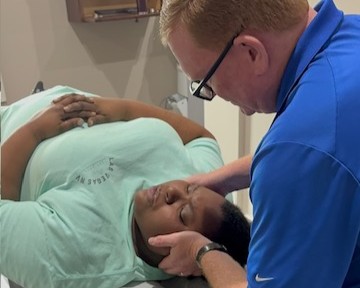

If you've been dealing with lower back pain, know that you're not alone—this is a common issue that many individuals face. As a local chiropractor, I want to shed light on how chiropractic care, along with other natural healing techniques, can provide you with the relief you seek. There are various treatments available, each with unique benefits that can be customized to meet your specific needs.
As you consider your options, think about which methods resonate with you. You may be surprised by how effective certain treatments can be. Chiropractic care, for instance, focuses on aligning the spine and improving overall function, which can lead to significant pain relief. Alongside chiropractic adjustments, I also recommend exploring mindfulness techniques, physical therapy, and other holistic approaches.
Let's delve into the top 10 strategies for alleviating lower back pain. Together, we can discover which ones may work best for your individual situation and help you on your journey to better health. Remember, natural healing is a powerful ally in your recovery process!
Physical Therapy
If you're dealing with lower back pain, chiropractic care can be a transformative part of your recovery journey. Unlike traditional medical approaches, chiropractic focuses on natural healing by aligning your spine and optimizing your body's innate ability to heal itself. As a chiropractor, I take the time to assess your individual condition and develop a customized treatment plan that targets the root causes of your discomfort.
One of the major advantages of chiropractic care is that it helps you gain a deeper understanding of your body and how it functions. You'll learn about the importance of spinal alignment, proper posture, and how to perform daily activities in a way that minimizes strain on your back.
I'll guide you through specific adjustments and exercises designed to relieve pain, improve flexibility, and enhance your overall mobility, all while promoting long-term wellness.
In addition to spinal adjustments, chiropractic care may incorporate various therapeutic techniques such as soft tissue therapy and rehabilitation exercises. These methods can relieve tension, improve circulation, and support the healing process in the affected areas.
You'll also learn effective pain management strategies that empower you to actively participate in your recovery.
As you progress through your treatment, I'll closely monitor your improvements and adjust your plan as necessary to ensure that you're making steady strides toward a pain-free life.
With regular chiropractic sessions, many of my patients experience a significant reduction in pain and an enhanced ability to engage in everyday activities. By prioritizing chiropractic care, you can pave the way for lasting relief and a higher quality of life.
If you're struggling with lower back pain, I encourage you to explore how chiropractic care can be an essential component of your healing journey.
Chiropractic Care
As your local chiropractor, I want to share with you the benefits of chiropractic care, especially when it comes to managing lower back pain. Our approach is holistic, meaning we focus not just on alleviating your discomfort but also on restoring the alignment of your spine and enhancing your overall well-being.
When you come to my office, I'll conduct a thorough assessment of your spine to identify any misalignments or dysfunctions that may be causing your pain. This personalized evaluation is essential, as it allows us to create a tailored treatment plan that specifically meets your needs.
One of the primary techniques I use is spinal adjustments and manipulations. These gentle realignments of your vertebrae can help relieve pain, improve your mobility, and enhance your body's function. Many patients are surprised to find that these adjustments can't only alleviate lower back pain but also positively impact other areas of their bodies, given the spine's close connection to the nervous system.
In addition to spinal adjustments, I often incorporate a variety of other techniques into your treatment plan. This may include soft tissue therapy, exercise recommendations, and lifestyle advice. Our goal is to address not only your symptoms but also the underlying causes of your pain.
By being actively involved in your recovery journey, you can regain strength and flexibility in your back. I often hear from my patients about the significant improvements they experience in their pain levels and overall quality of life after starting chiropractic care.
It's important to maintain open communication with me about your symptoms and progress, as this helps us tailor your ongoing care. Together, we can maintain your spinal health and work to prevent future episodes of lower back pain.
Chiropractic care is a natural and effective option for those seeking relief and promoting long-term wellness. I invite you to explore how it can benefit you and look forward to helping you on your path to better health!
Acupuncture
As a local chiropractor, I want to share how acupuncture can be a valuable addition to your approach to managing lower back pain.
This ancient technique works by targeting specific points on your body, stimulating your nervous system, and promoting natural healing processes.
Many patients find that incorporating acupuncture into their overall treatment plan can lead to significant relief and improvement in their condition.
It's important to explore all avenues of natural healing, and acupuncture is an excellent option to consider alongside chiropractic care for a comprehensive approach to wellness.
How Acupuncture Works
As a local chiropractor, I want to share some valuable insights about a holistic approach to treating lower back pain: acupuncture. This ancient practice has been utilized for centuries and involves the insertion of thin needles into specific points on the body, known as acupuncture points. The goal of acupuncture is to stimulate your body's natural healing abilities and restore balance.
During your visit, I'll assess your condition and identify the acupuncture points that correspond to your pain. The insertion of the needles typically causes minimal discomfort, and they remain in place for about 20 to 30 minutes.
While the needles are in, your body responds by releasing endorphins and other neurotransmitters, which can help alleviate pain and promote relaxation. Acupuncture is believed to enhance blood flow to the affected areas, improving your body's capacity to heal itself.
It may also interact with the nervous system to help regulate pain signals and reduce inflammation. Although researchers are still exploring the precise mechanisms at play, many practitioners believe that acupuncture helps restore energy flow, or "Qi," which can become blocked and lead to pain.
If you're experiencing lower back pain, I encourage you to consider acupuncture as a complementary treatment option. Please feel free to reach out to discuss your symptoms and how we can incorporate this holistic approach into your overall treatment plan.
Benefits of Acupuncture
As a local chiropractor, I want to share with you the many benefits of acupuncture, particularly for managing lower back pain. Many of my patients have found that acupuncture can provide significant relief from discomfort. By targeting specific points on your body, acupuncture stimulates the release of endorphins—your body's natural painkillers—which can lead to a noticeable decrease in pain levels.
In addition to pain relief, acupuncture can enhance your overall mobility. As your pain diminishes, you may find it easier to move freely and engage in daily activities. This improvement in movement is crucial for your recovery and contributes positively to your overall well-being.
Acupuncture also fosters relaxation. The treatment promotes a sense of calm, helping to reduce stress, which can often worsen pain. Many patients report better sleep quality after acupuncture sessions, allowing their bodies to recover more effectively.
Moreover, acupuncture is a drug-free approach, making it a safe alternative for those who want to avoid the side effects of medication. If you're exploring holistic methods to manage your lower back pain, acupuncture could be a valuable addition to your treatment plan.
With regular sessions, you might experience lasting benefits that significantly enhance your quality of life.
Massage Therapy
As a local chiropractor, I want to share how massage therapy can play a significant role in alleviating lower back pain. This hands-on approach not only helps relieve tension but also improves your mobility. Techniques like Swedish, deep tissue, and trigger point massage are specifically designed to target areas of discomfort, promoting relaxation and recovery.
Each method has its unique benefits, but they all contribute to enhancing blood circulation and reducing muscle stiffness—common culprits of back pain.
During your massage session, a skilled therapist will evaluate your back and tailor the treatment to your individual needs. Many patients experience immediate relief as tight knots are released, and the applied pressure helps to trigger the release of endorphins—your body's natural painkillers.
Consistent massage therapy can also help prevent future flare-ups by maintaining muscle suppleness and flexibility.
Beyond the physical relief, massage therapy can also positively influence your mental well-being. We know that stress and anxiety can intensify pain, and a soothing massage creates a calming environment that allows you to unwind and escape from daily pressures.
Often, patients leave the session feeling rejuvenated, which can significantly enhance their overall quality of life.
It's crucial to communicate openly with your therapist about your pain levels and any specific areas of concern. This dialogue ensures that they can adjust their techniques to maximize your comfort and effectiveness of the treatment.
Over-the-Counter Medications
As a chiropractor, I want to share some insights on managing lower back pain with over-the-counter medications.
While these pain relievers can provide quick relief, it's essential to approach them with caution. Understanding the different types of pain medications available, how to use them safely, and being mindful of potential side effects is crucial for effective pain management.
However, I encourage you to consider natural healing methods alongside these medications. Chiropractic care focuses on addressing the root causes of pain through spinal adjustments, which can enhance your body's natural ability to heal.
By combining chiropractic treatment with safe use of over-the-counter medications, you can achieve a more comprehensive approach to managing your lower back pain.
Common Pain Relievers
If you're experiencing lower back pain, I want to share some insights on how over-the-counter pain relievers can be a starting point for managing your discomfort. Many people turn to nonsteroidal anti-inflammatory drugs (NSAIDs) like ibuprofen and naproxen, which can help reduce inflammation and ease pain. Acetaminophen is another common option that can alleviate pain, although it doesn't directly address inflammation.
However, as a chiropractor, I encourage you to think about your specific symptoms and any underlying health conditions before choosing a pain reliever. If you have any pre-existing conditions, it's wise to consult with your doctor to ensure that the medication is safe for you.
It's important to remember that while these medications can offer temporary relief, they aren't a comprehensive solution. Addressing the root cause of your back pain is crucial, and this often involves exploring other treatments and making lifestyle changes. Chiropractic care, for instance, focuses on aligning your spine and improving your overall function, which can lead to long-term relief.
Always read the labels for any warnings or potential side effects. Long-term use of pain relievers can lead to complications, so it's best to start with lower doses and monitor how your body responds.
Dosage and Administration
As a local chiropractor, I want to emphasize the importance of understanding the correct dosage and administration of over-the-counter medications, especially when it comes to managing lower back pain.
If you're experiencing discomfort, knowing how to use these medications effectively can significantly impact your relief.
Here are some essential points to consider:
- Read Labels: Always take a moment to check the label for the recommended dosages that are specific to your age and weight. This helps ensure that you're taking the right amount for your body.
- Timing: Consistency is key. Taking your medications at regular intervals can help maintain a steady level of pain relief, which is important for your overall comfort.
- Hydration: It's crucial to stay well-hydrated. Drinking plenty of water with your medication not only enhances absorption but also minimizes the risk of stomach upset, allowing you to focus on healing.
- Avoid Mixing: I strongly encourage you not to mix different pain relievers without first consulting with a healthcare professional, such as myself. Combining medications can lead to unwanted side effects, and I'm here to guide you in making safe choices.
- Duration of Use: Be mindful of how long you're using these medications. It's best to limit their use to the recommended period. If your pain continues beyond that timeframe, don't hesitate to seek my advice.
There are many natural healing options we can explore together.
Side Effects Awareness
As a local chiropractor, I want to share some important information about managing lower back pain, especially if you're considering over-the-counter medications. While these can offer some relief, it's crucial to be mindful of their potential side effects.
Common options like nonsteroidal anti-inflammatory drugs (NSAIDs), which include ibuprofen and naproxen, can help alleviate pain and reduce inflammation. However, they may also lead to stomach upset, ulcers, or an increased risk of bleeding, particularly if used for extended periods.
Another frequently used medication is acetaminophen. While effective for pain relief, overusing acetaminophen can result in liver damage. If you have any existing liver issues, it's essential to consult with your healthcare provider before using this medication.
Additionally, some individuals may experience allergic reactions to these drugs, which could present as rashes, swelling, or even difficulty breathing. If you encounter any unusual symptoms, please stop taking the medication immediately and seek medical assistance.
It's also important to mention that mixing different medications can heighten the risk of side effects. Always read labels carefully and avoid combining various pain relievers without professional advice.
At our chiropractic practice, we emphasize natural healing methods that can help alleviate your back pain without the risks associated with medication. By exploring chiropractic adjustments, physical therapy, and lifestyle changes, you can find effective relief while minimizing potential side effects.
Staying informed about both pharmaceutical and natural options will empower you to manage your lower back pain safely and effectively.
Prescription Medications
As a local chiropractor, I understand that managing lower back pain can be challenging, and you may be considering various options for relief. While many people often turn to prescription medications, it's essential to explore holistic and natural approaches first, as these can often address the root causes of your pain without the potential side effects associated with pharmaceuticals.
If you're experiencing lower back pain, here are some natural methods and treatments we often recommend in chiropractic care:
- Chiropractic Adjustments: These manual manipulations of the spine can help restore proper alignment, reduce nerve interference, and alleviate pain. By addressing misalignments, we can promote the body's natural healing processes.
- Physical Therapy Exercises: Incorporating specific exercises can strengthen the muscles supporting your back, enhance flexibility, and improve overall function. We often create personalized exercise plans tailored to your needs.
- Massage Therapy: This technique can help relieve muscle tension and improve circulation, offering additional relief from discomfort in the lower back.
- Lifestyle Modifications: Simple changes, such as improving posture, adjusting your workspace ergonomics, and incorporating regular physical activity into your routine, can have a significant impact on your back health.
- Nutritional Support: A balanced diet rich in anti-inflammatory foods can aid in reducing overall inflammation in the body, potentially alleviating pain.
While prescription medications like NSAIDs, muscle relaxants, and opioids can provide temporary relief, they don't address the underlying issues that may be causing your pain.
If you find that over-the-counter options aren't sufficient, I encourage you to consult with a healthcare provider who supports natural healing methods, or consider visiting a chiropractor.
Together, we can develop a comprehensive approach to managing your lower back pain effectively, focusing on restoring your mobility and enhancing your overall well-being.
Heat and Cold Therapy
As a local chiropractor, I want to share with you the benefits of heat and cold therapy in managing lower back pain. These simple techniques can offer significant relief by addressing inflammation and muscle tension, which are common issues we see in our practice.
When you apply heat to the affected area, it enhances blood flow, which helps relax tight muscles and alleviate discomfort. You can use tools like a heating pad, a hot water bottle, or even a warm towel. It's important to apply the heat for about 15 to 20 minutes at a time, and always place a cloth between the heat source and your skin to avoid any burns.
Conversely, cold therapy is excellent for reducing inflammation and numbing sharp pain. Using an ice pack or a bag of frozen vegetables wrapped in a towel can be very effective. Similar to heat therapy, aim for 15 to 20 minutes of cold application. This method is particularly beneficial right after an injury or during a flare-up, as it constricts blood vessels and helps decrease swelling.
You might also find that alternating between heat and cold can enhance your relief. I often recommend starting with cold therapy to tackle inflammation and then switching to heat to relax your muscles. Always pay attention to how your body responds; if something feels off, don't hesitate to adjust your approach or reach out for professional guidance.
Incorporating these heat and cold therapies into your routine can be a straightforward yet powerful way to manage lower back pain. Not only are they cost-effective treatment options, but they also require minimal equipment and can be done comfortably at home.
Exercise and Stretching
As a local chiropractor, I want to emphasize the importance of regular exercise and stretching in managing lower back pain. Not only do these activities help strengthen your core muscles, but they also enhance flexibility and promote better posture. By prioritizing exercise, you can alleviate pain and reduce the risk of future injuries.
Here are some key exercises and stretches that I recommend for my patients:
- Cat-Cow Stretch: This gentle movement warms up your spine and helps relieve tension.
- Child's Pose: A restorative position that effectively stretches your lower back and hips.
- Pelvic Tilts: Strengthening your abdominal muscles provides better support for your back.
- Knee-to-Chest Stretch: This stretch is beneficial for releasing tightness in your lower back.
- Walking: A simple yet effective way to engage your back muscles without putting too much strain on them.
It's crucial to start slowly and listen to your body. If you're new to exercise, I recommend consulting with me or another healthcare professional to create a customized routine that meets your specific needs.
Incorporating both strength training and flexibility exercises will yield the best results. Aim for at least 30 minutes of activity most days, but remember not to overdo it. Gradually increasing your intensity can help prevent aggravating your pain.
By staying consistent with your exercise and stretching routine, you can expect improved mobility, reduced pain, and a stronger back overall.
As your chiropractor, I'm here to support you on your journey to natural healing and well-being. Let's work together to develop a plan that works for you!
Mindfulness and Relaxation Techniques
As a local chiropractor, I want to share with you how mindfulness and relaxation techniques can play a significant role in managing lower back pain.
Many of my patients have found that incorporating practices such as deep breathing exercises, guided meditation, and progressive muscle relaxation can help alleviate tension and support the healing process.
These techniques aren't only beneficial for calming the mind but also enhance your body's natural ability to cope with pain.
By learning to relax and focus on your breath, you can create a more conducive environment for recovery, making chiropractic care even more effective.
It's all about empowering you to take an active role in your health and well-being!
Deep Breathing Exercises
As a local chiropractor, I want to share with you the benefits of incorporating deep breathing exercises into your routine, especially if you're dealing with lower back pain. Many people aren't aware that focusing on your breath can be a powerful natural remedy that not only calms the mind but also engages the body in a way that can alleviate tension and stress—two common contributors to pain.
Here are some key benefits of deep breathing that I encourage my patients to consider:
- Reduces muscle tension: When you consciously relax your body through deep breathing, it can help ease tightness in your lower back, making movement more comfortable.
- Enhances oxygen flow: Deep breathing improves circulation, which means more oxygen and nutrients reach your muscles, promoting healing and recovery.
- Decreases stress levels: By lowering your stress, you may find that your perception of pain diminishes, allowing you to cope better with discomfort.
- Promotes mindfulness: Practicing mindfulness through breathing can help you stay present in the moment, enabling you to manage your pain more effectively.
- Encourages better posture: As you become more aware of your breathing, you also become more conscious of your body alignment, which can lead to improved posture and less strain on your back.
To get started with deep breathing, I recommend finding a comfortable position—whether sitting or lying down—closing your eyes, and taking slow, deep breaths through your nose. Allow your abdomen to rise and fall naturally, and then exhale gently through your mouth.
Aim to practice this for a few minutes each day. You may find that not only does it help alleviate your lower back pain, but it also enhances your overall well-being.
Incorporating deep breathing into your daily routine can be a simple yet effective way to complement your chiropractic care and support your journey to natural healing.
Guided Meditation Practices
As a chiropractor, I want to share with you how guided meditation practices can significantly aid in managing lower back pain alongside chiropractic care. These techniques focus on mindfulness and relaxation, which can enhance your overall well-being and help diminish your perception of pain.
To begin, I recommend finding a quiet space where you can sit or lie down comfortably without interruptions. You might find it beneficial to use a guided meditation app or video, which can provide direction and structure as you engage in this practice.
As you listen, focus on your breath and pay attention to the sensations in your body. This mindfulness element is crucial, as it allows you to disconnect from the discomfort you may be experiencing, fostering a deep sense of calm.
During your guided meditation, visualize a peaceful scene that resonates with you—perhaps a serene beach or a tranquil forest. This imagery can help alleviate tension in your back and promote relaxation throughout your entire body.
I recommend practicing for at least 10 to 15 minutes each day to reap the full benefits. Over time, you may notice that these guided meditation practices not only assist with your pain management but also enhance your emotional resilience, making you feel more equipped to handle daily challenges.
Embrace guided meditation as a simple yet powerful tool in your journey toward lower back pain relief, complementing the chiropractic care you receive. Remember, it's important to give yourself permission to relax and heal.
Progressive Muscle Relaxation
As a local chiropractor, I want to share with you an effective technique called Progressive Muscle Relaxation (PMR), which can be a valuable tool in reducing tension and enhancing your overall well-being.
By concentrating on tensing and then relaxing different muscle groups, PMR helps to release accumulated stress in your body, which can be particularly beneficial for those experiencing lower back pain.
Here's how you can practice PMR:
- Find a quiet space: Look for a comfortable area where you can relax without interruptions.
- Get into a comfortable position: Whether sitting or lying down, ensure that your back is well-supported to promote comfort.
- Take deep breaths: Begin by inhaling deeply through your nose and exhaling slowly through your mouth. This will help calm your mind and prepare your body for relaxation.
- Focus on each muscle group: Start from your toes. Tense each muscle group for about five seconds, and then allow them to relax fully.
- Notice the sensation: Be mindful of the contrast between the feeling of tension and the relief of relaxation. This awareness can help you understand how to better manage stress in your daily life.
Incorporating PMR into your routine can complement chiropractic care by promoting relaxation and reducing muscle tension, leading to improved spinal health and overall comfort.
Give it a try, and you may find it helps alleviate some of the discomfort you're experiencing.
Alternative Therapies
As a local chiropractor, I want to share some insights on how exploring alternative therapies can effectively relieve lower back pain, especially when traditional methods may not provide the results you're looking for. Many of my patients have found approaches like chiropractic care, acupuncture, and massage therapy to be particularly beneficial.
Chiropractic care, in particular, focuses on spinal adjustments that correct misalignments in your spine. These adjustments can alleviate pressure on the nerves, significantly reducing pain. Regular visits to my office can help you maintain better spinal health, which not only addresses current discomfort but also helps prevent future episodes of back pain.
In addition to chiropractic care, acupuncture is another effective treatment option. This ancient practice involves inserting thin needles into specific points on your body to help reduce pain and improve mobility. Many of my patients report significant relief after just a few sessions of acupuncture.
Massage therapy is also an excellent complement to chiropractic care. It helps relax tense muscles, improve circulation, and enhance your overall well-being. Whether you prefer deep tissue, Swedish, or trigger point massage, finding a qualified therapist can greatly aid in your recovery process.
Moreover, incorporating practices like yoga and tai chi into your routine can be incredibly beneficial. These gentle exercises combine physical movement with mindfulness, helping to strengthen your back while promoting relaxation. They can improve your flexibility and enhance your body's ability to cope with pain.
Don't overlook the potential benefits of herbal remedies and supplements, such as turmeric or devil's claw, which some individuals find helpful for managing pain. However, I always advise my patients to consult with a healthcare professional before starting any new treatment.
Conclusion
As a local chiropractor, I want to emphasize the importance of exploring a variety of treatment options for lower back pain relief. Many people are unaware of how effective chiropractic care can be in addressing this common issue. We offer natural healing methods that can significantly reduce discomfort and promote overall wellness.
Chiropractic adjustments can help realign the spine, alleviate tension, and improve mobility. Additionally, therapies like acupuncture and mindfulness practices can complement your treatment plan, addressing both physical and mental aspects of pain. Lifestyle changes, such as incorporating regular exercise and proper posture, play a crucial role in preventing future episodes of lower back pain.
It's essential to listen to your body and understand the signals it sends you. I encourage you to consult with healthcare professionals, including a chiropractor, to explore the best options tailored to your needs. By taking proactive steps towards managing your pain, you can enhance your quality of life and pave the way for a healthier future. Remember, relief is possible, and I'm here to guide you on your journey to well-being!