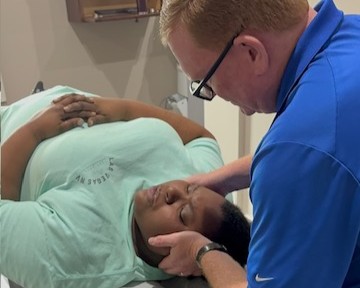

If you're living with chronic pain, you might wonder whether seeking care is worth the effort. Understanding the complexities of your condition is essential, and a professional assessment can often lead to tailored treatment plans that address your unique needs. It's not just about managing pain; it's about enhancing your overall quality of life. You may find that the support and resources available to you can make a significant difference. So, what are the key reasons to take that step and seek help? Let's explore some compelling insights that could shape your journey.
Understanding Chronic Pain
Chronic pain is more than just a physical sensation; it's a complex interplay of emotions, sensations, and neurological responses that can greatly impact your daily life. You might find that this type of pain doesn't just linger for weeks; it can last for months or even years, altering how you perceive and interact with the world around you.
Understanding chronic pain requires you to recognize that it isn't simply a symptom of an underlying condition, but often a condition in itself.
You may experience a variety of sensations, from sharp or throbbing pain to a dull ache that seems to settle in your bones. These sensations can fluctuate, sometimes intensifying without any clear trigger.
It's important to acknowledge that your emotional state plays a significant role in how you perceive and manage this pain. Feelings of frustration, anxiety, or depression can amplify your experience, creating a cycle that feels impossible to break.
Moreover, chronic pain can affect your sleep patterns, energy levels, and even your relationships. You might find yourself withdrawing from social activities or struggling to perform daily tasks.
It's crucial to track these changes and understand how they connect to your pain. Recognizing these emotional and physical factors is the first step toward addressing chronic pain effectively.
Understanding this complexity will empower you as you seek appropriate care and support, helping you reclaim control over your life and well-being.
Accessing Effective Treatments
Finding effective treatments for chronic pain often starts with a personalized treatment plan tailored to your specific needs.
By working with a multidisciplinary team, you can benefit from a variety of perspectives and strategies that enhance your care.
Let's explore how these approaches can make a significant difference in your pain management journey.
Personalized Treatment Plans
When it comes to managing pain, tailoring your treatment plan can make all the difference. Everyone experiences chronic pain differently, so a one-size-fits-all approach just won't cut it. By working closely with your healthcare provider, you can identify the most effective strategies that suit your unique needs.
First, take the time to discuss your specific symptoms, triggers, and the impact pain has on your daily life. This information is essential for developing a plan that addresses your concerns and goals.
Whether it's medication, physical therapy, or alternative therapies like acupuncture, each option can be customized to your preferences and lifestyle.
Regular follow-ups with your provider will also help you fine-tune your treatment plan. As your pain levels fluctuate or new symptoms arise, adjustments may be necessary to guarantee you're getting the best care possible.
Plus, incorporating your feedback can lead to even better results.
Multidisciplinary Approach Benefits
A multidisciplinary approach to chronic pain care can greatly enhance your treatment outcomes. By bringing together various healthcare professionals—like doctors, physical therapists, psychologists, and nutritionists—you'll receive extensive care tailored to your unique needs.
This collaboration allows for a more holistic understanding of your pain, addressing not just the physical symptoms but also the emotional and psychological aspects.
Working with a team means you'll benefit from diverse perspectives and expertise. For instance, while a physician may focus on medication management, a physical therapist can help you improve mobility and strength.
Meanwhile, a psychologist can assist with coping strategies and emotional resilience. This integrated care can lead to more effective pain management strategies that you mightn't achieve through a single-provider approach.
Additionally, having multiple professionals involved encourages accountability and support. You're less likely to feel isolated in your pain journey when you have a team backing you up.
Ultimately, this collaborative effort can lead to improved function, reduced pain levels, and an overall better quality of life. So, if you're struggling with chronic pain, consider seeking a multidisciplinary team to help you find the relief you deserve.
Improving Quality of Life
Improving your quality of life is essential when managing chronic pain.
You can enhance your daily functioning and emotional well-being by integrating effective strategies and support systems.
Let's explore practical ways to help you feel better and live more fully.
Enhanced Daily Functioning
Chronic pain doesn't just affect your body; it can also take a toll on your daily life and overall well-being. When pain is persistent, it often limits your ability to perform everyday tasks, from simple chores to engaging in social activities.
Seeking care for chronic pain can greatly enhance your daily functioning, allowing you to reclaim your independence and enjoy life again.
Finding effective treatment can help reduce pain levels, making it easier for you to move around, work, and participate in hobbies you love. As your pain decreases, you'll likely notice improvements in your energy levels and motivation, enabling you to tackle tasks that once felt overwhelming.
With enhanced daily functioning, you might find yourself enjoying time with family and friends or even pursuing new interests.
Moreover, improved physical capabilities can lead to better sleep and a more active lifestyle, which further supports your overall health. By addressing chronic pain, you can enhance your quality of life, making each day more manageable and fulfilling.
Don't let pain hold you back—seeking care can be the first step towards regaining control over your life and daily activities.
Emotional Well-being Support
How can emotional well-being support transform your experience with chronic pain? When you're living with chronic pain, it's common to feel overwhelmed by emotions like frustration, sadness, or anxiety.
Seeking emotional support can help you manage these feelings, ultimately improving your quality of life. Professional guidance, whether through therapy or support groups, can provide you with effective coping strategies tailored to your specific situation.
Connecting with others who understand your experiences can also alleviate feelings of isolation. Sharing your journey with people who relate can foster a sense of community and belonging.
Additionally, practicing mindfulness and engaging in activities that promote emotional health, such as journaling or meditation, can enhance your resilience against pain-related stress.
Building a Support Network
Building a support network is crucial for anyone dealing with ongoing pain, as it can greatly impact your emotional well-being and coping strategies. Surrounding yourself with the right people can provide comfort, understanding, and practical help. Here's how to effectively build that network:
1. Identify Supportive Individuals: Think about friends, family members, or colleagues who can offer emotional support. Look for those who genuinely listen and understand your situation.
It's essential to have people who won't dismiss your feelings but will validate your experiences.
2. Join Support Groups: Connecting with others facing similar challenges can be incredibly beneficial. Support groups offer a safe space to share your struggles, exchange coping strategies, and gain encouragement.
Whether in-person or online, these groups can help you feel less isolated.
3. Communicate Openly: Once you've identified your support network, communicate your needs clearly. Let them know how they can help, whether it's through regular check-ins, accompanying you to appointments, or simply being there to talk.
Honesty fosters stronger connections and guarantees that your support network is prepared to assist you effectively.
Building a solid support network takes time and effort, but it's worth it. By surrounding yourself with understanding and compassionate individuals, you'll find it easier to manage your chronic pain and maintain a positive outlook.
Gaining Pain Management Education
Steering through chronic pain often requires more than just a supportive network; gaining a solid understanding of pain management techniques can empower you to take control of your situation.
Educating yourself about pain management opens up a world of options that can improve your quality of life. You'll discover various strategies, from physical therapies to mindfulness practices, that can help you effectively manage your pain.
Start by researching different pain management techniques. Consider reading books, attending workshops, or exploring online resources dedicated to chronic pain. Understanding the science behind pain can demystify your experiences and help you communicate more effectively with your healthcare team.
You'll feel more confident discussing your symptoms and treatment options when you have a solid grasp of what's happening in your body.
Don't hesitate to ask your doctor about educational materials or local support groups. Many healthcare providers offer resources tailored to help patients learn about pain management. Connecting with others facing similar challenges can also provide valuable insights and encouragement.
Additionally, consider keeping a pain journal. Tracking your pain levels, triggers, and responses to various treatments can help you pinpoint what works best for you. This self-awareness is essential in developing an effective pain management plan.
Ultimately, gaining pain management education empowers you to take an active role in your health. By equipping yourself with knowledge, you'll be better prepared to navigate the complexities of chronic pain and actively pursue solutions that enhance your well-being.
Preventing Further Health Issues
Preventing further health issues is crucial for anyone managing chronic pain. When you're dealing with chronic pain, it can be easy to focus solely on relief. However, neglecting your overall health can lead to complications that may worsen your condition.
By taking proactive steps, you can enhance your quality of life and avoid additional health problems.
Here are three essential strategies to help you prevent further health issues:
- Stay Active: Engaging in regular, low-impact exercise can strengthen your muscles and improve flexibility. Activities like walking, swimming, or yoga can help you maintain mobility and reduce pain flare-ups.
- Monitor Your Diet: Eating a balanced diet rich in anti-inflammatory foods can support your overall health. Incorporate fruits, vegetables, whole grains, and healthy fats into your meals to combat inflammation and enhance your body's healing processes.
- Manage Stress: Chronic pain often leads to increased stress, which can exacerbate your symptoms. Practicing mindfulness, meditation, or deep-breathing exercises can help you find relief and maintain emotional well-being.
Conclusion
In seeking care for chronic pain, you take an essential step toward reclaiming your life. By accessing effective treatments and building a support network, you can greatly improve your quality of life. Plus, gaining education on pain management empowers you to handle challenges more effectively. Don't hesitate to reach out for help—it's not just about managing pain, but also about preventing further health issues and enhancing your overall well-being. You deserve to feel better.