
As a local chiropractor, I want to reassure you that if you're dealing with lower back pain, you're not alone, and there are effective solutions available. It's crucial to explore a combination of natural healing methods, lifestyle adjustments, and targeted exercises to alleviate your discomfort.
One of the first steps you can take is to improve your posture and incorporate stretching routines into your daily life; these simple changes can lead to significant relief. However, I encourage you to consider some of the less conventional methods that many people overlook, such as chiropractic adjustments.
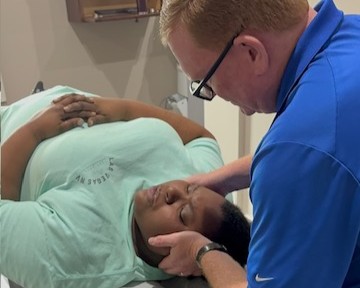
Chiropractic care focuses on aligning the spine and improving overall function, which can be particularly beneficial for lower back pain. By understanding the full range of options available, including professional therapies like chiropractic adjustments, we can create a customized approach to help you stay active and engaged in your everyday activities.
So, what's the best strategy for you? Let's work together to explore the natural healing options that can bring you relief.
Understanding Lower Back Pain
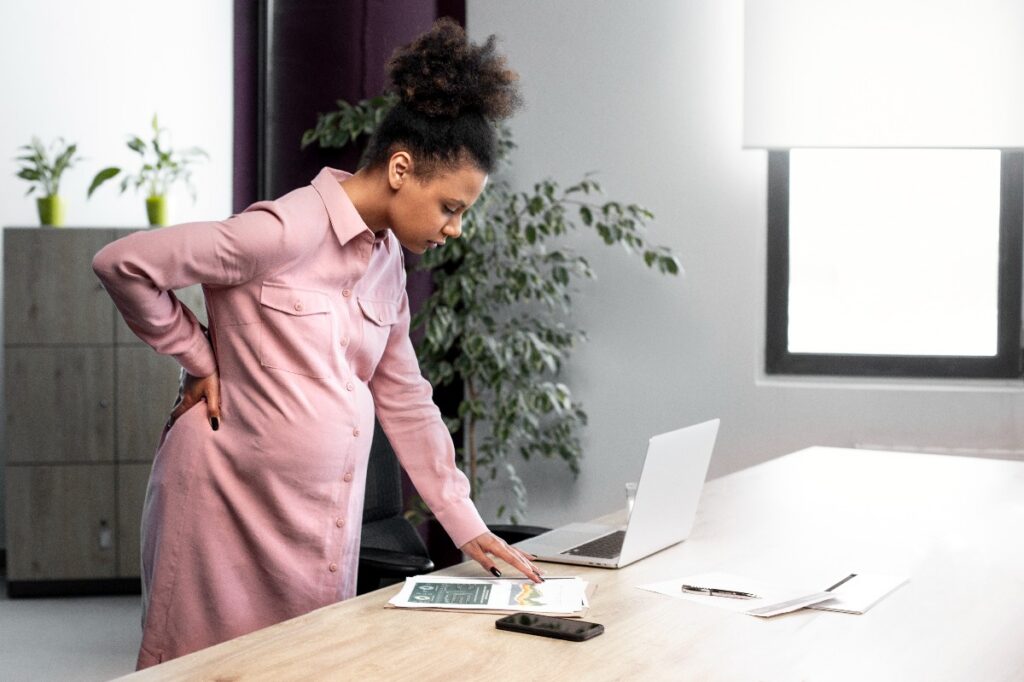
As a local chiropractor, I often see patients struggling with lower back pain, which can be both frustrating and debilitating. This discomfort can significantly impact your daily activities, making even simple tasks like bending, lifting, or sitting for extended periods feel daunting.
It's important to understand the nature of lower back pain, as this knowledge can empower you to address it more effectively. Lower back pain can arise from various sources. Common culprits include muscle strains, ligament sprains, or herniated discs. You might also find that poor posture, heavy lifting, or prolonged sitting contribute to your discomfort.
By identifying the root cause of your pain, we can work together to determine the best course of action for your recovery. In my practice, I often explain that lower back pain can be classified into two primary types: acute and chronic.
Acute pain typically appears suddenly and may last from a few days to a few weeks. In many cases, this type of pain can resolve on its own with adequate rest and self-care. On the other hand, chronic pain persists for three months or longer and often requires a more comprehensive approach to manage effectively.
I encourage you to pay close attention to your body and recognize any patterns associated with your pain. Keeping a record of when the pain occurs, which activities seem to worsen it, and how it responds to different positions or movements can provide valuable insights.
This information will be instrumental when we discuss your symptoms during our consultations. By gaining a better understanding of lower back pain and its potential causes, you can take the first steps toward relief and recovery.
As your chiropractor, I'm here to guide you through natural healing methods, helping you regain your health and improve your quality of life.
Lifestyle Modifications
As a local chiropractor, I want to share with you how simple lifestyle modifications can greatly alleviate lower back pain. By making small adjustments in your daily routine, you can significantly reduce the strain on your back and promote healing.
Here are three key changes I recommend:
1. Enhance Your Posture: Good posture is crucial, whether you're sitting at a desk or standing in line. Aim to keep your shoulders back, your spine aligned, and your feet flat on the ground.
If you spend a lot of time at your desk, consider investing in an ergonomic chair. This type of chair can provide the support your lower back needs and help maintain proper alignment throughout the day.
2. Stay Active: It may seem counterproductive, but keeping your body active is essential for reducing pain. Long periods of inactivity can lead to stiffness and weakness.
I encourage you to incorporate walking or light activities into your daily routine. This not only strengthens your muscles but also keeps them flexible, which is vital for supporting your spine.
3. Reassess Your Sleep Setup: The way you sleep plays a significant role in your back health. It might be time to invest in a quality mattress that provides adequate support for your body.
Additionally, consider your sleeping position—sleeping on your side with a pillow between your knees or on your back with a pillow under your knees can help alleviate pressure on your spine.
By making these simple lifestyle changes, you can take proactive steps toward improving your back health and enhancing your overall well-being.
If you have further questions or need personalized guidance, feel free to reach out or visit our clinic!
Stretching and Strengthening Exercises
As a local chiropractor dedicated to helping my patients achieve optimal health, I want to emphasize the importance of incorporating stretching and strengthening exercises into your routine, especially for managing lower back pain. These exercises aren't just beneficial for flexibility; they also play a crucial role in building the strength necessary to support your spine effectively.
To begin, I recommend starting with gentle stretches to help relieve tension in your back. Simple movements such as the cat-cow stretch or child's pose can work wonders in alleviating tightness in your back and hips. When performing these stretches, aim to hold each position for 15-30 seconds, and focus on your breath to enhance relaxation.
Once you feel more comfortable with stretching, it's time to introduce some strengthening exercises. Strong core muscles are vital for supporting your lower back, and I suggest incorporating exercises like planks, bridges, and pelvic tilts into your routine. These movements engage both your abdominal and back muscles, providing the stability needed to reduce strain on your spine.
It's essential to maintain proper form during both the stretching and strengthening exercises to prevent injuries. If you're uncertain about your technique, please don't hesitate to consult with me or another qualified fitness professional. We can work together to tailor a program that aligns with your individual needs and abilities.
Remember, consistency is crucial. Aim to incorporate these exercises into your regimen at least three times a week. Over time, you're likely to notice improvements in both flexibility and strength, which can lead to reduced pain and an increased range of motion.
Always listen to your body; if something doesn't feel right, it's okay to modify the exercise or take a break. Stay committed to your routine, and you'll be on your way to developing a more resilient back and overall well-being.
Heat and Cold Therapy
As a local chiropractor, I want to share some valuable techniques that can help manage lower back pain, especially if you're new to chiropractic care and natural healing.
After you've warmed up your muscles with gentle stretching and strengthening exercises, incorporating heat and cold therapy into your routine can be an effective way to find relief.
Heat therapy is a fantastic option for relaxing tight muscles and boosting blood flow to the affected area. You can easily use a heating pad, hot water bottle, or a warm towel.
Just remember to ensure that the heat is comfortable and not too hot to prevent any burns. This method is particularly beneficial if you're experiencing muscle stiffness or dealing with chronic discomfort.
On the flip side, cold therapy is excellent for reducing inflammation and numbing sharp pain. You can use ice packs or even a bag of frozen vegetables wrapped in a towel.
Aim to apply cold for about 15-20 minutes at a time, especially after any activity that might worsen your pain.
Here are three practical tips to help you use heat and cold therapy effectively:
- Alternate between heat and cold: This approach can enhance your relief. Begin with cold therapy to tackle inflammation, then transition to heat to help relax those tight muscles.
- Be consistent: Incorporate these therapies into your daily routine. Regular use can lead to better long-term results and overall comfort.
- Listen to your body: If one method doesn't seem to provide relief, don't hesitate to try the other. Everyone's body responds differently, so it's important to find what works best for you.
By integrating heat and cold therapy into your wellness routine, you can significantly alleviate lower back pain and improve your overall comfort.
Over-the-Counter Medications
As a local chiropractor, I want to help you understand how to manage lower back pain effectively, and over-the-counter medications can be a practical option for quick relief. These medications typically fall into two categories: nonsteroidal anti-inflammatory drugs (NSAIDs) and acetaminophen. NSAIDs, such as ibuprofen and naproxen, can be beneficial as they work by reducing inflammation and alleviating pain. They're often the go-to choice for discomfort caused by muscle strains or inflammation.
On the other hand, acetaminophen is another pain relief option. While it can help relieve pain, it doesn't have the anti-inflammatory properties that NSAIDs offer. Many people find acetaminophen to be gentler on the stomach, making it a suitable choice if NSAIDs cause you discomfort. However, it's essential to stay within the maximum daily dosage to avoid potential liver damage.
Before you settle on these medications, it's crucial to consider your specific symptoms and any underlying health conditions you may have. For instance, if you have a history of stomach ulcers or certain heart conditions, NSAIDs mightn't be the best choice for you.
I always encourage my patients to consult with a healthcare provider if they're uncertain about which medication to use or if they're already taking other medications.
When using over-the-counter pain relievers, be sure to follow the instructions on the label and avoid exceeding the recommended dose. Additionally, combining these medications with natural remedies, such as heat therapy or chiropractic adjustments, can enhance their effectiveness.
Physical Therapy
While over-the-counter medications may offer temporary relief, they often fail to address the root causes of your lower back pain. This is where chiropractic care can make a significant difference. As a local chiropractor, I'm dedicated to helping you identify the underlying issues contributing to your discomfort and developing a personalized plan to restore your health and mobility naturally.
Chiropractic care provides numerous benefits that can greatly enhance your well-being:
- Personalized Treatment Plans: During your initial assessment, I'll evaluate your specific condition, taking into account your medical history, lifestyle, and any physical limitations. Based on this assessment, I'll create a tailored program designed to alleviate your pain and improve your overall function.
- Spinal Adjustments and Therapeutic Exercises: Chiropractic treatment often involves spinal adjustments to correct misalignments and restore proper function to your nervous system. Additionally, I may incorporate therapeutic exercises to strengthen your core and enhance flexibility, which can help support your spine and reduce the risk of future injuries.
- Education and Empowerment: A crucial aspect of chiropractic care is educating you about proper body mechanics, posture, and self-care techniques. This knowledge empowers you to take control of your health, effectively manage your pain, and prevent future episodes.
Alternative Treatments
As a local chiropractor, I want to share how alternative treatments can be a valuable part of managing your lower back pain.
Many patients find relief through techniques like chiropractic adjustments, which can help realign your spine and improve overall function.
Additionally, acupuncture has gained recognition for its ability to alleviate pain and promote healing.
Herbal remedies can also support your recovery process, offering natural relief without the side effects of traditional medications.
I encourage you to explore these options and see how they may benefit you on your journey to wellness.
Your body deserves the best care, and together we can find the right approach for you.
Acupuncture for Pain Relief
As a local chiropractor, I want to introduce you to an effective method for alleviating lower back pain: acupuncture. This ancient technique works in harmony with the body's natural healing processes. By inserting thin needles into specific points on your body, acupuncture can help reduce inflammation, enhance circulation, and promote relaxation.
If you're exploring options for pain relief, here are three key benefits of acupuncture that you might find interesting:
- Pain Reduction: Many patients experience significant relief from pain after just a few sessions. The acupuncture needles stimulate the release of endorphins, which are the body's natural painkillers.
- Muscle Relaxation: Acupuncture is particularly effective at relieving tension in back muscles. By targeting specific trigger points, it can help decrease tightness and improve your overall mobility.
- Holistic Approach: This method goes beyond just addressing physical symptoms. It also takes into account your emotional and mental well-being. By promoting a balanced state of health, acupuncture can help reduce stress and anxiety, which may be contributing to your pain.
Before you begin treatment, I encourage you to consult with a qualified acupuncturist who can customize the sessions to meet your unique needs.
Acupuncture could be the natural relief you've been searching for to help with your lower back pain. As your chiropractor, I'm here to support you on your journey to wellness.
Chiropractic Adjustments Benefits
As a local chiropractor dedicated to your health, I want to share the incredible benefits of chiropractic adjustments, especially for those of you who may be unfamiliar with this natural approach to healing. If you're experiencing lower back pain or discomfort, chiropractic care could be a key part of your recovery journey.
When you come to my office, my first step is to assess your spine and identify any misalignments that could be contributing to your pain. Using gentle techniques, I'll perform adjustments to realign your spine and other joints. This process not only alleviates discomfort but can also lead to significant pain relief.
One of the remarkable aspects of chiropractic adjustments is their ability to enhance your body's natural healing capabilities. When your spine is properly aligned, it improves spinal function, which can increase blood flow to the affected areas. This boost in circulation promotes healing and helps reduce inflammation, allowing you to feel better more quickly.
After treatment, many of my patients report improved mobility and flexibility, making it easier for them to engage in their everyday activities.
Moreover, I believe in a holistic approach to health. Alongside adjustments, I often recommend lifestyle changes, specific exercises, or stretches that can support your recovery and help prevent future issues. My goal is to empower you to take control of your health and well-being.
Herbal Remedies and Efficacy
As a local chiropractor, I often see patients seeking relief from lower back pain, and I want to share some insights about the benefits of herbal remedies that can complement your chiropractic care.
Many individuals are surprised to learn that natural solutions can effectively alleviate discomfort and support overall wellness. Herbal remedies have been utilized for centuries and may aid in reducing inflammation, promoting relaxation, and enhancing circulation.
Here are three popular herbal options you might consider integrating into your routine:
- Turmeric: This vibrant golden spice is well-known for its active compound, curcumin, which possesses powerful anti-inflammatory properties. You can incorporate turmeric into your diet by adding it to your meals or taking it as a supplement, and many patients find it provides a welcome relief from pain.
- Willow Bark: Commonly referred to as "nature's aspirin," willow bark has a long history of use for pain relief. It can be consumed as a tea or taken in capsule form, and many of my patients have reported positive results when using it to manage their lower back discomfort.
- Ginger: Renowned for its anti-inflammatory effects, ginger can help soothe pain and reduce swelling. Whether enjoyed as a tea, added to your meals, or taken as a supplement, ginger is a versatile option that many find beneficial in their healing journey.
Before embarking on any herbal remedies, I always encourage my patients to consult with a healthcare professional. This ensures that any new treatments are safe and appropriate for your individual health needs, especially if you're currently taking other medications.
When to Seek Professional Help
As a local chiropractor, I want to help you understand when it's time to seek professional help for lower back pain, as this can significantly influence your recovery journey.
If you've been dealing with persistent pain for more than a few weeks, it's important to consult a healthcare provider like myself. Ignoring ongoing discomfort can lead to chronic issues that become more challenging to treat.
If your pain is severe and doesn't improve with at-home remedies such as rest, ice, or over-the-counter medications, it's definitely time to reach out. Additionally, if you experience pain radiating down your legs, or notice numbness and tingling, these symptoms could indicate nerve involvement, which requires immediate attention.
It's also crucial to seek help if you have difficulty controlling your bladder or bowels—this is considered a medical emergency.
Another situation to be aware of is if your lower back pain follows a fall, injury, or accident. Even if you think the incident was minor, it's wise to get evaluated by a professional like myself to rule out any serious underlying conditions.
Furthermore, symptoms such as fever, unexplained weight loss, or swelling in your back should prompt a visit to your healthcare provider.
Trusting your instincts is vital. If something feels off or your pain is disrupting your daily life, don't hesitate to reach out for help.
Early intervention, especially through chiropractic care, can lead to quicker relief and help prevent future complications. Remember, you don't have to navigate this journey alone—I'm here to support you in your recovery and promote natural healing.
Conclusion
As a local chiropractor, I want to share some effective strategies to help you manage lower back pain naturally. By integrating these solutions into your daily routine, you can experience significant relief. Start by making some lifestyle adjustments, which can go a long way in reducing strain on your back. Incorporating gentle stretching exercises is also essential; they can improve flexibility and strengthen the muscles that support your spine.
Additionally, utilizing heat and cold therapy can provide immediate relief by reducing inflammation and promoting blood flow. Over-the-counter medications can be helpful as well, but I encourage you to consider natural alternatives, such as chiropractic adjustments, which can address the root causes of your pain.
If you find that your discomfort persists or worsens, please don't hesitate to seek professional care. As a chiropractor, I am here to provide personalized treatment plans that can lead to long-term relief and enhance your mobility. Remember, your health is important, and taking proactive steps can make all the difference in your recovery journey.