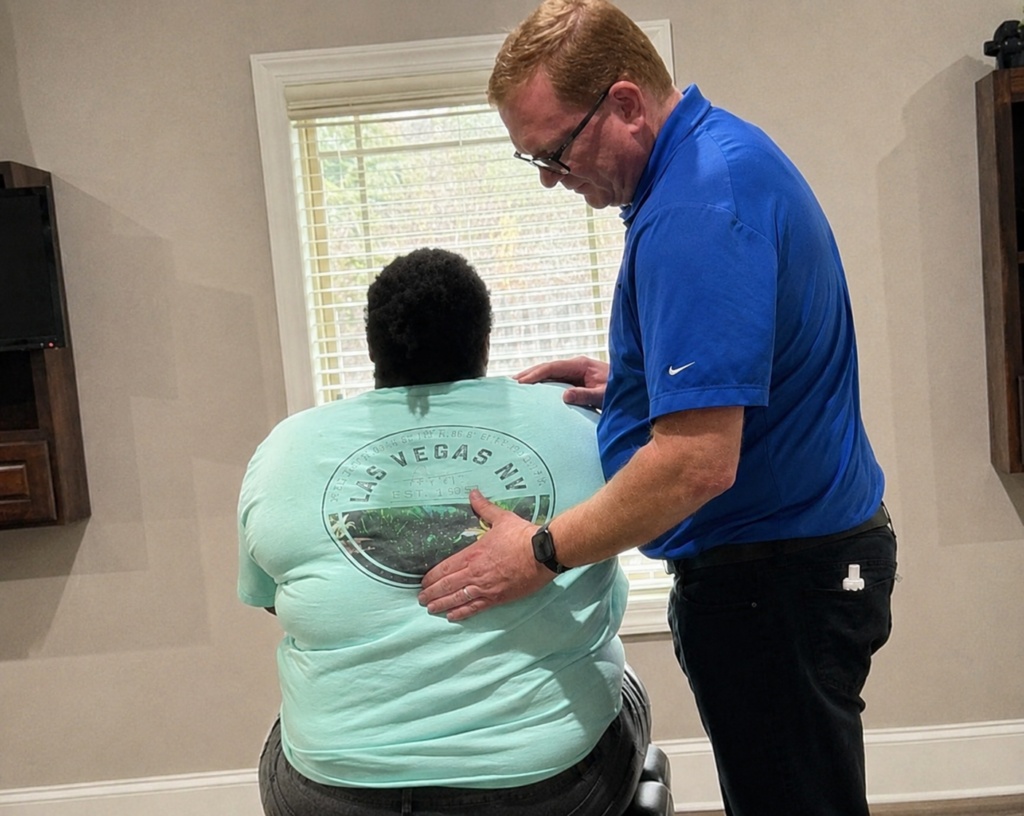

As a local chiropractor, I often see patients who are struggling with back pain, and I understand how truly debilitating it can be. It's crucial to explore effective techniques for relief that not only address the symptoms but also promote overall healing. A combination of stretching, strengthening exercises, and mindful practices can significantly enhance your recovery.
Correcting your posture is vital, as poor alignment can contribute to ongoing discomfort. In addition, therapies like heat and cold application can be beneficial in managing inflammation and easing tension. But which specific methods should you implement to genuinely alleviate your pain?
By understanding and incorporating these techniques into your daily life, you may find a transformative approach to managing your back pain. As your chiropractor, I'm here to guide you through these natural healing methods and help you reclaim your well-being.
Stretching Exercises
As your local chiropractor, I want to emphasize the significant benefits of incorporating stretching exercises into your daily routine. Many of my patients experience back pain, and I've found that stretching can be a powerful tool in alleviating discomfort and enhancing flexibility.
When you stretch, you help relieve tension in the muscles surrounding your spine, which promotes better alignment and reduces pain. I encourage you to focus on stretches that specifically target your lower back, hips, and hamstrings, as these areas are often contributors to back pain.
For instance, starting with the Cat-Cow pose can be incredibly effective. By getting on all fours and alternating between arching your back upwards and dipping it downwards, you warm up your spine and increase its mobility.
Another beneficial stretch is the Child's Pose. By sitting back on your heels and reaching your arms forward, you elongate your spine and help relax your back muscles. I recommend holding each position for about 20-30 seconds while taking deep, calming breaths.
Don't overlook the importance of the hamstring stretch, either. While standing, place one foot on a low surface and lean forward gently. This simple movement can significantly relieve tension in your lower back and improve your overall flexibility.
I suggest incorporating these stretches into your daily routine, perhaps in the morning or before you go to bed. Consistency is crucial. Aim to stretch at least three to four times a week.
As you develop your flexibility, you might notice a decrease in pain and an increase in your range of motion. Always listen to your body during these stretches—if any movement causes pain, ease off and adjust your position accordingly.
Strengthening Workouts
As a local chiropractor, I want to emphasize the importance of strengthening workouts in conjunction with stretching for managing back pain effectively. While stretching is crucial for enhancing flexibility and alleviating discomfort, strengthening the muscles around your spine is equally vital. These muscles provide essential stability and support, which can significantly reduce the risk of injury and ongoing pain.
Incorporating targeted strengthening exercises into your routine can yield remarkable benefits. Start with core workouts, as a robust core plays a key role in distributing weight evenly and supporting your spine. Exercises such as planks, bridges, and bird-dogs are fantastic for building core strength. I recommend adding these to your regimen a few times a week to see the best results.
It's also important not to neglect your lower back and glute muscles. Incorporating exercises like supermans and glute bridges can further fortify these areas, offering additional support to your spine. Aim for two to three sets of 10 to 15 repetitions for each exercise, and as you become stronger, gradually increase the weight or resistance.
Proper form during these workouts is crucial to prevent any further injuries. If you're uncertain about your technique, I encourage you to work with a qualified trainer or physical therapist who can guide you in performing these exercises correctly.
Finally, always listen to your body. If any movement causes discomfort or pain, it's important to stop and seek advice from a professional.
Posture Correction
As a local chiropractor, I want to emphasize how crucial good posture is for your overall health, especially when it comes to maintaining a strong and pain-free back. Proper alignment when you sit, stand, or move can significantly reduce the strain on your spine and the surrounding muscles.
It all starts with awareness; throughout your day, take a moment to check your body's position. Whether you're at your desk or out for a walk, ensure your shoulders are back, your head is aligned with your spine, and your feet are flat on the ground.
To enhance your posture, I recommend making ergonomic adjustments to your workspace. Your chair should provide support for your lower back, and your feet should be comfortably resting on the floor. If you're spending extended hours in front of a computer, it's vital to have your monitor at eye level so you can avoid leaning forward, which is a common cause of neck strain.
Incorporating posture exercises into your daily routine can also be incredibly beneficial. Simple stretches and strength-building movements can reinforce good alignment. For example, exercises like wall angels or shoulder blade squeezes can help strengthen the muscles that support your back.
When walking, visualize a string gently pulling you upward from the top of your head; this can help you maintain a straight spine and relaxed shoulders. This mindfulness can create significant improvements over time.
I also encourage you to seek feedback from friends or family about your posture. They may notice habits that you mightn't be aware of.
Heat Therapy
As a local chiropractor, I want to emphasize the importance of maintaining good posture as a foundation for a healthy back. However, I know that sometimes good posture alone isn't enough to alleviate persistent pain. When you're experiencing ongoing discomfort, heat therapy can be an invaluable tool in your recovery journey.
Applying heat to the affected area increases blood flow, which helps to relax tight muscles and soothe stiffness. This enhanced circulation not only promotes healing but can also provide significant relief from pain you may be experiencing.
There are several effective methods to apply heat. One of the most popular options is a heating pad, but it's essential to use it on a low or medium setting to prevent any risk of burns. If you prefer a more immersive experience, a warm bath or shower can envelop your entire body in soothing warmth. For those with a busy lifestyle, microwaveable heat packs or disposable heat wraps that adhere to your clothing can be convenient alternatives.
For optimal results, I recommend applying heat for about 15 to 20 minutes at a time. It's also crucial to take breaks between applications to allow your skin to recover.
Remember, heat therapy is particularly effective for muscle-related pain and tightness, making it an excellent choice for chronic back issues. However, it's less suitable for acute injuries, such as strains or sprains.
I encourage you to experiment with different heat application methods to discover what feels most comfortable for you. By incorporating heat therapy into your routine, you can enhance your overall comfort, making it easier to engage in daily activities.
This approach supports your journey toward a pain-free back and aligns with the natural healing principles of chiropractic care.
Cold Therapy
As your local chiropractor, I want to share with you an effective method for managing back pain, particularly during acute injuries or flare-ups: cold therapy.
Applying cold to the affected area can be a game-changer for reducing inflammation and numbing pain, providing you with relief that can last for hours. Common items you can use include ice packs, frozen gel packs, or even a bag of frozen vegetables wrapped in a cloth.
To use cold therapy effectively, I recommend starting with 15 to 20 minutes of application to your back. It's crucial to place a barrier, such as a towel, between the ice and your skin to prevent frostbite. You can repeat this process every hour as needed.
This technique not only numbs the pain but also constricts your blood vessels, which helps decrease swelling and inflammation in the area.
As you try cold therapy, listen to your body closely. If you feel increased pain or discomfort, it's important to stop the application right away.
Remember, cold therapy isn't intended for long-term use; it's most effective within the first 48 hours following an injury or during a sudden flare-up. After this initial period, you may want to consider transitioning to heat therapy, which can promote blood flow and help relax tight muscles.
Cold therapy is a simple and accessible way to help manage your back pain. However, if your pain persists or worsens, I strongly encourage you to consult with me or another healthcare professional.
Together, we can develop a comprehensive treatment plan tailored to your specific needs, utilizing the principles of chiropractic care and natural healing to help you find lasting relief.
Massage Techniques
As a local chiropractor, I want to share how effective massage techniques can be in relieving back pain and promoting overall wellness.
Many patients aren't familiar with the various approaches available to them, so let's explore some options. Techniques like trigger point therapy, deep tissue massage, and Swedish massage each offer distinct benefits tailored to your specific needs.
Incorporating these methods into your care plan can greatly enhance your comfort and aid in your recovery process. Understanding how these therapies work in conjunction with chiropractic care can lead to a more holistic approach to your health.
Trigger Point Therapy
If you've ever experienced a persistent knot in your back that just doesn't seem to budge, let me introduce you to trigger point therapy, a powerful technique we often use in chiropractic care. This method concentrates on pinpointing and releasing tight areas within your muscles, known as trigger points, which can be the culprits behind your pain and discomfort.
Here's what you can look forward to when you explore the benefits of trigger point therapy:
- Immediate Relief: Many of our patients report feeling instant relief as the tension starts to dissipate, allowing for smoother, more unrestricted movement.
- Improved Flexibility: By targeting and releasing these knots, you can enhance your overall flexibility, making everyday tasks feel much easier.
- Reduced Pain: Addressing the root cause of your pain can lead to lasting relief, helping you feel more like yourself again.
- Increased Energy: With reduced discomfort, you might notice a significant boost in your energy levels, empowering you to participate in activities you enjoy.
During a session, I'll apply targeted pressure to specific points that may feel uncomfortable at times, but the benefits you'll reap are well worth it.
Deep Tissue Massage
As a local chiropractor, I often encounter patients who are curious about how deep tissue massage can significantly alleviate back pain. This technique is designed to reach the deeper layers of muscle and connective tissue, effectively addressing chronic tension and discomfort. By applying firm pressure and slow, deliberate strokes, a skilled therapist can release tightness and knots that may be contributing to your pain.
During a deep tissue massage session, you might experience some discomfort as the therapist focuses on areas that need the most attention. It's important to remember that this pressure is typically manageable and, more importantly, it often leads to a sense of relief after the session concludes. Not only does deep tissue massage promote relaxation, but it also improves blood circulation, which can help reduce inflammation and accelerate your recovery process.
For those looking to further enhance their wellness journey, incorporating self-massage techniques at home can be incredibly beneficial. Utilizing tools such as foam rollers or massage balls allows you to apply targeted pressure to sore areas in your back. Just be sure to approach this practice gently at first, gradually increasing intensity as your muscles begin to relax.
Integrating deep tissue massage into your regular routine can make a noticeable difference in your quality of life, especially if you struggle with persistent back pain. I encourage you to consider scheduling regular sessions, as this can help maintain your progress and keep discomfort at bay.
Swedish Massage Benefits
As a local chiropractor, I often emphasize the importance of holistic approaches to health and wellness, and one technique I highly recommend is Swedish massage. This method offers numerous benefits that can significantly improve your overall well-being, particularly if you're dealing with back pain.
Here's a closer look at what Swedish massage can do for you:
- Pain Relief: The gentle and rhythmic strokes used in Swedish massage are designed to alleviate muscle tension, providing quick relief from discomfort that many of my patients experience.
- Improved Circulation: Enhanced blood flow is crucial for healing. Swedish massage promotes circulation, ensuring that your muscles receive the oxygen and nutrients necessary for recovery, which is especially important for those with chronic pain issues.
- Stress Reduction: In our fast-paced lives, stress can take a toll on both our physical and mental health. Swedish massage is effective in calming the mind and body, significantly lowering stress levels and helping you feel more relaxed and centered.
- Enhanced Flexibility: The techniques employed in Swedish massage can help improve your range of motion, making daily activities more comfortable and enjoyable. This is particularly beneficial for those who may have restricted movement due to pain or tension.
Incorporating Swedish massage into your self-care routine can be a transformative step towards feeling better both physically and emotionally.
Whether you're coping with chronic back pain or simply seeking a way to unwind, this technique complements chiropractic care beautifully.
Physical Therapy
Chiropractic care is an effective approach for alleviating back pain and promoting movement. When you visit our clinic, we start with a comprehensive evaluation where we assess your unique situation and develop a tailored care plan just for you. This plan often incorporates a range of natural healing techniques aimed at strengthening your back and core muscles, improving flexibility, and enhancing overall functionality.
During your initial visit, I'll identify the root causes of your discomfort. From there, I'll guide you through specific exercises designed not only to relieve pain but also to prevent future issues. These exercises typically focus on stretching tight muscles, strengthening weaker ones, and improving your posture. By enhancing your strength and flexibility, we create a more stable environment for your spine, which helps reduce the chance of recurring pain.
In addition to exercises, I may utilize various techniques such as spinal adjustments, soft tissue therapy, or therapeutic modalities like heat and cold therapy. These methods can assist in managing pain and inflammation, while I also teach you proper body mechanics for everyday activities to ensure safer movements and lessen strain on your back.
As you progress in your care, I'll continuously adjust your treatment plan to ensure it aligns with your evolving needs. Regular chiropractic sessions empower you with the knowledge and tools to manage your back pain effectively, improving your overall quality of life.
Chiropractic Adjustments
As a local chiropractor, I want to share how chiropractic adjustments can provide substantial relief from back pain by helping to realign your spine and enhance your mobility.
There are various techniques we employ, each specifically designed to address different issues and promote your overall well-being.
By understanding the benefits and methods of chiropractic care, you can make an informed decision about the best approach for your pain relief.
My goal is to help you discover how natural healing through chiropractic can improve your quality of life.
Benefits of Adjustments
As a local chiropractor dedicated to helping you achieve optimal health, I understand that experiencing back pain can be incredibly frustrating. However, I want to introduce you to the benefits of chiropractic adjustments, which can play a significant role in alleviating your discomfort and enhancing your mobility.
By choosing chiropractic care, you're taking a proactive step towards better health and wellness. Here are some key benefits you can expect from chiropractic adjustments:
- Pain Relief: Our chiropractic adjustments target misalignments in your spine, which can lead to significant relief from back pain. By releasing tension in the muscles surrounding your spine, we can help you feel more comfortable and at ease.
- Improved Mobility: Regular adjustments can enhance your flexibility and range of motion. This means you'll be able to return to your daily activities, whether it's exercising, playing with your children, or simply moving around your home, with much greater ease.
- Enhanced Posture: Many people suffer from postural imbalances due to the demands of daily life. Chiropractic care helps to correct these issues, enabling you to stand taller and feel more confident in your body.
- Overall Well-being: When your spinal health improves, you may notice a range of additional benefits, including better sleep quality, reduced stress levels, and an overall enhancement in your quality of life.
Incorporating chiropractic adjustments into your wellness routine can truly transform your experience with back pain. You don't have to suffer silently—let us help you take control of your health and enjoy the freedom of movement without limitations.
If you're curious about how chiropractic care can benefit you, I encourage you to reach out for a consultation. Together, we can embark on a journey towards better health and vitality.
Techniques Used in Chiropractic
As your local chiropractor, I want to help you understand the various techniques we use in chiropractic adjustments and how they can effectively relieve your back pain. Our primary goal is to restore proper alignment and function to your spine, which is crucial for your overall health.
One of the most common techniques we utilize is spinal manipulation. This involves using my hands to apply controlled force to specific joints in your spine. This technique can help alleviate pain, enhance mobility, and promote healing.
For those who prefer a gentler approach, I also use the Activator Method. This technique employs a small handheld instrument that delivers a gentle impulse to targeted areas, making it an excellent option for patients who may be apprehensive about more forceful adjustments.
You might also benefit from the Flexion-Distraction technique. This involves using a specialized table that gently stretches your spine, which helps relieve pressure on the discs and nerves, providing relief from discomfort.
In addition to spinal adjustments, I often incorporate soft tissue therapies, such as massage and myofascial release. These therapies address muscle tension that can contribute to your back pain, enhancing the overall effectiveness of your treatment.
I understand that every patient is unique, so I tailor my approach to meet your specific needs, ensuring you receive personalized care.
Mindfulness and Relaxation
Finding peace in a hectic world can be particularly challenging for those experiencing back pain. As a chiropractor, I want to share how mindfulness and relaxation techniques can serve as valuable tools in your journey toward relief. By focusing your mind and nurturing a sense of calm, you can alleviate tension and boost your overall well-being.
Here are some practical ways to incorporate these techniques into your life:
- Deep Breathing: Start by taking a moment for deep breathing. Inhale slowly through your nose, allowing your abdomen to expand fully. Then, exhale gently through your mouth. This straightforward practice helps ground you and can significantly reduce muscle tension, making it a great complement to chiropractic care.
- Body Scan Meditation: Find a comfortable position, whether lying down or sitting. Mentally scan your body from head to toe, paying attention to areas of tension. As you identify these tight spots, consciously relax them. This technique helps you become more attuned to your body and promotes overall relaxation, which is essential for healing.
- Guided Imagery: Visualize a serene setting in your mind—perhaps a tranquil beach, a quiet forest, or a peaceful meadow. Imagining these calming environments can provide a mental escape from your pain, allowing you to find solace and relief.
- Mindful Movement: Consider engaging in gentle activities like yoga or tai chi. These practices not only encourage mindfulness but also enhance flexibility and strength—key components in alleviating back pain and improving your spinal health.
Incorporating mindfulness and relaxation into your daily routine can make a significant difference in managing pain and enhancing your emotional resilience.
Lifestyle Modifications
As a local chiropractor, I want to share with you some valuable lifestyle modifications that can significantly aid in your recovery from back pain. Managing back pain often requires a comprehensive approach, and understanding how your daily habits impact your spine is crucial.
First, let's talk about your activity level. Engaging in low-impact exercises like walking, swimming, or cycling can be incredibly beneficial. These activities not only strengthen your back muscles but also enhance your flexibility. I recommend aiming for at least 30 minutes of moderate exercise on most days of the week to support your back health.
Next, it's essential to consider your posture. Whether you're sitting at a desk or lifting items, maintaining proper alignment is key to preventing unnecessary strain on your back. I encourage the use of ergonomic furniture and being mindful of your body positioning throughout the day. Simple adjustments can make a significant difference.
Another important aspect is your sleeping habits. Ensuring that you have a supportive mattress and pillows that promote spinal alignment can greatly affect how your back feels. If you sleep on your side, placing a pillow between your knees can help alleviate pressure on your back, leading to a more restful night.
Nutrition also plays a vital role in managing back pain. A balanced diet rich in anti-inflammatory foods—think fruits, vegetables, and whole grains—can help reduce inflammation and support the healing process. Don't forget to stay hydrated; adequate water intake is essential for overall bodily functions, including muscle health.
Lastly, incorporating stress-reduction techniques into your daily routine can be incredibly beneficial. Chronic stress can worsen pain, so practices such as yoga, meditation, or deep breathing exercises can effectively help you manage stress levels.
Conclusion
As your local chiropractor, I want to share with you some effective techniques for relieving back pain that can truly improve your everyday life. By integrating regular stretching and strengthening exercises into your routine, you can enhance the support for your spine and significantly reduce discomfort. Additionally, utilizing heat and cold therapy appropriately can provide immediate relief and promote healing.
Maintaining good posture is essential; it not only alleviates strain on your back but also contributes to your overall health. I encourage you to explore the benefits of mindfulness and consider making lifestyle modifications that can further enhance your well-being. Taking proactive steps towards your back health today will empower you to feel more active and pain-free in the near future. Remember, chiropractic care is here to support you on this journey towards a healthier back!