
As a local chiropractor, I understand that dealing with lower back pain can be incredibly frustrating. Many patients come to me seeking effective relief, and it's essential to explore the various treatment options available. While over-the-counter medications can provide temporary relief, they often don't address the underlying issues. That's where chiropractic care comes in.
Chiropractic adjustments focus on aligning the spine and improving overall function, which can significantly alleviate pain. In addition to adjustments, I also recommend incorporating physical therapy techniques, stretching, and strengthening exercises tailored to your specific needs. These methods not only help in recovery but also play a vital role in preventing future pain.
You may find that hot and cold therapy can offer immediate comfort, and I encourage my patients to consider lifestyle changes that promote a healthier back. With so many treatment options available, it's important to understand which methods are best suited for your unique situation. By educating yourself about these therapies, you can make informed decisions on your journey to lasting relief. Remember, I'm here to guide you every step of the way on your path to natural healing.
Over-the-Counter Medications
As a local chiropractor, I want to share some insights on managing lower back pain, particularly in regard to the use of over-the-counter medications. Many individuals find themselves seeking relief from discomfort, and these medications can be a helpful starting point, often serving as the first line of defense without requiring a prescription.
Common options include nonsteroidal anti-inflammatory drugs (NSAIDs) like ibuprofen and naproxen. These medications work by reducing inflammation, which can alleviate pain and help you move more comfortably. However, while they can provide temporary relief, it's essential to remember that they don't address the underlying causes of your pain.
Acetaminophen is another frequently used option. Although it doesn't reduce inflammation, it can effectively manage pain. It's often gentler on the stomach compared to NSAIDs, making it a better choice for individuals with sensitivities. However, be mindful of the dosage, as taking more than the recommended amount can lead to severe liver damage.
Topical treatments, such as creams or patches containing menthol or capsaicin, can also offer localized relief. Applying these directly to the affected area may help numb the discomfort or provide a warming sensation that diverts your attention from the pain.
Before you begin any over-the-counter medication, it's crucial to read the labels carefully and familiarize yourself with potential side effects. If you have pre-existing health conditions or are taking other medications, I encourage you to consult with a healthcare professional to avoid any adverse interactions.
While over-the-counter medications can temporarily ease pain, they're just one component of a comprehensive approach to managing lower back issues. It's important to consider other factors as well, such as your posture, activity levels, and ergonomics.
As a chiropractor, I emphasize the importance of a holistic approach, combining natural healing methods with lifestyle adjustments to achieve lasting results. By addressing the root causes of your discomfort, you can promote long-term health and well-being.
Physical Therapy Techniques
As a local chiropractor, I want to share how effective physical therapy techniques can be in managing lower back pain.
Many of my patients have found that incorporating stretching and strengthening exercises not only improves their flexibility but also provides essential support for the spine.
Additionally, manual therapy methods can help relieve tension and enhance overall mobility, which is crucial for a full recovery.
Stretching and Strengthening Exercises
As a local chiropractor dedicated to helping you achieve optimal health, I want to emphasize the importance of incorporating stretching and strengthening exercises into your daily routine. These exercises can significantly reduce lower back pain and improve your overall mobility.
By enhancing flexibility and strengthening the muscles that support your spine, you can also lower the risk of future injuries.
To get started, I recommend focusing on gentle stretches that target your lower back, hips, and hamstrings. Simple movements like the cat-cow stretch and seated forward bend can help release tension and increase flexibility.
Hold each stretch for about 20-30 seconds while breathing deeply to promote relaxation.
In addition to stretching, it's crucial to include strengthening exercises that focus on building core stability. Exercises such as planks and bridges effectively target your abdominal and back muscles.
I suggest aiming for two to three sets of 10-15 repetitions for each exercise, gradually increasing as you become stronger.
Remember, consistency is vital. Try to allocate at least 15-20 minutes each day to perform these exercises.
Always listen to your body and stop if you experience any pain. It's also important to consult with a healthcare professional or a chiropractor before starting a new exercise program, particularly if you have pre-existing back issues.
This ensures that you're choosing the right exercises tailored to your specific needs and circumstances, promoting a safer and more effective path to recovery.
Manual Therapy Approaches
At our chiropractic practice, we believe that manual therapy techniques can significantly transform your experience with lower back pain and enhance your overall function. These hands-on approaches, commonly utilized by chiropractors, are designed to alleviate pain, boost mobility, and promote a sense of well-being.
One of the primary methods we use is spinal manipulation. In this technique, we apply controlled movements to the spine to help realign it and relieve any pressure on surrounding nerves. This realignment can lead to a noticeable reduction in discomfort.
Additionally, we often incorporate soft tissue mobilization, where we gently apply pressure to your muscles and connective tissues to release tension and improve circulation.
Joint mobilization is another effective strategy we employ. This involves carefully moving your joints in specific directions to restore their natural function. We tailor these techniques to your individual needs, ensuring you receive personalized care for your lower back pain.
Open communication with your chiropractor is crucial. By discussing your symptoms and any concerns, we can better adjust our techniques to meet your specific situation.
Consistency in receiving treatment is also vital. Regular sessions can lead to sustained relief and improved functionality over time.
If you're dealing with lower back pain, we encourage you to consider manual therapy techniques as part of your holistic treatment plan. You may be pleasantly surprised by the relief and healing you can achieve through chiropractic care!
Hot and Cold Therapy
As a local chiropractor, I want to share with you the benefits of hot and cold therapy for managing lower back pain. Many of my patients have found that applying heat can effectively soothe tight muscles, promoting relaxation and comfort.
On the other hand, cold therapy is excellent for reducing inflammation and numbing sharp pain.
It's essential, however, to keep a few safety precautions in mind while using these therapies. Always use a barrier, like a towel, between your skin and the heat or cold source to prevent burns or frostbite.
Also, limit the application time to about 15-20 minutes to avoid any adverse effects. By incorporating these simple techniques, you can take a proactive approach to your healing journey while complementing your chiropractic care.
Benefits of Heat Application
Are you struggling with lower back pain? One of the most effective methods I recommend in my practice is heat application. Utilizing heat therapy can provide significant relief by soothing your aching muscles and enhancing blood circulation in the affected area. When you apply heat, it works to relax tense muscles, which can make movement easier and more comfortable.
Patients often find relief using a heating pad, a warm towel, or by indulging in a hot bath to experience that soothing warmth. This technique is particularly beneficial for those dealing with chronic pain or stiffness, as it not only alleviates discomfort but also promotes relaxation. Additionally, the application of heat can stimulate your body to release endorphins, which are natural painkillers that can uplift your mood.
It's important to use heat therapy correctly to maximize its benefits. Always ensure the heat source is at a comfortable level, and avoid prolonged exposure to prevent burns or skin irritation. Typically, applying heat for 15 to 20 minutes is sufficient to enjoy its benefits.
Keep in mind that heat therapy is most effective for muscle-related pain. If your lower back pain is due to an injury or inflammation, I encourage you to consult a healthcare professional before proceeding.
With the right approach, heat application can be a simple yet powerful tool in your journey toward alleviating lower back pain and enhancing your overall well-being. Remember, at our chiropractic clinic, we're here to support you with natural healing methods tailored to your needs.
Cold Therapy Techniques
As a local chiropractor, I want to share some valuable insights on how cold therapy techniques can be a beneficial part of your approach to managing lower back pain. Many of my patients find that using cold packs or ice can help alleviate discomfort by reducing inflammation and numbing sore areas, providing immediate relief.
When you apply cold therapy, it works by constricting blood vessels, which decreases swelling and helps to dull the pain.
To apply cold therapy safely and effectively, I recommend wrapping ice or a cold pack in a thin cloth to protect your skin. Place it on the affected area for about 15 to 20 minutes every couple of hours, particularly during the first 48 hours after an injury. It's important to listen to your body—if you start to feel any discomfort, be sure to remove the pack.
For those dealing with ongoing pain, I often suggest alternating between cold and heat therapy. Once the initial inflammation starts to decrease, switching to heat can help relax tight muscles and enhance circulation, creating a powerful combination that promotes recovery.
Beyond traditional cold packs, there are other effective methods you can try, such as cold baths or ice massages, which can provide targeted relief to specific areas.
By incorporating these cold therapy techniques into your routine, you can improve your ability to manage lower back pain, ultimately enhancing your overall comfort and mobility.
If you have any questions or would like further guidance on how to integrate these techniques into your wellness plan, feel free to reach out during your next visit. Your journey to natural healing and pain management is important to me!
Safety Precautions to Consider
As a local chiropractor, I want to share some important safety precautions when using hot and cold therapy to help manage your lower back pain. These methods can be quite effective, but it's essential to apply them correctly to avoid any further injury.
When using heat, opt for a heating pad or a warm compress. Always ensure that the heat source isn't too hot to prevent burns. A simple trick is to place a cloth between your skin and the heating pad. Limit your sessions to about 15-20 minutes, and allow your skin to cool down before applying heat again.
For cold therapy, ice packs work wonders. Remember to wrap them in a cloth to avoid frostbite, and again, limit your application time to 15-20 minutes. Direct contact of ice on your skin can cause damage, so it's best to keep a barrier. If you have underlying conditions like diabetes or vascular issues, please consult with me or your healthcare provider before using cold therapy.
It's crucial to listen to your body during these treatments. If you notice an increase in pain or discomfort, stop immediately. Also, never fall asleep with heat or cold packs on your body; this can lead to serious burns or frostbite.
Lastly, if your lower back pain continues or worsens, don't hesitate to reach out for professional medical advice. Your safety is our priority as we explore natural healing methods together.
Exercise and Stretching
As a local chiropractor, I want to share how exercise and stretching can play a vital role in effectively managing lower back pain. Many patients may not realize that engaging in regular physical activity can significantly strengthen the muscles that support your spine. This not only improves stability but also reduces strain on your lower back, providing you with relief and promoting healing.
To start, I recommend gentle activities such as walking or swimming. These exercises can help increase blood flow to the affected area without putting excessive pressure on your back. As you become more comfortable, you can gradually introduce strength-building exercises that focus on your core, hips, and legs. A strong core is essential for supporting your spine, while flexible hips and legs enhance your range of motion and alleviate tension.
Stretching is incredibly important as well. Incorporate stretches that specifically target your lower back, hamstrings, and hip flexors. For instance, the cat-cow stretch, child's pose, and gentle seated twists are excellent options. These stretches can help relieve tightness and improve your flexibility, making daily activities much easier and more enjoyable.
It's essential to listen to your body throughout this process. If you experience increased pain, it's important to stop and reassess your routine. Consistency is key, but so is allowing yourself the necessary time to rest and recover.
Additionally, I encourage you to consider working with a physical therapist or a chiropractor who can create a tailored exercise program that meets your unique needs and supports your journey towards natural healing. Remember, taking proactive steps to care for your back can lead to lasting relief and improved overall health.
Chiropractic Adjustments
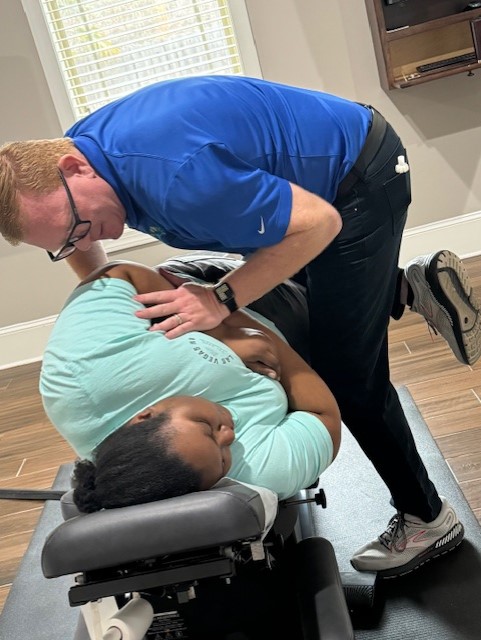
As a local chiropractor dedicated to helping my community, I want to shed some light on how chiropractic adjustments can transform your experience with lower back pain. If you've been living with discomfort, it may be time to consider a visit to our clinic. We specialize in hands-on spinal manipulation that can realign your body, alleviating pain and enhancing your overall function.
Here's what you can expect when you come in for chiropractic care:
- Comprehensive Assessment: Our journey begins with a detailed assessment. I'll conduct a physical exam and, if necessary, recommend imaging tests. This thorough process helps identify the underlying cause of your pain.
- Tailored Treatment Plan: After understanding your unique situation, I'll create a personalized treatment plan just for you. Depending on your specific needs, this may involve multiple adjustments over several weeks to ensure optimal results.
- Spinal Manipulation: During an adjustment, I'll apply controlled force to specific joints in your spine. This technique is designed to restore mobility, reduce nerve irritability, and promote the body's natural healing processes.
- Lifestyle and Wellness Recommendations: In addition to adjustments, I may offer advice on lifestyle changes, exercises, and ergonomic practices to help you prevent future pain and enhance your quality of life.
Many of my patients experience immediate relief after just one session, while others find that their improvement unfolds gradually over time.
It's crucial to maintain open communication with me about your pain levels and any concerns as we progress through your treatment.
If you're seeking a holistic approach to managing lower back pain and want to explore natural healing, chiropractic adjustments might be the key you've been looking for.
I encourage you to consider this option as part of your overall treatment journey. Together, we can help you regain your comfort and vitality!
Massage Therapy
As a local chiropractor dedicated to your health and wellness, I want to share how massage therapy can serve as a valuable complementary treatment for lower back pain. When you receive a massage, skilled therapists use hands-on techniques to manipulate your muscles and soft tissues, effectively alleviating discomfort and enhancing mobility. This approach not only helps reduce muscle spasms but also increases blood flow, which is crucial for the healing process.
The benefits of massage therapy extend beyond just physical relief. It can also play a significant role in managing stress levels, which often contribute to chronic pain. By incorporating regular massage sessions into your routine, you may experience a greater sense of well-being and improved mental clarity, making it easier to cope with any pain you may be facing.
There are various massage techniques tailored to address lower back pain specifically. Deep tissue massage, for instance, targets the deeper layers of muscle and connective tissue, providing relief from tight and sore areas.
Alternatively, Swedish massage employs gentle, flowing strokes that promote relaxation and help reduce tension throughout the body. Trigger point therapy is another option, focusing on specific painful knots within the muscles that can lead to discomfort.
Before embarking on any massage therapy, I encourage you to consult with me or your healthcare provider, especially if you have any underlying health conditions. Open communication is key; sharing your pain levels and specific areas of discomfort with your therapist allows them to customize the session to meet your individual needs.
Acupuncture Treatments
As a local chiropractor, I want to shed light on the benefits of alternative therapies like acupuncture, particularly for those suffering from lower back pain. This ancient practice, which is a key component of Traditional Chinese Medicine, involves the insertion of thin needles into specific points on the body. Many of my patients have found that acupuncture can be a valuable tool in their pain management journey, promoting overall wellness alongside chiropractic care.
Here are some key benefits of acupuncture that you might find helpful:
- Pain Relief: Acupuncture has been shown to stimulate your body's natural pain-relieving mechanisms, which can be especially beneficial for alleviating discomfort in the lower back.
- Improved Blood Flow: The process of needle insertion can enhance circulation in the affected areas, aiding in healing and reducing inflammation—a crucial factor in recovery.
- Stress Reduction: One of the benefits my patients often report is the reduction in stress levels after acupuncture sessions. Since stress can intensify pain, feeling more relaxed can greatly enhance your overall treatment experience.
- Complementary Therapy: Acupuncture can work harmoniously with chiropractic adjustments and other treatments, such as physical therapy or medications, offering a more comprehensive approach to managing pain.
When you visit a licensed acupuncturist, they'll develop a personalized treatment plan tailored to your specific needs. Many patients leave their sessions feeling relaxed and rejuvenated, often experiencing longer-lasting relief as part of their overall healing process.
While everyone's response to acupuncture can vary, it's certainly worth considering as a complementary option for managing your lower back pain.
As always, I encourage you to consult with your healthcare provider before starting any new treatment to ensure it aligns with your health goals. Together, we can explore all available options to support your journey to wellness.
Lifestyle Modifications
As a local chiropractor dedicated to helping you achieve optimal health, I want to share some small yet impactful lifestyle modifications that can significantly enhance your lower back health.
First and foremost, let's talk about posture. Whether you find yourself sitting at a desk or standing in line, maintaining a straight back and relaxed shoulders is crucial. Investing in ergonomic furniture can be a game-changer, providing the necessary support for your spine during those long hours of sitting.
Incorporating regular physical activity into your daily routine is another vital step. Aim for at least 30 minutes of moderate exercise most days of the week. Simple activities like walking, swimming, or cycling can strengthen your back muscles and improve your flexibility.
Don't overlook the importance of stretching exercises; they're essential for maintaining mobility and preventing stiffness in your back.
It's also important to be mindful of your weight. Carrying excess weight can place additional strain on your lower back. Embracing a balanced diet filled with fruits, vegetables, whole grains, and lean proteins not only supports weight management but also contributes to your overall health.
When it comes to sleep, choosing a mattress that offers adequate support is key. I recommend sleeping on your side with a pillow between your knees, as this position helps maintain proper alignment of your spine.
Lastly, remember to take regular breaks throughout your day. If your work requires prolonged sitting, make it a habit to stand up, stretch, and walk around every hour. This simple practice can help reduce tension and promote healthy circulation.
As your chiropractor, I encourage you to consider these lifestyle modifications as part of your journey towards better spinal health and overall well-being.
Conclusion
As a local chiropractor, I want to help you understand that finding relief from lower back pain can be achieved through a variety of effective treatments that are tailored specifically to your individual needs. Chiropractic care focuses on the alignment of your spine and overall musculoskeletal health, which can significantly alleviate pain. Alongside chiropractic adjustments, you may also benefit from over-the-counter medications or physical therapy to support your recovery.
It's also worth considering holistic approaches, such as acupuncture, which many patients find helpful in reducing discomfort. Additionally, incorporating lifestyle modifications, such as improving your posture and engaging in regular exercise, can play a crucial role in preventing future pain. By embracing these steps, you can reclaim your comfort and enhance your overall well-being. Let's work together on your journey to relief today!