
You might not realize how essential spinal alignment is to your overall health until discomfort strikes. By integrating certain exercises, making ergonomic adjustments, and embracing lifestyle changes, you can greatly improve your spinal health. Simple practices like specific stretches and mindful workspace setups can make a world of difference. Plus, regular chiropractic care can help maintain that alignment you're working towards. What you may not know is how these techniques work together to create lasting benefits, and it's worth exploring the details of each approach.
Importance of Spinal Alignment
Spinal alignment plays an essential role in your overall health and well-being. When your spine is properly aligned, it supports your body's functions and helps prevent various health issues. Misalignment can lead to discomfort, pain, and even long-term complications. You mightn't realize it, but the way your spine is positioned can considerably impact your daily life.
Good spinal alignment allows your nervous system to operate efficiently. When your spine is in the right position, nerves can communicate effectively with your body, reducing the risk of pain and dysfunction. If you've ever experienced back pain, you know how disruptive it can be to your routine. Maintaining proper alignment can help you avoid such discomfort, allowing you to focus on what really matters in your life.
Moreover, proper spinal alignment contributes to better posture. Good posture not only enhances your appearance but also promotes confidence and reduces fatigue. You may find that when you stand tall and move with ease, you feel more energized throughout the day. This alignment can also improve your breathing and digestion, as a properly aligned spine allows your organs to function efficiently.
Finally, investing time and effort into maintaining your spinal alignment can lead to long-term benefits. You'll likely find that with better alignment, you experience fewer injuries and a greater sense of well-being. Prioritizing your spine's health is an essential step toward enjoying a healthier and more active life.
Exercises for Spine Health
Maintaining a healthy spine requires incorporating specific exercises into your routine. These exercises strengthen your core, improve flexibility, and promote better posture, all of which contribute to spinal health.
Start with simple stretches like the cat-cow stretch. Get on all fours, arch your back upwards, then dip it down while lifting your head. This movement increases flexibility and warms up your spine.
Next, try pelvic tilts. Lie on your back with your knees bent. Tighten your abdominal muscles and gently flatten your lower back against the floor. Hold for a few seconds, then release. This exercise engages your core and helps stabilize your spine.
Plank exercises are also great for building core strength. Position yourself face down, resting on your forearms and toes. Keep your body straight from head to heels and hold for 20-30 seconds. As you get stronger, increase the duration.
Don't forget about the importance of back extensions. Lie face down with your hands under your chin. Lift your chest off the ground while keeping your lower body relaxed. This strengthens the muscles along your spine.
Finally, consider incorporating yoga or pilates into your routine. Both offer a variety of poses that enhance flexibility and core strength, supporting spinal alignment.
Be consistent with these exercises, and you'll notice improvements in your spinal health over time. Always listen to your body and consult a professional if you're unsure about any movements. Your spine will thank you!
Ergonomics at Work
Creating a comfortable workspace is vital for preventing strain and promoting good posture. Start by evaluating your desk setup. Your chair should support your lower back, allowing your feet to rest flat on the ground or on a footrest.
Adjust the height of your chair so that your knees are at a 90-degree angle, which helps reduce pressure on your spine.
Next, position your computer monitor at eye level about an arm's length away. This prevents you from leaning forward or straining your neck. If you use a laptop, consider a stand or a separate keyboard to maintain this ergonomic setup.
Keep your wrists straight while typing, and use a wrist rest if necessary.
Pay attention to how often you take breaks. Sitting for long periods can lead to stiffness and discomfort. Set a timer to remind yourself to stand, stretch, or walk around every hour.
These short breaks can greatly improve your overall comfort and productivity.
Don't forget about your lighting. Make sure your workspace is well-lit to reduce eye strain, and position your screen to avoid glare from windows or overhead lights.
This simple adjustment can make a big difference in how you feel throughout the day.
Role of Chiropractic Care
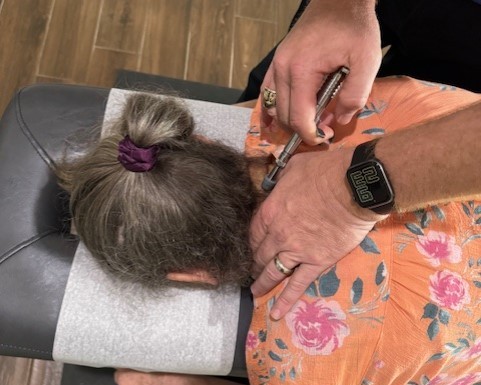
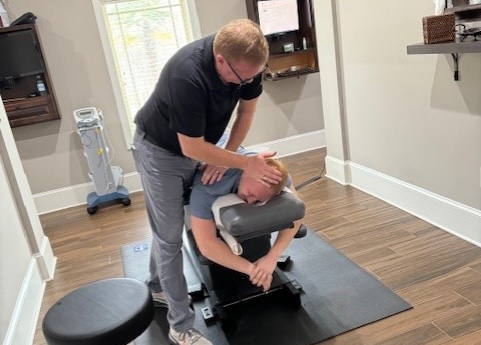
Chiropractic care plays an essential role in promoting and maintaining perfect spinal health. When you visit a chiropractor, you're not just seeking relief from pain; you're investing in the overall alignment and functionality of your spine. This holistic approach targets misalignments, or subluxations, that can lead to discomfort and other health issues. By correcting these misalignments, chiropractic care helps restore your spine's natural curvature and function.
Here are some key benefits of chiropractic care for spinal health:
- Pain Relief: You'll often experience immediate relief from back, neck, and joint pain following adjustments.
- Improved Mobility: Regular chiropractic visits can enhance your range of motion, making daily activities easier and more enjoyable.
- Preventative Care: By maintaining spinal alignment, you can prevent future issues, keeping your body functioning efficiently.
- Holistic Wellness: Chiropractic care focuses on the body as a whole, helping to balance your nervous system and improve overall health.
Incorporating chiropractic care into your routine can greatly impact your spinal health. By working with a trained professional, you're taking proactive steps to guarantee your spine remains aligned and healthy.
Whether you're dealing with chronic pain or just want to maintain your body's natural state, regular chiropractic adjustments should be part of your wellness strategy. So don't wait—make that appointment and start your journey toward better spinal alignment today!
Lifestyle Changes for Better Posture
While you mightn't think about it often, the way you carry yourself throughout the day greatly affects your posture and spinal alignment. Simple lifestyle changes can make a significant difference in how you maintain your posture, both at work and during leisure activities.
Start by being mindful of your sitting habits. If you spend long hours at a desk, invest in an ergonomic chair that supports your back. Adjust your computer screen to eye level to avoid slouching forward. Take regular breaks to stand, stretch, and move around. This not only helps your posture but also boosts your energy levels.
Incorporating physical activity into your daily routine is another essential change. Engage in exercises that strengthen your core, as a strong core supports your spine. Activities like yoga and Pilates are excellent choices, promoting flexibility and alignment. Aim for at least 30 minutes of moderate exercise most days of the week.
Pay attention to your footwear, too. Wearing supportive shoes can help maintain proper alignment. If you frequently wear high heels, try to balance this with more supportive footwear whenever possible.
Finally, practice good posture in your daily life. When standing, keep your shoulders back and your head aligned with your spine. When walking, focus on moving with intention and balance.
Conclusion
Incorporating trusted techniques for better spinal alignment can greatly enhance your overall well-being. By engaging in targeted exercises, optimizing your workspace ergonomics, and seeking regular chiropractic care, you can improve your posture and reduce discomfort. Embracing lifestyle changes, like staying active and mindful of your body mechanics, will further support your spinal health. Remember, a well-aligned spine not only feels good but also contributes to a healthier, more active life. Prioritize your spine, and you'll reap the benefits!