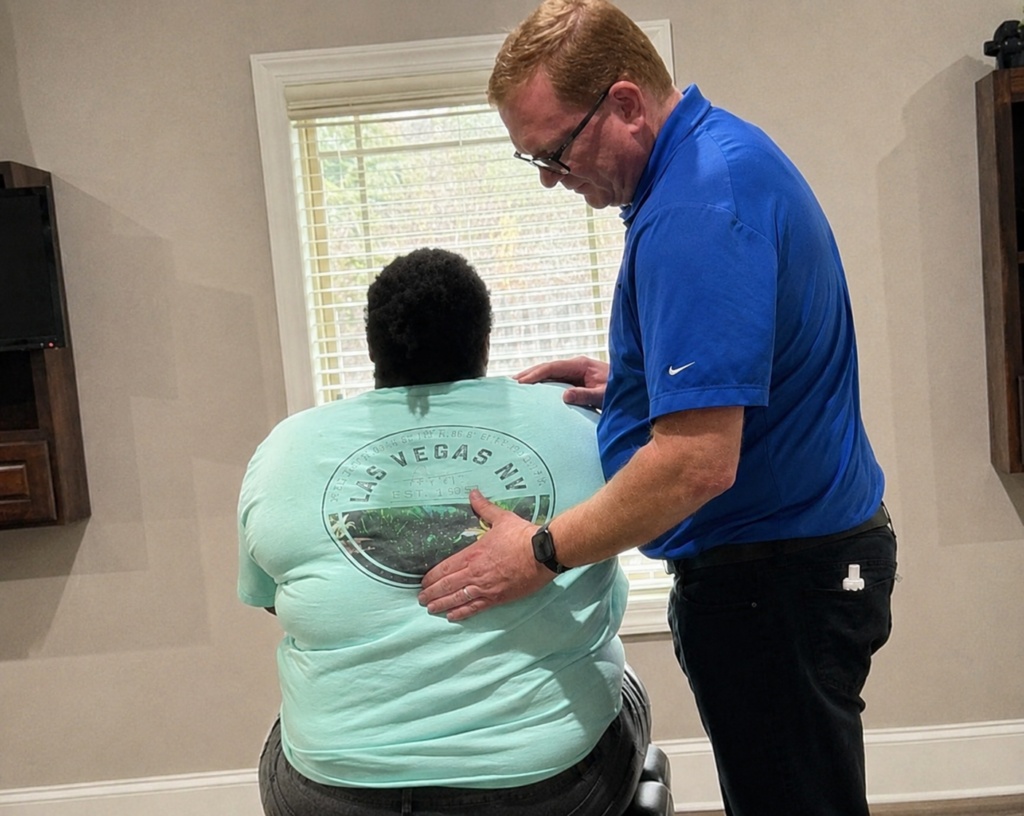

If you are experiencing ongoing back pain, it's important to realize that finding lasting relief often involves a comprehensive approach. As a local chiropractor, I want to emphasize that strengthening your core, making ergonomic adjustments to your workspace, and incorporating mindfulness practices can significantly enhance your well-being. If you're feeling uncertain about where to begin, exploring various strategies that cater to your individual needs might be the key to unlocking a life free from discomfort. Let's delve into some trusted techniques that can help you reclaim control and comfort in your everyday activities, all while embracing the natural healing benefits of chiropractic care.
Understanding Back Pain Causes
As a local chiropractor, I'm here to help you understand the various causes of back pain and how we can work together towards effective relief. Back pain can arise from a number of factors, and recognizing the underlying issue is the first crucial step in your healing journey.
One of the most common contributors I see in my practice is poor posture. Many of us spend extended periods sitting at desks, often without the proper ergonomic setup. This slouching can put undue strain on your spine and lead to muscle fatigue. You may not even be aware of how your sitting habits are impacting your back health, but addressing this can make a significant difference.
Muscle strain is another frequent cause of discomfort. Improper lifting techniques or overexertion during physical activities can stretch or tear the muscles in your back. It's essential to be mindful of how you lift and move throughout your day to prevent these types of injuries.
Furthermore, a sedentary lifestyle can weaken your back muscles, making them more prone to pain. Accidents, whether from sports or everyday mishaps, can also result in acute back pain. Whiplash from car accidents or strains from falls can lead to lasting issues if not addressed properly.
Even something as seemingly harmless as a poor-quality mattress can contribute to your discomfort. If you find yourself waking up with pain, it may be time to reassess your sleeping situation.
Additionally, chronic back pain can stem from underlying medical conditions such as herniated discs, arthritis, or scoliosis. If your discomfort persists despite making lifestyle changes, it's important to consult with a healthcare professional, like myself, to determine the exact cause and develop an individualized treatment plan that suits your needs.
Understanding these causes is essential for guiding you towards effective back pain relief through natural healing methods and chiropractic care. Together, we can work to enhance your back health and overall well-being.
Strengthening Core Muscles
As a local chiropractor, I want to emphasize the importance of strengthening your core muscles for maintaining a healthy back and preventing pain. Many people may not realize how interconnected these muscles are to overall spinal health.
By incorporating effective core exercises into your routine, you not only build strength but also enhance your stability. This added support plays a crucial role in reducing your risk of injury and improving your posture.
A strong core can alleviate pressure on your spine, making it easier for me to help you achieve optimal health through chiropractic care. By focusing on your core, you're taking an important step toward natural healing and a pain-free life.
Importance of Core Strength
As a local chiropractor, I want to emphasize the significance of developing a strong core for your overall health and well-being. A robust core is crucial for stability and can significantly reduce back pain, which is something many of my patients experience.
Your core muscles are vital in supporting your spine and ensuring proper posture. When these muscles are weak, it can lead to imbalances that put extra strain on your back, often resulting in discomfort and pain. By prioritizing core strength, you're not just safeguarding your back; you're also enhancing your overall physical health.
Allow me to share some important benefits of a strong core:
- Improved Posture: Strengthening your core muscles helps you maintain proper alignment, which reduces the strain on your back and promotes better posture.
- Enhanced Balance: A strong core improves your stability, making everyday movements safer and more manageable, reducing your risk of falls or accidents.
- Reduced Risk of Injury: By developing a strong core, you provide better support for your body during physical activities, which can help prevent injuries.
- Increased Functional Strength: A robust core makes daily tasks easier, whether it's lifting groceries or engaging in recreational sports, allowing you to move with more confidence.
- Better Athletic Performance: If you're an athlete or enjoy sports, a powerful core can enhance your performance by improving overall body coordination and efficiency.
Incorporating core-strengthening exercises into your routine can be a simple yet effective way to support your spine and improve your overall health.
If you have any questions about how chiropractic care can further assist you in this journey, please feel free to ask during your next visit!
Effective Core Exercises
As a local Chiropractor, I want to emphasize the importance of building a strong core for overall spinal health and well-being. Many patients may not realize that strengthening your core can significantly help alleviate back pain and improve posture.
Fortunately, there are simple exercises you can incorporate into your routine that engage your abdominal, back, and pelvic muscles effectively.
One of my favorite exercises is the plank. To perform this, lie face down and lift your body off the ground, balancing on your forearms and toes. It's crucial to maintain a straight line from your head to your heels. Start by holding this position for 20 to 30 seconds, and as your strength improves, gradually increase the duration. This exercise helps stabilize your spine and supports proper alignment.
Another beneficial exercise is the bridge. Start by lying on your back with your knees bent and feet flat on the floor. Lift your hips toward the ceiling while squeezing your glutes at the top. Hold this position for a few seconds before gently lowering back down. Aim for 10 to 15 repetitions. The bridge not only strengthens your core but also enhances the stability of your pelvic region, which is vital for maintaining spinal health.
Don't overlook the dead bug exercise, either! Lie on your back, extend your arms toward the ceiling, and lift your legs to a 90-degree angle. Slowly lower one arm and the opposite leg towards the floor, then return to the starting position. Alternate sides, focusing on control and stability. This exercise is excellent for overall core engagement and coordination.
I encourage you to incorporate these exercises into your routine at least three times a week. Not only will you build a solid foundation for a strong core, but you'll also promote a pain-free back and enhance your overall health.
Core Stability Benefits
As a local Chiropractor, I want to share with you the incredible benefits of achieving core stability, which extend far beyond just looking good.
Strengthening your core muscles is essential for enhancing your overall physical health and performance. Here's how improved core stability can make a significant difference in your life:
- Reduced Back Pain: A strong core provides crucial support to your spine, alleviating pressure and helping to prevent discomfort that many of us experience in our daily lives.
- Better Posture: With enhanced core stability, you can maintain proper alignment, which helps reduce the risk of slouching or straining your back. Good posture is vital for your spinal health.
- Enhanced Athletic Performance: If you enjoy activities like running, cycling, or sports, a stable core can significantly improve your balance and coordination, allowing you to perform at your best.
- Injury Prevention: By strengthening your core, you can protect yourself from injuries, particularly in the lower back and joints. This is especially important for those who lead active lifestyles or have physically demanding jobs.
- Increased Functional Strength: Everyday tasks, such as lifting groceries or bending down, become much easier and safer when you have a well-conditioned core. This functional strength is key to maintaining your independence and quality of life.
At our practice, we believe in the power of natural healing and the role that core stability plays in your overall wellness.
Let's work together to strengthen your core and improve your health!
Ergonomic Workspace Setup
Creating an ergonomic workspace setup is essential for your comfort and well-being, and it can significantly enhance your productivity. As a chiropractor, I want to emphasize how the right arrangement can help prevent back pain and reduce strain on your body while you work.
Start by selecting a chair that offers proper lumbar support. It's crucial that your lower back is adequately supported, allowing your feet to rest flat on the floor or on a footrest. This foundational step is key in maintaining good posture and reducing stress on your spine.
Next, consider the height of your desk. Ideally, it should be at elbow height so that when your arms rest on the surface, your elbows form a 90-degree angle. This positioning is vital as it helps prevent shoulder strain and keeps your wrists in a neutral position while typing. If your desk isn't adjustable, a keyboard tray can be a worthwhile investment to help achieve the correct height.
The height of your monitor is also important. The top of the screen should be at or just below eye level, allowing you to maintain a neutral neck position. This means you should be able to look straight ahead without tilting your head. Aim to keep your monitor about an arm's length away to minimize eye strain.
Good lighting in your workspace is another factor that contributes to your comfort. Ensure your area is well-lit to reduce glare on your computer screen. While natural light is the best option, effective task lighting can also make a significant difference.
Lastly, keep frequently used items within arm's reach to avoid unnecessary twisting or stretching. By applying these ergonomic principles, you can create a workspace that not only feels comfortable but actively supports your body.
This allows you to concentrate on your tasks without being distracted by pain or discomfort, promoting a healthier work environment. Remember, your workspace plays a crucial role in your overall health, and I'm here to help you make the best choices for your body.
Stretching and Flexibility Exercises
As your local chiropractor, I want to emphasize the importance of incorporating stretching and flexibility exercises into your daily routine for better back health and overall wellness. Many of my patients find that engaging in these simple activities can significantly alleviate tension, improve mobility, and help prevent future injuries.
You don't need to set aside hours each day; just a few minutes can lead to noticeable improvements.
Here are some effective stretching and flexibility exercises that I recommend you can easily add to your routine:
- Cat-Cow Stretch: This dynamic movement is excellent for maintaining spinal flexibility and relieving tension in your back. It helps promote a healthy range of motion in the spine.
- Child's Pose: This restorative pose is fantastic for stretching the lower back and encouraging relaxation, which is essential for overall spinal health.
- Seated Forward Bend: This stretch effectively targets the hamstrings and lower back, promoting flexibility in these critical areas that often hold tension.
- Torso Twist: A gentle twist can help relieve tightness in the spine and improve rotational flexibility, which is vital for many daily activities.
- Knee-to-Chest Stretch: This straightforward stretch can help alleviate lower back tension, making it a great addition to your daily routine.
As with any new exercise, it's important to listen to your body. Stretch to the point of mild discomfort, but never to the point of pain. Aim to hold each stretch for about 15 to 30 seconds, breathing deeply to enhance relaxation.
You can perform these exercises at home, at work, or even during breaks in your day.
By committing to this practice, you're taking proactive steps toward maintaining a healthy back and improving your overall quality of life.
Alternative Therapies
As a local chiropractor, I want to share some valuable insights about alternative therapies that can help you manage back pain and enhance your overall well-being. Many of my patients have found relief through methods that work alongside traditional medical approaches. These therapies focus on holistic healing, addressing both the physical and emotional components of pain.
One of the most effective alternative therapies is chiropractic care. In our practice, we utilize hands-on manipulation to align the spine and improve mobility. Regular adjustments not only alleviate discomfort but also promote better posture, which is crucial for preventing future episodes of pain. Many individuals experience significant relief after just a few sessions, making chiropractic care an essential part of a comprehensive back pain management plan.
Additionally, I often recommend combining chiropractic care with other therapies, such as massage. Massage therapy can relax tight muscles, improve circulation, and reduce stress—all of which play a vital role in alleviating back pain. Whether you choose deep tissue, Swedish, or myofascial release, working with a skilled therapist can greatly enhance your comfort levels.
Acupuncture is another alternative therapy that complements chiropractic care beautifully. This ancient practice involves inserting thin needles into specific points on the body to stimulate energy flow. Many of my patients have reported remarkable relief from back pain after just a few acupuncture sessions.
Finally, I encourage you to consider herbal remedies and nutritional supplements as part of your healing journey. Natural anti-inflammatories like turmeric and ginger may help reduce pain. However, it's essential to consult with a healthcare professional, like myself, before starting any new supplements to ensure they're safe and appropriate for your individual needs.
Mindfulness and Stress Relief
As a local chiropractor, I want to share with you how mindfulness can be an effective approach to managing back pain. Many of my patients are surprised to learn that reducing stress and tension can significantly alleviate discomfort.
By integrating meditation techniques and breathing exercises into your daily routine, you can foster a sense of calm that positively impacts both your mind and body.
Let's delve into how these mindfulness practices can complement chiropractic care and support your journey toward pain relief.
Meditation Techniques Overview
As a chiropractor, I often see patients who are struggling with back pain and are looking for effective ways to manage their discomfort. One approach that can significantly enhance your healing journey is the practice of meditation. By incorporating meditation into your daily routine, you can develop mindfulness and stress relief techniques that not only promote relaxation but also help alleviate back pain.
Here are some meditation techniques that I frequently recommend to my patients:
- Mindfulness Meditation: This technique encourages you to focus on the present moment. By observing your thoughts and physical sensations without judgment, you can become more aware of the patterns that contribute to your pain.
- Body Scan: This involves directing your attention to different areas of your body, particularly those areas where you feel tension or discomfort. By consciously releasing this tension, you can promote healing and relaxation.
- Guided Visualization: Imagine a peaceful and calming environment. This imagery can help your mind and body relax deeply, which is essential for healing from back pain.
- Loving-Kindness Meditation: This practice fosters feelings of compassion and love towards yourself and others, which can help build emotional resilience and improve your overall well-being.
- Walking Meditation: By combining movement with meditation, you can focus on each step you take. This practice helps ground you in the present moment while also easing physical tension in your body.
Incorporating these meditation techniques into your life can complement the chiropractic care I provide, leading to a more holistic approach to managing your back pain and improving your overall health.
Breathing Exercises Benefits
As a chiropractor, I want to emphasize the importance of breathing exercises in your journey toward better health, especially if you're dealing with back pain. These exercises can significantly enhance your mindfulness and help alleviate stress. By concentrating on your breath, you create a valuable moment of pause, allowing you to reconnect with your body and the present moment. This practice can help shift your focus away from discomfort, easing the mental strain that often accompanies pain.
When you engage in deep breathing, you activate your body's natural relaxation response. This is crucial because it helps lower cortisol levels, which can contribute to stress and tension in your back. By inhaling deeply through your nose and exhaling slowly through your mouth, you increase oxygen flow to your muscles. This promotes relaxation and can help reduce tightness in your back.
Incorporating breathing exercises into your daily routine can also enhance your overall mindfulness. This increased awareness of your body and its signals can lead to more effective management of your back pain.
Whether you practice these exercises during a dedicated meditation session or simply whenever you feel overwhelmed, taking a few moments to focus on your breath can provide immediate relief and a sense of tranquility, even amidst the challenges of back pain.
As your chiropractor, I encourage you to explore these techniques as part of a holistic approach to your health and well-being.
When to Seek Professional Help
As a local chiropractor, I want to emphasize the importance of recognizing when to seek professional help for back pain. Ignoring persistent discomfort can lead to more serious issues and prolonged suffering.
If you're experiencing any of the following symptoms, it's essential to consult a healthcare professional, such as a chiropractor, who specializes in natural healing.
- Severe Pain: If your back pain is sharp, debilitating, or doesn't improve with home remedies, it's time to reach out for assistance. Chiropractic care can help alleviate pain and address the underlying causes.
- Pain After an Injury: If your back pain arises following an accident or fall, it may indicate a more serious issue that needs immediate evaluation. Chiropractors are skilled in assessing and treating injury-related pain effectively.
- Numbness or Weakness: Experiencing numbness, tingling, or weakness in your legs or arms could signal nerve involvement. This is a condition that should be promptly assessed by a chiropractor to prevent further complications.
- Loss of Bladder or Bowel Control: This symptom could indicate a serious condition known as cauda equina syndrome, which requires immediate medical attention. Seeking help from a healthcare provider is crucial in such cases.
- Fever or Unexplained Weight Loss: If you have back pain accompanied by fever or unexplained weight loss, it may suggest an underlying health issue that warrants further investigation. A chiropractor can help guide you through the process of diagnosis and care.
Don't wait for your symptoms to worsen. Seeking professional help early on can lead to a proper diagnosis and a personalized treatment plan tailored to your needs.
Your back is integral to your overall well-being, and addressing pain as soon as it arises is vital for achieving lasting relief. Prioritize your health by consulting a chiropractor when necessary; we're here to help you on your path to recovery and natural healing.
Conclusion
As a local chiropractor dedicated to your health, I want to share some trusted techniques that can help you achieve lasting relief from back pain. One of the first steps is to strengthen your core, as a strong core supports your spine and can alleviate pressure. Additionally, setting up an ergonomic workspace is crucial; it helps promote good posture and reduces strain on your back throughout the day.
Practicing mindfulness can also play a significant role in your overall comfort and well-being. It encourages you to be more aware of your body and its needs, which can help you manage pain more effectively. I also recommend incorporating regular stretching into your routine, as it helps maintain flexibility and reduces tension in your muscles.
Don't hesitate to explore alternative therapies that resonate with you, such as acupuncture, massage, or yoga, which can complement chiropractic care and support your healing process. If you find that your pain persists despite trying these methods, seeking professional help is essential. As your chiropractor, I am here to guide you on your journey to better back health. Take charge of your well-being today, and let's work together towards a more active, pain-free life!