
As a local chiropractor, I understand how debilitating back pain can be for many individuals. However, I want to assure you that finding effective relief doesn't have to be an overwhelming journey. There are trustworthy techniques that I recommend, including targeted exercises and mindful practices, which can significantly enhance your comfort and mobility.
You may be surprised to learn that simple adjustments in your daily routine—such as incorporating heat therapy or improving your posture—can lead to substantial improvements in your well-being. By embracing these strategies, you can discover not just temporary relief, but a pathway to lasting wellness that extends beyond mere management of symptoms.
I encourage you to take that first step towards healing. Whether it's scheduling a consultation to discuss your specific needs or starting to integrate some of these practices at home, the journey to a pain-free life is within reach. What will your first step be?
Understanding Back Pain
As a local chiropractor, I want to help you understand back pain and its impact on your daily life. Many people experience back pain, which can turn even the simplest tasks into daunting challenges. Whether you're dealing with a dull ache or a sharp twinge, gaining insight into back pain is essential for effective management.
Often, back pain arises from various factors such as poor posture, muscle strain, or even emotional stress. By identifying these causes, you can better understand where the discomfort is coming from.
Your spine is an intricate structure composed of bones, muscles, and nerves, all working together to support your body. When an issue arises—like a herniated disc or a strained muscle—it can result in significant pain that disrupts your everyday activities.
Additionally, you might experience referred pain, which is discomfort felt in one area, such as your legs, that actually originates from your back.
Listening to your body is crucial. If you find that your pain persists, I encourage you to seek guidance from a healthcare professional, like me. I can conduct a comprehensive evaluation to identify the underlying causes of your back pain and help you explore natural, holistic treatment options that can alleviate your discomfort.
It's also important to recognize the role your lifestyle plays in your back health. Leading a sedentary lifestyle can weaken your core muscles, contributing to instability and pain. Conversely, engaging in regular physical activity and maintaining a healthy weight can significantly lower your risk of developing back issues.
Understanding back pain is the first step toward reclaiming your comfort and mobility. Together, we can develop effective relief strategies tailored to your individual needs, allowing you to live a healthier, pain-free life.
Stretching and Strengthening Exercises
As a local chiropractor, I want to share with you the importance of incorporating stretching and strengthening exercises into your daily routine for effective pain relief and overall wellness. These movements are essential in enhancing flexibility, reducing muscle tension, and building strength in the muscles that support your back. By making time for these exercises, you can't only alleviate discomfort but also prevent future pain.
To begin, I recommend starting with gentle stretches to help loosen tight muscles. Simple techniques such as the cat-cow stretch or child's pose can significantly ease tension in your back. Aim to hold each stretch for 20 to 30 seconds, concentrating on your breathing and allowing your body to relax. You may find that consistent stretching improves your overall mobility and contributes to your recovery.
Once you're comfortable with stretching, it's important to include strengthening exercises in your regimen, particularly focusing on your core. A strong core is crucial for supporting your spine and maintaining proper alignment. Consider incorporating exercises like planks, bridges, and pelvic tilts into your routine. Aim for two to three sets of 10 to 15 repetitions for each exercise, gradually increasing the intensity as you build strength. Always remember to perform these movements with control to avoid any strain.
For the best results, I encourage you to integrate these exercises into your daily routine, ideally at least three times a week. Consistency is vital for achieving real progress. Pay attention to your body; if you experience any pain, it's important to stop and reassess your form or consult with a professional, like myself, for guidance.
By combining these stretching and strengthening exercises, you not only aid in pain relief but also foster long-term health for your back. By committing to these practices, you're actively participating in your recovery and overall well-being, setting the stage for a more comfortable, pain-free life.
Posture Improvement Techniques
As a local chiropractor, I want to emphasize the importance of proper posture for your overall health. Many of my patients come to me seeking relief from back pain, and I often find that poor posture is a significant contributing factor. By making a few simple changes, you can greatly improve your posture and, in turn, enhance your well-being.
First and foremost, consider setting up an ergonomic workspace. This means arranging your desk, chair, and computer in a way that supports your body's natural alignment. A chair with proper lumbar support and a desk at the right height can make a world of difference.
Additionally, I encourage you to practice mindful sitting. This involves being aware of your posture throughout the day. Keep your back straight, shoulders relaxed, and feet flat on the ground. These small adjustments may seem minor, but they can significantly impact how you feel physically and mentally.
Ergonomic Workspace Setup
As a local chiropractor, I want to share with you how creating an ergonomic workspace can significantly improve your comfort and productivity throughout your workday.
It all starts with your chair; make sure it supports your lower back properly. Your feet should be flat on the floor or resting on a footrest, with your knees at or slightly below hip level to promote healthy circulation.
Next, position your desk so that your elbows form a 90-degree angle while you type, ensuring that your wrists remain straight. Your computer monitor should be about an arm's length away, and the top of the screen should be at or just below eye level. This positioning helps maintain a neutral neck posture, which is essential for reducing strain and discomfort.
When it comes to your keyboard and mouse, keep them close enough to avoid stretching your arms too far. If you're spending long hours typing, consider using a wrist rest to provide additional support.
Proper lighting in your workspace is also crucial. A well-lit area can help reduce eye strain, allowing you to focus better.
Lastly, remember to take regular breaks to stand, stretch, and move around. These breaks are vital for enhancing circulation and preventing stiffness, which can contribute to discomfort and back pain.
By following these ergonomic principles, you can create a workspace that supports better posture and helps alleviate the discomfort that often leads to chiropractic visits.
Your body will thank you for it!
Mindful Sitting Practices
As a local chiropractor, I want to share how mindful sitting practices can significantly improve your daily comfort and posture, ultimately enhancing your overall well-being. Many people underestimate the impact of how we sit; however, by paying attention to your sitting habits, you can alleviate back pain and promote better health.
First, it's essential to choose a supportive chair that encourages an upright posture. Ensure that your feet are flat on the floor and that your knees are bent at a 90-degree angle. This alignment helps maintain the natural curve of your spine, reducing strain and discomfort.
While seated, engage your core muscles. This simple action provides additional support to your spine, helping to prevent slumping and hunching. Keep your shoulders relaxed, and be mindful of your posture throughout the day. A helpful practice is to close your eyes for a moment and take a few deep breaths. This brief exercise can help you tune into your body and identify any areas of tension that may need attention.
Additionally, it's crucial to incorporate regular movement into your sitting routine. I recommend standing up, stretching, or taking a short walk every 30 to 60 minutes. These movement breaks are vital as they interrupt the cycle of prolonged sitting, which can lead to discomfort and other health issues.
Lastly, consider using mindfulness techniques while you sit. Focus on your breath or the sensations in your body to remain present and aware. This practice can enhance your sitting experience and promote better alignment, which is key to preventing pain and maintaining spinal health.
Embracing these mindful sitting practices can be a powerful step towards a healthier, more comfortable lifestyle.
Heat and Cold Therapy
As your local chiropractor, I want to share some valuable insights about managing back pain through heat and cold therapy. These techniques can truly be transformative in your healing journey.
Heat therapy is beneficial because it promotes increased blood flow, which helps to relax tight muscles and alleviate discomfort. It's an excellent way to prepare your body for movement and relieve tension.
On the other hand, cold therapy is effective in reducing inflammation and numbing sharp pain, making it an essential tool for managing acute injuries.
Understanding how to properly use heat and cold therapy can greatly enhance your recovery process. By incorporating these natural healing methods into your routine, you can experience significant relief from back pain.
If you have any questions or need guidance on how to apply these therapies effectively, please feel free to reach out. Your well-being is our priority!
Benefits of Heat Therapy
As a local chiropractor, I want to share with you the many advantages of heat therapy for alleviating back pain, especially after a long day filled with physical activity or extended periods of sitting.
Applying heat can help relax your tense muscles, which often play a significant role in causing discomfort in your back. When you introduce heat to the affected area, it increases blood flow, which not only promotes healing but also helps reduce stiffness.
There are various heat sources you can utilize, such as heating pads, warm towels, or even indulging in a hot bath, to discover what works best for you. Heat therapy offers immediate relief and can also enhance your overall flexibility.
As your muscles begin to relax, you may notice an increased range of motion, making daily activities more manageable and comfortable. Moreover, heat therapy can uplift your mood by promoting the release of endorphins—your body's natural pain relievers.
This benefit is particularly valuable for those dealing with chronic pain. However, it's essential to apply heat in moderation; I recommend using it for about 15 to 20 minutes at a time to prevent any skin irritation.
Advantages of Cold Therapy
As your local chiropractor, I want to share some valuable insights about managing back pain, particularly through the use of cold therapy. While many people are familiar with heat therapy for relaxing muscles, cold therapy can provide significant advantages, especially when it comes to reducing inflammation and numbing sharp pain.
Cold therapy is often applied using ice packs or cold compresses, and it's especially effective during flare-ups of back pain. It can quickly alleviate intense discomfort, making it a useful tool for those sudden episodes of pain.
One of the key benefits of cold therapy is its ability to limit swelling that often accompanies back injuries. By applying cold to the affected area for about 15-20 minutes, you can constrict blood vessels, which reduces blood flow and minimizes inflammation. This technique is particularly beneficial immediately after an injury occurs or during particularly painful episodes.
I also encourage my patients to consider alternating between heat and cold therapy for optimal relief. Cold therapy can effectively manage the initial pain and swelling, while heat therapy can follow to help relax tight muscles and improve blood circulation.
Just a friendly reminder: always protect your skin with a cloth when using ice to avoid frostbite.
Incorporating cold therapy into your back pain management routine can empower you to take an active role in your recovery. It can help you regain mobility and comfort, allowing you to feel more in control of your health and well-being.
If you have any questions or would like to discuss how chiropractic care can further assist you, feel free to reach out!
Mindfulness and Relaxation Strategies
As a chiropractor, I understand that back pain can often feel overwhelming for many of my patients. However, I want to share with you some mindfulness and relaxation strategies that can significantly alleviate discomfort and improve your overall well-being. These techniques not only help in managing pain but also reduce stress and enhance your quality of life.
One of the simplest yet most effective strategies is practicing deep breathing exercises. By inhaling deeply through your nose and exhaling slowly through your mouth, you can activate your body's natural relaxation response. I recommend dedicating a few minutes each day to this practice; it's a great way to center yourself and ease tension in your back.
Another valuable technique is mindfulness meditation. Find a quiet space, sit in a comfortable position, and close your eyes. Focus on your breath or choose a specific word or phrase that resonates with you. When thoughts about your pain come to mind, acknowledge them without judgment and gently bring your attention back to your breath. This practice can help create emotional distance from the pain, making it feel less overwhelming.
Incorporating gentle yoga or stretching routines can also be incredibly beneficial for your back health. I encourage you to explore poses that enhance flexibility and strength while promoting relaxation. These movements can help relieve tension and also foster mindfulness as you tune into your body's sensations.
Lastly, never underestimate the power of visualization. Picture a peaceful setting or recall a moment when you felt completely free from pain. Allow yourself to fully immerse in that imagery; this can help shift your focus away from discomfort and foster a more positive mindset.
Professional Treatments and Therapies
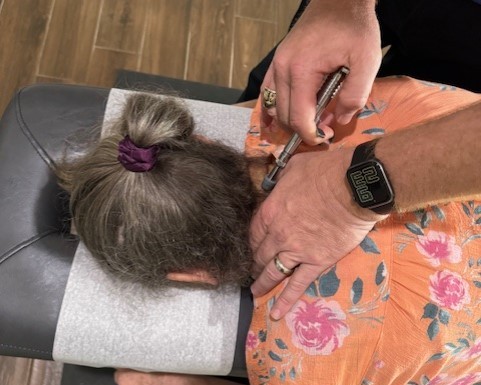
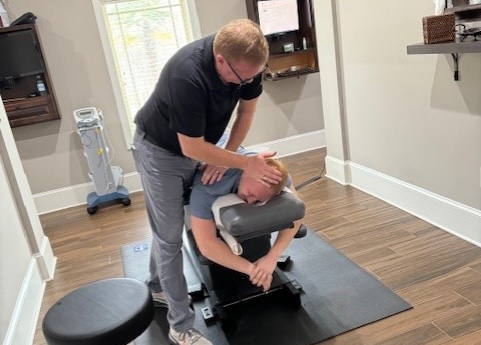
As a local chiropractor, I understand that many individuals dealing with persistent back pain may be unfamiliar with how chiropractic care can play a vital role in your recovery journey. By consulting with a chiropractor, you open yourself up to a natural and holistic approach to healing that's tailored to your unique needs.
Chiropractic care focuses on the relationship between your spine and the nervous system. Through gentle spinal adjustments, we work to realign your vertebrae, relieving pressure on nerves and potentially offering immediate relief from discomfort. This approach not only alleviates pain but can also enhance your overall mobility and improve your quality of life.
In addition to spinal adjustments, we often recommend complementary therapies that can further support your recovery:
- Physical Therapy: We collaborate with physical therapists to create personalized exercise programs that strengthen your back muscles and improve flexibility. This partnership helps you regain mobility and confidence in your movements.
- Massage Therapy: Therapeutic massage can be integrated into your treatment plan to target tight muscles and fascia. This promotes relaxation and increases blood flow, which is essential for healing.
By engaging in chiropractic care and these additional therapies, you're taking a proactive step toward managing your health.
You'll likely discover effective coping strategies and techniques that make daily activities more manageable and enjoyable.
Remember, you don't have to live with pain; with chiropractic care, you can reclaim a life free from its constraints.
Let's work together to achieve your health goals and enhance your well-being.
Lifestyle Modifications for Prevention
As a local chiropractor, I want to share with you some valuable insights on how lifestyle modifications can help prevent back pain, something many people believe is just a part of life. Understanding how to care for your body can make a significant difference in your overall well-being.
First and foremost, let's talk about posture. Whether you're at your desk working or lifting items, it's crucial to maintain proper alignment. This can help prevent unnecessary strain on your back. I recommend investing in ergonomic furniture that provides proper support for your spine. Additionally, make it a habit to take breaks to stand and stretch throughout your day.
Staying active is another key factor. Regular exercise strengthens the muscles that support your spine and enhances your flexibility. I suggest aiming for a balanced routine that includes cardiovascular activities, strength training, and stretching. Activities like yoga and Pilates can be particularly beneficial for building core strength and improving your posture.
Maintaining a healthy weight is also essential. Excess weight can place additional stress on your back, which may lead to discomfort over time. By following a nutritious diet and engaging in regular physical activity, you can achieve and maintain a healthy weight, which in turn benefits your back.
Don't overlook the importance of your sleep habits. A supportive mattress is vital for a restful night's sleep, and your sleeping position can greatly impact spinal alignment. I recommend sleeping on your back with a pillow under your knees or on your side with a pillow between your legs to help maintain proper alignment.
Lastly, let's discuss the importance of managing stress. High stress levels can lead to muscle tension, which may trigger back pain. Incorporating relaxation techniques such as deep breathing, meditation, or hobbies you enjoy can be an excellent way to keep stress at bay.
Conclusion
As your local chiropractor, I want to share some trusted techniques that can provide lasting relief from back pain. By incorporating simple practices into your daily routine, you can support your spine and alleviate discomfort.
First, let's talk about the importance of stretching and strengthening exercises. These not only enhance flexibility but also build the muscles that support your back. Additionally, focusing on your posture throughout the day can make a significant difference in reducing strain on your spine.
Don't underestimate the power of heat and cold therapy. Applying heat can relax tense muscles, while cold therapy can reduce inflammation and numb sharp pain. Mindfulness practices, such as deep breathing or meditation, can also be beneficial in managing pain and promoting relaxation.
It's essential to consider professional treatments like chiropractic adjustments, which can align your spine and improve overall function. Furthermore, making lifestyle modifications—such as maintaining a healthy weight, staying active, and being mindful about how you lift objects—can greatly contribute to a healthier back.
By taking these steps and embracing natural healing approaches, you can enhance your well-being and improve your quality of life. I'm here to guide you on this journey to better back health!