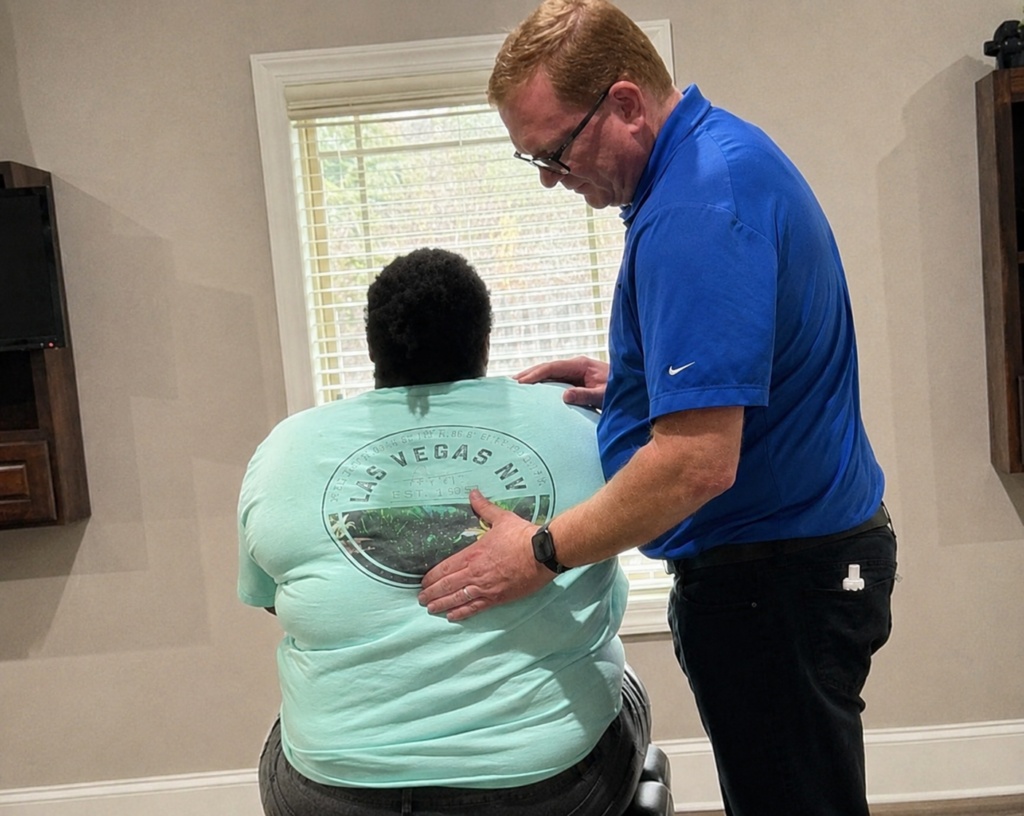

If you're struggling with chronic pain, you're not alone—many people experience how it can impact their daily lives. As a local chiropractor, I want to help you understand the root causes and triggers of your pain so that we can work together to find effective relief. Chiropractic care focuses on the alignment of your spine and the health of your nervous system, which can be crucial in managing and alleviating pain.
By making targeted lifestyle changes, exploring natural treatment options like chiropractic adjustments, and building a supportive network, you can take significant steps towards empowerment in your healing journey. But you might be wondering: what specific strategies can truly make a difference? Embracing these approaches could transform your perspective on pain management and significantly enhance your overall well-being in ways you may not have anticipated. Let's explore how chiropractic care and natural healing can play a vital role in your recovery.
Understanding Chronic Pain
Chronic pain can persist for months or even years, significantly impacting your daily life and overall well-being. As a chiropractor, I want to emphasize that chronic pain is more than just discomfort; it's a multifaceted condition that can disrupt your routine, affect your mood, and challenge your relationships. You might find that even simple tasks can become daunting, leading to feelings of frustration and isolation.
Understanding chronic pain is essential, as it often involves more than just a physical sensation. It includes emotional and psychological aspects as well. Many individuals experience anxiety, depression, or irritability while dealing with persistent pain. This interplay between physical and emotional health means that managing chronic pain requires a holistic approach—one that addresses both your physical well-being and your mental state.
In many instances, chronic pain can stem from an initial injury or illness that has persisted long after the original issue has healed. Even when the injury itself may no longer be present, the pain can continue to signal distress in your body. This ongoing signal can lead to alterations in your nervous system, which may amplify your perception of pain.
You may encounter various types of chronic pain, such as arthritis, fibromyalgia, or neuropathic pain. Each type can manifest in its own way, affecting your life uniquely. As you navigate these challenges, it's important to develop a deeper understanding of your specific experience. Recognizing the complexities of chronic pain can empower you to seek effective strategies for relief.
At our chiropractic clinic, we focus on natural healing methods that can help alleviate your pain and improve your quality of life. By addressing the root causes of your discomfort and offering personalized treatment plans, we aim to support your journey toward recovery and well-being.
Together, we can explore ways to manage your chronic pain and work towards restoring balance to your body and mind.
Identifying Underlying Causes
As a local Chiropractor, I want to help you understand that finding effective relief from chronic pain starts with identifying its underlying causes.
Many factors can contribute to your discomfort, including medical conditions and lifestyle choices. That's why it's crucial to take a close look at your medical history and daily habits.
By understanding these elements, we can tailor a pain management strategy that works for you, utilizing the principles of chiropractic care and natural healing.
Together, we can target the root of your pain and create a path toward lasting relief.
Common Chronic Pain Triggers
As a local chiropractor dedicated to helping you manage chronic pain, it's essential to understand the common triggers that can exacerbate your discomfort. Recognizing these triggers can empower you to take control of your well-being and enhance your healing journey.
Many patients find that specific activities, such as prolonged sitting or standing, can intensify back pain. Similarly, repetitive motions might lead to flare-ups in joint pain. It's crucial to be mindful of your body mechanics and to incorporate gentle movements that support your spine and joints.
Stress is another prevalent trigger; it can lead to muscle tension and amplify pain signals in your body. I encourage you to explore relaxation techniques, such as yoga or meditation, as they can be incredibly effective in managing stress and promoting overall wellness.
Sleep quality is also vital for pain management. Insufficient rest can lower your pain threshold, making it harder to cope with discomfort. Establishing a calming bedtime routine and ensuring a comfortable sleep environment can improve your restorative sleep.
Your dietary choices play a significant role in how your body responds to pain. Certain foods, particularly processed items, sugars, and allergens, can lead to inflammation. By monitoring your diet and opting for whole, anti-inflammatory foods, you can support your body's healing processes.
Additionally, be aware that weather changes can affect your pain levels, especially if you have conditions like arthritis. Staying active and flexible during these changes is key.
By understanding these triggers, you can make informed decisions that help you avoid situations that may worsen your pain. I recommend keeping a pain diary to track patterns and triggers over time, which can guide our chiropractic approach to your treatment.
Importance of Medical History
Your medical history is an essential component in uncovering the causes of your chronic pain, especially when you visit a chiropractor. As a chiropractor, I want to understand your unique background, including any previous injuries, surgeries, or illnesses that may be influencing your current discomfort. This information allows me to identify patterns and factors that mightn't be immediately apparent.
Additionally, your family medical history is crucial. Conditions such as arthritis, fibromyalgia, and other chronic pain syndromes often have a genetic component. Sharing this information can help me guide you toward potential solutions.
It's also important to inform me about any medications you're currently taking, as some can have side effects that may worsen your pain.
By understanding your past, we can work together to create an effective treatment plan tailored to your needs. You may find that certain lifestyle choices, previous traumas, or emotional factors play a role in your pain.
The more thorough and honest you're about your medical history, the better equipped I'm to get to the root of the issue and help you find lasting relief from your chronic pain.
Lifestyle Factors to Consider
As a local chiropractor, I want to share how your lifestyle choices can significantly influence your experience with chronic pain. Many people are unaware that factors such as diet, exercise, sleep, and stress management play crucial roles in how you feel daily.
For example, consuming an inflammatory diet filled with processed foods can worsen pain symptoms. Instead, I encourage you to adopt a balanced diet rich in fruits, vegetables, and lean proteins, which can help mitigate discomfort and promote overall health.
Incorporating regular exercise into your routine, even in moderate forms such as walking or yoga, can be incredibly beneficial. It strengthens your body, enhances flexibility, and can lead to a decrease in pain levels. Conversely, leading a sedentary lifestyle can result in muscle stiffness and heightened discomfort, which we definitely want to avoid.
Sleep is another critical factor to consider. Poor sleep quality can heighten pain perception, so I can't stress enough the importance of prioritizing restful sleep. Establishing a consistent sleep routine can make a significant difference in your overall well-being and pain management.
Lastly, we must address stress management. Chronic stress can lead to muscle tension, which may intensify your pain. I recommend exploring techniques such as mindfulness, meditation, or deep-breathing exercises to help you effectively manage stress and improve your quality of life.
Lifestyle Changes for Relief
As a local chiropractor, I want to share with you how making specific lifestyle changes can significantly alleviate chronic pain.
By focusing on your diet and establishing a consistent exercise routine, you can improve not only your physical health but also your overall quality of life.
Incorporating nutritious foods can reduce inflammation and support your body's natural healing processes.
Meanwhile, regular exercise can strengthen your muscles and improve flexibility, which is crucial in managing pain effectively.
Let's delve into how these simple changes can empower you to feel better every day and enhance your journey towards wellness.
Diet and Nutrition Adjustments
As a local chiropractor, I want to share how important diet is in managing chronic pain, and how it can serve as a powerful ally in your healing journey. By making some thoughtful adjustments to what you eat, you can help reduce inflammation and enhance your overall well-being.
I encourage you to focus on incorporating more whole foods into your meals—think fresh fruits, colorful vegetables, whole grains, lean proteins, and healthy fats. These foods are packed with essential nutrients that support your body's natural healing processes.
One approach you might consider is adopting an anti-inflammatory diet. This means emphasizing foods rich in omega-3 fatty acids, such as fatty fish, walnuts, and flaxseeds. You might also want to incorporate spices like turmeric and ginger into your cooking, as both have properties that can help reduce inflammation.
And don't forget the importance of staying well-hydrated; drinking plenty of water is crucial for nutrient transport and can even help alleviate some pain symptoms.
On the other hand, it's wise to limit processed foods, refined sugars, and trans fats, as these can actually worsen inflammation and discomfort. I recommend paying close attention to how different foods affect your pain levels—keeping a food diary might be a helpful tool for you.
Remember, your diet can significantly influence your journey toward lasting relief from chronic pain. By making these dietary changes, you can start to feel the difference in your body and overall health.
Let's work together to find the best path for your healing!
Regular Exercise Routine
As a local chiropractor, I want to emphasize how engaging in a regular exercise routine can be transformative in managing chronic pain. While it may seem counterintuitive to move when you're in pain, incorporating movement into your daily life can actually strengthen your muscles, enhance flexibility, and elevate your mood.
You don't have to dive into intense workouts; even gentle activities such as walking, swimming, or practicing yoga can lead to significant improvements.
It's important to start slowly and pay attention to what your body is telling you. I recommend aiming for at least 150 minutes of moderate exercise each week, breaking it down into sessions that feel manageable for you. This not only promotes better physical health but also triggers the release of endorphins, which are your body's natural pain relievers.
Consistency is vital; try to establish a routine that aligns with your lifestyle and commit to it.
In addition to aerobic activities, consider incorporating stretches and strength training focused on areas where you experience discomfort. Many of my patients have found that they experience reductions in pain levels and improvements in mobility through this balanced approach.
Innovative Treatment Options
As a local chiropractor, I want to share with you some innovative treatment options for managing chronic pain that can complement traditional care. Many people aren't aware of how chiropractic care and natural healing methods can be effective in alleviating discomfort and improving overall well-being.
One of the exciting advancements in our field is regenerative medicine. Techniques like platelet-rich plasma (PRP) therapy and stem cell treatments focus on healing your body's own tissues, which can help address pain at its source. These therapies are gaining popularity for their potential to facilitate recovery and reduce reliance on medications.
Another method we often explore is neuromodulation techniques, such as spinal cord stimulation. This involves implanting a device that sends electrical impulses to your spinal cord, which can help interrupt pain signals before they reach your brain. Many patients have experienced significant relief and a better quality of life through this technique.
Chiropractic care also incorporates alternative treatments like acupuncture. This ancient practice stimulates specific points on your body to restore balance and alleviate pain naturally, without the use of pharmaceuticals.
Additionally, cognitive behavioral therapy (CBT) is an innovative approach that we can collaborate with mental health professionals on, focusing on changing how you perceive and respond to pain. By developing effective coping strategies, you can empower yourself to manage discomfort more successfully.
Don't overlook the potential of emerging technologies like virtual reality (VR). This tool can create immersive environments that distract from pain and promote relaxation, making it easier to cope with chronic conditions.
By exploring these innovative treatment options, you're opening the door to lasting relief and an improved quality of life. Remember, as your chiropractor, I'm here to help you find the right combination of therapies tailored to your unique needs.
Together, we can work towards achieving a healthier, pain-free future.
Mind-Body Connection
As a local chiropractor, I want to emphasize the importance of understanding the mind-body connection, especially when it comes to managing chronic pain. This connection plays a crucial role in how you perceive and cope with discomfort. Your thoughts, emotions, and beliefs can significantly affect your physical sensations.
For instance, when you're feeling stressed or anxious, your body may respond with increased tension, which can further intensify your pain. By becoming aware of this relationship, you can take proactive steps in your pain management journey.
Incorporating mindfulness and relaxation techniques into your routine can enhance your awareness of your thoughts and feelings. Practices such as meditation, deep breathing, or yoga can effectively reduce stress and foster a sense of calm. When you engage in these activities, you're not only soothing your mind but also signaling to your body that it can relax, resulting in a potential decrease in pain perception.
Moreover, I encourage you to utilize positive self-talk and visualization as powerful tools in reshaping your mindset. Instead of fixating on the limitations imposed by your pain, try to visualize yourself participating in activities you love. This change in perspective can empower you and significantly improve your overall well-being.
It's also essential to acknowledge and express your emotions. Holding in your feelings can lead to increased tension in your body and exacerbate your pain. I recommend journaling or having open conversations with someone you trust as effective ways to release these emotions and gain clarity.
By understanding the mind-body connection and integrating these practices into your life, you can enhance your chiropractic care and natural healing journey.
Let's work together to empower your healing and improve your quality of life.
Building a Support System
As a chiropractor, I understand that managing chronic pain can be a daunting challenge, and having a solid support system is crucial to your healing journey. Surrounding yourself with individuals who comprehend your pain can provide emotional support, practical assistance, and the encouragement needed to maintain a positive outlook.
Here are three essential components to consider when building your support network:
1. Friends and Family: It's vital to connect with those who care about you. Share your experiences and feelings with them, and help them understand what you're going through. Encourage open communication; this can foster companionship and allow them to assist you with daily tasks or simply be there to listen when you need to express your frustrations.
2. Healthcare Professionals: Partnering with a team of healthcare providers, including chiropractors, physical therapists, and pain specialists, can significantly enhance your recovery. We can offer personalized advice, effective treatment options, and coping strategies tailored to your unique situation.
Regular visits not only help keep you aligned and functioning optimally but also provide a platform to discuss any concerns you may have.
3. Support Groups: Engaging with others who are navigating similar challenges can be incredibly empowering. Seek out local or online support groups where you can exchange experiences, share helpful tips, and uplift one another.
These communities create a sense of belonging and remind you that you aren't alone in your journey toward healing.
Building a robust support system does take time, but the rewards are immeasurable. By surrounding yourself with understanding and supportive individuals—both friends and professionals—you can enhance your coping strategies and ultimately improve your overall quality of life.
Conclusion
As your local chiropractor, I want to empower you to find lasting relief from chronic pain. Understanding the nature of your pain and its underlying causes is crucial in this journey. Through chiropractic care, we can address the root issues and help you make positive lifestyle changes that promote healing.
Embracing innovative treatments, such as spinal adjustments and holistic therapies, can significantly enhance your well-being. Additionally, nurturing the mind-body connection is essential; practices like mindfulness and relaxation techniques can complement your healing process.
It's important to remember that you're not alone. I am here to provide guidance and support, and together we can build a network that fosters your recovery. With dedication and the right strategies, you can reclaim your life from the limitations of chronic pain and move towards a more fulfilling, pain-free existence. Let's work together to pave the way to your wellness.