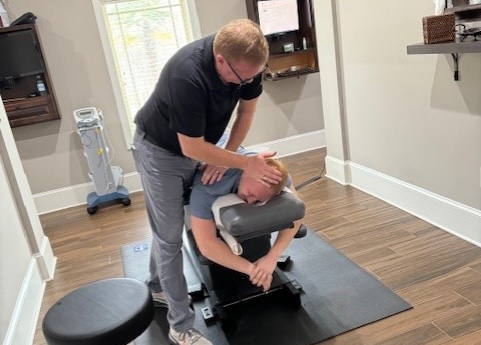

You've probably noticed how flexibility plays an important role in your overall well-being, yet you might not be fully tapping into your body's potential. By understanding your limits and incorporating a few essential techniques into your daily routine, you can improve your range of motion and reduce the risk of injury. Imagine starting and ending your day with simple stretches that leave you feeling invigorated. What if you could easily integrate flexibility practices into your busy lifestyle? The journey to access those possibilities is more attainable than you think, and it starts with a few simple adjustments.
Benefits of Improved Flexibility
Improving flexibility can greatly enhance your overall well-being and physical performance. When you incorporate flexibility training into your routine, you'll notice a plethora of benefits that can transform how you feel and move.
First off, increased flexibility allows for a greater range of motion in your joints, making everyday activities like bending, reaching, and twisting much easier. This can lead to improved performance in sports and exercise, as your body becomes more agile and responsive.
Additionally, better flexibility can help reduce the risk of injuries. When your muscles and joints are more pliable, they're less prone to strains and sprains. You'll be able to engage in physical activities with confidence, knowing your body can handle the demands placed on it.
Plus, enhanced flexibility promotes muscle relaxation, which can alleviate tension and soreness, leaving you feeling more comfortable in your own skin.
Another significant benefit is improved posture. As your muscles become more flexible, they're better able to support your spine, helping you maintain a balanced and upright position. This can lead to less back pain and discomfort, creating a ripple effect on your overall health.
Lastly, flexibility training can have positive effects on your mental well-being. It encourages mindfulness and stress relief, allowing you to focus on your body and breath.
Understanding Your Body's Limits
To improve your flexibility, it's essential to recognize your individual levels and understand your body's unique range of motion.
Everyone's limits are different, and knowing where yours are can prevent injury and enhance your flexibility journey.
Recognizing Individual Flexibility Levels
When you start exploring your body's flexibility, it's crucial to recognize that everyone has unique limits. Your flexibility is influenced by factors like genetics, age, and activity level. Some people may find it easier to touch their toes, while others might struggle with basic stretches.
Understanding your individual flexibility levels helps you set realistic goals and avoid injury.
Listen to your body and pay attention to how it feels during stretches. If you experience pain or discomfort, it's a sign to ease off and not push beyond your limits. Flexibility isn't about achieving a perfect pose; it's about improving your range of motion gradually.
Consider incorporating a variety of stretching techniques that cater to your specific needs. Static stretching, dynamic stretching, and yoga can all contribute to your flexibility journey.
Remember, progress may be slow, but consistency will yield results.
Keep in mind that your flexibility can change over time, especially with regular practice. Celebrate small victories along the way, and be patient with yourself. Embracing your unique flexibility levels is the first step toward revealing your body's full potential.
Assessing Range of Motion
Evaluating your range of motion is essential for understanding your body's limits and capabilities. It involves determining how far you can move different joints and muscles through their full range.
Start by identifying key areas, such as your shoulders, hips, and knees, as these are vital for overall flexibility.
To measure your range, you can perform simple tests. For instance, try reaching for your toes while standing or seated. Notice how far you can go without strain. Use a goniometer or a measuring tape to track angles or distances if you want more precision.
Remember, it's important to do this gently—pushing too hard can lead to injuries.
Pay attention to any discomfort or stiffness as you measure your range. This feedback helps you identify areas of tightness and focus your flexibility training effectively.
Additionally, consider seeking guidance from a fitness professional or physical therapist. They can provide personalized evaluations and recommend tailored stretching routines.
Essential Stretching Techniques
Incorporating essential stretching techniques into your routine can greatly enhance your body's flexibility and overall performance. One of the most effective methods is static stretching. This involves holding a stretch for 15 to 30 seconds, allowing your muscles to relax and lengthen. Target major muscle groups, like hamstrings, quadriceps, and shoulders, to achieve ideal results.
Dynamic stretching is another powerful technique. It involves moving parts of your body through a full range of motion in a controlled manner. Exercises like leg swings, arm circles, and torso twists can effectively warm up your muscles before physical activity. This method not only improves flexibility but also prepares your body for movement.
Proprioceptive Neuromuscular Facilitation (PNF) stretching is a more advanced technique that can greatly increase flexibility. It combines stretching and contracting of the targeted muscle group. To perform PNF, stretch a muscle to its limit, then contract it against resistance for a few seconds before relaxing and stretching again. This technique often requires a partner but can yield impressive results.
Don't forget about myofascial release as an essential technique. Using foam rollers or massage balls, you can target tight areas in your muscles and fascia, releasing tension and improving flexibility.
Incorporating Flexibility Into Daily Routine
Incorporating flexibility into your daily routine can transform how you feel throughout the day.
Start with morning stretching rituals to wake up your body, take desk break exercises to relieve tension, and wind down with evening stretches for better relaxation.
These simple practices can make a big difference in your overall flexibility and well-being.
Morning Stretching Rituals
Starting your day with a dedicated morning stretching ritual can greatly enhance your body flexibility and overall well-being. By incorporating simple stretches into your routine, you set a positive tone for the day ahead.
Begin with gentle neck rolls to relieve tension, then move to shoulder stretches, allowing your upper body to loosen up.
Next, try a standing forward bend to stretch your hamstrings and lower back. Bending forward not only increases flexibility but also helps improve circulation.
Shift into a cat-cow stretch to engage your spine and promote blood flow. This dynamic movement warms up your back and prepares your body for the day's activities.
Don't forget about your hips! Lunging stretches are excellent for opening up tight hip flexors. Hold each stretch for at least 20-30 seconds, focusing on your breath. You'll find that this mindful approach enhances your connection to your body.
Finally, conclude your morning ritual with a few deep breaths, centering yourself for the day. A consistent morning stretching routine not only boosts flexibility but also increases energy, reduces stress, and promotes a greater sense of well-being throughout your day.
Desk Break Exercises
During a busy workday, taking short breaks for desk exercises can greatly improve your flexibility and overall comfort.
Incorporating these simple movements into your daily routine can help reduce stiffness and tension, keeping you energized and focused.
Here are some easy desk break exercises you can try:
- Shoulder Shrugs: Lift your shoulders towards your ears and then release them down. Repeat this five times to relieve tension.
- Neck Stretches: Gently tilt your head towards one shoulder, hold for a few seconds, then switch sides to alleviate neck stiffness.
- Seated Torso Twist: While seated, place your right hand on the back of your chair and twist your torso to the right. Hold for a few seconds, then switch sides.
- Wrist Flexor Stretch: Extend one arm in front, palm up, and gently pull back on your fingers with the other hand to stretch your wrist and forearm.
- Hip Flexor Stretch: Stand and place one foot on your chair. Lean forward slightly to stretch your hip flexors, then switch legs.
Integrating these exercises into your workday can greatly enhance your flexibility and keep you feeling great!
Evening Wind-Down Stretches
As the day winds down, taking a few moments for evening stretches can greatly enhance your flexibility and promote relaxation. Incorporating a routine of evening wind-down stretches allows you to release the tension accumulated throughout the day.
You don't need to spend hours; just 10–15 minutes can make a significant difference.
Start with a gentle neck stretch. Tilt your head to one side, hold for 15 seconds, and switch sides. Next, move to your shoulders by rolling them backward and forward, easing any tightness.
Shift into a seated hamstring stretch by sitting on the floor, extending one leg, and reaching toward your toes. Hold for 20 seconds on each side.
Incorporate a child's pose to stretch your back and hips. Kneel on the floor, sit back on your heels, and stretch your arms forward on the ground.
Finally, finish with a deep breathing exercise. Inhale deeply through your nose, hold for a few seconds, and exhale slowly through your mouth.
These evening stretches not only enhance flexibility but also signal your body that it's time to unwind, preparing you for a restful night's sleep.
Tools and Resources for Flexibility
A variety of tools and resources can greatly enhance your body flexibility journey. Whether you're just starting or looking to improve your existing routine, the right equipment and guidance can make all the difference.
Here's a list of essential tools that can support your flexibility training:
- Yoga Mat: Provides a comfortable and stable surface for stretching and yoga poses.
- Foam Roller: Helps release muscle tightness and improve blood flow, making stretching more effective.
- Resistance Bands: Great for dynamic stretches and can help deepen your range of motion.
- Stretching Strap: Perfect for assisting with difficult stretches, allowing you to hold positions longer and more effectively.
- Online Classes or Apps: Access to guided flexibility routines tailored to your skill level and goals.
Incorporating these tools into your routine can greatly enhance your flexibility training.
A yoga mat gives you a designated space to practice, while a foam roller can help ease muscle soreness after workouts. Resistance bands allow you to engage your muscles in new ways, and a stretching strap can help you maintain proper form.
Online classes and apps provide structured guidance, making it easier to stay on track.
Staying Motivated on Your Journey
Staying motivated on your flexibility journey can be challenging, especially when progress seems slow. It's easy to feel discouraged when you don't see immediate results. To keep your spirits high, set realistic, achievable goals. Break down your ultimate flexibility target into smaller milestones. Celebrate each milestone you reach, no matter how minor it may seem. This constant reinforcement will help you stay focused and motivated.
Another effective strategy is to track your progress. Keep a journal or use an app to note the improvements in your flexibility. Documenting your journey allows you to visually see how far you've come, even when it feels like you're stuck. Remember, flexibility is a gradual process, and every small gain counts.
Joining a community can also provide motivation. Whether it's a local class, an online group, or social media, surrounding yourself with like-minded individuals can inspire you. Sharing experiences, challenges, and successes creates a supportive environment that fuels your commitment.
Lastly, remind yourself why you started this journey. Whether it's for better athletic performance, reduced injury risk, or simply to feel better in your body, keeping your 'why' in mind can reignite your passion on tough days.
Incorporate variety into your routine to keep things fresh and exciting; try different stretches, yoga classes, or even dance. By mixing it up, you'll stay engaged and motivated as you access your body's flexibility potential.
Conclusion
Embracing a consistent stretching routine can truly reveal your body's flexibility potential. By understanding your limits and incorporating essential techniques into your daily life, you'll not only enhance your range of motion but also reduce your risk of injury. Remember to celebrate your progress along the way! Stay motivated, and make flexibility a priority in your wellness journey. With time and dedication, you'll experience the freedom of movement you've always desired. Start stretching today!