
If you’ve ever been stopped in your tracks by a throbbing headache, you know how disruptive it can be. Whether it’s a dull ache that lingers all day or a sharp pain that makes it hard to focus, headaches can steal your energy, productivity, and joy. The good news? Many headaches are preventable with the right strategies and lifestyle adjustments. Here in Calhoun, GA, we see patients every day at Calhoun Spine Care and Wellness Center who have found real relief by addressing the root causes of their headaches rather than just masking symptoms. In this article, we’ll explore proven headache prevention strategies that can help you enjoy more pain-free days.
What are headache prevention strategies? Headache prevention strategies are proactive lifestyle habits, ergonomic adjustments, and conservative care approaches designed to reduce the frequency, intensity, and duration of headaches by addressing their underlying triggers and contributing factors.
Table of Contents
- Understanding Different Types of Headaches
- Common Headache Triggers to Identify
- Lifestyle Strategies for Headache Prevention
- How Chiropractic Care Supports Headache Prevention
- Practical Daily Tips for Staying Headache-Free
- When to Seek Professional Help
- Headache Types and Prevention Approaches
- Common Myths About Headache Prevention
Understanding Different Types of Headaches
Not all headaches are created equal, and understanding what type you’re experiencing is the first step toward effective prevention. The three most common types we see at our Calhoun practice are tension-type headaches, cervicogenic headaches, and migraines.
Tension-type headaches are the most prevalent, often described as a tight band around the head or pressure at the temples and back of the skull. These typically result from muscle tension in the neck, shoulders, and jaw, often triggered by stress, poor posture, or prolonged computer work.
Cervicogenic headaches originate from problems in the neck and cervical spine. The pain usually starts at the base of the skull and radiates forward toward the forehead or behind the eyes. These headaches are directly related to neck dysfunction, restricted joint movement, or muscle imbalances in the upper cervical region.
Migraines are more intense and complex, often accompanied by sensitivity to light and sound, nausea, and visual disturbances. While migraines have a neurological component, research suggests that spinal health, posture, and musculoskeletal factors can influence their frequency and severity.
Identifying which type of headache you experience most often helps determine which prevention strategies will be most effective for you. Many people here in Calhoun find that they suffer from a combination of headache types, which is why a comprehensive prevention approach works best.
Common Headache Triggers to Identify
Prevention starts with awareness. Understanding your personal headache triggers allows you to make targeted changes that reduce your risk. While triggers vary from person to person, several common factors appear again and again.
Poor posture ranks among the top triggers we see at Calhoun Spine Care and Wellness Center. When your head juts forward or your shoulders round, it places enormous strain on the muscles and joints of your neck and upper back. Over time, this tension builds and manifests as headaches. The average human head weighs about 10-12 pounds, but for every inch it moves forward, the effective weight on your spine can increase by an additional 10 pounds.
Dehydration is another frequently overlooked trigger. Your brain is approximately 75% water, and even mild dehydration can trigger headache pain. Many people mistake thirst for hunger or simply forget to drink enough water throughout the day, especially during Georgia’s hot summer months.
Sleep disturbances contribute significantly to headache frequency. Both too little sleep and irregular sleep patterns can trigger headaches. Your body needs consistent, quality rest to regulate pain-processing systems and allow muscles to recover from daily strain.
Screen time and digital eye strain have become increasingly problematic. Staring at computers, tablets, and phones for extended periods causes eye fatigue, neck tension, and mental stress—all of which can trigger headaches. The blue light emitted by screens may also interfere with sleep quality, creating a compounding effect.
Dietary factors play a role for many headache sufferers. Skipping meals causes blood sugar fluctuations that can trigger headaches. Certain foods and additives—including aged cheeses, processed meats, artificial sweeteners, and excessive caffeine—are known triggers for some individuals.
Stress and emotional tension manifest physically in the body, particularly in the jaw, neck, and shoulder muscles. Chronic stress keeps these muscles in a constant state of contraction, creating the perfect environment for tension headaches to develop.
Lifestyle Strategies for Headache Prevention
Preventing headaches requires a proactive approach to daily habits and lifestyle choices. These evidence-based strategies have been shown to help reduce headache frequency and intensity for many people.
Hydration and Nutrition
Start each day with a glass of water and aim to drink at least eight 8-ounce glasses throughout the day. Keep a water bottle with you as a visual reminder. If you exercise or spend time outdoors in the Georgia heat, increase your intake accordingly.
Maintain regular meal times and avoid skipping meals, which can cause blood sugar drops. Eat a balanced diet rich in whole foods, lean proteins, healthy fats, and plenty of vegetables. Consider keeping a food diary if you suspect dietary triggers—this can help you identify patterns between what you eat and when headaches occur.
Sleep Hygiene
Establish a consistent sleep schedule by going to bed and waking up at the same time every day, even on weekends. Create a sleep-friendly environment that’s dark, quiet, and cool. Invest in a supportive pillow that maintains proper neck alignment—your pillow should support the natural curve of your cervical spine without forcing your head too far forward or backward.
Avoid screens for at least one hour before bed, as blue light can interfere with melatonin production and sleep quality. If you must use devices in the evening, consider blue light blocking glasses or screen filters.
Stress Management
Incorporate daily stress-reduction practices into your routine. This might include deep breathing exercises, meditation, gentle yoga, or simply taking short breaks throughout the day to decompress. Research indicates that mindfulness-based stress reduction can help decrease tension-type headache frequency.
Physical activity serves as both a stress reliever and a headache preventive. Regular moderate exercise improves circulation, reduces muscle tension, and triggers the release of endorphins—your body’s natural pain relievers. Aim for at least 30 minutes of movement most days of the week.
Ergonomic Improvements
If you work at a desk, proper ergonomics are essential for headache prevention. Your computer monitor should be at eye level, about an arm’s length away. Your chair should support the natural curve of your spine, with your feet flat on the floor and knees at a 90-degree angle. Your keyboard and mouse should be positioned so your arms rest comfortably at your sides with elbows bent at 90 degrees.
Take regular breaks from sitting—the 20-20-20 rule works well. Every 20 minutes, look at something 20 feet away for 20 seconds. Every hour, stand up, stretch, and move around for a few minutes.
How Chiropractic Care Supports Headache Prevention
At Calhoun Spine Care and Wellness Center, we take a comprehensive approach to headache prevention that addresses the musculoskeletal factors contributing to your pain. Chiropractic care offers a conservative, drug-free option for people looking to reduce headache frequency naturally.
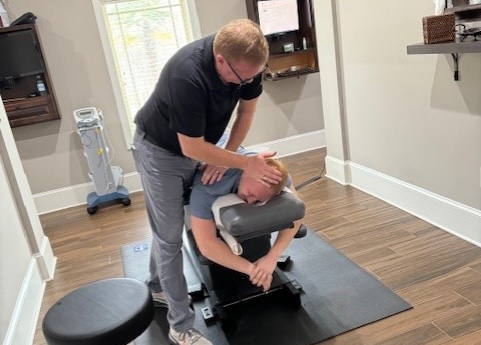
Evidence suggests that chiropractic adjustments can be particularly effective for tension-type headaches and cervicogenic headaches. When vertebrae in your neck become restricted or misaligned, it can irritate nerves, create muscle tension, and affect blood flow—all of which can trigger headaches. Gentle spinal adjustments help restore proper movement and alignment to these joints, reducing the mechanical stress that contributes to headache development.
Beyond spinal adjustments, chiropractors address soft tissue components through techniques like muscle release work, trigger point therapy, and therapeutic stretching. The muscles at the base of your skull, along your neck, and across your shoulders often harbor tension that feeds into headache patterns. Releasing this tension provides relief and helps prevent future episodes.
A thorough chiropractic evaluation examines your posture, spinal alignment, muscle balance, and movement patterns. This assessment helps identify specific contributing factors unique to your situation. Here in Calhoun, we see many patients whose headaches stem from workplace ergonomics, previous injuries, or postural habits they’ve developed over years.
Your chiropractor can also provide personalized guidance on exercises, stretches, and lifestyle modifications tailored to your specific needs. This education empowers you to take an active role in your own headache prevention between office visits.
Research published in evidence-based journals has shown that spinal manipulation may provide benefits comparable to certain preventive medications for some headache types, but without the side effects. While individual results vary, many patients report reduced headache frequency, decreased intensity, and less reliance on pain medications after beginning chiropractic care.
Practical Daily Tips for Staying Headache-Free
Small, consistent actions throughout your day can make a significant difference in headache prevention. Here are practical tips you can start implementing immediately.
Begin your morning with gentle neck stretches and shoulder rolls before you even get out of bed. This helps release any tension that built up during sleep and starts your day with improved mobility. Spend just two to three minutes moving through simple range-of-motion exercises for your neck—gentle turns to each side, tilting your ear toward each shoulder, and careful chin tucks.
Set hourly reminders on your phone or computer to check your posture. Ask yourself: Are my shoulders relaxed? Is my head balanced over my spine or jutting forward? Am I clenching my jaw? These quick check-ins help you catch and correct postural stress before it accumulates into a headache.
Create a workspace setup that supports good posture. If you’re working from home in Calhoun, invest in proper equipment—an adjustable chair, monitor stand, or external keyboard can make a tremendous difference. Position your most-used items within easy reach to avoid repetitive twisting or straining.
Practice jaw relaxation throughout the day. Many people unconsciously clench their jaw, especially during concentration or stress. Make a habit of keeping your lips together but teeth slightly apart, with your tongue resting gently on the roof of your mouth. This position allows your jaw muscles to relax.
Use heat or cold therapy preventively. If you notice tension building in your neck or shoulders, apply a warm compress for 15-20 minutes to help muscles relax. Some people find that cold packs at the base of the skull provide relief during the early stages of a headache.
Keep a headache diary for at least two weeks. Note when headaches occur, their intensity, what you were doing beforehand, what you ate, your stress level, and your sleep quality the night before. Patterns often emerge that reveal your specific triggers, allowing you to make targeted preventive changes.
Limit caffeine intake and keep it consistent. While small amounts of caffeine can sometimes help relieve headaches, too much can trigger them, and caffeine withdrawal is a well-known headache trigger. If you drink coffee, try to consume the same amount at the same time each day.
Stay connected with your healthcare team. Regular check-ins with your chiropractor at Calhoun Spine Care and Wellness Center allow for adjustments to your care plan as needed and help maintain the spinal health that supports headache prevention.
When to Seek Professional Help
While many headaches respond well to prevention strategies and conservative care, certain situations warrant professional evaluation. Understanding when to seek help ensures you receive appropriate care and rule out more serious conditions.
Schedule an appointment at Calhoun Spine Care and Wellness Center if you experience headaches more than twice per week, if they’re gradually increasing in frequency or severity, or if your usual prevention strategies stop working. These patterns suggest underlying factors that need professional assessment.
Seek immediate medical attention if you experience sudden, severe headache unlike any you’ve had before—often described as a “thunderclap” headache. Other red flags include headache accompanied by fever, stiff neck, confusion, vision changes, difficulty speaking, numbness, or weakness. Headaches following a head injury also require immediate evaluation.
If headaches are significantly impacting your quality of life—causing you to miss work, avoid activities you enjoy, or rely heavily on pain medication—it’s time for professional help. You don’t have to simply endure chronic headaches. Conservative care approaches, including chiropractic treatment, can offer relief for many people.
For those here in Calhoun, starting with a thorough chiropractic evaluation makes sense, especially if your headaches seem related to neck pain, poor posture, or musculoskeletal stress. A chiropractor can assess whether your headaches are appropriate for chiropractic care or if referral to another healthcare provider is needed.
Headache Types and Prevention Approaches
| Headache Type | Common Triggers | Key Prevention Strategies | How Chiropractic May Help |
|---|---|---|---|
| Tension-Type | Stress, poor posture, eye strain, jaw clenching | Stress management, ergonomic improvements, regular breaks, jaw relaxation | Spinal adjustments, muscle release, posture correction |
| Cervicogenic | Neck dysfunction, whiplash history, poor neck posture, prolonged sitting | Neck stretches, proper pillow, posture awareness, movement breaks | Cervical adjustments, joint mobilization, neck rehabilitation exercises |
| Migraine | Hormonal changes, certain foods, irregular sleep, bright lights, stress | Consistent sleep schedule, trigger avoidance, hydration, stress reduction | Spinal care, trigger point therapy, lifestyle guidance, nervous system support |
| Digital Eye Strain | Prolonged screen time, poor lighting, improper screen position, lack of breaks | 20-20-20 rule, proper lighting, screen positioning, blue light filters | Upper cervical adjustments, postural corrections, ergonomic education |
Common Myths About Headache Prevention
Myth: You Just Have to Live with Chronic Headaches
Fact: Many chronic headache sufferers can find significant relief through identification and management of triggers, lifestyle modifications, and conservative care approaches like chiropractic treatment. While some headache conditions are more complex than others, improvement is possible for most people with the right strategies and professional support.
Myth: Medication is the Only Real Solution for Headaches
Fact: While medications can provide temporary relief, they don’t address underlying causes and can lead to rebound headaches with overuse. Evidence-based conservative approaches including spinal care, stress management, ergonomic improvements, and lifestyle modifications can reduce headache frequency and intensity without the side effects associated with frequent medication use.
Myth: Headaches Are Always Caused by Something Serious
Fact: The vast majority of headaches are primary headaches—meaning they’re not caused by underlying disease but rather by factors like muscle tension, stress, posture, or trigger exposure. While red flag symptoms should always be evaluated promptly, most headaches respond well to conservative prevention strategies.
Myth: Chiropractic Care is Only for Back Pain
Fact: Research indicates that chiropractic care can be effective for certain types of headaches, particularly tension-type and cervicogenic headaches. The connection between neck function, posture, and headaches is well-established, and addressing spinal health can have positive effects on headache patterns for many patients.
Myth: If Prevention Strategies Don’t Work Immediately, They Won’t Work at All
Fact: Headache prevention often requires time and consistency. Your body needs time to adapt to new habits, and it may take several weeks to see significant improvement. Additionally, finding the right combination of strategies for your individual triggers can take some trial and adjustment. Patience and persistence are important components of successful headache prevention.
Final Thoughts from Calhoun Spine Care and Wellness Center
Living with frequent headaches doesn’t have to be your normal. Here in Calhoun, GA, we’ve helped countless patients reduce their headache frequency and reclaim their quality of life through comprehensive, conservative care. The key to successful headache prevention lies in understanding your unique triggers, making consistent lifestyle adjustments, addressing musculoskeletal factors, and working with healthcare professionals who take a whole-person approach to your wellness.
Remember that headache prevention is a journey, not a destination. What works for one person may need adjustment for another, and your needs may change over time. At Calhoun Spine Care and Wellness Center, we’re committed to partnering with you to develop personalized strategies that fit your lifestyle and address your specific headache patterns. Whether you’re dealing with occasional tension headaches or chronic pain that’s been holding you back, there are options available to help you live more pain-free days.
If you’re ready to take control of your headache health, we invite you to reach out and schedule an evaluation. Together, we can identify the factors contributing to your headaches and create a prevention plan that supports your long-term wellness. You deserve to feel your best, and we’re here to help you get there.
Frequently Asked Questions
How long does it take for headache prevention strategies to work?
Most people begin noticing improvements within two to four weeks of consistently implementing prevention strategies, though some may experience benefits sooner. Because headaches often have multiple contributing factors, it takes time for your body to respond to lifestyle changes and for patterns to shift. Keep a headache diary to track your progress—you may notice gradual improvements in frequency, intensity, or duration even before headaches disappear completely.
Can poor posture really cause headaches?
Yes, poor posture is one of the most common contributors to tension-type and cervicogenic headaches. When your head shifts forward from its ideal position over your spine, it places significant strain on neck muscles, joints, and connective tissues. This chronic tension can trigger headaches and create ongoing pain patterns. Correcting posture through awareness, ergonomic adjustments, and strengthening exercises often leads to reduced headache frequency.
Are there specific exercises that help prevent headaches?
Gentle neck stretches, chin tucks, shoulder blade squeezes, and upper back extension exercises can help prevent headaches by improving posture and reducing muscle tension. Additionally, regular aerobic exercise like walking, swimming, or cycling supports overall headache prevention by improving circulation, reducing stress, and promoting better sleep. Your chiropractor can recommend specific exercises tailored to your needs and headache patterns.
How often should I see a chiropractor for headache prevention?
The frequency of chiropractic visits varies based on your individual situation, headache severity, and response to care. Initially, you might benefit from more frequent visits—perhaps once or twice per week—to address accumulated tension and spinal dysfunction. As your condition improves, visits typically space out to every two to four weeks for maintenance care. Your chiropractor will work with you to determine an appropriate schedule based on your progress and goals.
Will I need to avoid certain foods to prevent headaches?
Food triggers vary significantly from person to person. Common culprits include aged cheeses, processed meats, artificial sweeteners, excessive caffeine, and alcohol, but not everyone is sensitive to these items. Rather than avoiding foods unnecessarily, keep a detailed food and headache diary to identify your specific triggers. This personalized approach is more effective than following generic elimination lists and allows you to enjoy foods that don’t cause problems for you.
Can stress alone cause headaches even if my posture is good?
Absolutely. Stress triggers physiological responses including muscle tension, changes in brain chemistry, and altered pain perception—all of which can lead to headaches independent of posture. However, stress often affects posture unconsciously through jaw clenching, shoulder tensing, and shallow breathing. A comprehensive headache prevention approach addresses both stress management and physical factors for the best results.
TL;DR – Key Takeaways
- Headache prevention requires identifying and managing your personal triggers, which commonly include poor posture, dehydration, irregular sleep, stress, prolonged screen time, and certain dietary factors.
- Lifestyle strategies like maintaining proper hydration, consistent sleep schedules, regular exercise, stress management, and ergonomic workspaces significantly reduce headache frequency for many people.
- Chiropractic care offers a conservative, evidence-based approach to preventing tension-type and cervicogenic headaches by addressing spinal alignment, muscle tension, and postural dysfunction.
- Successful headache prevention takes time and consistency—most people notice improvements within two to four weeks of implementing comprehensive strategies.
- While most headaches are manageable with conservative care, seek professional evaluation if headaches are frequent, severe, worsening, or accompanied by concerning symptoms.