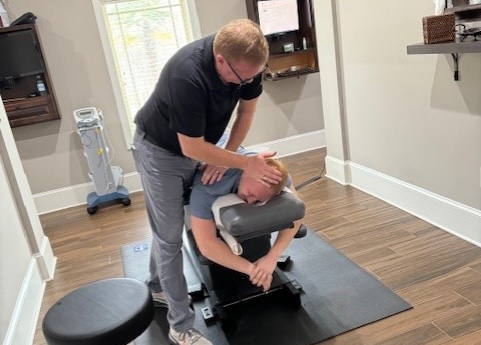

You might not realize how much untapped potential lies within your body, particularly when it comes to flexibility. By understanding the fundamentals of stretching and incorporating various techniques into your routine, you can greatly enhance your range of motion and overall performance. It's not just about achieving impressive bends; it's also about injury prevention and improved quality of life. So, what are the key methods you can adopt to access this potential, and what common pitfalls should you avoid? Let's explore how you can make flexibility an integral part of your daily life.
Understanding Flexibility
Flexibility is more than just being able to touch your toes; it's an essential aspect of physical health and overall well-being. It refers to the ability of your joints and muscles to move through their full range of motion. When you think about flexibility, you might picture gymnasts or dancers, but it's vital for everyone, regardless of age or fitness level.
Understanding flexibility starts with recognizing that it's not just about stretching; it involves various factors, including muscle elasticity, joint structure, and even your nervous system.
You can improve your flexibility through various activities, such as yoga, pilates, or dedicated stretching routines. Each of these methods targets different muscle groups and can enhance your overall range of motion.
It's essential to recognize that flexibility varies from person to person, influenced by genetics, physical activity, and even lifestyle choices. Some people may naturally possess greater flexibility, while others might struggle more.
To get a grasp on your own flexibility, try simple assessments, like the sit-and-reach test. This will give you a baseline to measure your progress.
Remember, flexibility isn't static; it can change over time as you engage in regular stretching and mobility exercises. Prioritizing flexibility in your routine helps prevent injuries, improves posture, and enhances physical performance.
Benefits of Enhanced Flexibility
Enhanced flexibility brings a wealth of benefits that can transform your physical performance and daily life. When you improve your flexibility, you'll likely notice a boost in your athletic performance. Whether you're running, cycling, or practicing yoga, increased flexibility lets you move more efficiently, allowing for better range of motion. This means you can achieve deeper stretches and more fluid movements, which can enhance your overall fitness routine.
Moreover, enhanced flexibility reduces your risk of injuries. By maintaining a flexible body, you give your muscles and joints more room to move without strain. This can be especially beneficial during high-intensity workouts or activities, where tight muscles are more susceptible to tears and strains.
You'll also find that your posture improves with increased flexibility. Because tight muscles can pull your body out of alignment, working on flexibility helps you stand and sit taller, reducing strain on your back and neck. As a result, you may experience less discomfort and fatigue throughout the day.
Additionally, enhanced flexibility can lead to greater relaxation and stress relief. As you stretch your muscles, you're not only improving physical wellness but also promoting mental clarity and calmness. This holistic benefit can enhance your overall mood and well-being.
Incorporating flexibility training into your routine can truly revolutionize your physical capabilities and enrich your daily life. Embracing these benefits will empower you to live an active, pain-free lifestyle.
Types of Stretching Techniques
When it comes to improving your flexibility, understanding different stretching techniques is key.
You'll want to explore the benefits of static stretching, the effectiveness of dynamic stretching, and how PNF stretching works.
Each method offers unique advantages that can enhance your overall flexibility routine.
Static Stretching Benefits
Static stretching offers numerous benefits that can greatly improve your overall flexibility and range of motion.
Incorporating static stretches into your routine can help you achieve your fitness goals more effectively. Here are four key benefits you'll experience:
- Increased Flexibility: Regular static stretching lengthens your muscles, enhancing your flexibility over time. This improved flexibility can lead to better performance in various activities.
- Enhanced Muscle Recovery: After intense workouts, static stretching can help reduce muscle soreness and stiffness. It promotes blood flow, aiding in faster recovery.
- Improved Posture: Tight muscles can lead to poor posture. Static stretching targets those tight areas, helping you maintain proper alignment and reducing discomfort.
- Reduced Risk of Injury: By increasing your flexibility and range of motion, static stretching can help prevent injuries during physical activities. It prepares your muscles for the demands of exercise.
Dynamic Stretching Techniques
Dynamic stretching techniques are a powerful way to warm up your muscles and improve your overall flexibility before engaging in physical activity. Unlike static stretching, dynamic stretches involve movement, helping to increase blood flow and prepare your body for the demands of your workout.
To incorporate dynamic stretches into your routine, consider exercises like leg swings, arm circles, or walking lunges. Leg swings can target your hip flexors and hamstrings, while arm circles warm up your shoulders. As you perform these movements, focus on maintaining proper form and gradually increasing the range of motion.
Another effective technique is the high-knee march, which not only stretches your legs but also engages your core. Try to perform each dynamic stretch for 30 seconds to a minute, ensuring you warm up all major muscle groups.
Remember to listen to your body; if a movement feels uncomfortable, adjust accordingly. By incorporating dynamic stretching into your warm-up, you'll enhance your performance, reduce the risk of injury, and release your body's potential for ultimate flexibility.
Start your workouts with these techniques, and watch how they transform your physical capabilities.
PNF Stretching Explained
PNF stretching, or proprioceptive neuromuscular facilitation, is a highly effective technique that combines both stretching and contracting of the targeted muscle group.
This method helps improve flexibility and range of motion by engaging your muscles more actively. You'll typically partner up for these stretches, making it a collaborative effort.
Here are four key elements of PNF stretching:
- Contract-Relax: You'll first stretch your muscle to its limit, then contract it for a few seconds before relaxing and stretching further. This helps to override the muscle's natural reflex to resist stretching.
- Hold-Relax: Similar to the contract-relax method, but after contracting, you hold the muscle in its contracted position before stretching it again. This allows for deeper relaxation.
- Agonist-Antagonist: In this technique, you engage the opposing muscle group to enhance the stretch. For example, if you're stretching your hamstrings, you'd contract your quadriceps.
- Timing and Breathing: Throughout the process, focus on controlled breathing and timing. Proper timing and breath control can greatly enhance the effectiveness of each stretch.
Incorporating PNF stretching into your routine can reveal your body's potential for ultimate flexibility.
Developing a Flexibility Routine
Creating a flexibility routine is essential for enhancing your overall physical performance and preventing injuries. To get started, set aside dedicated time in your weekly schedule. Aim for at least three to four sessions per week, each lasting about 20 to 30 minutes. Consistency is key, so choose a time that works best for you, whether it's early morning, during lunch, or after your workout.
Begin each session with a gentle warm-up to increase blood flow to your muscles. Simple movements like jogging in place or dynamic stretches can prepare your body for deeper stretching. Focus on major muscle groups, including your hamstrings, quadriceps, hips, back, and shoulders. Incorporate a mix of static and dynamic stretches to target different flexibility needs.
As you progress, pay attention to your body's signals. Stretch to a point of mild discomfort, but never to the point of pain. Hold static stretches for 15 to 30 seconds, and aim to repeat them two to three times. For dynamic stretches, perform controlled movements that mimic the activity you participate in, such as leg swings or arm circles.
Consider integrating yoga or Pilates into your routine to enhance your flexibility while promoting mindfulness and balance. Remember, every body is unique, so adapt your routine to meet your needs. Track your progress and stay patient; flexibility improves over time with dedication and effort.
You'll notice enhanced performance and reduced risk of injury as you stick to your routine.
Common Mistakes to Avoid
Flexibility training can be incredibly beneficial, but many people fall into common traps that hinder their progress. If you want to reveal your body's full potential, it's essential to be aware of these mistakes and avoid them.
- Skipping Warm-Ups: Jumping straight into stretching without warming up can lead to injuries. Always start with a light aerobic activity to raise your heart rate and prepare your muscles.
- Overstretching: Pushing your body too hard can cause strain or tears. Remember, flexibility takes time. Listen to your body and avoid stretching to the point of pain.
- Neglecting Consistency: Flexibility isn't achieved overnight. Skipping sessions or being inconsistent can stall your progress. Make it a habit, aiming for regular practice to see real improvements.
- Ignoring Breathing: Many people forget to breathe properly while stretching. Holding your breath can create tension and limit your range of motion. Focus on deep, controlled breaths to help relax your muscles and enhance flexibility.
Incorporating Flexibility Into Daily Life
To truly embrace flexibility, start your day with a morning stretch routine that energizes both your body and mind.
If you work at a desk, implementing simple flexibility tips throughout your day can help reduce tension and improve your posture.
Let's explore how these small changes can make a big difference in your daily life.
Morning Stretch Routine
While you may feel rushed in the morning, incorporating a stretch routine can set a positive tone for your day. Just a few minutes of stretching can awaken your muscles, improve circulation, and enhance your overall mood.
Here's a simple morning stretch routine to help you kickstart your day:
- Neck Rolls: Gently roll your neck in a circular motion for 30 seconds, releasing tension and improving mobility.
- Cat-Cow Stretch: On all fours, alternate between arching your back (cat) and sinking your belly (cow) for about 1 minute. This helps to warm up your spine.
- Forward Fold: Stand tall, then bend forward at the hips, reaching for your toes. Hold for 30 seconds. This stretch lengthens your hamstrings and releases your lower back.
- Torso Twist: Stand with feet shoulder-width apart, and twist your upper body gently from side to side for 1 minute. This increases flexibility in your spine and improves core strength.
Desk Job Flexibility Tips
Incorporating simple stretches and movements throughout your workday can make a significant difference in how you feel. Start by setting a timer to remind yourself to stand up and stretch every hour. A quick neck roll or shoulder shrug can release tension built up from sitting too long.
Try seated twists to keep your spine flexible. While sitting, place one hand on the back of your chair and gently twist your torso, holding for a few breaths. Switch sides and repeat.
Don't forget about your legs! Stand up and do a few calf raises or march in place to get the blood flowing. If you have a bit more time, consider incorporating a few standing forward bends to stretch your hamstrings and lower back.
Using a stability ball instead of a traditional chair can also engage your core and promote better posture.
Lastly, remember to breathe deeply throughout the day. Deep breathing not only helps with stress but also encourages relaxation and flexibility in your muscles.
Conclusion
Unleashing your body's potential for ultimate flexibility is within your reach. By understanding the fundamentals and incorporating a variety of stretching techniques into your routine, you'll enhance your range of motion and reduce the risk of injury. Remember to stay consistent and mindful in your practice. As you develop your flexibility, you'll not only improve your athletic performance but also boost your overall well-being. Embrace the journey, and enjoy the benefits of a more flexible body!