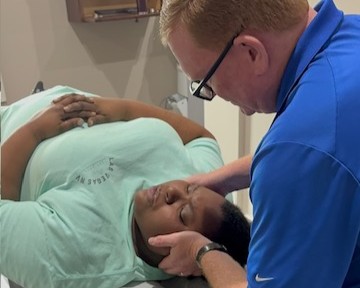

As a local chiropractor, I understand that facing an injury can feel like a major hurdle in your athletic journey. It's crucial to know that effectively healing these injuries is vital for reaching your peak performance. Early intervention is a critical step, but it's just the beginning. A comprehensive approach that incorporates chiropractic care, rehabilitation, proper nutrition, and mental strategies can significantly enhance your recovery.
You may be curious about how these elements work together or what innovative natural treatments are available to support your healing process. Chiropractic care, for instance, focuses on restoring proper alignment and function of your body, which can alleviate pain and promote faster recovery. By addressing the root causes of your discomfort, we can help you regain your strength and mobility more efficiently.
Integrating these holistic methods may redefine your understanding of healing and performance, allowing you to return to the activities you love with renewed vigor. Let's explore how we can work together to enhance your recovery and keep you performing at your best.
Understanding Common Athlete Injuries
As a local chiropractor, I want to emphasize the importance of understanding common athlete injuries for both prevention and recovery. Whether you're a seasoned athlete or just starting out, being aware of these injuries can help you recognize symptoms early and take the right steps towards healing.
One of the most frequently encountered injuries is a sprain, which affects the ligaments around joints such as the ankle or knee. If you experience pain, swelling, or difficulty moving the affected area, it's crucial to seek care.
Another common issue is a strain, which involves damage to muscles or tendons, often occurring in areas like the hamstrings or quadriceps. Persistent pain and stiffness during movement are signs that shouldn't be ignored.
Tendinitis is another condition to be mindful of; it results from overuse and typically affects the tendons in the shoulder or elbow. If you notice ongoing pain that intensifies with activity, this may indicate tendinitis.
Fractures can happen too, especially in high-impact sports, presenting as sharp pain, swelling, or an inability to use the affected limb.
Stress fractures, which are small cracks in the bone caused by repetitive force, are particularly common among runners. These can lead to prolonged discomfort and require adequate rest for proper healing.
By understanding these injuries, you can make informed decisions about your training and activity levels.
As your chiropractor, I encourage you to recognize these conditions early on. This won't only help you protect yourself from further injury but also support a more effective recovery process.
Ultimately, being aware of what to look for can keep you active longer and enhance your overall performance. Remember, natural healing and chiropractic care can play a vital role in your journey towards recovery and maintaining your athletic lifestyle.
Importance of Early Intervention
As a local chiropractor, I want to emphasize the critical importance of recognizing and addressing early signs of injuries. Many people may not realize that pain, swelling, or discomfort are signals from your body indicating that something may be wrong. It's essential not to ignore these warning signs. Early intervention can be the key to a smoother recovery and often makes the difference between a minor setback and a more serious injury that could sideline you for weeks or even months.
When you act quickly, you can prevent further damage and set the stage for a more effective treatment plan. For example, if you experience a sprain or strain, seeking chiropractic care shortly after the incident can significantly enhance your healing process and help you return to your favorite activities with confidence. Ignoring these symptoms can lead to chronic issues, which complicate recovery and can be frustrating.
Additionally, addressing injuries promptly allows you to maintain your overall performance. By incorporating early chiropractic care into your routine, you can stay on track with your training and avoid losing your competitive edge. It's crucial to communicate openly about any discomfort you're experiencing, whether with a chiropractor, coach, or other medical professionals. We can provide tailored guidance and support to ensure you get back to peak performance as soon as possible.
Beyond the physical aspects, early diagnosis and treatment can help you avoid unnecessary pain and the emotional stress that often accompanies prolonged injuries. Remember, your mental well-being is just as vital as your physical health.
Physical Rehabilitation Techniques
At our chiropractic clinic, we emphasize the importance of physical rehabilitation techniques in your recovery journey following an injury. These methods are specifically designed to help restore your strength, flexibility, and overall functionality, allowing you to return to your activities as quickly and safely as possible.
Your journey typically begins with a comprehensive assessment conducted by our experienced chiropractor, who'll then create a personalized rehabilitation plan tailored to your unique needs.
One of the foundational techniques we often utilize is therapeutic exercise. This encompasses a variety of stretching and strengthening exercises that are precisely tailored to address your specific injury. As you progress, we'll gradually increase the intensity and complexity of these exercises to build your endurance and stability effectively.
In addition to exercises, we incorporate manual therapy, which involves hands-on techniques aimed at reducing pain and improving mobility. Our chiropractors may use methods such as joint mobilization or soft tissue manipulation to alleviate tightness and enhance your overall function.
To help manage pain and swelling during the early stages of recovery, we may also employ various modalities, including heat, ice, or electrical stimulation. These techniques can promote blood flow to the injured area, facilitating a faster healing process.
Another essential aspect of rehabilitation is balance and proprioception training, especially if your injury impacts your stability. Engaging in balance exercises is crucial for restoring coordination and preventing future injuries.
As you continue to recover, functional training will become a focal point of your rehabilitation. This type of training emphasizes movements that are specific to your lifestyle or sport, helping ensure you can perform at your best once again.
Nutrition for Optimal Recovery
As your local chiropractor, I want to emphasize the crucial role nutrition plays in your recovery from injuries. Many people may not realize it, but what you eat can significantly affect your healing process.
To promote optimal recovery, it's important to focus on essential nutrients that support tissue repair and immune function. Staying properly hydrated is equally vital, as water helps transport these nutrients throughout your body.
Additionally, timing your meals can enhance the healing process. Consuming the right foods at strategic intervals can provide your body with the energy and nutrients it needs when it needs them most.
Let's dive into how these dietary factors can aid in your recovery journey and complement the chiropractic care you're receiving. Together, we can work towards a healthier, faster recovery.
Essential Nutrients for Recovery
As a local chiropractor, I want to emphasize the crucial role nutrition plays in your recovery process. Proper nourishment can significantly enhance your healing journey, and it's essential to focus on the right nutrients.
First and foremost, let's talk about protein. This macronutrient is vital for repairing tissues and building muscle, which is especially important after any chiropractic adjustments or physical activity. I recommend incorporating lean sources of protein into your diet, such as chicken, fish, beans, and legumes, to support your recovery efforts effectively.
In addition to protein, vitamins and minerals are also key players in your healing process. For instance, Vitamin C isn't just a common vitamin; it's essential for collagen synthesis, which helps repair tissues. You can find a good dose of Vitamin C in citrus fruits, strawberries, and bell peppers.
Zinc is another mineral that shouldn't be overlooked; it plays a significant role in wound healing, so I suggest including nuts, seeds, and whole grains in your meals.
Don't forget about healthy fats, either. Omega-3 fatty acids, which are abundant in fatty fish, flaxseeds, and walnuts, can help reduce inflammation, facilitating a quicker recovery.
Carbohydrates also play an integral role, as they help replenish your energy stores after activities and support your overall recovery process. Opt for whole grains, fruits, and vegetables to provide your body with the fuel it needs.
Lastly, I encourage you to include antioxidants in your diet. These powerful compounds help combat oxidative stress, particularly after intense training or adjustments. Foods like berries, dark chocolate, and green tea are excellent sources of antioxidants and can aid in your recovery.
Hydration's Role in Healing
As a local chiropractor, I want to emphasize the vital role hydration plays in your healing journey, especially if you're recovering from an injury. Many people, including athletes, often underestimate how crucial it's to stay properly hydrated. Water isn't just a thirst-quencher; it serves as a key player in delivering essential nutrients throughout your body. This is particularly important during recovery, as your tissues require ample nutrients and oxygen to heal effectively.
When you're dehydrated, your blood volume can decrease, making it more challenging for your body to transport the necessary nutrients and oxygen to the injured areas. This can slow down your recovery process and prolong discomfort.
In addition to nutrient transport, staying well-hydrated can help reduce inflammation and support joint lubrication. Both of these factors are essential for a smooth recovery. Proper hydration aids your body in flushing out toxins and metabolic waste that can build up during an injury, further assisting in the healing process.
It's also important to understand that hydration goes beyond just drinking water; maintaining a balance of electrolytes is equally crucial. Electrolytes like sodium, potassium, and magnesium help regulate your body's fluid levels and are vital for muscle function. Consuming electrolyte-rich beverages, especially after intense physical activity or as you gradually ramp up your activity during recovery, can be beneficial.
Incorporating a thoughtful hydration strategy into your recovery plan can significantly enhance your healing and overall wellness. So, make sure to drink plenty of fluids and keep your body well-hydrated to optimize your healing and performance. Your body will thank you!
Timing Nutrition for Benefits
As your local chiropractor, I want to emphasize the importance of timing your nutrition to support your recovery after an injury. Proper nutrition at the right moments can significantly enhance your healing process. When you experience an injury, your body needs specific nutrients to repair muscles and tissues effectively. That's why it's crucial to consume a balanced mix of carbohydrates and protein within 30 minutes after your workout or injury. This window is vital for replenishing glycogen stores and kickstarting muscle repair.
Throughout your day, aim to have balanced meals every three to four hours. This regular intake helps keep your body in an anabolic state, which is essential for optimal healing.
And let's not overlook hydration—it's key for transporting nutrients and aiding muscle recovery.
Also, pay attention to what you eat before you engage in physical activity. Having a nutritious meal with carbs and protein about two to three hours prior to your workout can help reduce the risk of further injury while boosting your performance.
Remember to listen to your body and adjust your nutrition based on how active you're and what your recovery needs entail. By timing your nutrition wisely, you're setting the stage for a quicker and more effective recovery, allowing chiropractic care to work hand-in-hand with your body's natural healing processes.
Mental Strategies for Healing
As you embark on your journey to recovery, I want to emphasize the vital role mental strategies can play in your healing process.
Techniques such as visualization can be particularly effective; they allow you to imagine your progress and set positive intentions for your recovery.
Additionally, incorporating mindfulness practices can help you stay present and focused during your rehabilitation, which can be incredibly beneficial.
By combining these mental strategies with chiropractic care, you can enhance your resilience and support your overall healing.
Visualization Techniques for Recovery
As a local chiropractor, I often emphasize the importance of holistic approaches to healing, and one powerful technique I recommend to my patients is visualization. You might wonder how visualization can enhance your recovery from injuries—let me explain.
By tapping into the power of your mind, you can significantly accelerate your healing process and reignite your motivation. Visualization allows you to mentally rehearse movements and picture yourself successfully recovering, making the journey to healing smoother and more effective.
Here are three ways visualization can support your recovery:
- Mental Rehearsal: Visualize yourself performing the movements or exercises necessary to regain strength and flexibility. This mental rehearsal not only sharpens your muscle memory but also prepares your body for improved performance when you get back to your activities.
- Pain Reduction: When you visualize a calming scene or picture your body healing, you can induce relaxation and diminish your perception of pain. This technique can be particularly beneficial in managing discomfort during your recovery.
- Increased Motivation: By envisioning your recovery goals and the joy of achieving them, you can cultivate a positive mindset. This mental imagery helps keep your focus on the journey ahead, encouraging you to stay committed and engaged throughout your healing process.
Incorporating these visualization techniques into your recovery routine can significantly enhance your healing and help you return to your sport or daily activities stronger and more resilient.
As your chiropractor, I'm here to guide you along this path to natural healing and wellness.
Mindfulness in Rehabilitation Process
As a local chiropractor, I want to share with you the important role mindfulness can play in your rehabilitation process. Mindfulness offers powerful mental strategies that can significantly enhance your journey to healing. By concentrating on the present moment, you can effectively reduce anxiety and stress—two factors that can impede your recovery.
When you practice mindfulness, you become more attuned to your body's sensations. This awareness allows you to listen to your body more closely as it heals, which is crucial in chiropractic care. Techniques such as deep breathing and meditation can bolster your emotional resilience and help you manage pain and frustration. These practices shift your focus away from negative thoughts, making the rehabilitation process more manageable.
Mindfulness also provides an opportunity to set intentions for each chiropractic session. By visualizing your goals and the progress you wish to achieve, you cultivate a positive mindset that can motivate you to adhere to your rehabilitation plan, even during challenging moments.
Innovative Treatments and Therapies
Injuries can put a halt to your active lifestyle, but as a local chiropractor, I want to share how innovative treatments and natural healing methods can help you recover faster and more effectively. You don't have to resign yourself to prolonged downtime.
With the latest advancements in chiropractic care and holistic therapies, you can regain your strength and return to the activities you love. Here are three groundbreaking approaches that are gaining traction in the wellness community:
1. Platelet-Rich Plasma (PRP) Therapy: This cutting-edge treatment involves taking a small sample of your blood, concentrating the platelets, and injecting them into the injured area. The growth factors in these platelets can significantly accelerate healing, alleviate pain, and enhance recovery.
This means you can get back to your favorite activities sooner, powered by your body's own healing properties.
2. Cryotherapy: This method involves exposing your body to extremely cold temperatures for a short duration. Cryotherapy is excellent for reducing inflammation and managing pain.
Not only does it support injury recovery, but it also enhances your performance and shortens recovery time after intense physical activities. This technique can be an essential part of your wellness routine to keep you feeling your best.
3. Regenerative Medicine: Techniques such as stem cell therapy tap into the body's innate ability to heal itself. By utilizing your own stem cells to regenerate damaged tissues, you can promote healing in ways that traditional treatments often cannot.
This is especially beneficial for chronic injuries that linger despite standard care.
These innovative treatments and natural healing methods are transforming the way we approach injury recovery. By exploring these options, you can take charge of your healing journey and get back to doing what you love.
Don't let injuries dictate your physical activity; embrace these advancements in chiropractic care to unlock your full potential and enhance your overall well-being.
Rebuilding Strength and Flexibility
After exploring innovative treatments for your injuries, it's time to focus on rebuilding strength and flexibility. This crucial phase is key to returning to your peak performance and preventing future setbacks.
First, let's evaluate your current capabilities together. Understand that you may not be able to perform at your previous levels right away, and that's perfectly okay. The goal here is to focus on gradual progress.
To aid in your recovery, we can incorporate strength training exercises that are tailored to your individual needs. Utilizing resistance bands, bodyweight exercises, and light weights can help you rebuild muscle without putting too much strain on your injury. I recommend aiming for two to three sessions a week to target different muscle groups, ensuring balanced development.
Equally important is flexibility. We can establish a stretching routine that focuses on the injured area while also addressing the surrounding muscles. For instance, dynamic stretches before workouts can enhance your mobility, while static stretches after can significantly improve your overall flexibility. Activities like yoga or Pilates might also be beneficial, as they promote body awareness and control.
Throughout this process, it's essential to listen to your body. If you experience any pain or discomfort, we'll need to adjust your routine accordingly. Remember, there's no need to rush your recovery; rebuilding strength and flexibility takes time.
Together, we can set realistic goals and celebrate your small victories along the way. Additionally, I encourage you to consider working with a physical therapist or a trainer who specializes in rehabilitation. They can create a personalized program that suits your specific needs and helps you regain confidence in your movements.
Preventing Future Injuries
As your local chiropractor, I want to emphasize the importance of preventing future injuries for your overall health and well-being. Many people may not realize that taking proactive measures is just as crucial as seeking treatment after an injury.
By implementing a few key strategies, you can enhance your physical performance and avoid setbacks. Here are three essential tips to help you stay injury-free:
1. Warm-Up and Cool Down: Before engaging in any physical activity, it's vital to warm up properly. This process prepares your muscles and joints for the exertion ahead, reducing the risk of injury.
After your workout, make sure to cool down, allowing your body to transition back to a resting state. This practice can help minimize muscle stiffness and soreness, ensuring a smoother recovery.
2. Listen to Your Body: Your body communicates with you in various ways—it's important to pay attention to those signals. If you experience pain or discomfort, don't ignore it.
Taking time to rest and recover is far more beneficial than pushing through the discomfort, which could lead to a more serious injury. Regularly checking in with how your body feels can help you catch potential issues early on.
3. Cross-Training: To promote balanced strength and flexibility, consider diversifying your training routine. Incorporating activities like swimming, cycling, or yoga can strengthen different muscle groups while improving your overall fitness.
This approach not only enhances performance but also alleviates the repetitive strain placed on specific muscles and joints, reducing the likelihood of injury.
As a chiropractor, I'm here to help you understand the benefits of these strategies and support your journey to a healthier, injury-free life.
Together, we can ensure that your body is functioning at its best!
Conclusion
As a local chiropractor, I want to share with you that injuries don't have to derail your athletic journey. By prioritizing early intervention and adopting a holistic approach to recovery, you can regain your strength and resilience. Chiropractic care plays a crucial role in this process.
Incorporating tailored rehabilitation techniques can help restore your body's natural function. Alongside this, proper nutrition is essential to fuel your recovery, while mental strategies can enhance your overall well-being. Don't overlook the benefits of innovative treatments, such as spinal adjustments and other natural therapies, which can significantly enhance your healing process.
With dedication to your recovery and the right chiropractic techniques, not only can you heal from injuries, but you can also take proactive steps to prevent future ones. This will enable you to access your true peak performance in your athletic pursuits. Let's work together to keep you moving forward!